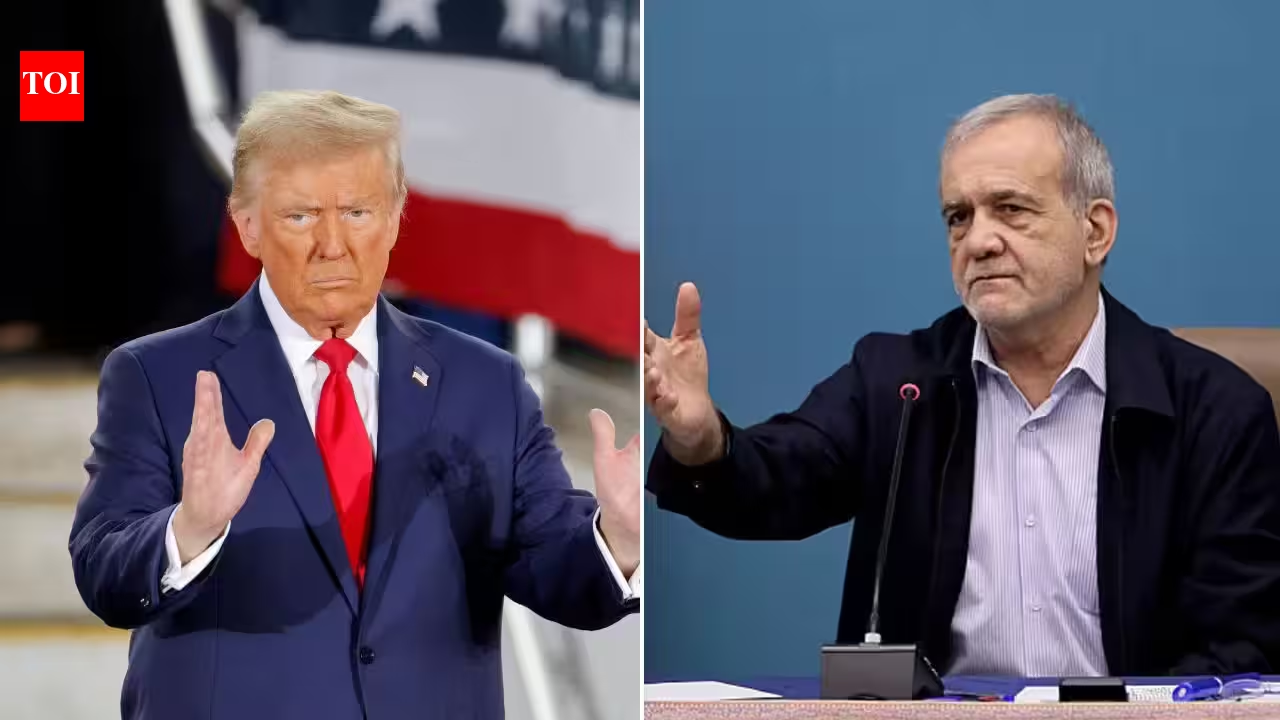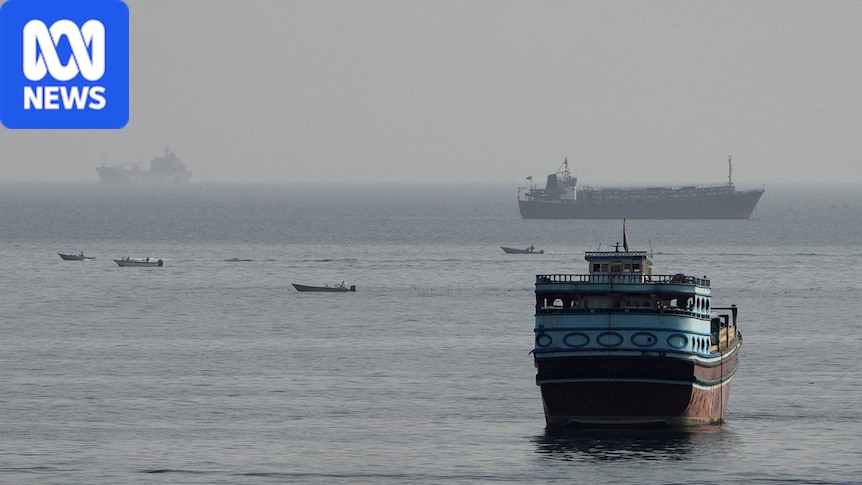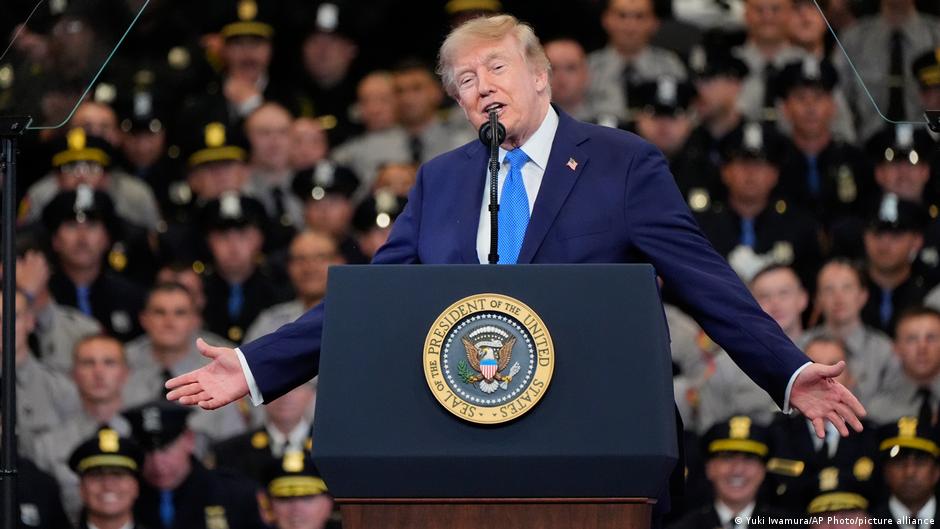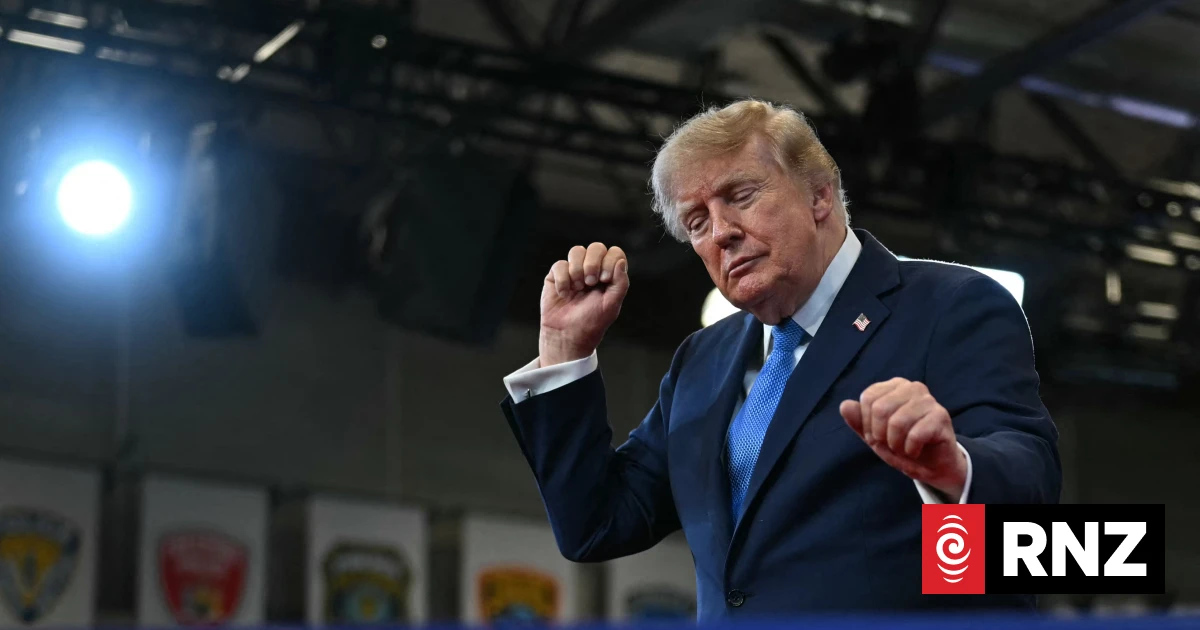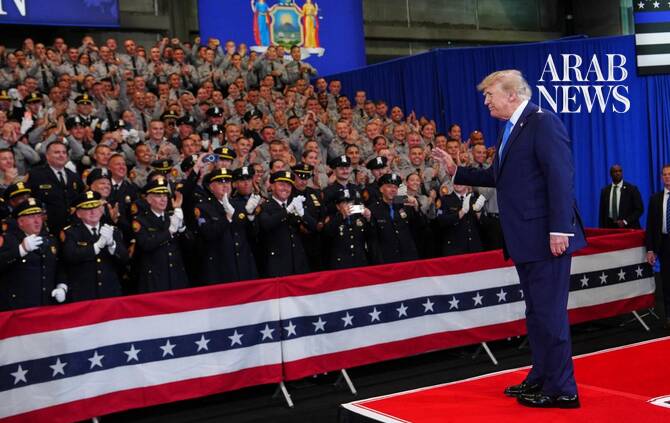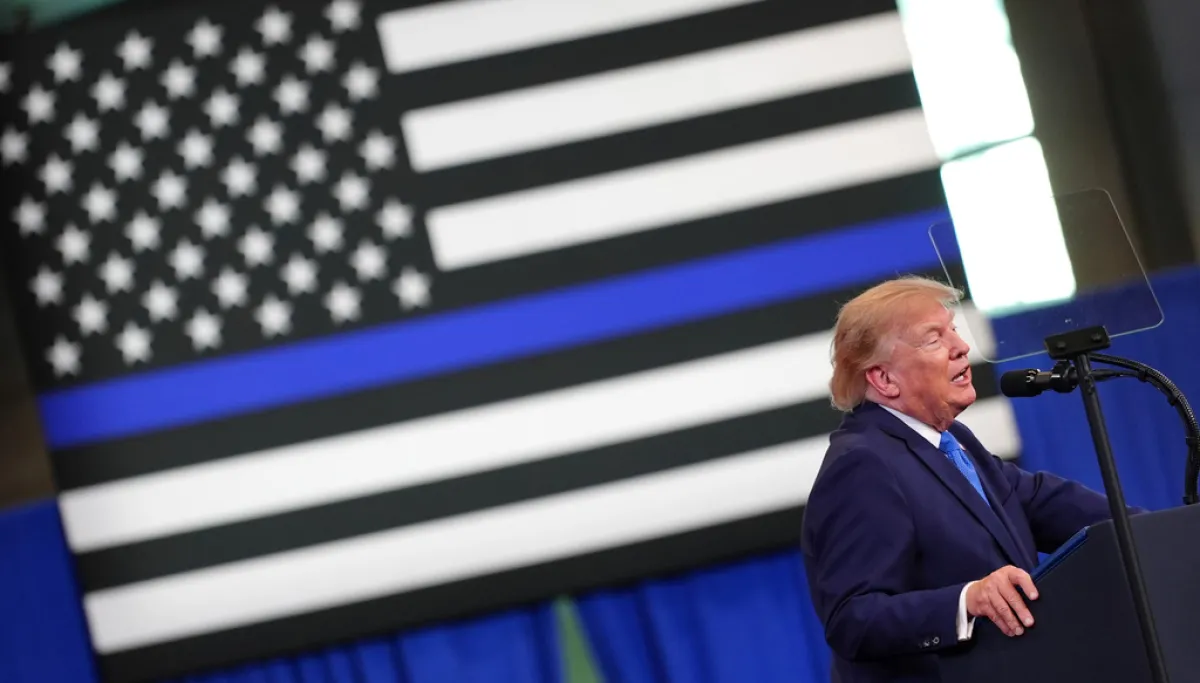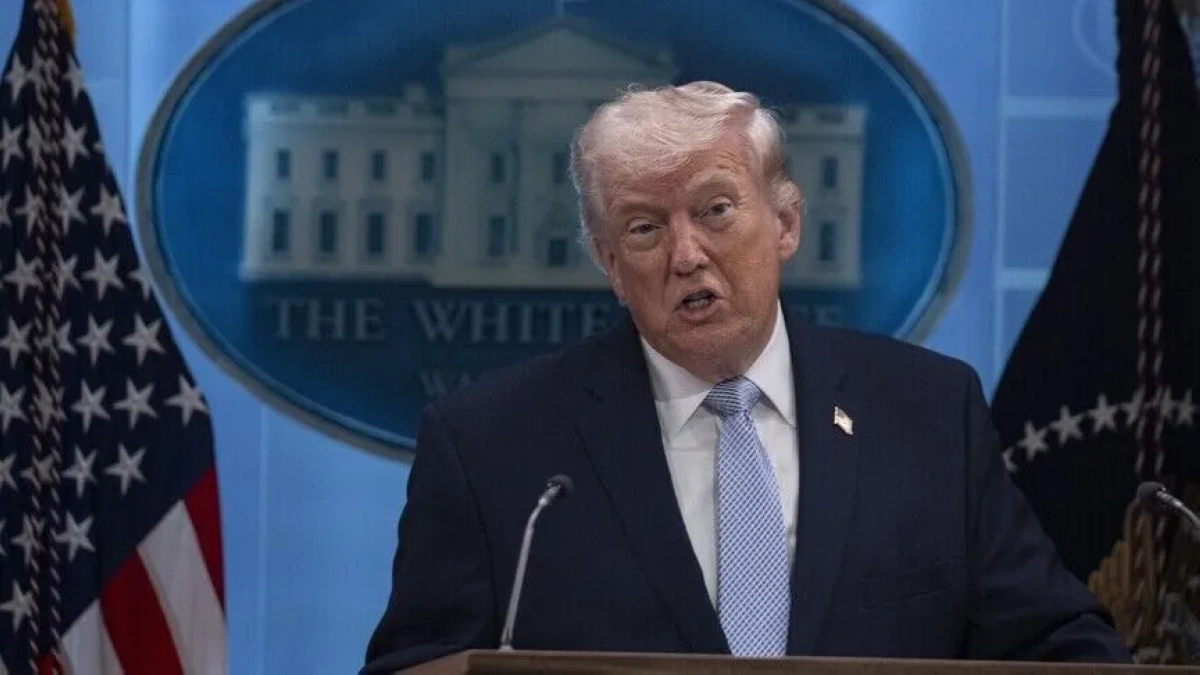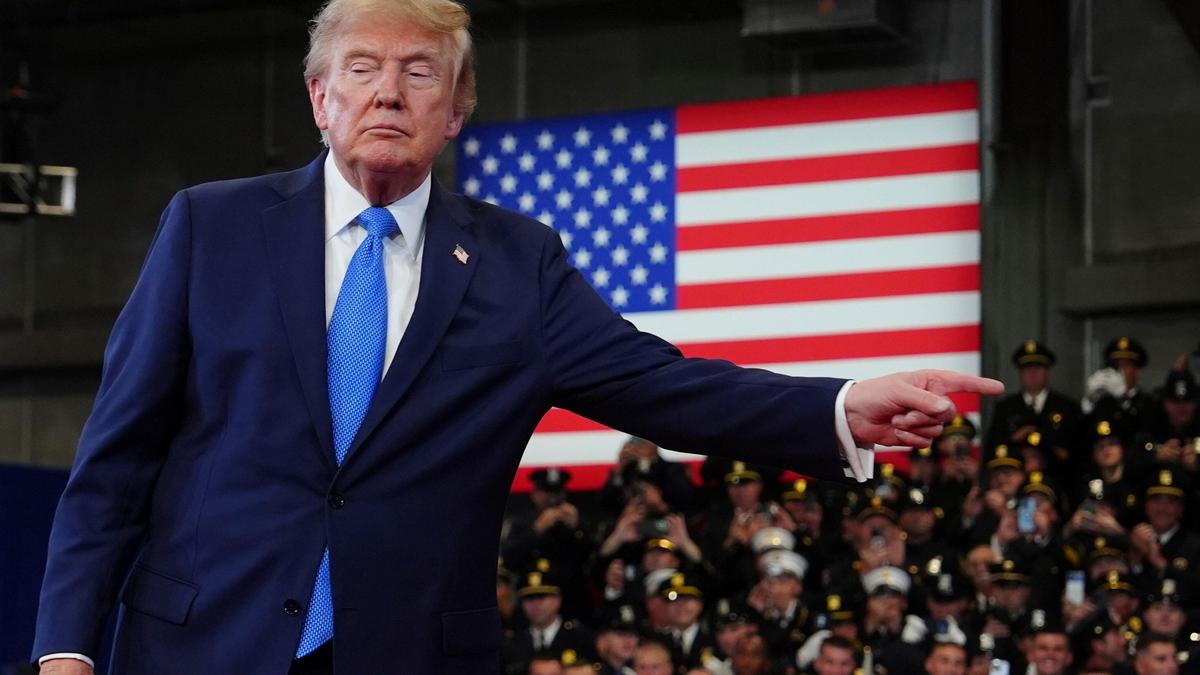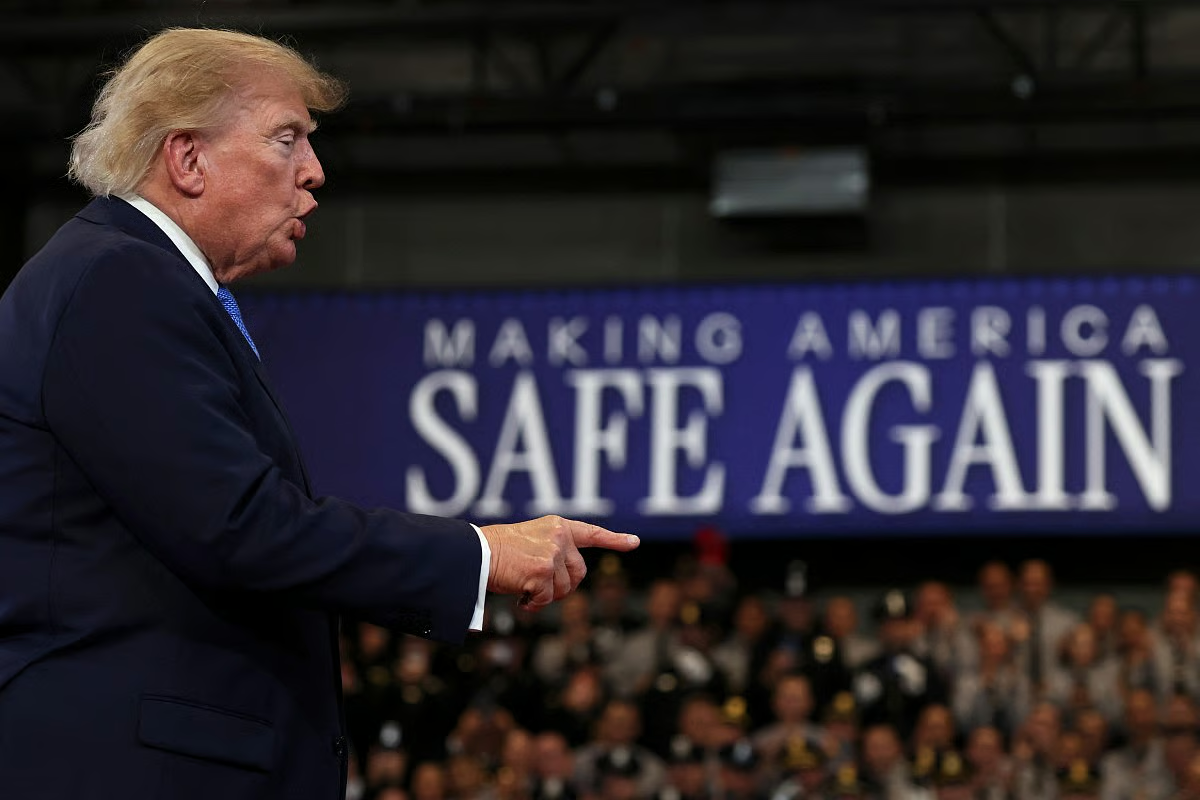
US President Donald Trump has said the United States will declare the Strait of Hormuz US territory “pretty soon” after defeating Iran, escalating tensions over the strategically vital waterway.Speaking at a political rally in New York on Friday, Trump said the US already had “total control” of the strait through its blockade of Iranian ports.“After we finish defeating Iran, which is being very badly defeated, pretty soon I’ll be declaring the Hormuz Strait a territory of the United States,” Trump said.He also claimed the US was acting in the interests of the wider world by restricting shipping through the waterway.“We have the blockade. No ships get through unless we want them to,” Trump said.Iran rejects Trump's Hormuz claimIran swiftly rejected the US president’s comments.Deputy Foreign Minister Kazem Gharibabadi said on Saturday that the Strait of Hormuz “has been Iranian, is Iranian, and will remain Iranian”.He said the waterway would be opened or closed only under Iran’s authority.“The Strait of Hormuz cannot be seized with a tweet, an aircraft carrier, an executive order, or a campaign speech,” Gharibabadi said.He added that Iran would continue enforcing its blockade as long as Washington refused to accept what Tehran described as its defeat.Hormuz remains heavily disruptedTrump’s comments come as shipping through the key energy route remains severely disrupted.The 170-kilometre Strait of Hormuz connects the Gulf with the Gulf of Oman and is a major route for global oil and gas shipments. Traffic has fallen sharply since the conflict began, with the US blockade of Iranian ports and restrictions on commercial shipping creating a prolonged standoff.Trump had previously said the strait would be “open literally” the following day, but shipping remains far below normal levels.Trump defends war despite higher petrol pricesTrump also defended the military action against Iran and said he would “never apologise” for the conflict, despite higher petrol prices.He argued that Americans should accept paying more for fuel if it helps prevent Iran from obtaining a nuclear weapon.“For you to pay a tiny little bit more for your gasoline, just remember you're doing it so that a very evil country cannot have ... a nuclear weapon,” Trump said.Benchmark Brent crude rose to around $88 a barrel on Friday, up about 5% for the week.Iran-US talks remain uncertainIranian Foreign Minister Abbas Araghchi said Tehran has not decided whether to resume negotiations with Washington.He said Qatar and Pakistan had exchanged messages with both sides, but stressed that these contacts did not amount to negotiations.Trump earlier said the US was “low-keying” talks with Iran and that Washington was only “semi-negotiating” with Tehran.What Trump's Hormuz plan would meanThe Strait of Hormuz includes the territorial waters of Iran, Oman and the UAE, as well as international waters. Any attempt to formally incorporate the waterway into US territory would therefore face major legal and diplomatic challenges.A White House official later told The Wall Street Journal that Trump’s comments about declaring the strait US territory were a joke.Trump has previously made other proposals involving territorial expansion, including suggestions that Canada become the 51st US state and renewed calls for the US to acquire Greenland.US carrier deploymentTrump also dismissed concerns about the lengthy deployment of the USS Abraham Lincoln, which has been operating in the region for almost nine months.He said the deployment was “not nearly long enough” but confirmed that the carrier would be replaced by another similar vessel.The developments come as tensions around Hormuz remain high, with the waterway continuing to face major shipping and security disruptions.What happens next?The immediate focus remains on whether Washington and Tehran can revive negotiations and whether shipping through Hormuz can return to normal.For now, both sides remain entrenched: Trump insists the US has control of the waterway and is increasing pressure on Iran, while Tehran rejects Washington’s claims and continues to assert authority over the strait.Trump-Iran conflict: Key developments in the Hormuz standoff Trump’s Hormuz claim: Trump said the US would declare the Strait of Hormuz US territory “pretty soon” after defeating Iran.Iran rejects the claim: Iran’s Deputy Foreign Minister Kazem Gharibabadi said the strait “has been Iranian, is Iranian, and will remain Iranian”.US claims control: Trump said the US already has “total control” of the waterway through its blockade of Iranian ports.Iran’s response: Gharibabadi said the strait could not be seized through a social media post, military force or executive order.Shipping disruption: Traffic through the Strait of Hormuz remains severely restricted amid the ongoing US-Iran standoff.Oil prices rise: Brent crude climbed above $88 a barrel as concerns over shipping and global energy supplies grew.Talks remain uncertain: Iran’s Foreign Minister Abbas Araghchi said Tehran has not decided whether to resume negotiations with Washington.Petrol prices: Trump defended higher fuel prices, saying they were a price worth paying to prevent Iran from obtaining a nuclear weapon.With inputs from AFP and AP
Trump’s ‘pretty soon’ Hormuz takeover plan: What he said and Iran’s sharp response
Trump vows to declare Strait of Hormuz US territory as Iran hits back, deepening tensions over a key oil route, shipping disruption and rising fuel prices.
796 words~4 min read