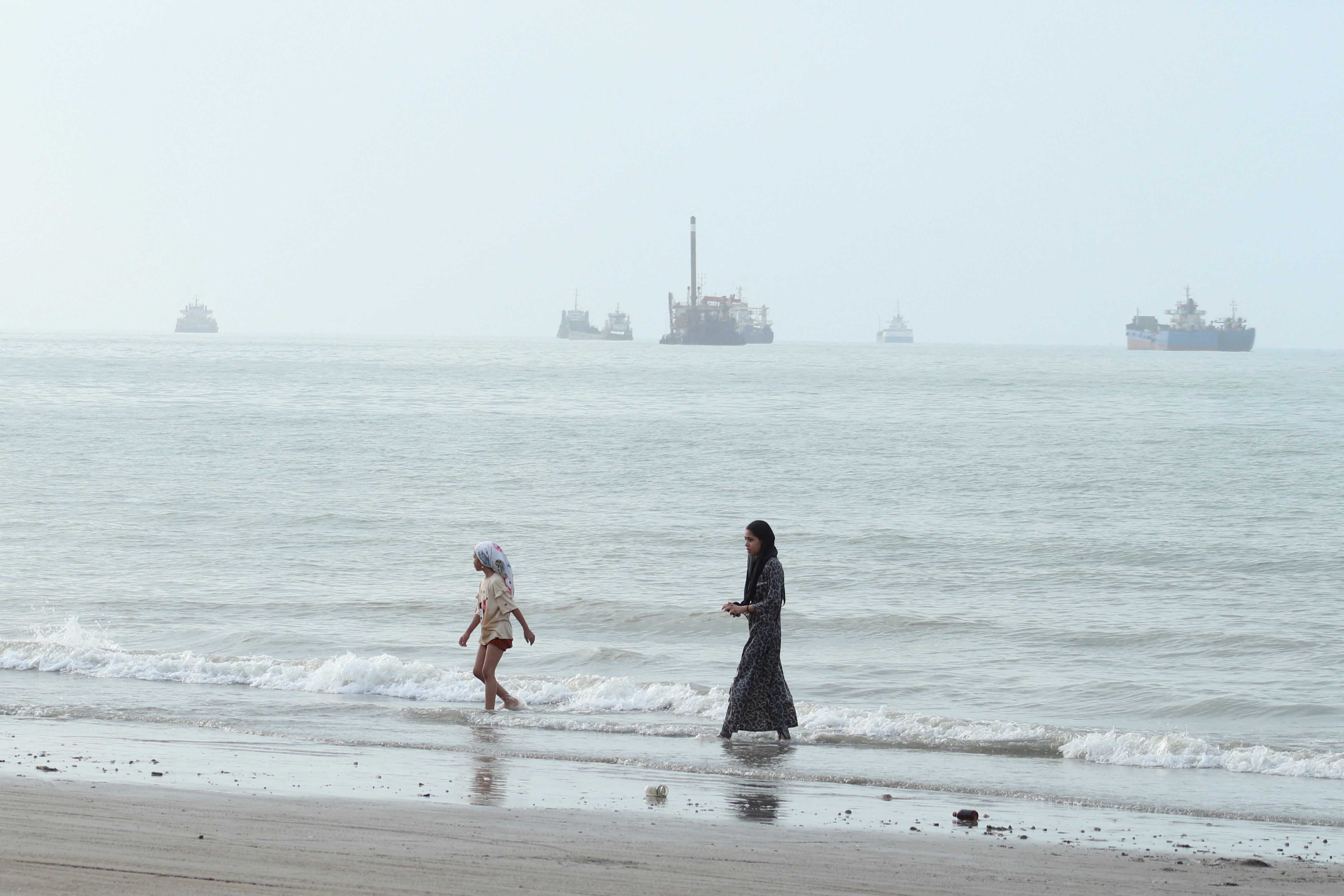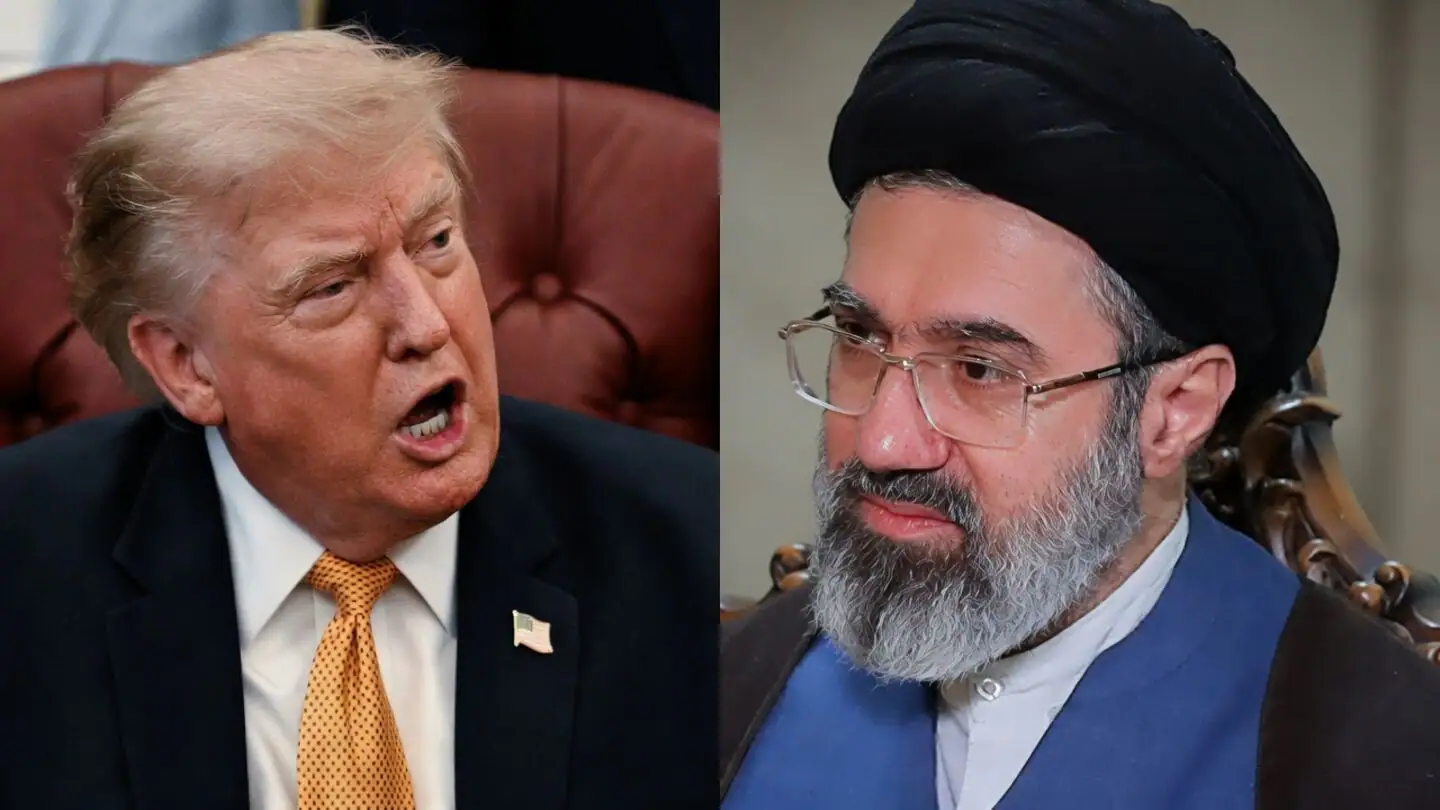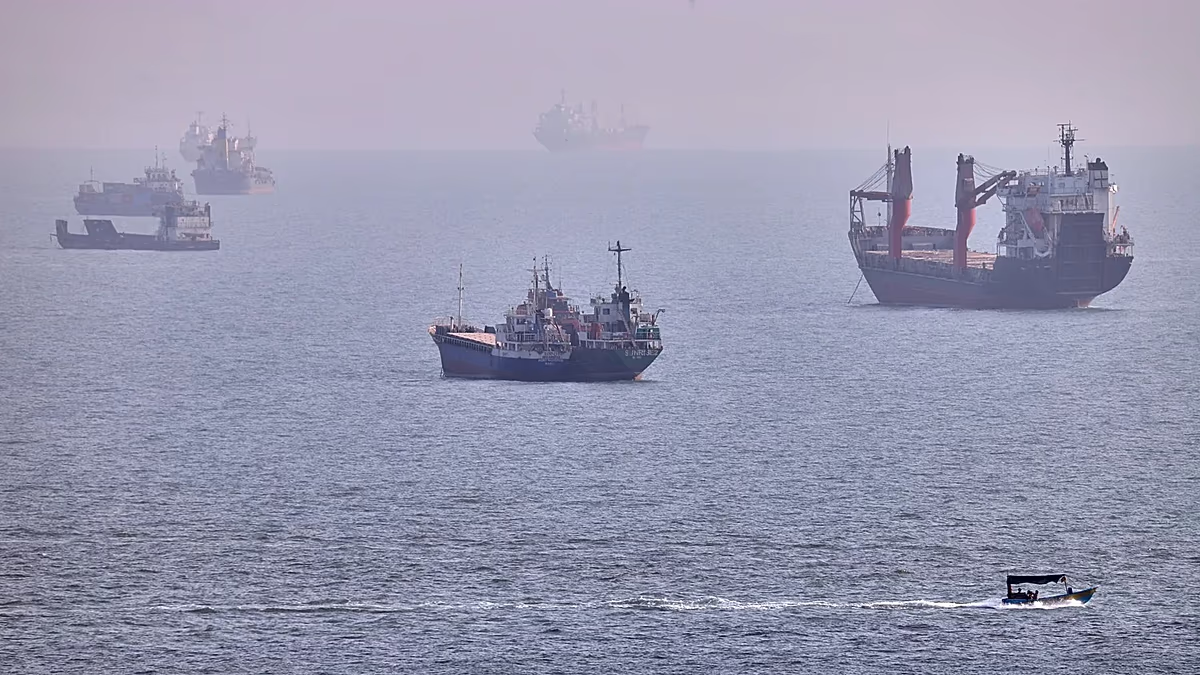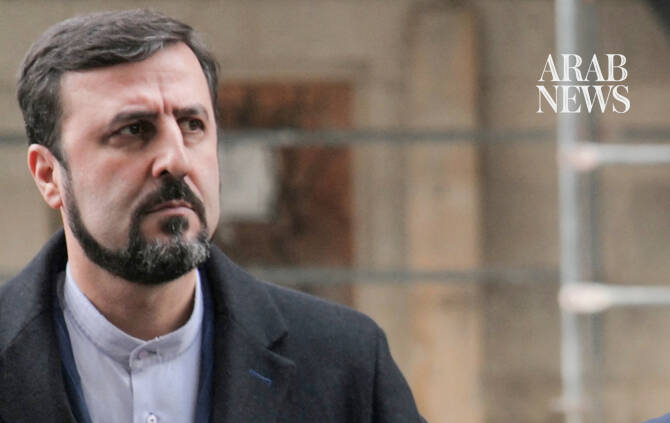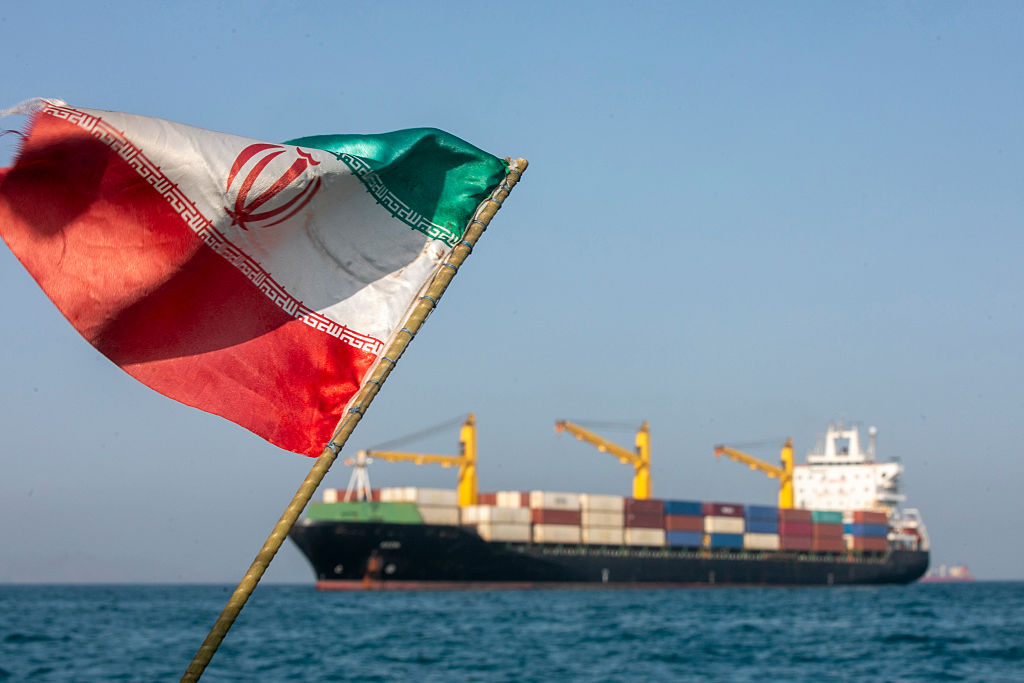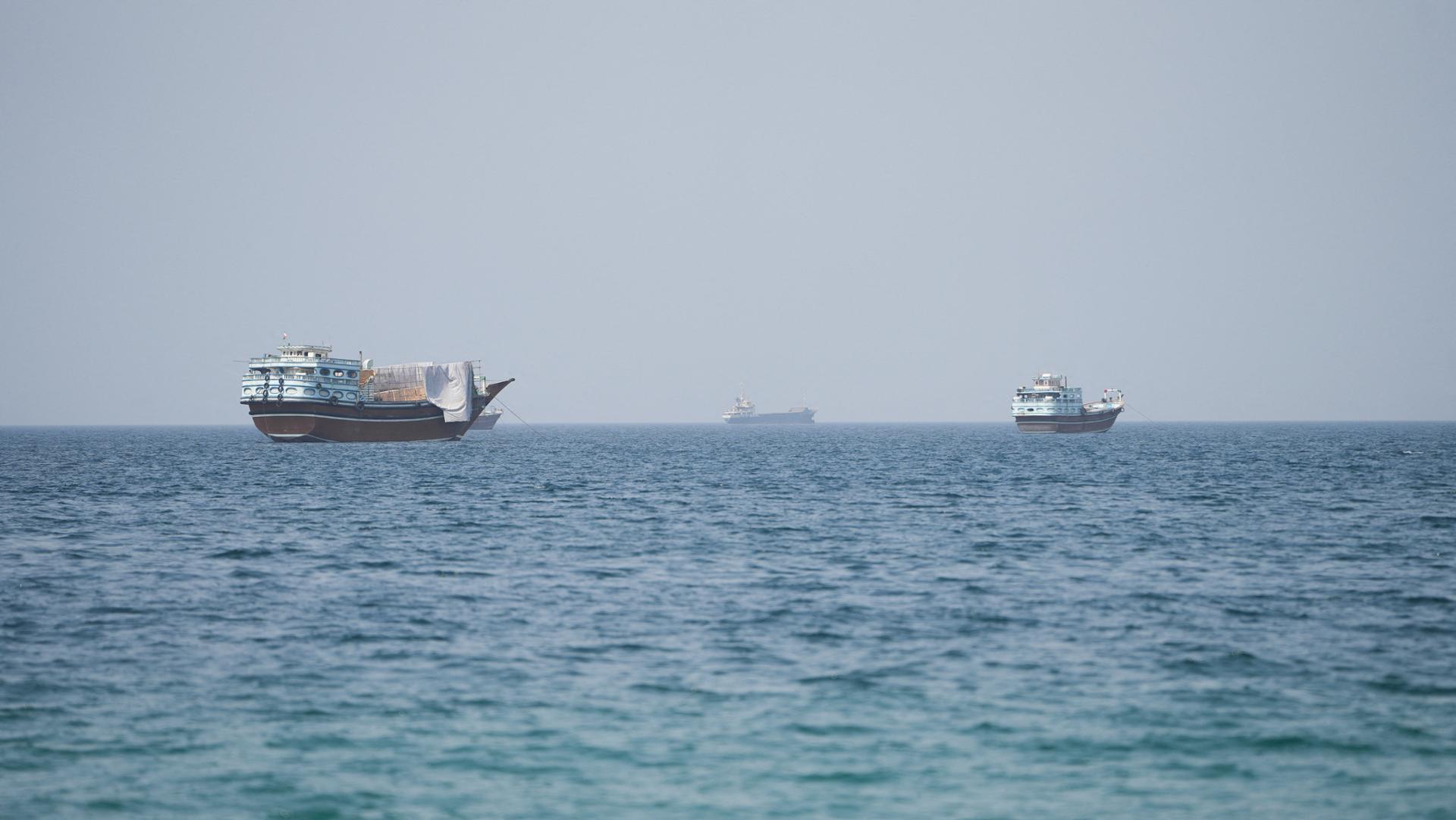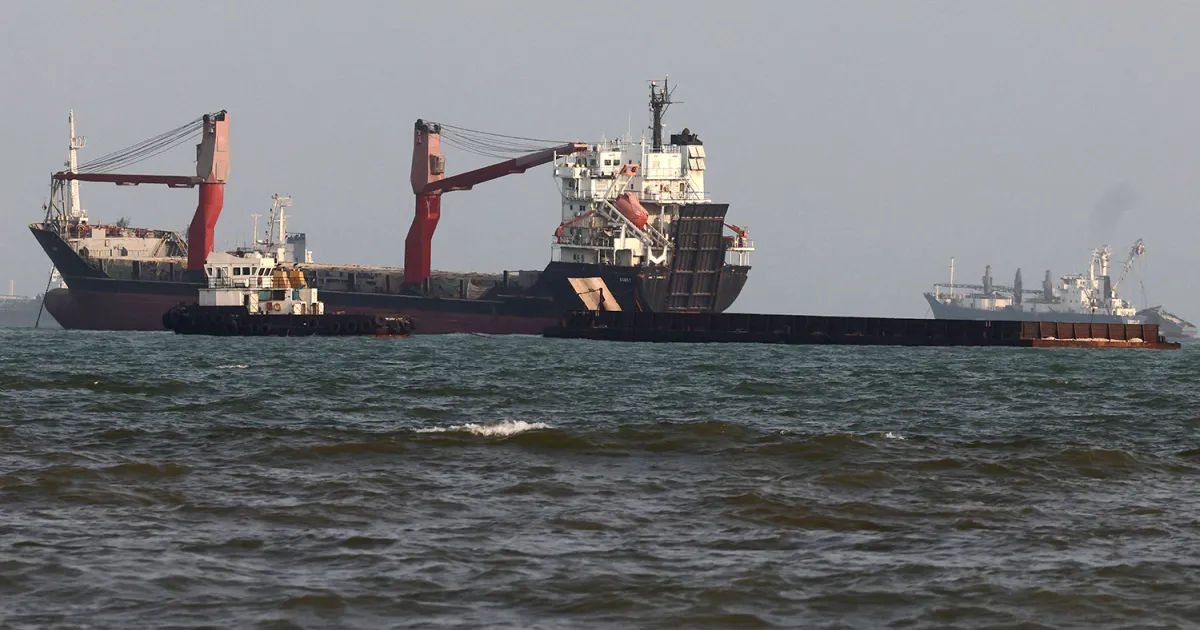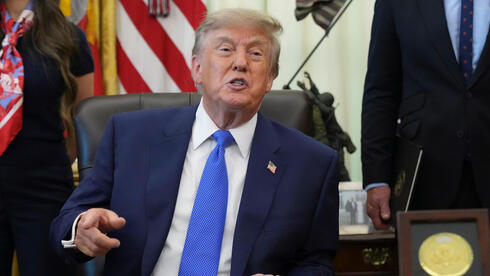
Tehran says only it will decide whether the strategic waterway stays open or closed after Trump says he may declare it US territory, as Iranian officials warn they will not yield to threats or displays of forceynet|U.S. President Donald Trump said Friday that he would “soon” declare the Strait of Hormuz U.S. territory, drawing a defiant response from Tehran that only Iran would determine the future of the strategic waterway.“Iran neither fears threats nor cowers before displays of power,” Iranian officials said as tensions remained high over control of the strait, a critical artery for global energy supplies.GalleryUS President Donald Trump (Photo: AP Photo/Jacquelyn Martin)Iranian Deputy Foreign Minister Kazem Gharibabadi responded directly to Trump, saying, “This strait will only be closed and opened under Iran's command, and as long as you do not accept the reality of defeat and cease your fanciful delusions, Iran will continue to enforce the blockade.”Trump had earlier told Fox News that his administration intended to inflict severe economic pressure on Iran.Iranian Foreign Minister Abbas Araghchi, meanwhile, said exchanges of messages through Pakistan and Qatar should not be interpreted as negotiations. Tehran, he said, had yet to decide whether to resume talks with the United States.The Strait of Hormuz (Photo: REUTERS/Stringer)The comments underscored the central role the Strait of Hormuz has assumed in the confrontation between Washington and Tehran. The narrow waterway between Iran and Oman connects the Persian Gulf with the Gulf of Oman and Arabian Sea and is one of the world’s most important routes for oil and liquefied natural gas shipments.The dispute over the strait came as Iranian state television broadcast a rare interview with Brig. Gen. Mohammad Reza Naqdi, a senior adviser to Islamic Revolutionary Guard Corps commander Ahmad Vahidi, to PBS.Naqdi insisted Iran was prevailing in the war, pointing in particular to what he described as Washington’s failure to topple the Iranian government.Brig. Gen. Mohammad Reza Naqdi (Photo: PBS)“We saw confusion and bewilderment in America. It became a war without a strategy,” Naqdi said. “Every two or three days, they announced a new objective. For several nights, they said they want to invade Kharg Island. They said they want to open the Strait of Hormuz. They mobilized their battleships. Everything they tried, we can show how we were victorious.”He argued that the past five months had shown the U.S. military to be weaker than Iranian officials previously believed.Asked whether one of Iran’s objectives was to prolong the war, potentially until Trump leaves office, Naqdi said Tehran needed to convince its adversaries that attacking Iran carried an unacceptable price.“We have to attain deterrence so that the enemy never dares to attack us, so we can live with security,” he said. “One way is to prolong this war until we get to the next term of the presidency and cause attrition, so that if anyone else wants to attack Iran, they will know there is a cost.”Naqdi also defended Iranian attacks on civilian vessels in the Strait of Hormuz, arguing that such ships could be carrying supplies to Iran’s enemies.Asked about reports concerning Iran’s remaining missile stockpile, Naqdi said U.S. and Israeli officials were preoccupied with determining how many weapons Tehran still possessed.“The Americans and the Zionists always want to count our missiles,” he said. “The number of missiles we manufacture every day is more than the number we launch. In a country this vast, we can make them wherever we want.“We do it in different ways. We have various ways to manufacture them securely. Rest assured, even if this war lasts for years, until the last day, Iran's rockets will be launched.”Naqdi then warned that Iran could remain dangerous even if its missile arsenal were depleted.“If there comes a day when Iran has no more missiles left, that's when we will be even more dangerous for America,” he said.Asked what he meant, Naqdi said the United States had economic assets around the world that could be “easily destroyed.”The interviewer noted that Washington ultimately possessed a weapon Tehran does not — a nuclear bomb.Naqdi dismissed the possibility of nuclear use, saying circumstances had changed since World War II.“The people of the world have awakened,” he said. “No one in the world will allow for such a crime to be committed, because the next time it could be themselves.”Asked about Israel, Naqdi said he would prefer that the country cease to exist and predicted it would ultimately collapse from within, comparing that prospect to the end of apartheid rule in South Africa.Naqdi was also questioned about Iranian Supreme Leader Ayatollah Mojtaba Khamenei, who has not appeared publicly since an attempt to kill him during the opening strikes of the war.Naqdi attributed Khamenei’s absence to “security” considerations.Iranian Supreme Leader Ayatollah Mojtaba Khamenei (Photo: Rouhollah Vahdati/ISNA/WANA (West Asia News Agency)/AFP)But when asked whether he had personally met with the supreme leader, he declined to answer.“Let’s leave this matter alone,” Naqdi said.The White House responded to his remarks by urging Tehran to reach an agreement with Washington.“It would be wise for Iran to agree to a deal. Otherwise they know what will happen,” the White House said.“The thing I can say with confidence is I think this ends with the United States in a stronger position, with Iran not having a nuclear weapon, and with the Strait of Hormuz returned to a place where oil and gas prices are stable for the American people,” Vance told Fox News.Vance on US goals in Iran (Video: Fox News)He said the administration was using its tools “very selectively, very strategically” to achieve Trump’s objectives, including ensuring Gulf states can continue supplying oil and gas to the global economy.“That's goal number one: Keep oil and gas cheap for Americans all over our country,” Vance said. “And obviously, goal number two is ensuring that Iran never gets a nuclear weapon.”Vance said he was confident Washington was making progress toward both goals but acknowledged that the confrontation remained difficult to predict.“The Iranians themselves are unpredictable,” he said, “and they sometimes don’t honor the commitments they’ve made to us.”
'Iran neither fears threats nor cowers': Tehran defies Trump threat to claim Strait of Hormuz
Tehran says only it will decide whether the strategic waterway stays open or closed after Trump says he may declare it US territory, as Iranian officials warn they will not yield to threats or displays of force
1,005 words~5 min read