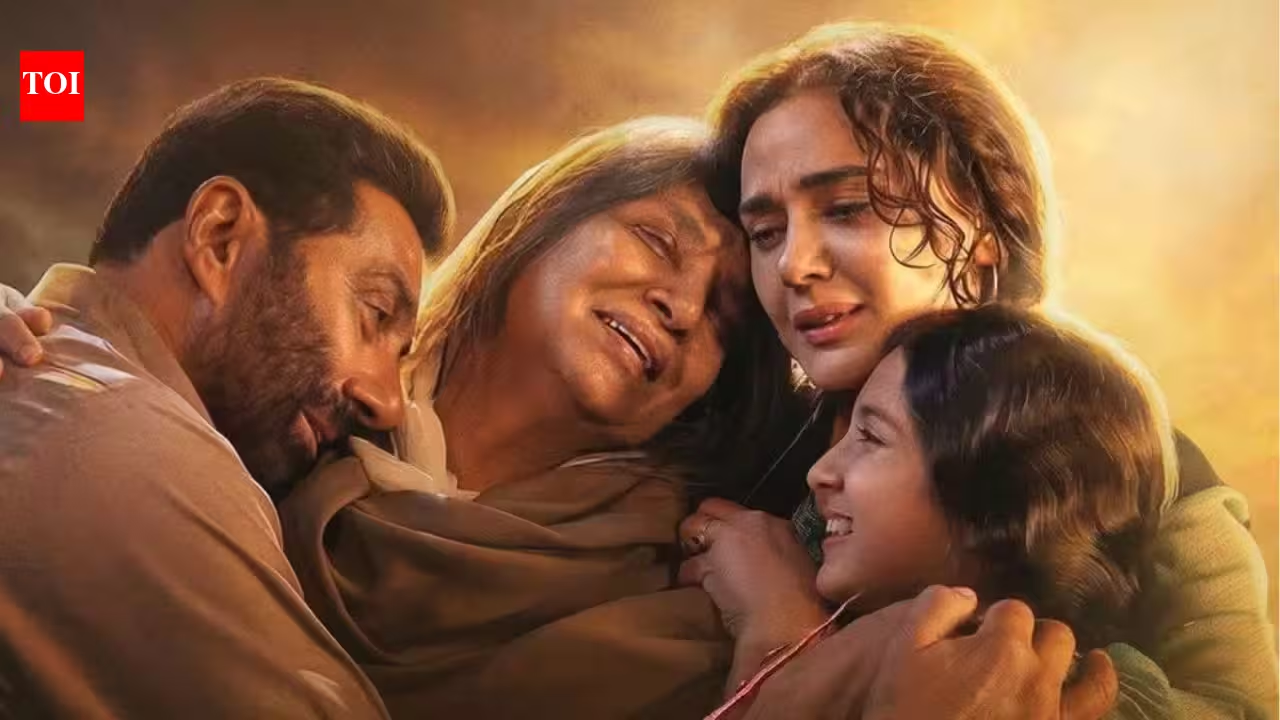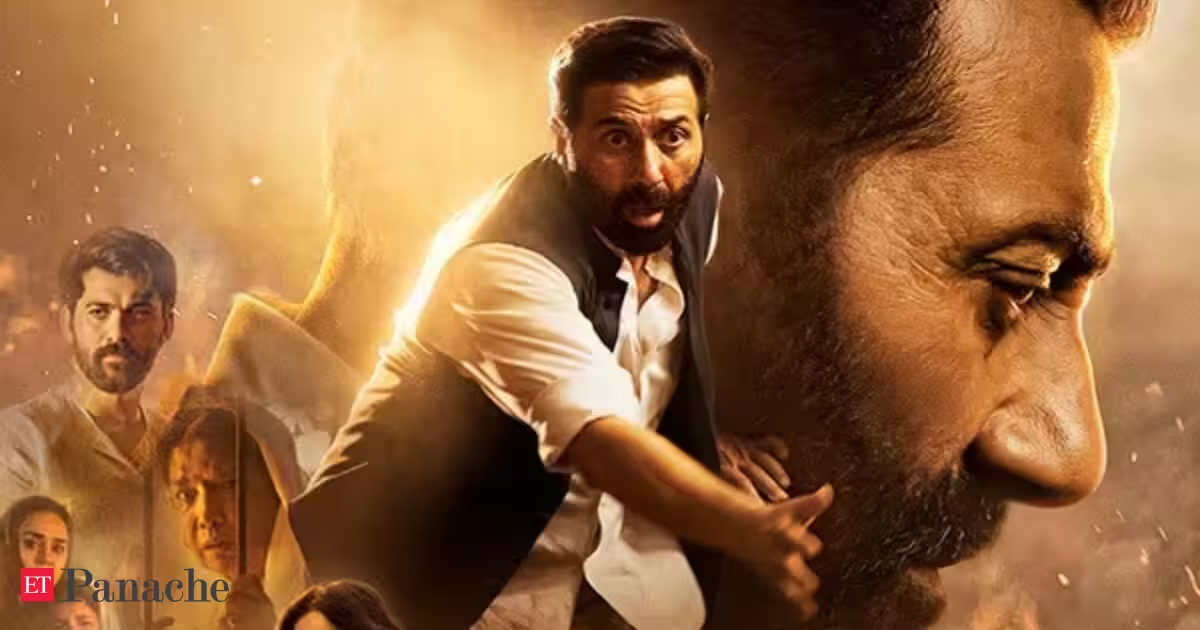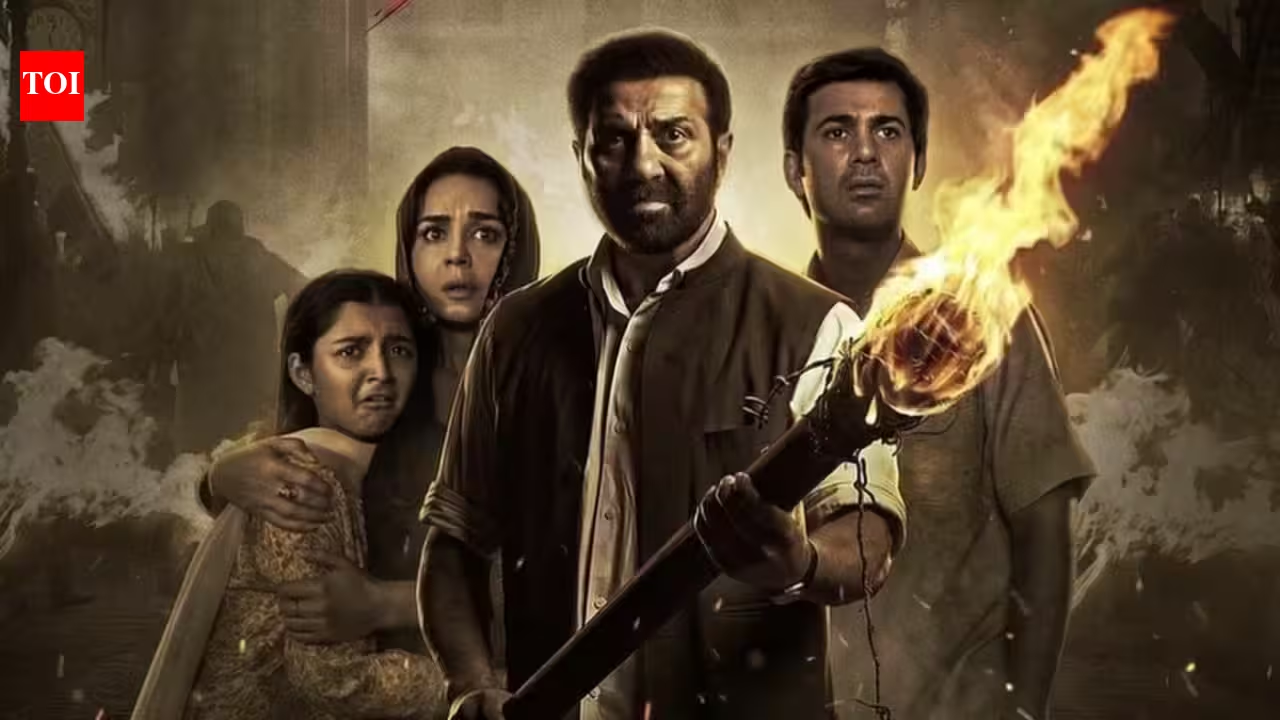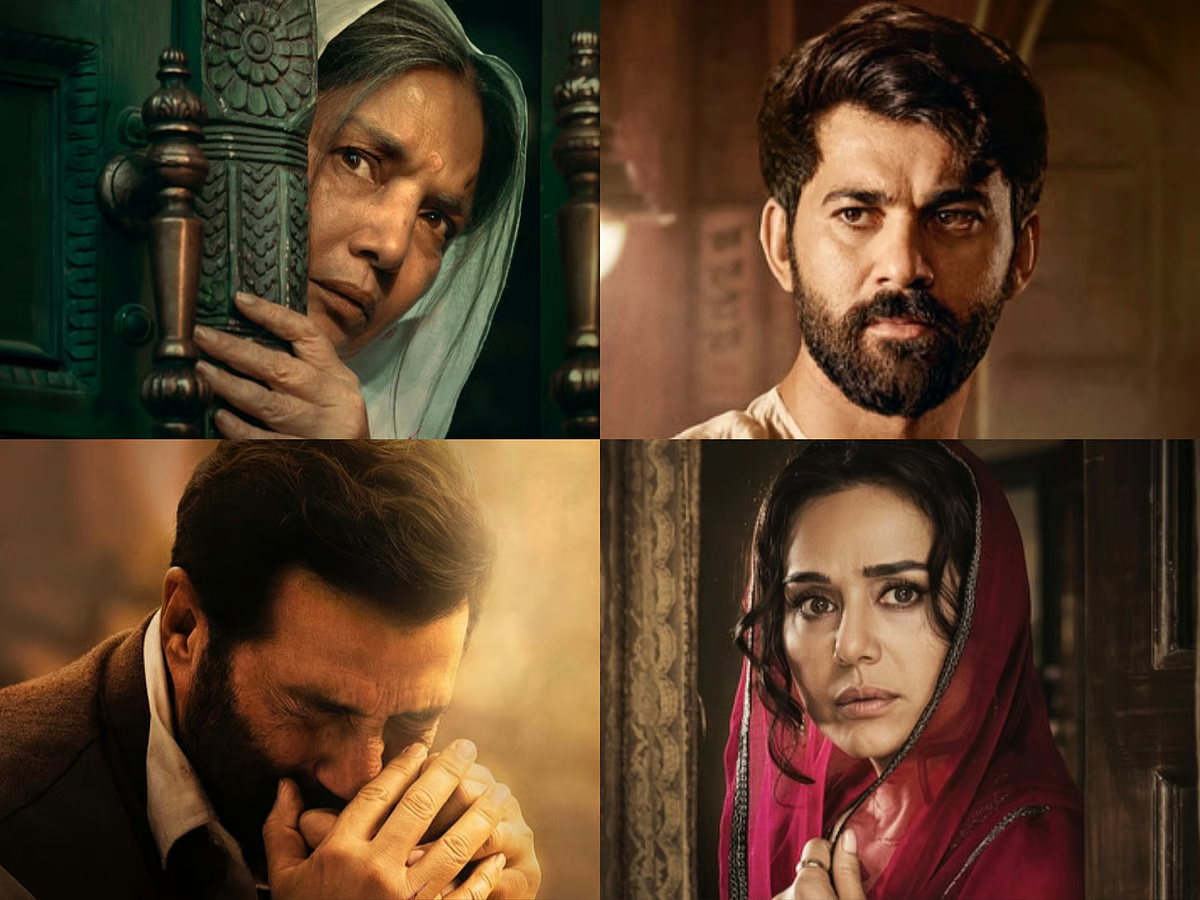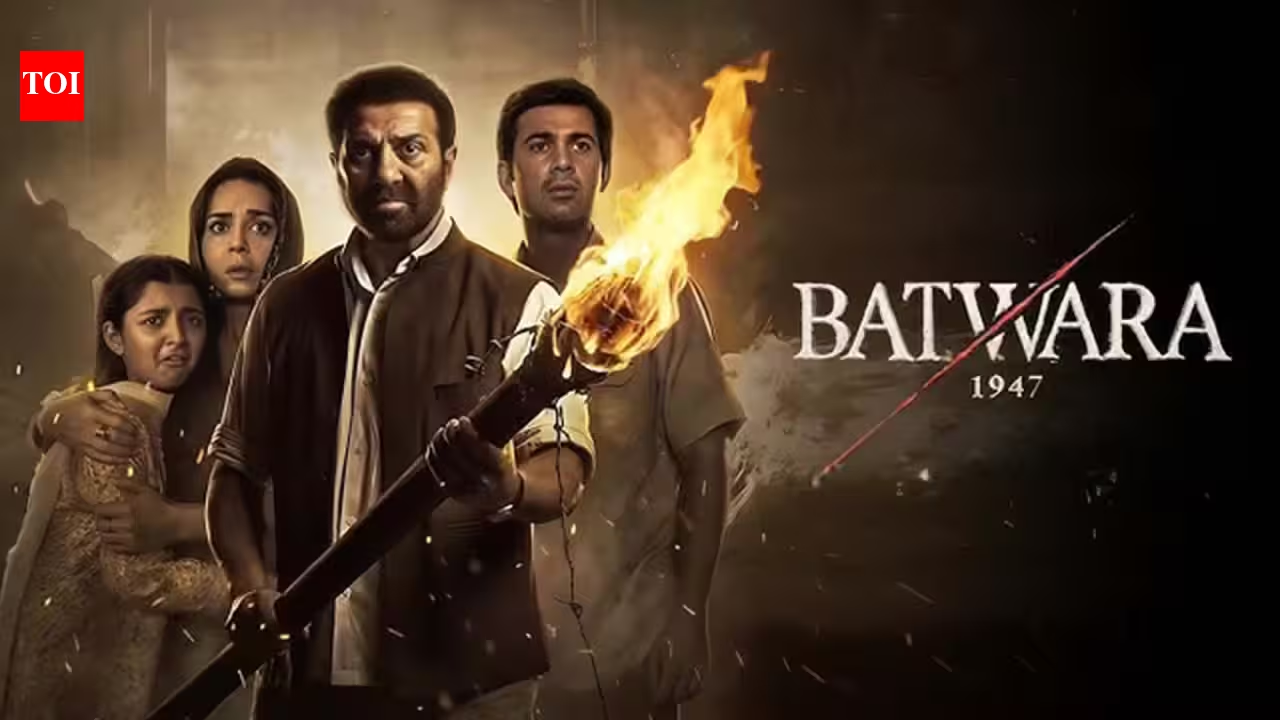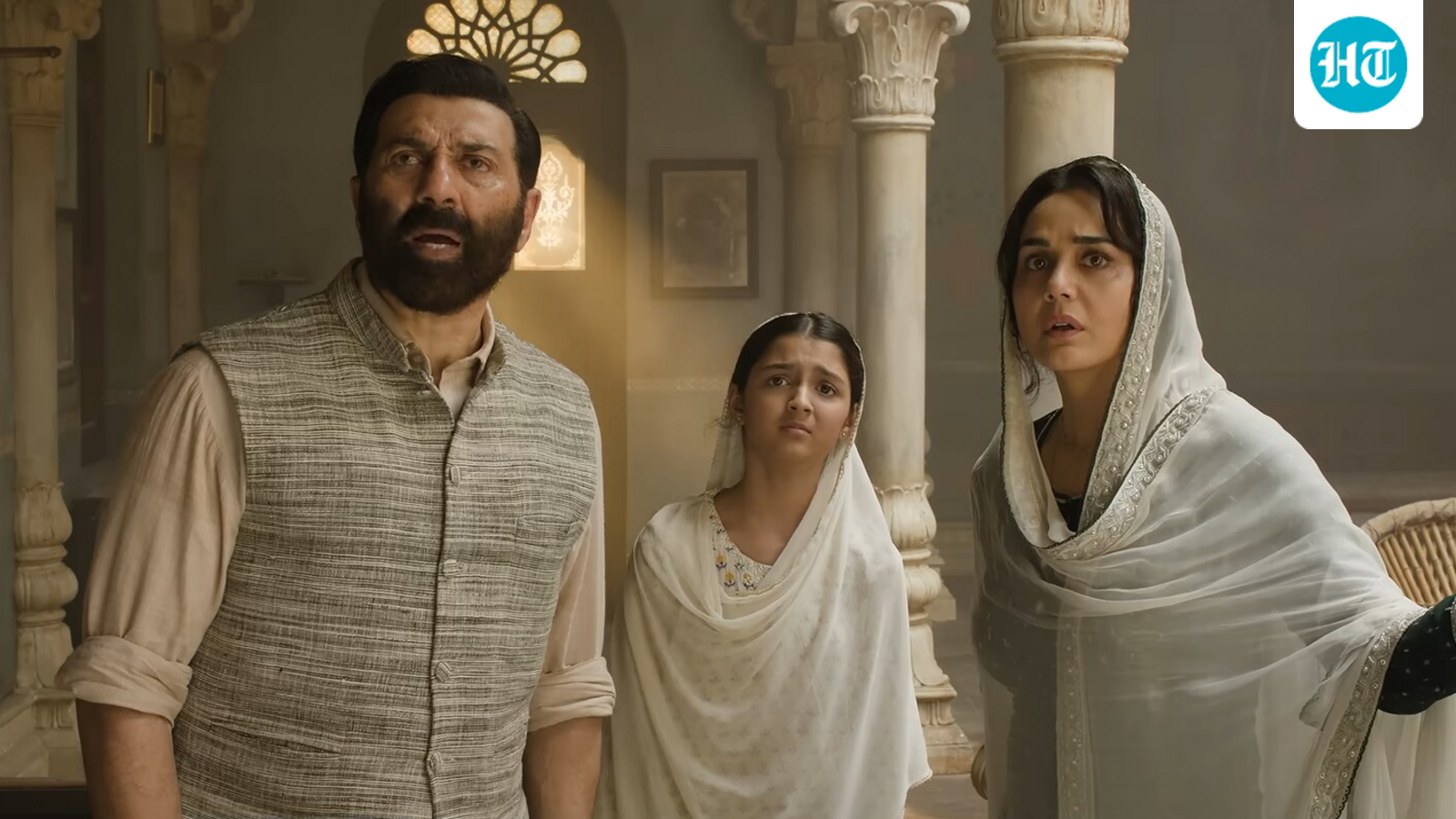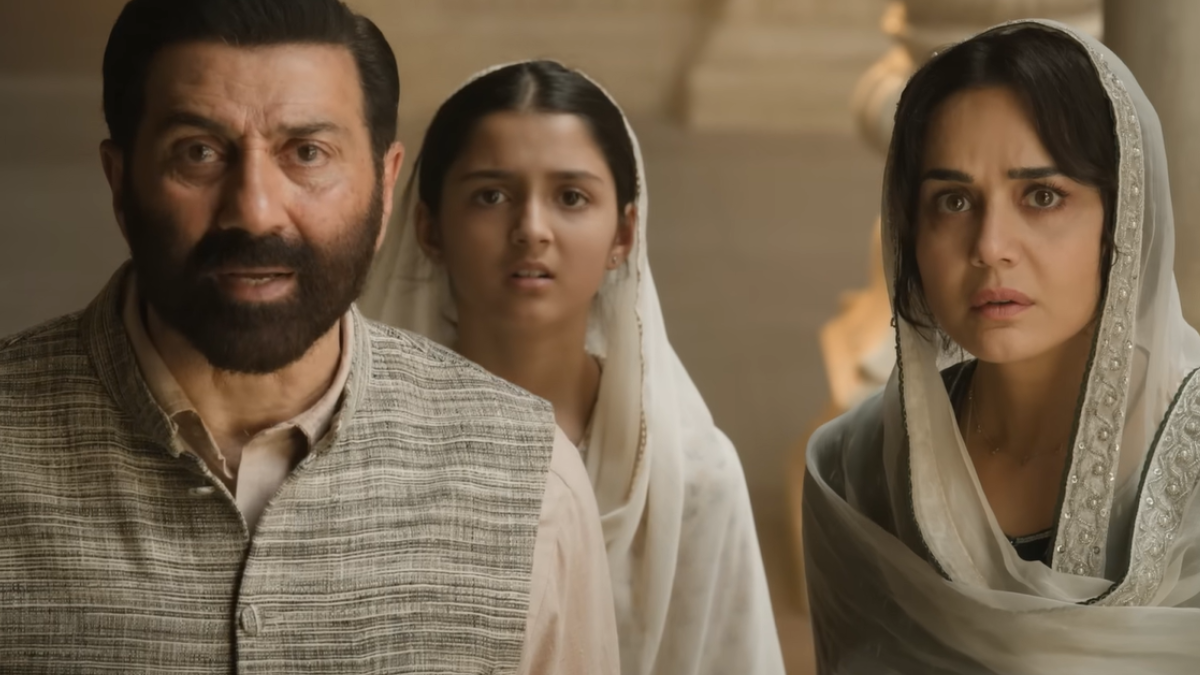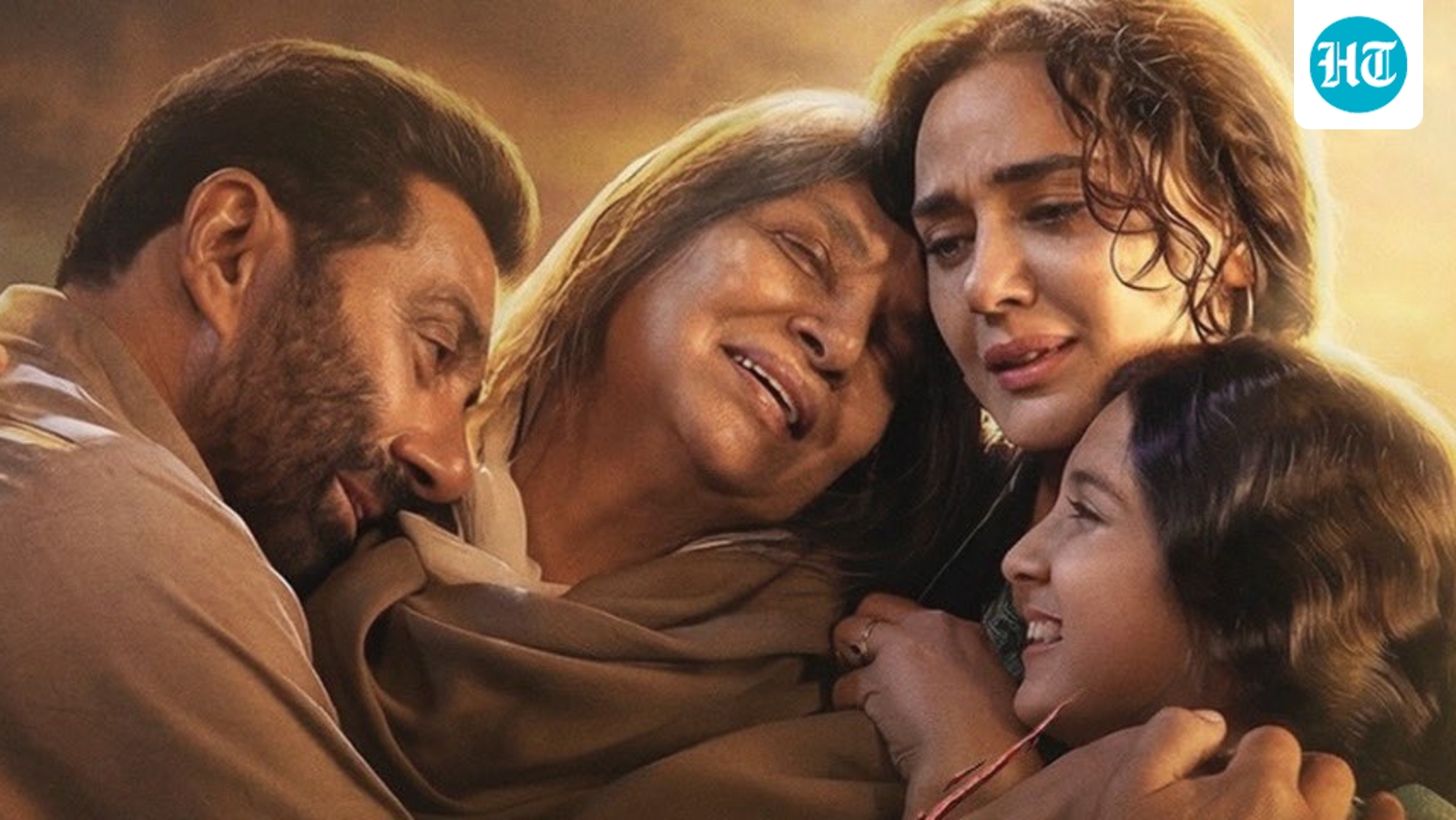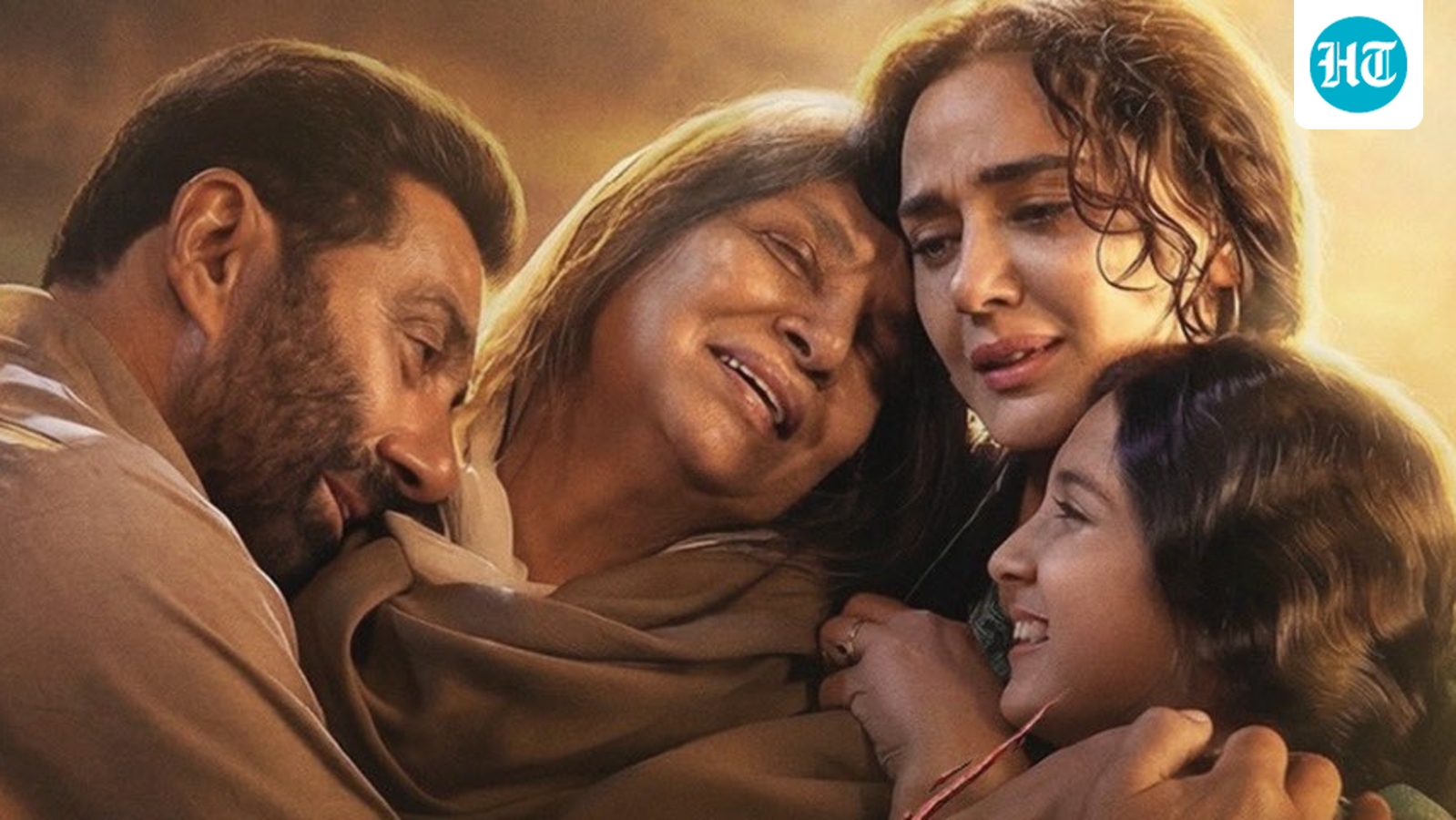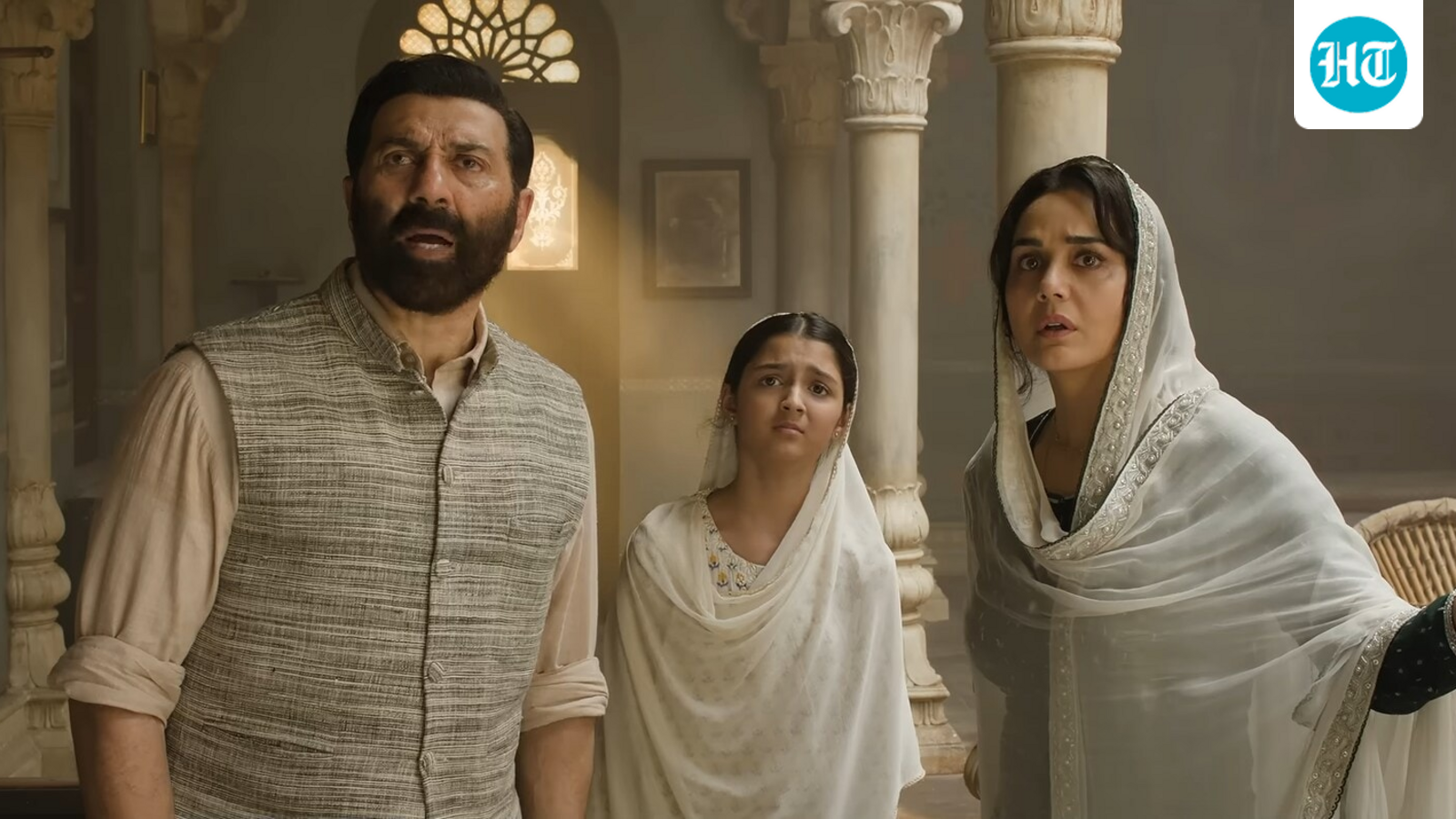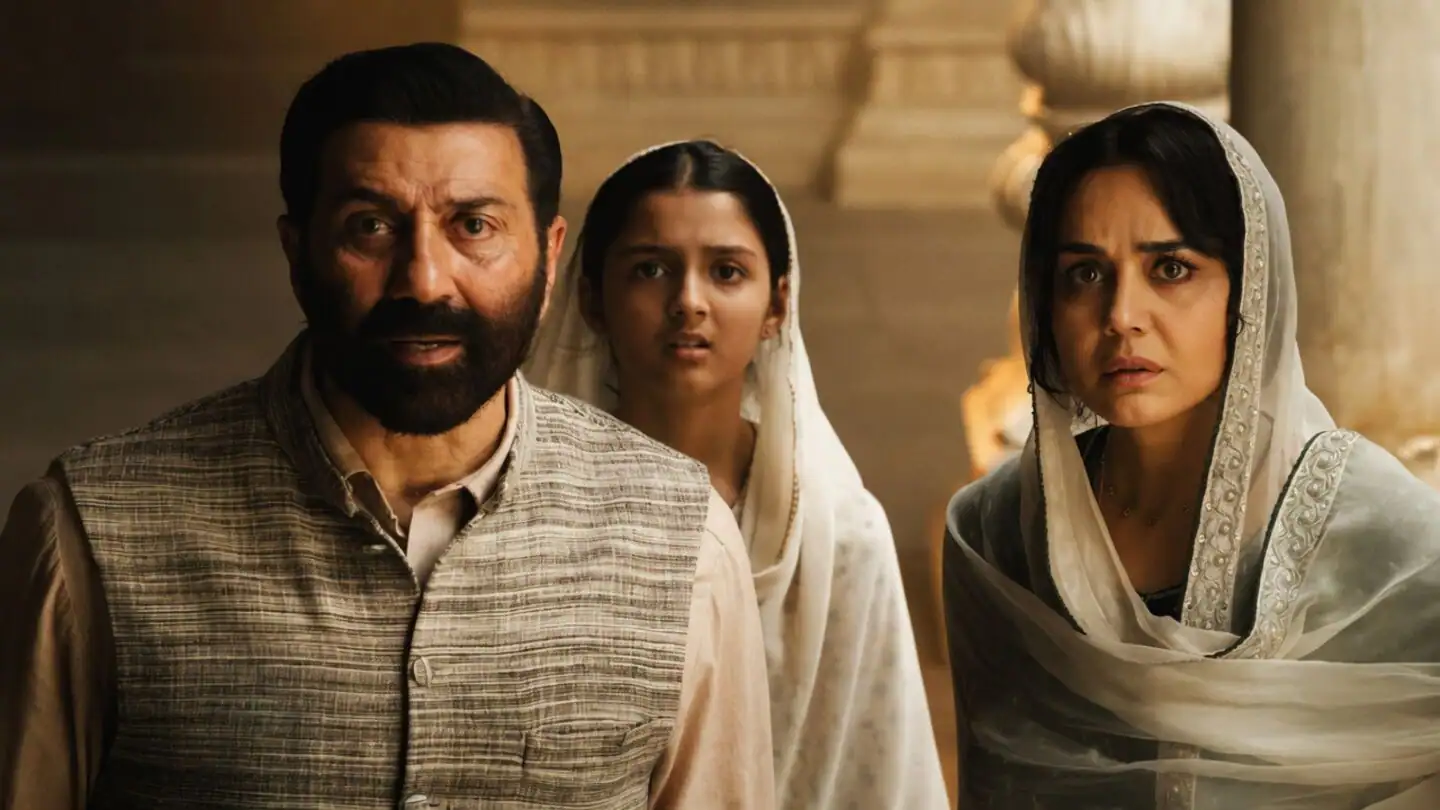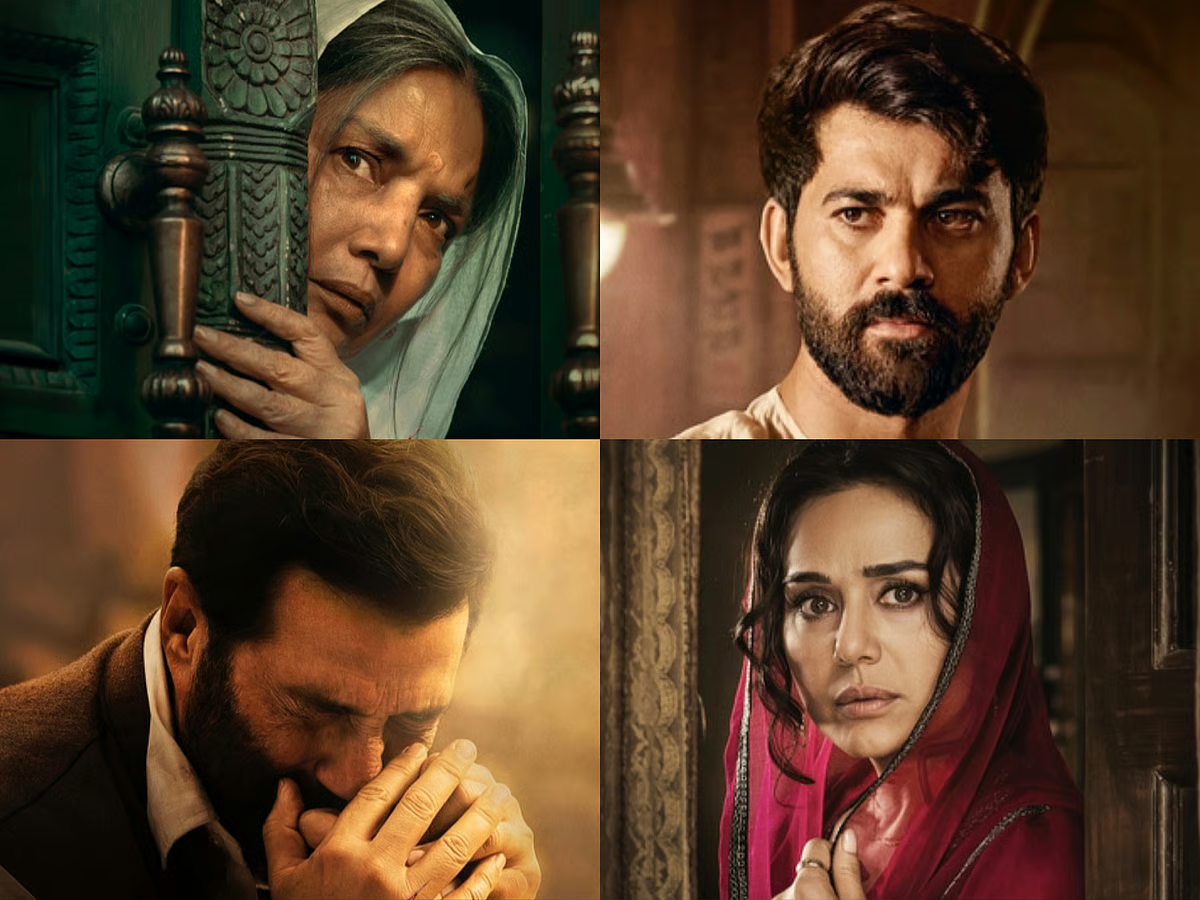
The growing appeal of the genre is perhaps best illustrated by Batwara 1947 itself.At the time of our conversation, Deol was preparing for the film's release in India while awaiting censor clearance in the UAE. Produced by Aamir Khan Productions, the historical drama reunites Deol with filmmaker Rajkumar Santoshi, the director behind some of the defining films of his career.The Zoom video interview itself came with an unexpected bonus. I had logged on expecting to speak with Sunny alone. Instead, director Santoshi joined the conversation, turning what began as a promotional interview into an engaging discussion about patriotism, justice, humanity and why audiences continue to embrace stories about the nation.Santoshi believes Deol's connection with patriotic cinema has never been manufactured."By nature, Sunny is a nationalist," he says. "He is very much concerned for the country and the countrymen. Whenever there is a patriotic dialogue or a moment where somebody talks or fights for the nation, it comes very naturally to him. It doesn't look like he's acting. He believes in that."Coming from the filmmaker who directed Deol in Ghayal, Damini and Ghatak, it is an assessment that carries weight.Yet Santoshi is equally quick to challenge the notion that their films were ever defined by patriotism alone."Ghayal had nothing to do with patriotism," he says. "Damini was about justice. It was about the suffering of ordinary people trying to get justice. Ghatak was about fighting the negative elements of society. Sunny represents the common man's feelings, pain and anger." That may also explain why patriotic cinema continues to attract some of Bollywood's biggest names. Akshay Kumar has repeatedly explored stories inspired by India's armed forces, scientists and unsung heroes. Salman Khan has reflected the nation's journey through films such as Bharat. Aamir Khan, whose productions have often gravitated towards socially relevant storytelling, has now backed Batwara 1947. The genre has evolved beyond military dramas into a broad canvas that accommodates historical epics, courtroom dramas, biographical films and stories inspired by real events.For Santoshi, however, labels have never mattered as much as honesty."As a filmmaker, I try to be honest with the subject I pick up and choose."That creative philosophy has arguably kept his films relevant across generations. While the settings have changed, the emotional questions they ask have remained remarkably consistent. What does justice look like? What is courage? What are we willing to sacrifice for those we love? Those questions resonate whether the backdrop is a courtroom, a village, a battlefield or a nation in transition.As our conversation draws to a close, I ask both Deol and Santoshi what Independence means to them today.For Santoshi, the answer lies in freedom of expression and collective responsibility."Independence means you can express your thoughts, your ideas freely without any fear," he says. "Together, sharing the ideas with every Indian... to work on the development of the country."Deol pauses before answering."Thousands and thousands of people gave their lives to get us this independence," he says. "Now when I see the way society is developing, it's a question everyone should ask. Do we deserve it? Are we doing something for which those people sacrificed? Are we worth it?"It is a striking way to end a conversation that began with a film and gradually expanded into something much larger.Patriotic cinema may have become one of Bollywood's most enduring and commercially successful genres, but its finest stories have always asked audiences to look inward as much as outward. Perhaps that is why these films continue to resonate long after the Independence Day celebrations are over. In an industry constantly searching for the next big trend, patriotic cinema has quietly established itself as a storytelling tradition because it continues to ask timeless questions about identity, justice, humanity and the responsibilities that come with freedom.And maybe no question captures that better than the one Sunny Deol leaves hanging in the air as our interview comes to an end."Do we deserve it?"Manjusha Radhakrishnan has been slaying entertainment news and celebrity interviews in Dubai for 18 years—and she’s just getting started. As Entertainment Editor, she covers Bollywood movie reviews, Hollywood scoops, Pakistani dramas, and world cinema.
Sunny Deol asks ‘Do we deserve our independence?’ as Batwara 1947 hits UAE cinemas
Batwara 1947 and Sunny Deol explore how patriotic Bollywood films evolved from Independence Day releases into year-round stories of justice and humanity.
840 words~4 min read