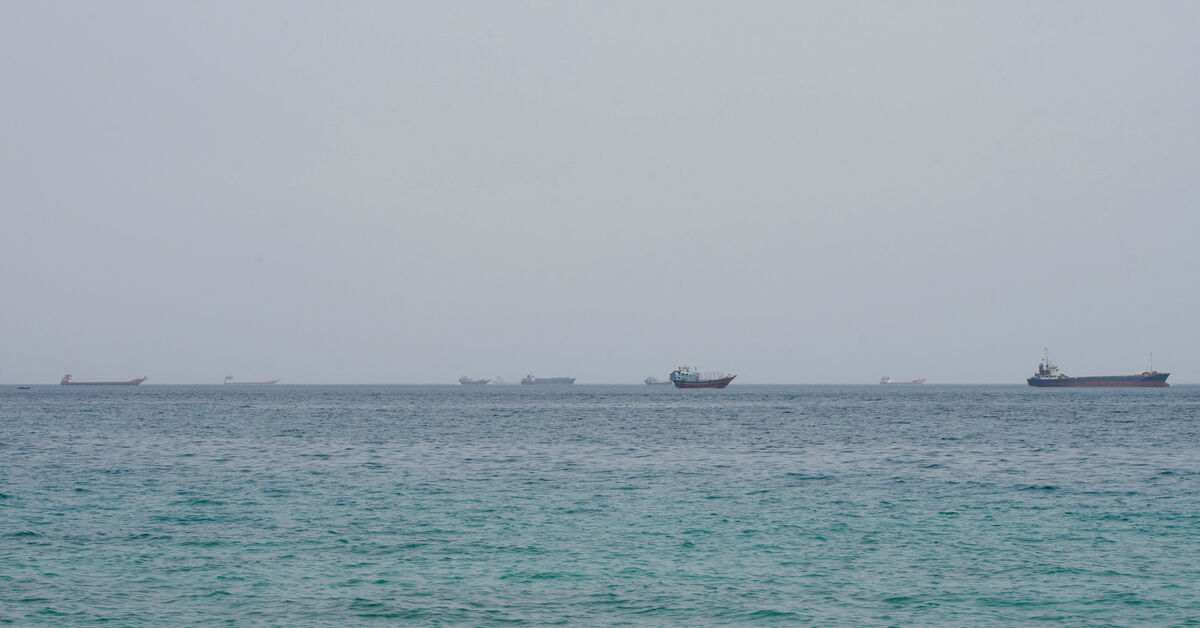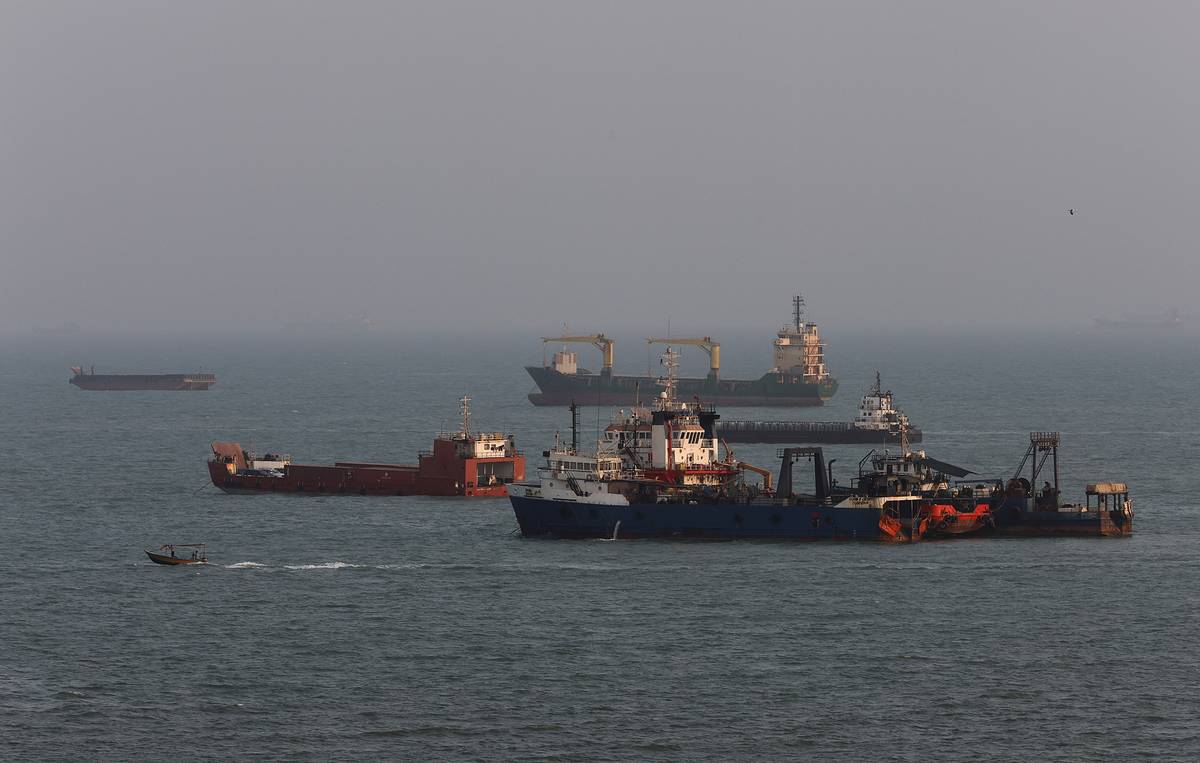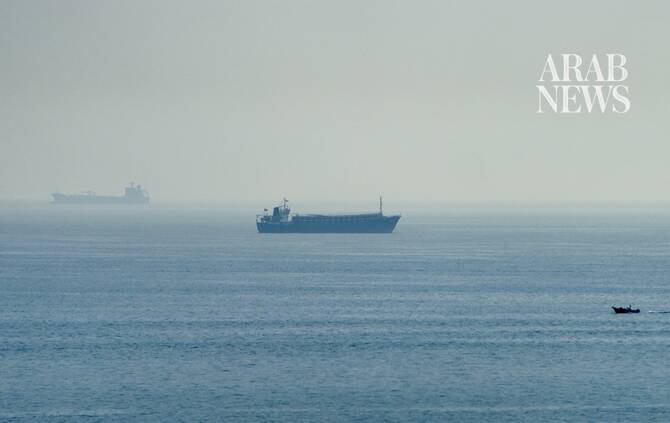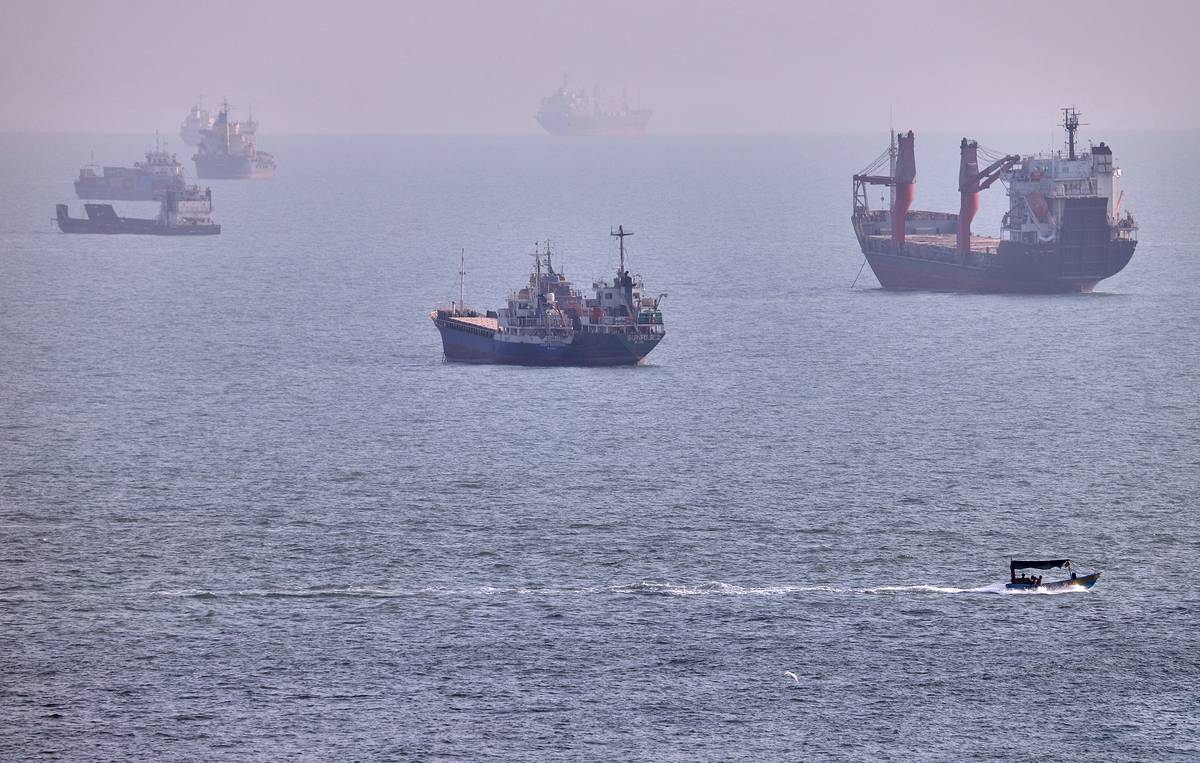
Second ADNOC vessel hit in Hormuz as regional alarm over shipping growsLast updated: August 15, 2026 | 09:533 MIN READADNOC says situation contained, urges reliance on official informationThe back-to-back incidents highlight the escalating risks facing commercial shipping through the strategic chokepoint.Get updated faster and for FREE: Download the Gulf News app now - simply click here.Two vessels attacked a day earlierThe latest incident follows an attack on two ADNOC-affiliated vessels on Thursday evening, August 13, also while transiting the strait. ADNOC did not disclose details of how the vessels were attacked but confirmed no injuries occurred and that the situation was contained.The back-to-back incidents come amid heightened tensions around the Strait of Hormuz, where commercial shipping continues to face significant security risks.What ADNOC saidADNOC said it remains committed to the safety and wellbeing of seafarers, and reaffirmed its support for freedom of navigation and maritime security in the region. The company urged the public to rely on official sources for information and to avoid circulating rumours or unverified reports.Earlier this month, ADNOC disclosed that 15 of its vessels had been targeted by missiles and drones since the conflict began, with three vessels attacked in a single week — an incident that killed one crew member and injured 20 others.UAE condemns attacksThe UAE strongly condemned what it described as attacks on ADNOC-affiliated vessels, warning that targeting commercial shipping threatens regional stability and global energy security.The Ministry of Foreign Affairs said attacks on commercial vessels and attempts to obstruct international maritime routes violate UN Security Council Resolution 2817. It also stressed the importance of freedom of navigation and maritime security.Regional condemnationSaudi Arabia, Kuwait, Qatar, Jordan and Egypt also condemned the attacks, while the Arab League denounced the targeting of the UAE vessels.The countries called for the protection of commercial shipping and freedom of navigation amid rising tensions around the Strait of Hormuz.UKMTO reports tanker drone attackThe United Kingdom Maritime Trade Operations (UKMTO) said it had received a report of a tanker being struck by a uncrewed aerial vehicle (UAV) while travelling out of the Strait of Hormuz.The vessel sustained minor damage, while its crew were reported safe and accounted for. No environmental impact was reported.UKMTO advised vessels to transit the area with caution and report suspicious activity.Hormuz traffic remains severely disruptedShipping through the Strait of Hormuz remains far below pre-conflict levels. UKMTO said 151 vessels entered or exited the waterway in the past seven days, equivalent to just 17% of the pre-conflict average.The agency has recorded 56 reports of vessel damage in the Strait of Hormuz and nearby waters since the US-Iran war began on February 28. The latest incidents may not yet be included in that total.The Southern Omani route remains the highest-risk alternative corridor, accounting for 16 of 18 projectile strike incidents reported by UKMTO since July 6.US blockade remains in placeThe US naval blockade of Iranian ports remains in effect. US Central Command (CENTCOM) said that, as of August 14, its forces had redirected 62 commercial vessels, disabled three and boarded two while enforcing the blockade against Iran.Meanwhile, US President Donald Trump has said he plans to declare the Strait of Hormuz US territory after defeating Iran. Tehran has rejected the claim, with Iran's deputy foreign minister saying the strait cannot be seized through a tweet or an aircraft carrier.With commercial traffic still at a fraction of normal levels and further attacks reported, the security of the Strait of Hormuz remains a major concern for UAE shipping, energy markets and regional stability.Also In This PackageRelated Topics:Get Updates on Topics You ChooseUp Next
UAE’s ADNOC vessel attacked again in Strait of Hormuz: All you need to know so far
ADNOC vessel attacked again in the Strait of Hormuz, raising fresh fears over shipping safety, energy security and regional stability. Here’s what we know so far.
593 words~3 min read