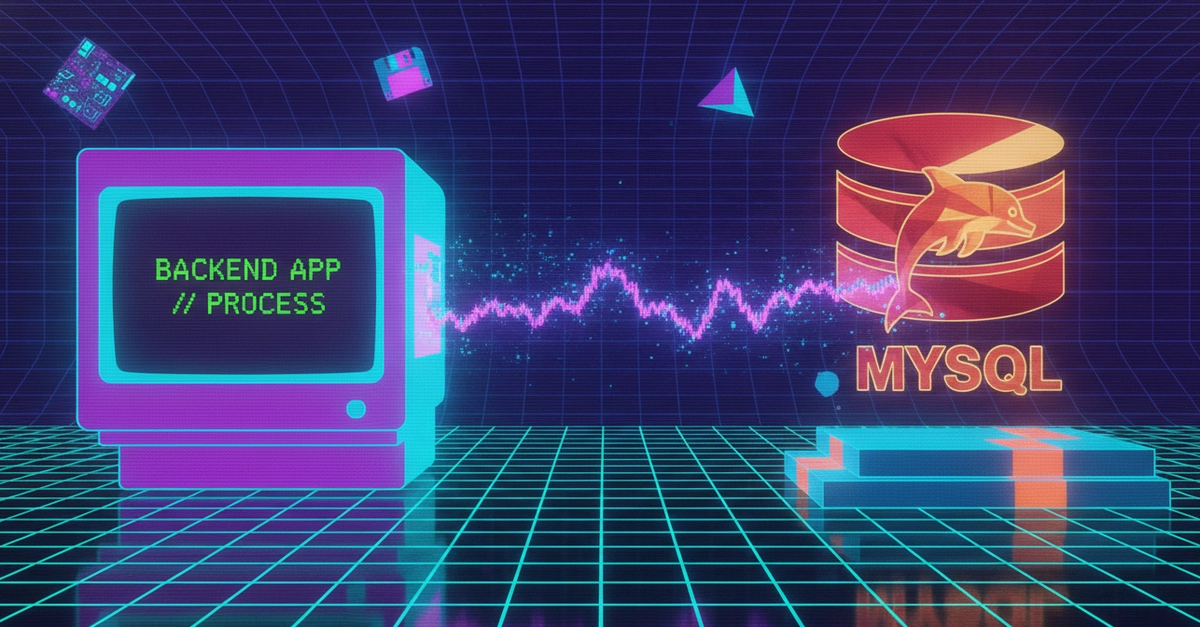
If you have ever built an application that talks to a database, you have used a database connection. A database is simply a structured storage system for digital information, and a connection is the secure, active pipeline established between your application's code and that database.
However, constantly opening and closing these connections for every single user request is incredibly slow and resource-heavy. To solve this, developers use a technique called connection pooling. Connection pooling is a performance optimization method where a group (or "pool") of database connections is kept open and idle, waiting to be reused by whoever needs them, rather than being destroyed and recreated on demand.
The Analogy: The Pizza Delivery Fleet
To understand why connection pooling is so vital, imagine you run a busy, high-volume pizza restaurant. Every time an order comes in, you need to deliver it to a customer.
Imagine if, for every single delivery, you had to hire a brand-new driver, run a background check, sign a legal employment contract, set up their vehicle registration, and purchase a GPS. Once that single delivery was complete, you immediately fired them, canceled their insurance, and sold the car. It sounds absurd, right? The administrative overhead of hiring and firing would take three times longer than the actual delivery, and your restaurant would go bankrupt in a week.