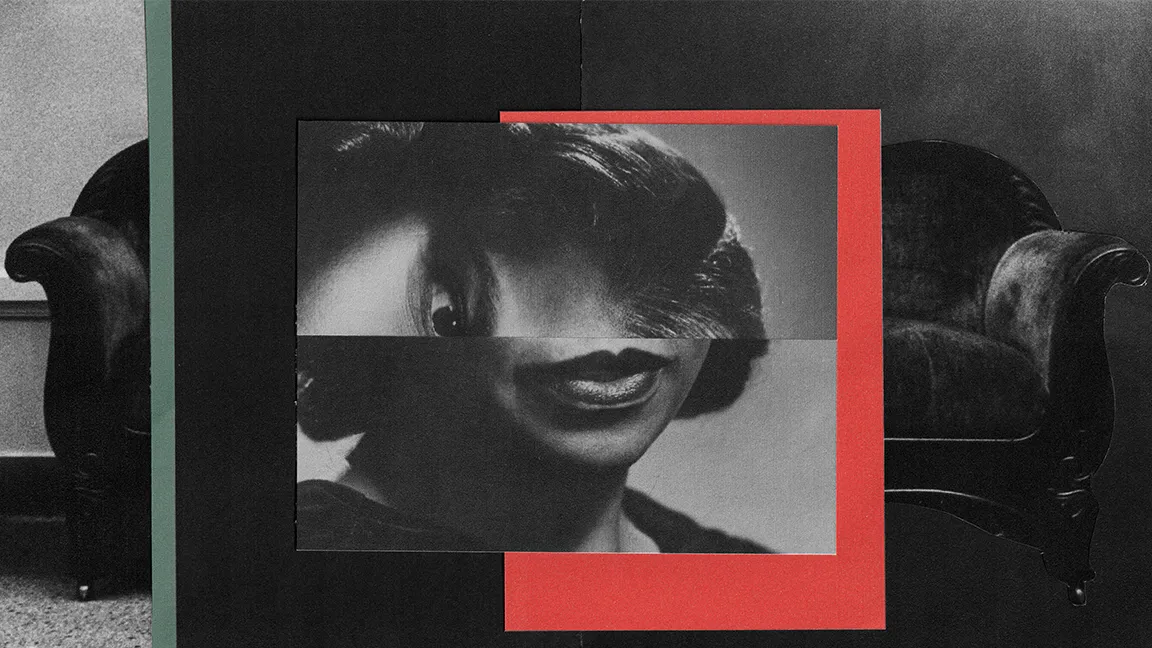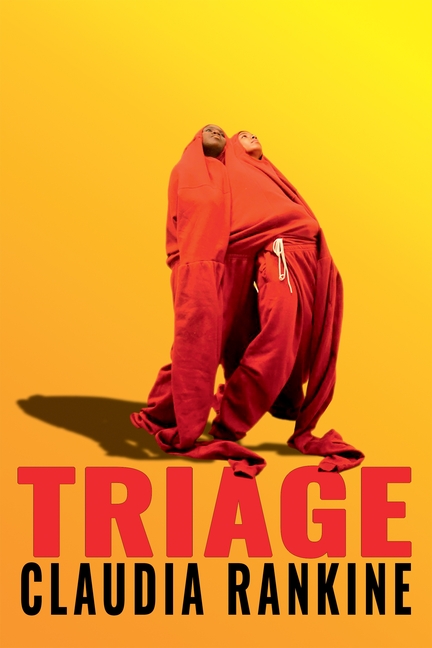
Triage: Truth, Art and Fiction Author: Claudia RankineISBN-13: 9780241828564Publisher: Allen Lane Guideline Price: £22; 208ppSometimes I want to throw myself in front of a speeding car. So states “the theorist” early in Claudia Rankine’s most recent work of hybrid prose and criticism, a meditation on grief and exhaustion in a devastated era. The work expands on Rankine’s American trilogy, which examined the impact of systemic racism and injustice on the American consciousness, to reckon with the wider collapsing world, one beset by genocide, by political, environmental and social destruction. It’s a reckoning that also involves something of a formal shift. Whereas Rankine’s recent work felt akin to a dialogue between author/narrator and reader, this text is structured around the debate between the aforementioned theorist and the unnamed narrator – erstwhile college friends and adopted sisters working out their relationship to what Rankine terms our “double-edged existence”. The reader is thus invited to bear witness to, rather than enter, the intense conversation that underpins this passionate, troubled kinship, a fierce back-and-forth inspired by that of the two sisters in Sophocles’s Antigone. As in that play, the argument remains unresolved. There is only loss, there is only love. What is the difference between surrendering and collapsing? As college students, the theorist and narrator had invented a game of collapse: every time they saw each other, they had to stop and fall to the ground. Now the theorist, prolific and combative in person and on the page, “demanded collision” ... to “drop down and let the world’s vehicles roll over them”. The narrator, meanwhile, needs all their energy to remain vertical. For the theorist, quiet means inaction, surrender. For the narrator, quiet, like collapse, has potential as an active state. “Is it not,” she wonders, “itself a portal to the mystery of an interior life when what’s before us fails in its surgical cut to wound, destroy, injure, divide, and annihilate us?”The couch acts as the book’s metaphor. Rankine has long integrated photographs, paintings and other visuals into her texts; they serve to expand, rather than illustrate. Here, she incorporates images of broken, mutilated or in other ways uncomfortable couches. The couch might once have been a place to land, Rankine writes, but now “repose had lost its softness”. “Everything,” she tells us, “was on a collision course with the hardness of now.” Rachel Andrews is a freelance writer and critic
In Claudia Rankine’s Triage, the reader bears witness to an intense and unresolved debate
The work expands on Rankine’s American trilogy to consider a collapsing world beset by genocide and destruction
398 words~2 min read