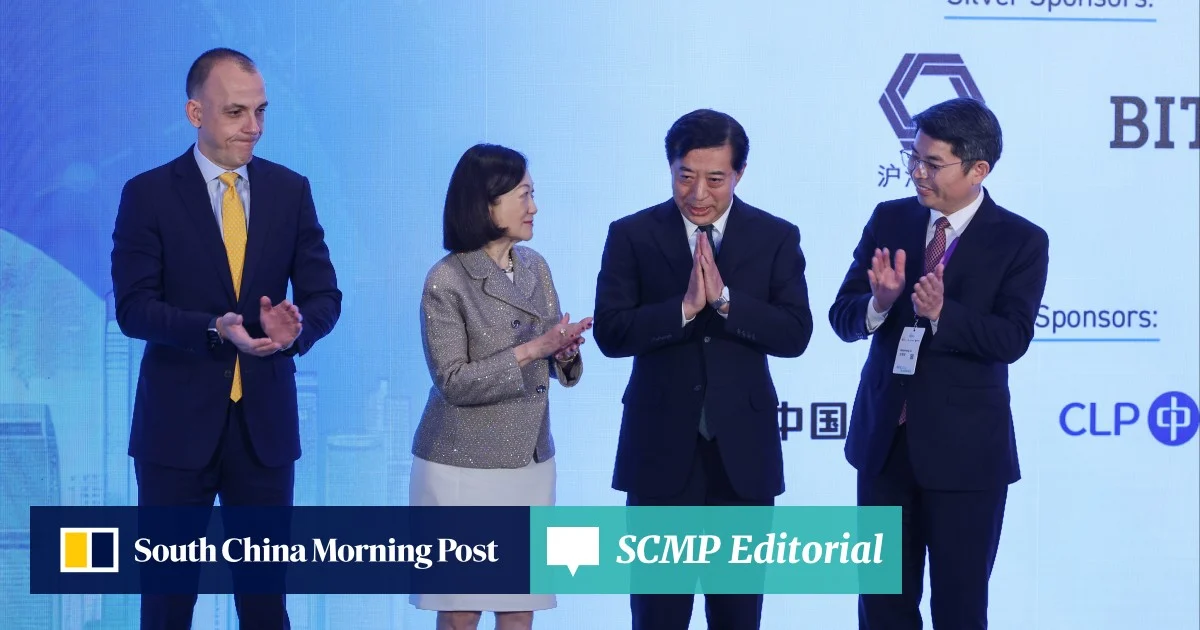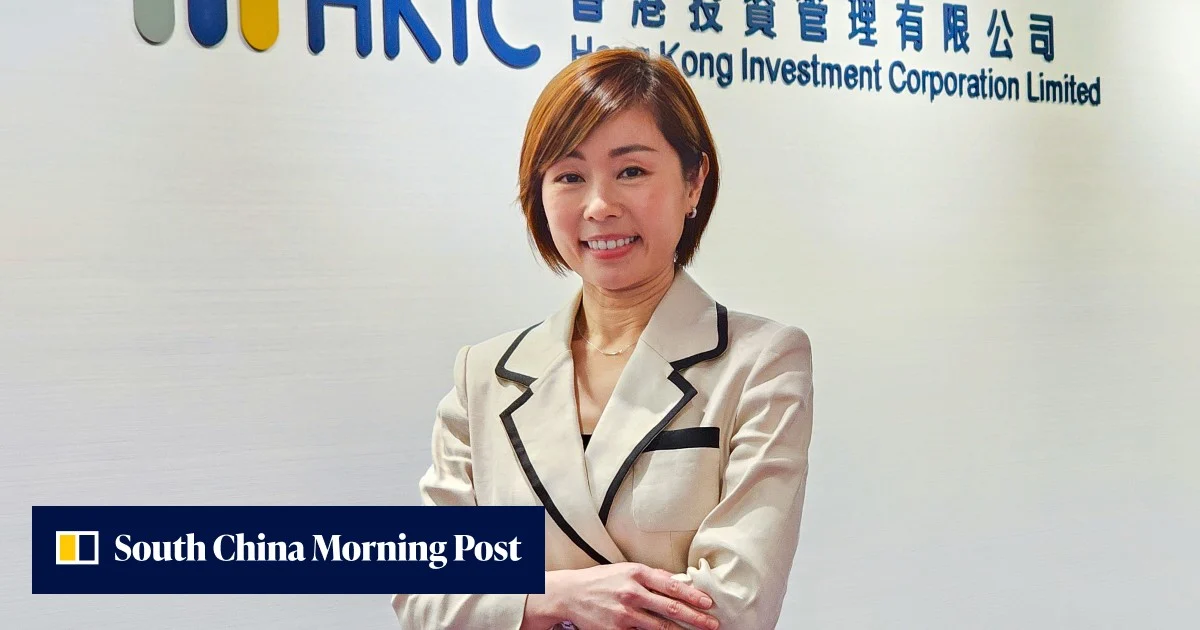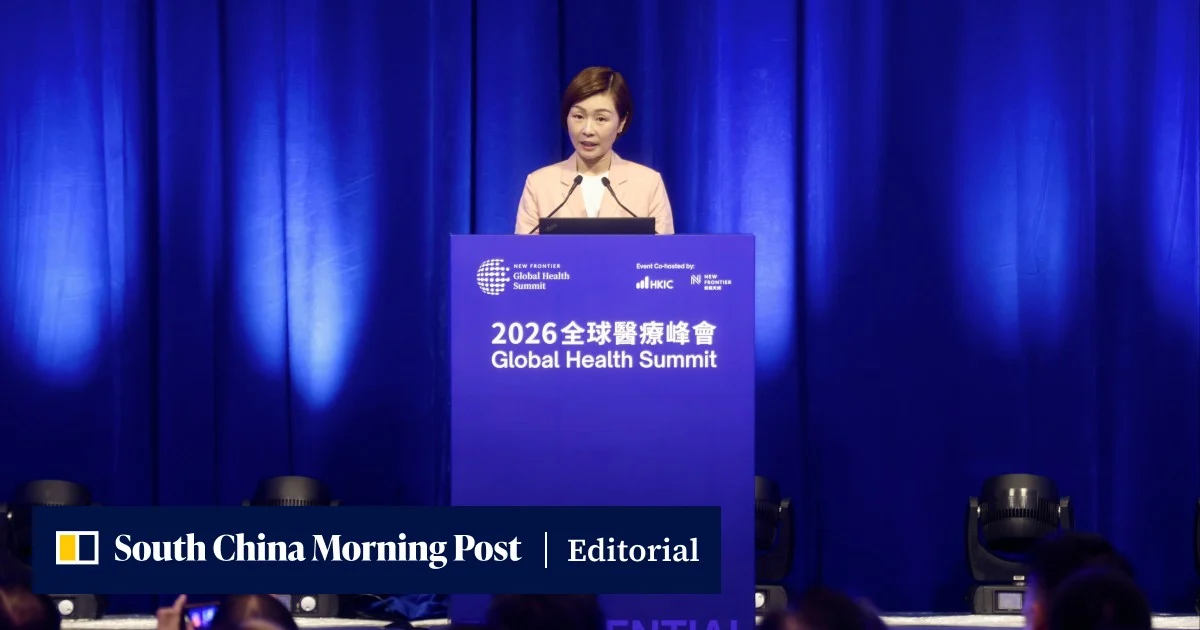
The recent Global Health Summit in Hong Kong, organised by Hong Kong Investment Corporation and New Frontier Group, brought together about 3,000 attendees including more than 150 speakers at over 80 sessions focused on medical and pharmaceutical advances. It also showcased Hong Kong’s unique potential to become an elite international hub for the development of biomedicine, biotech and bioscience research and testing with unrivalled connectivity. Two developments made headlines during the summit.HKIC, which manages about US$8 billion in assets, is stepping up investment in a cluster of biotech companies, positioning the city as a linchpin in Beijing’s push to innovate and rival the United States for dominance in the global pharmaceutical market. It has built a biotech and healthcare technology investment portfolio covering both traditional Chinese and Western drugs to help transform the city into a global biotech hub. Clara Chan Ka-chai, CEO of HKIC, told the summit that the government-owned investment vehicle has a diversified portfolio covering the full healthcare value chain, ranging from prevention to diagnosis and surgery.Meanwhile, according to speakers at the summit, global pharmaceutical giants are doubling down on investing in China’s fast-growing biotech companies given the sector’s huge room for valuation growth.Hong Kong’s ambition in this area is rooted in strategic economic foresight. It aligns with the national five-year plan and is reflected in the city’s own planned five-year blueprint. Furthermore, it integrates with Hong Kong’s Northern Metropolis mega-development project, along with Chief Executive John Lee Ka-chiu’s recent policy address, and Financial Secretary Paul Chan Mo-po’s budget speech. Biotechnology is now a core engine of Hong Kong’s sustainable economic growth.A theme that resonated throughout the summit was the rapid evolution of cancer treatment. The crux of the issue is affordability of the latest treatments. Groundbreaking cancer drugs often remain very expensive in the West, and in Hong Kong. However, mainland China is taking the lead in developing innovative methods to lower production costs and drug prices. The ultimate goal is to bring the latest life-saving treatment within reach of ordinary people.That said, international recognition remains a significant hurdle for mainland innovators. Traditionally, they have been subject to complex regulatory frameworks in the US or Europe. Hong Kong has undertaken to make the process more accessible by developing an internationally recognised primary evaluation standard for new drugs. By leveraging its unique geopolitical and institutional positioning, Hong Kong aims to establish rigorous international standards that could speed up the clinical use of novel medicines, bridging a gap for Chinese pharmaceuticals.
Editorial | Hong Kong is stepping up its contribution to global healthcare
The Global Health Summit highlighted the city’s potential to become an elite international hub for biomedicine and biotechnology.
413 words~2 min read