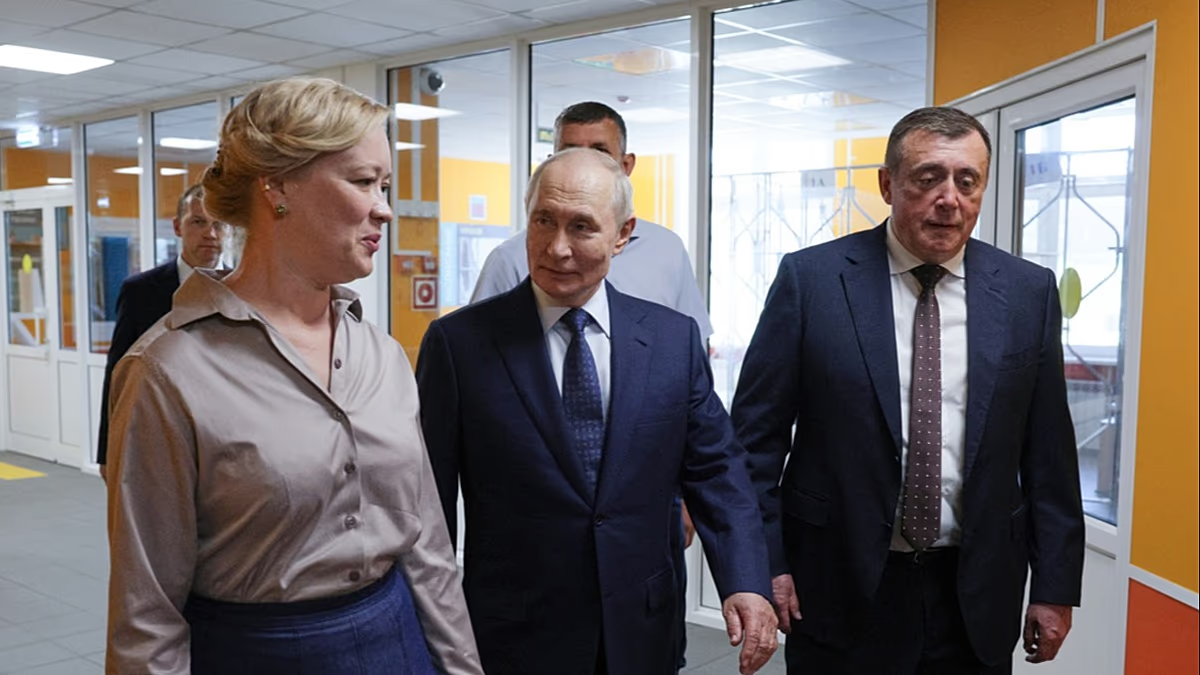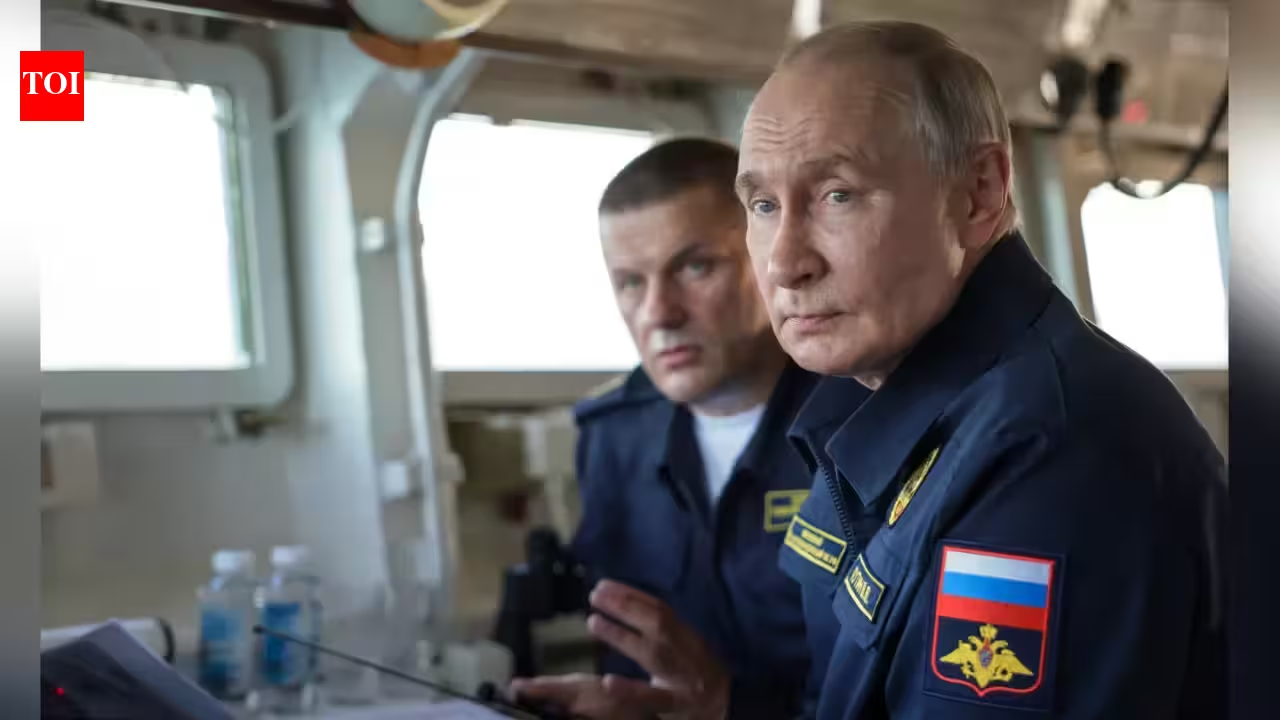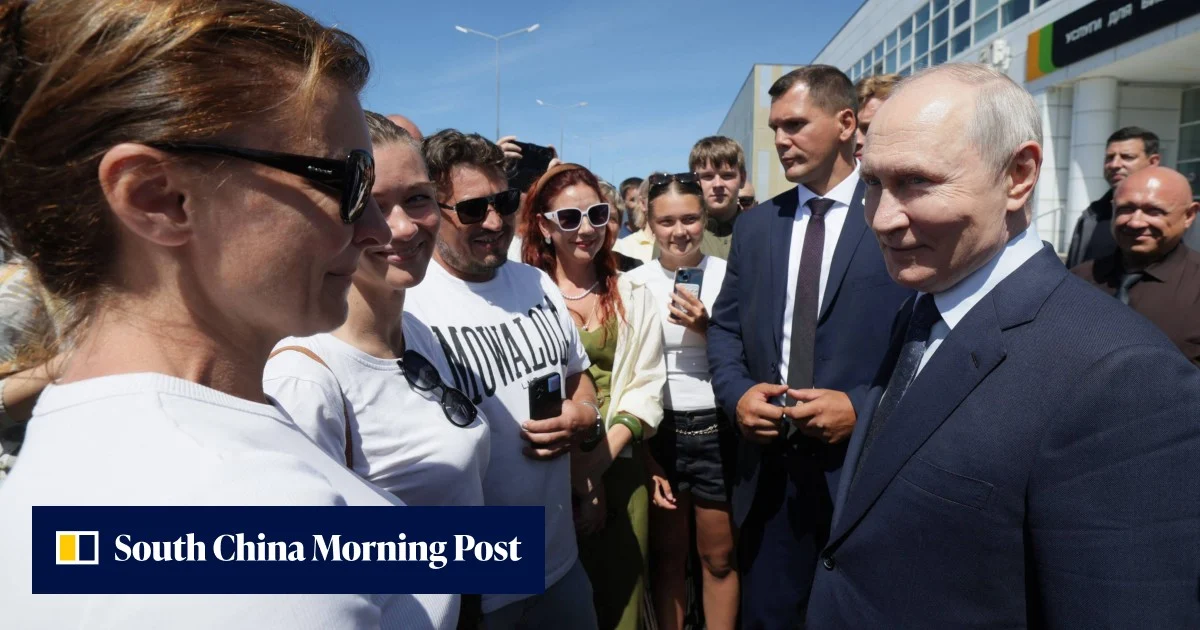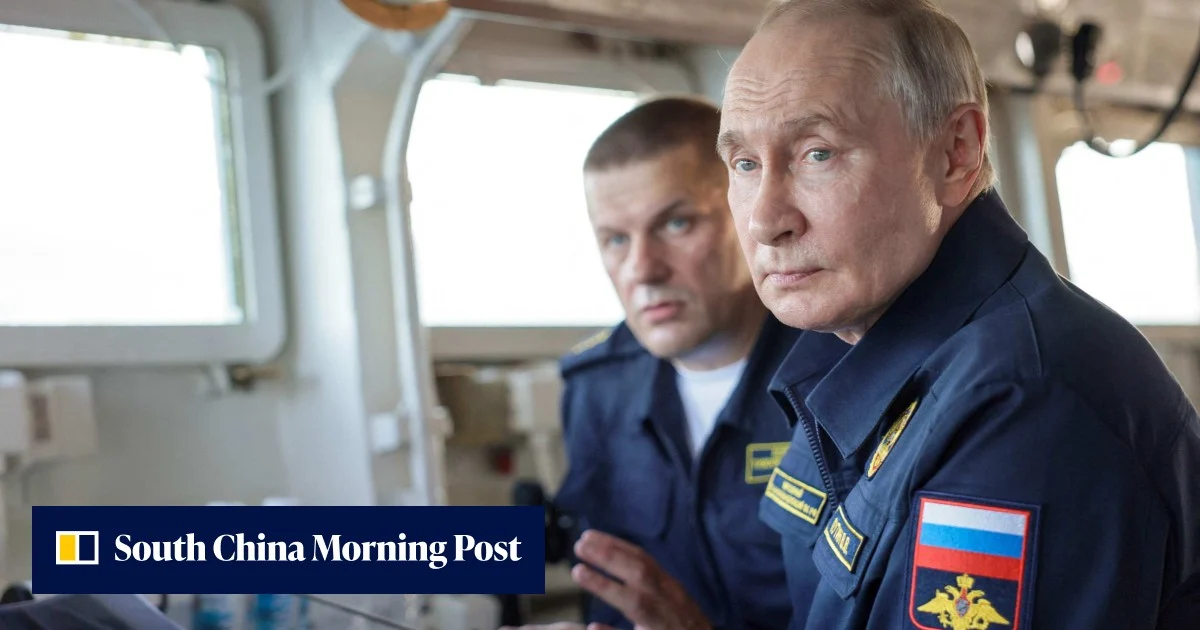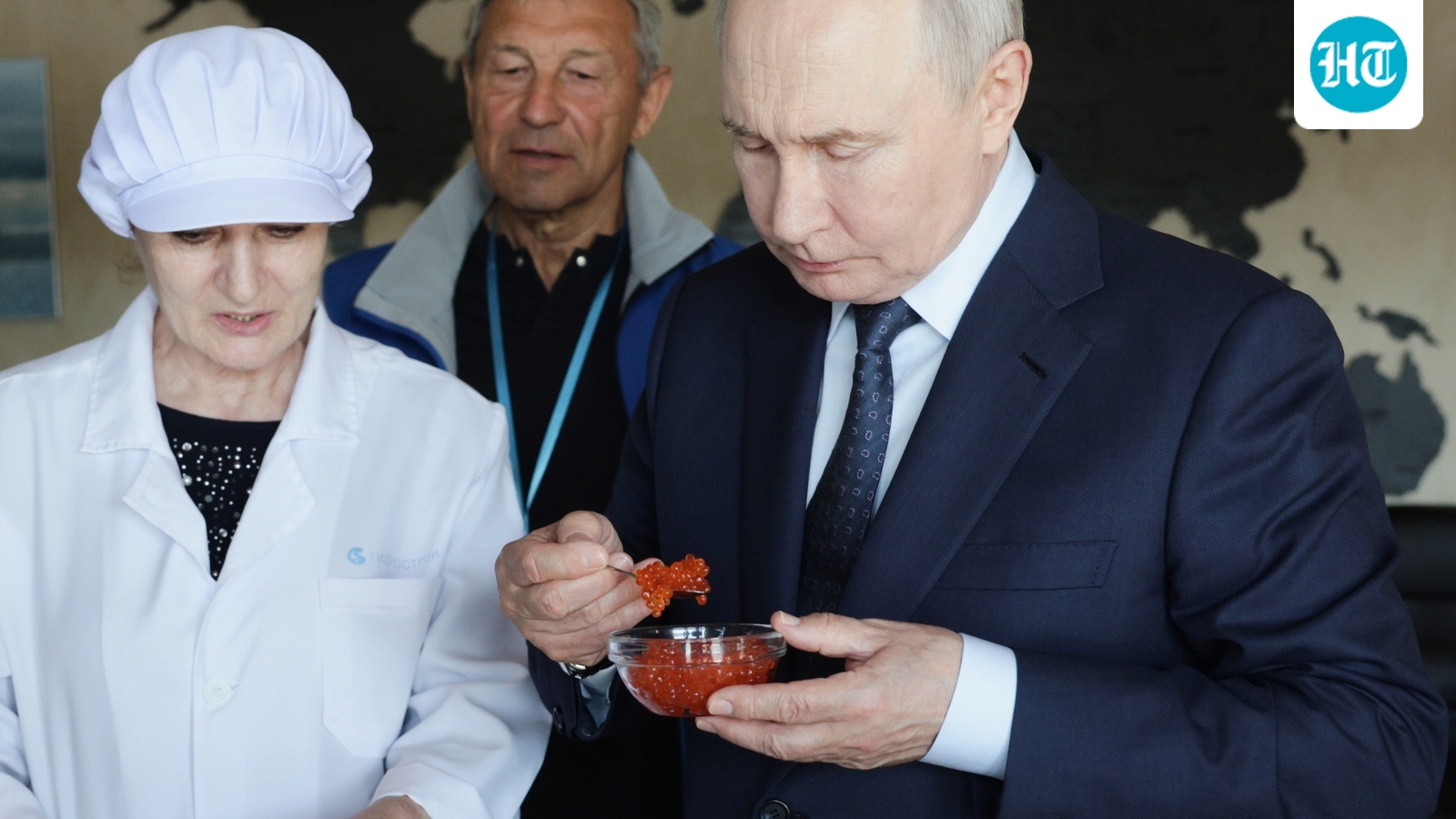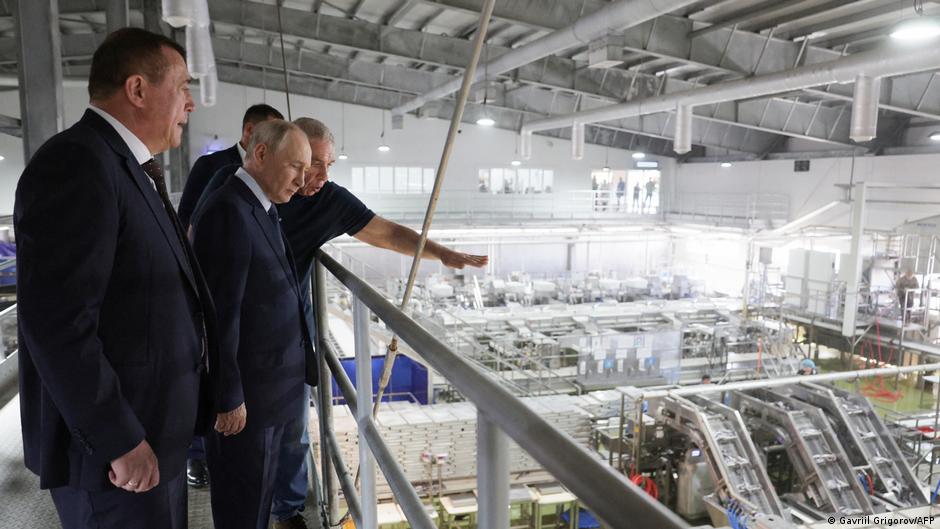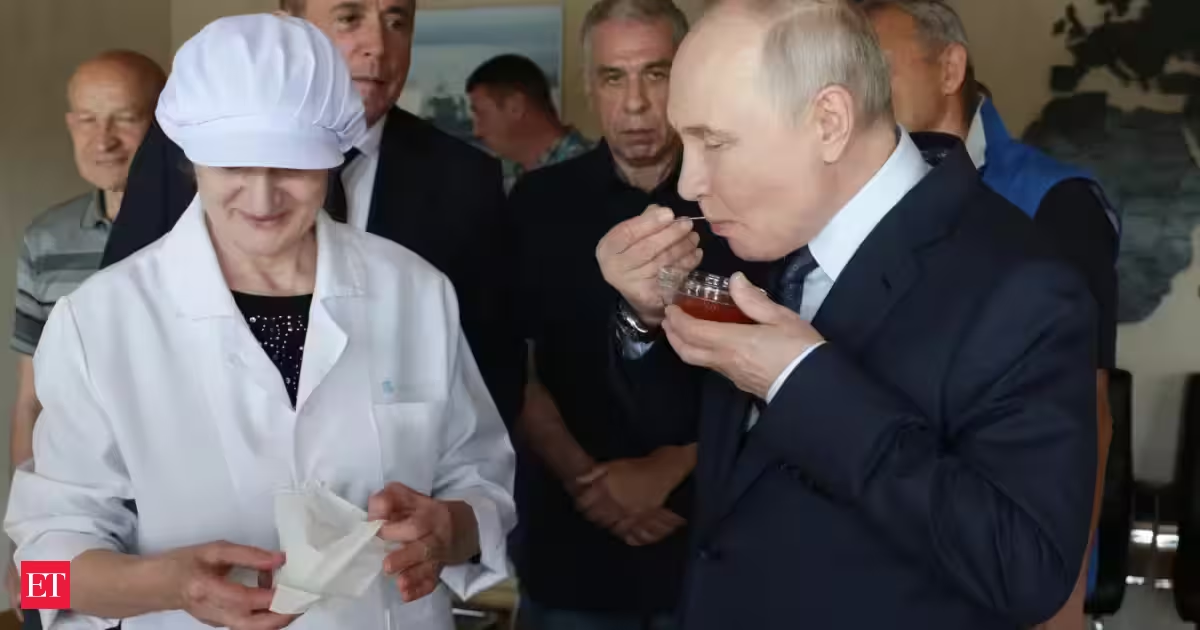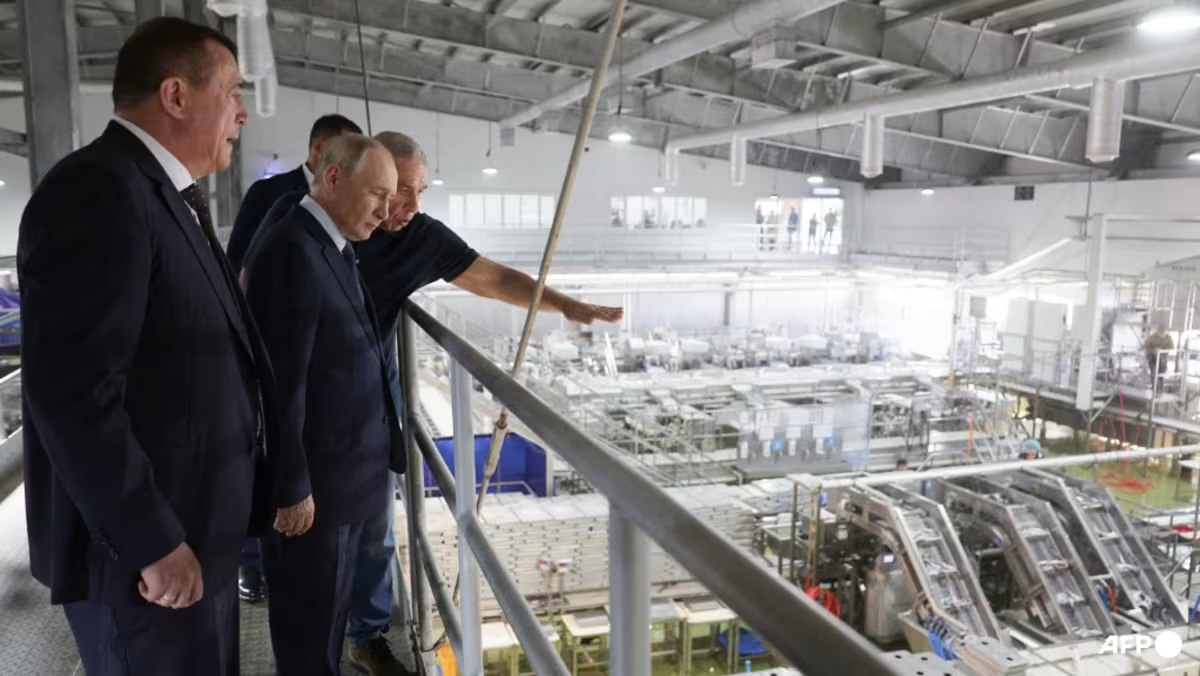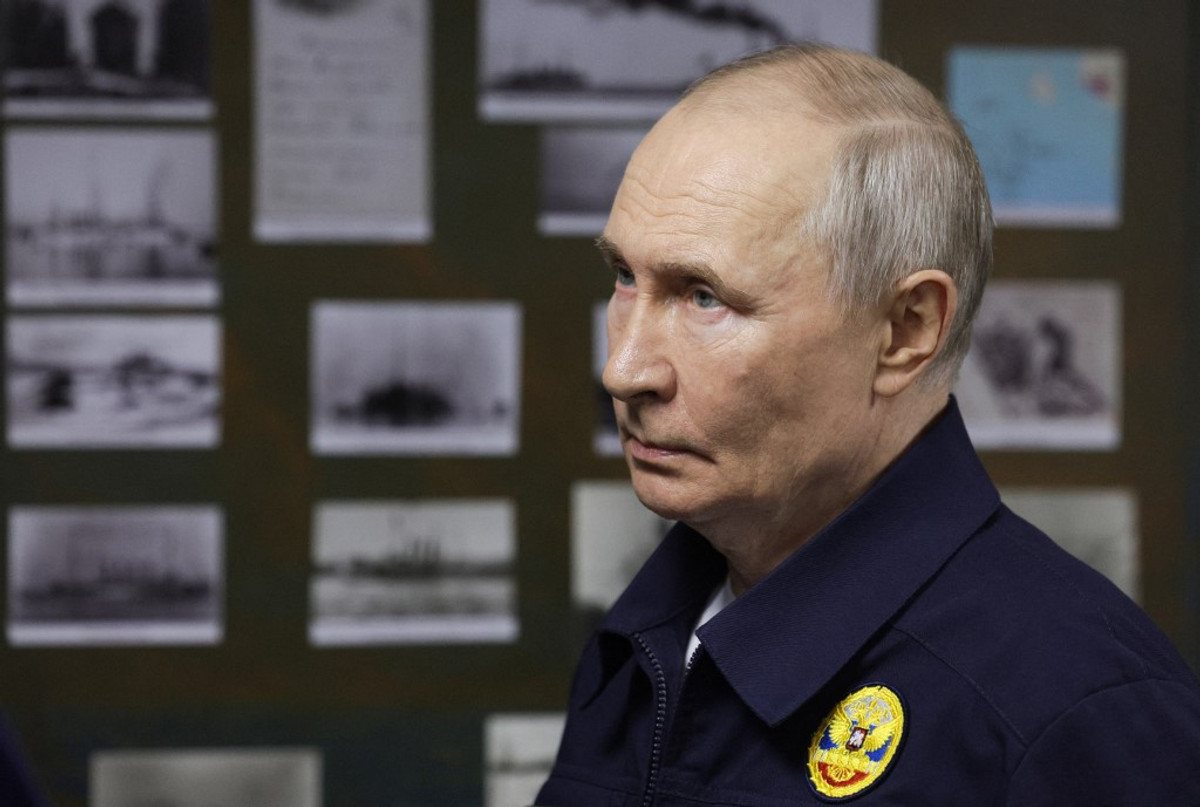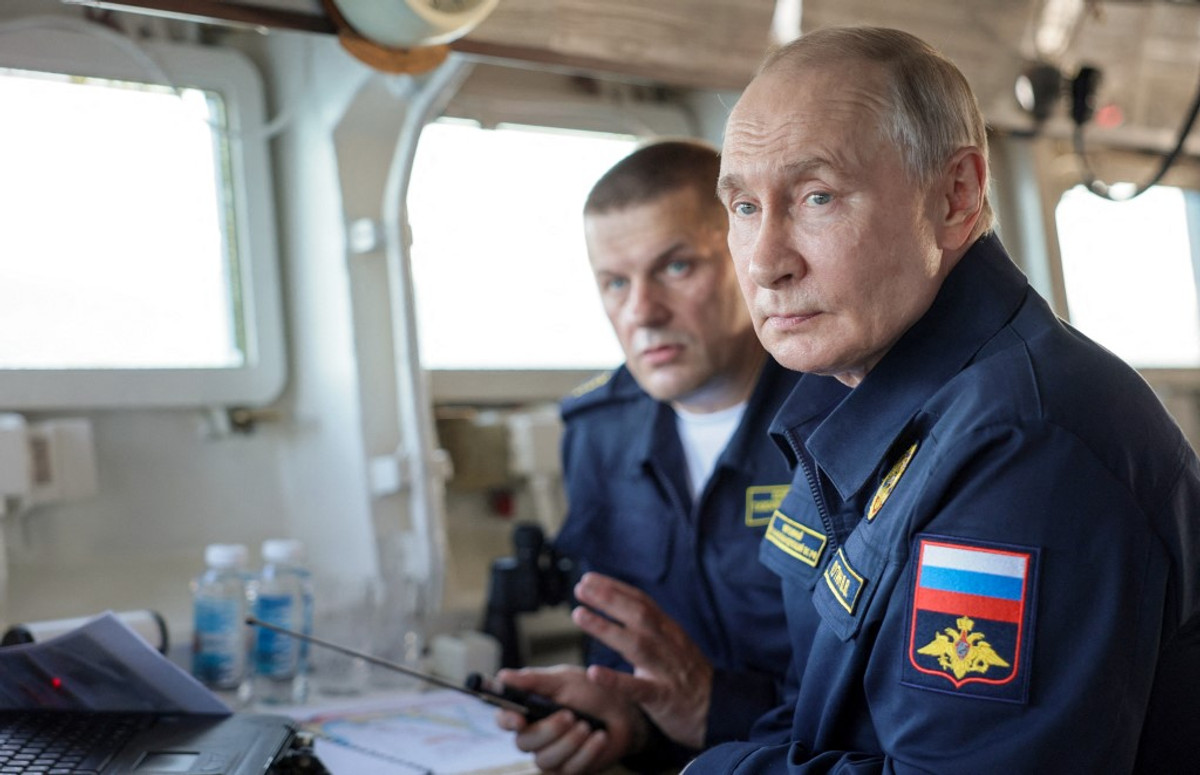
Relations between Moscow and Tokyo have sharply deteriorated since Russia’s full-scale invasion of Ukraine in 2022. Japan joined Western sanctions and became one of Kyiv’s key Asian supporters. Moscow, in turn, suspended peace-treaty talks and programs allowing former Japanese residents to visit the disputed islands Tokyo calls its Northern Territories.JOIN US ON TELEGRAMFollow our coverage of the war on the @Kyivpost_official. Yet Japan had continued trying to preserve limited diplomatic channels. “Even under such circumstances, Japan has made every possible effort,” Prime Minister Sanae Takaichi said after Vladimir Putin visited Etorofu – known in Russia as Iturup – on Aug. 13. She called the trip “absolutely unacceptable,” saying it further damaged Japanese public attitudes toward Russia and made restoring relations more difficult. Foreign Minister Toshimitsu Motegi reinforced that stance by summoning Russian Ambassador Nikolai Nozdrev and lodging a strong protest. Putin’s visit was his first to the disputed Kuril chain in more than 25 years in power. The question is why he went now – and what the visit says about Russia’s increasingly global confrontation with the West. Japan’s new government under Takaichi has embraced a more assertive defense policy, while its 2026 Defense White Paper describes Russia’s military posture, its cooperation with China and North Korea, and the possibility of an Ukraine-style conflict in East Asia as serious security concerns.
Putin’s First Kuril Visit Sends a Message Far Beyond Japan
Putin’s first visit to the disputed Kurils signals Moscow’s widening confrontation with the West and carries implications far beyond Japan.
892 words~4 min read