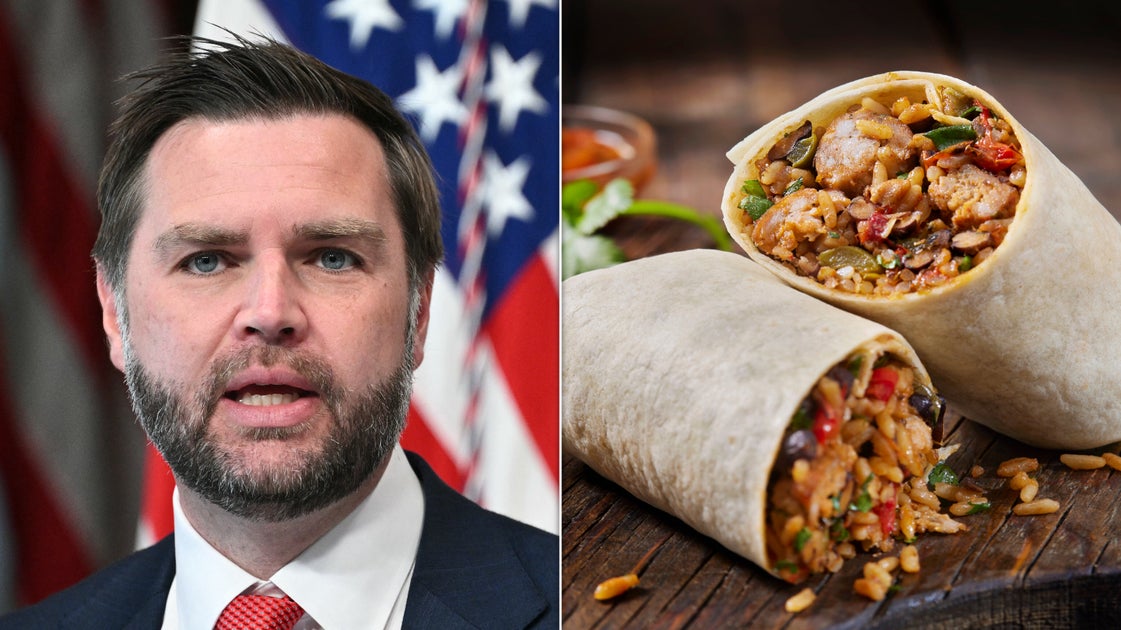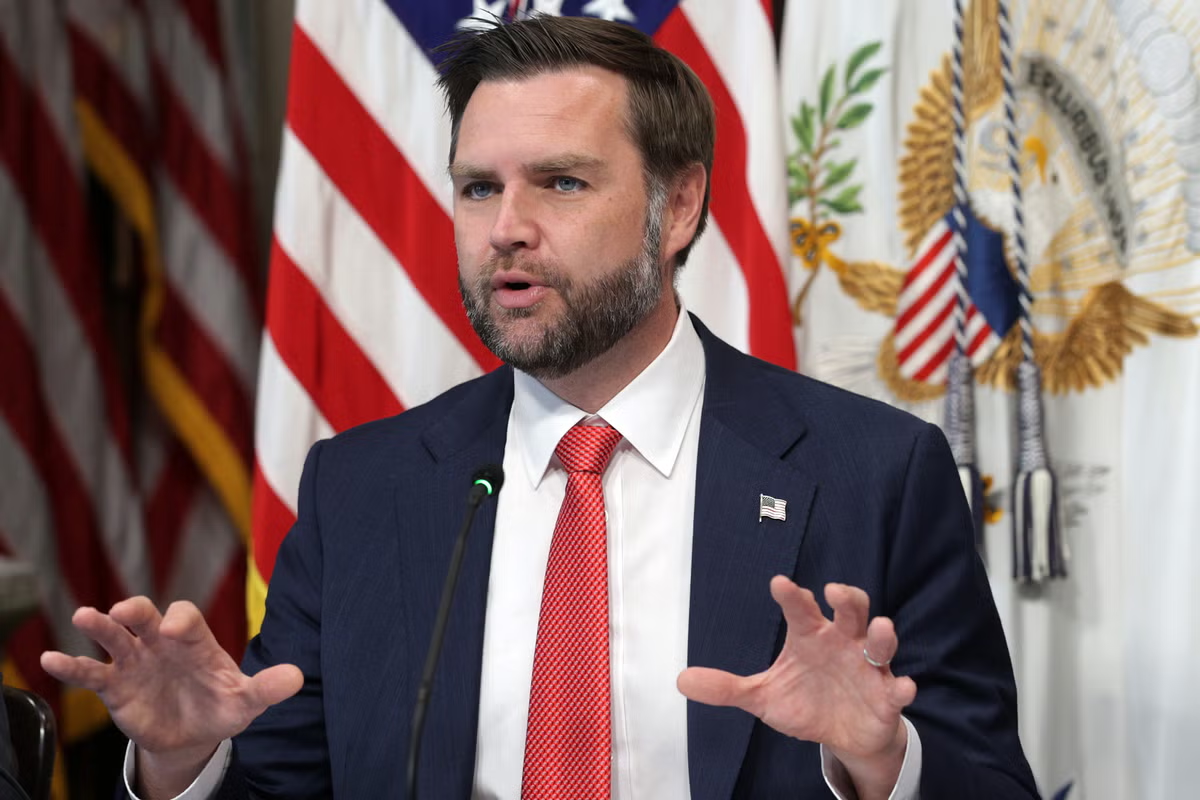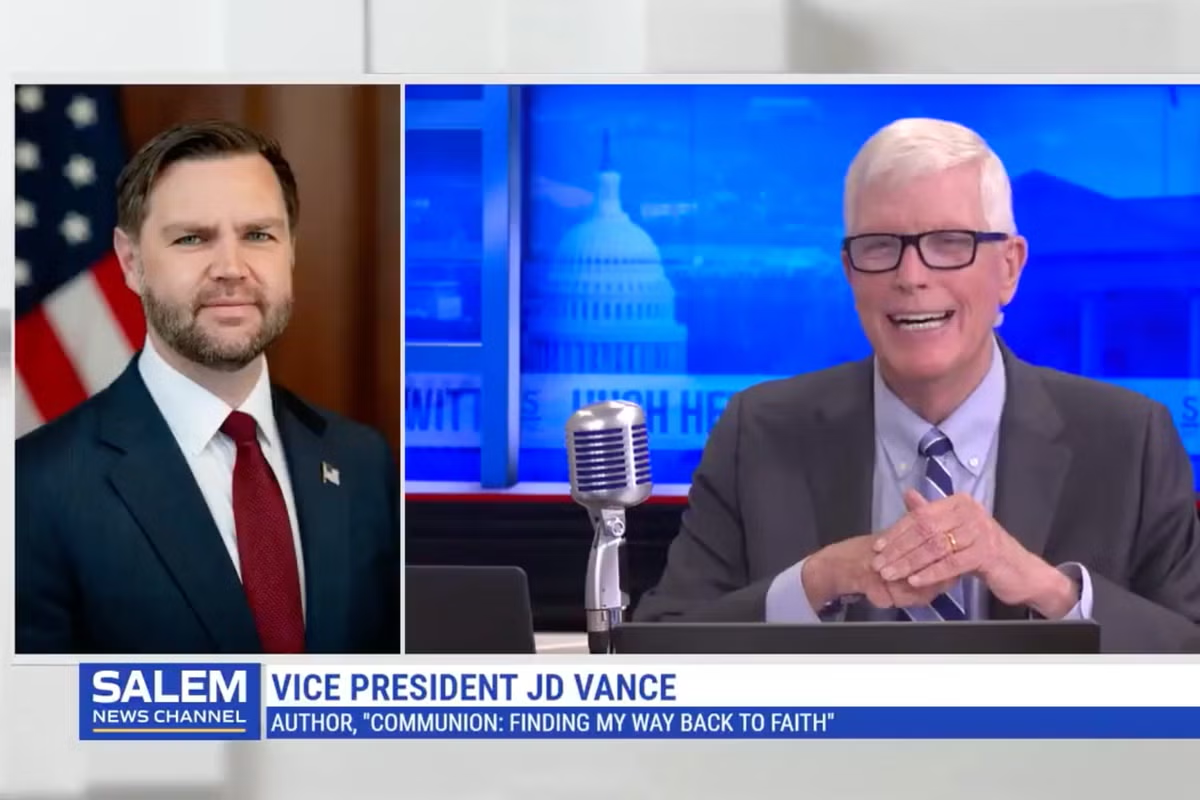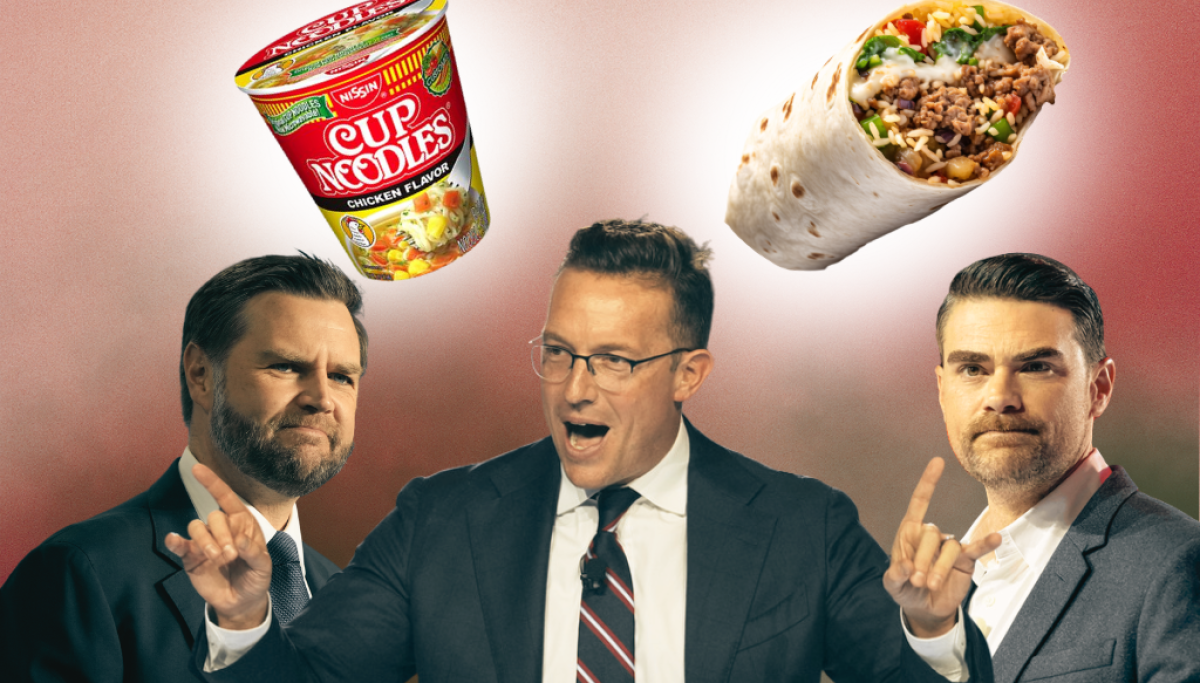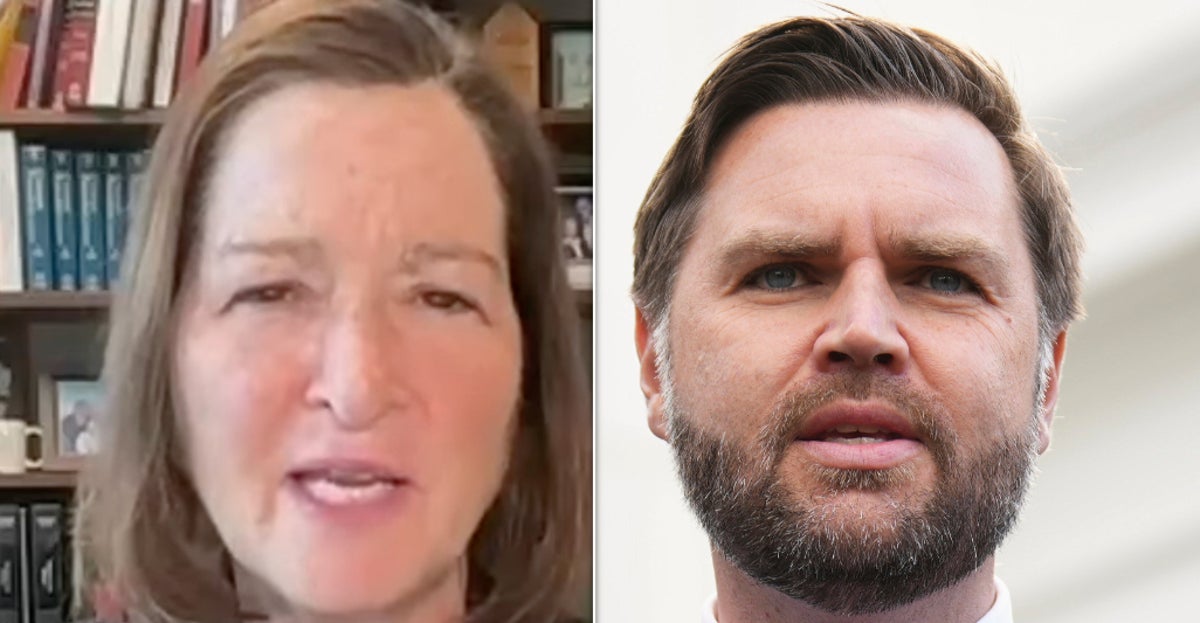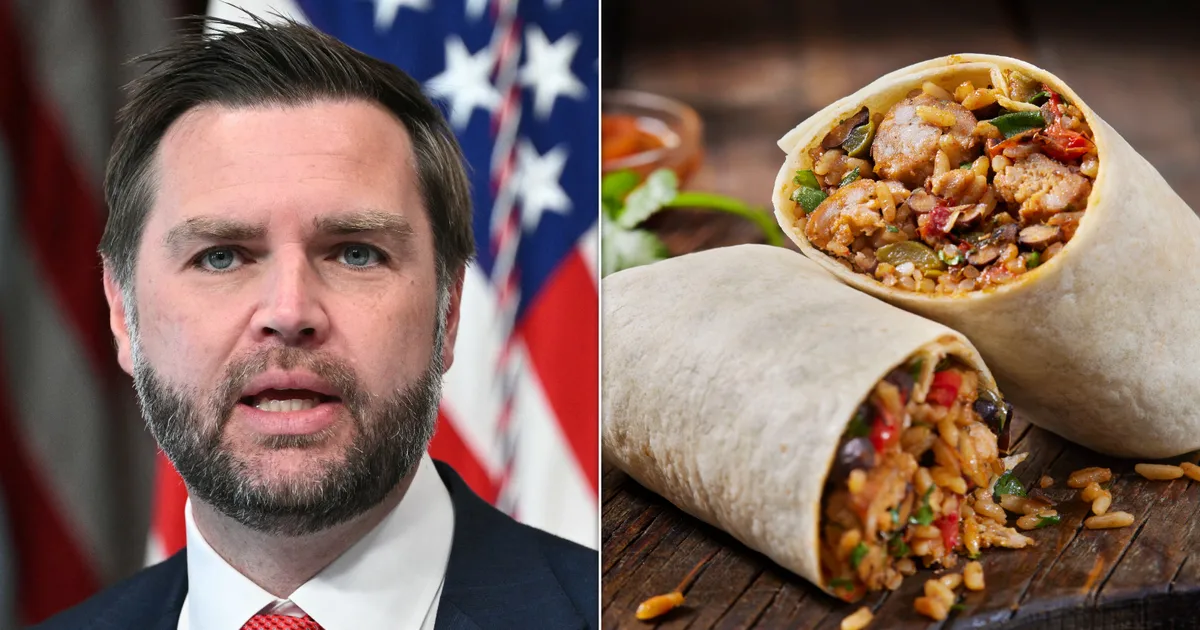
In early August, Vice President JD Vance joined a social media debate about the affordability of a burrito by remarking on a political commentator’s eating habits. At first, the conversation was centered on the price of a burrito and whether that mattered to American voters. On X, Turning Point USA spokesperson Andrew Kolvet shared the anecdote of a Turning Point USA college student who believed, “A burrito shouldn’t cost $20,” as an example of how rising costs are a growing concern. Some thought Kolvet had a valid point, while other conservatives chimed in that it was “dumb” and college students could “eat ramen.”During this conversation, Washington Post columnist and Fox News contributor Marc Thiessen shared his view on X that college students can eat burritos included in their meal plans. In response, Vance took the conversation in a new direction.“I’m surprised to hear Mark say this,” Vance posted on X. “If you’ve ever met him in person, it’s quite obvious the man has never missed a burrito.”Vance later said in an interview that his remarks were “a joke” because “there are ways in which you’re allowed to punch back, and you’re allowed to be a little bit humorous.”Getty/HuffPostJD Vance waded into an online debate about the rising prices about burritos by making it personal.But to people who study the effects of fatphobia on America, Vance’s words were no laughing matter. “The joke reflects anti-fat bias because it associates what a person eats with their size, and also suggests that there is a problem with their size,” said Lisa Erlanger, a family physician and founding president of the Association for Weight and Size Inclusive Medicine. Amy Farrell, the author of the book “Fat Shame: Stigma and the Fat Body in American Culture,” and a professor of American studies and women’s, gender, and sexuality studies at Dickinson College, said Vance’s response was the tactic of a bully. Farrell noted that fatphobia predates the Trump administration, but “what is different here is literally using bullying and mocking kind of commentary to keep everyone in line,” she said, because Vance’s rhetoric is “normalizing the really blatant and explicit fatphobia.” HuffPost reached out to the Vice President’s office for comment about the burrito exchange backlash, but has not heard back.Historically in the last 150 years, Farrell said “fatness has been constructed as a sign of someone who’s uncivilized, low-class, unworthy of actually taking up space and speaking, and the burrito [comment] fits right in that” narrative, she said. Vance is “sending a larger message to all people, including children: that they are at risk of being mocked and humiliated for body size and for what they eat, and they better be careful,” Farrell said. Anti-Fat Rhetoric Is More Than Just Words – It Leads To Worse Health And A Worse RepublicVance’s online reply follows a type of rhetoric that his boss, President Donald Trump, has normalized. Trump has a long history of body-shaming and using fatness as an insult.One of Trump’s go-to critiques is to comment on how his political opponents eat and what they look like. During his presidential 2016 campaign, Trump told former New Jersey Gov. Chris Christie, “No more Oreos for either of us,” and in a 2024 rally to oust Democratic Montana Sen. Jon Tester, he mocked Tester as a “slob” with the “biggest stomach” he has “ever seen.” Trump’s preoccupation with fatness also extends to GLP-1 medications, often reducing them to what he calls “fat shots” or “fat drugs.” Last February, when Trump was asked by a reporter about cutting the federal workforce, the negative metaphor of fatness got extended to the country itself. In it, Trump said: “This country has gotten bloated, fat and disgusting.” This pattern of anti-fat rhetoric is not just political humor, but part of a broader trend that concerns medical professionals like Erlanger. “It’s not funny, because anti-fat bias literally kills,” she said. Weight discrimination is known to lead to worse health outcomes. “It is legal in all but two states to discriminate against larger people in housing, employment, and other settings,” Erlanger said. “This discrimination not only has socioeconomic impacts, it results directly in inflammation, cortisol, and blood pressure activation with immediate and long-term harms to health that are later blamed on what’s eaten or on body size.”Erlanger cited a 2015 study of almost 19,000 people, which found that a single report of an experience of bias attributed to body size resulted in a 60% increased risk of death over the next few years, controlled for weight and other risk factors for death.“These findings suggest the possibility that the stigma associated with being overweight,” the study stated, “is more harmful than actually being overweight.”That’s why anti-fat words from leaders like the Vice President are never just words. They show the rest of us what’s acceptable to say out loud and how to treat each other, according to fat stigma researchers.“It really teaches children that it is OK to shame other people, and that some bodies are deserving, and other bodies are not,” Farrell said.
JD Vance’s ‘Fatphobic’ Comment About What Someone Eats Has Experts Raising An Important Concern
Vance’s comments follow President Trump’s long history of body-shaming.
840 words~4 min read