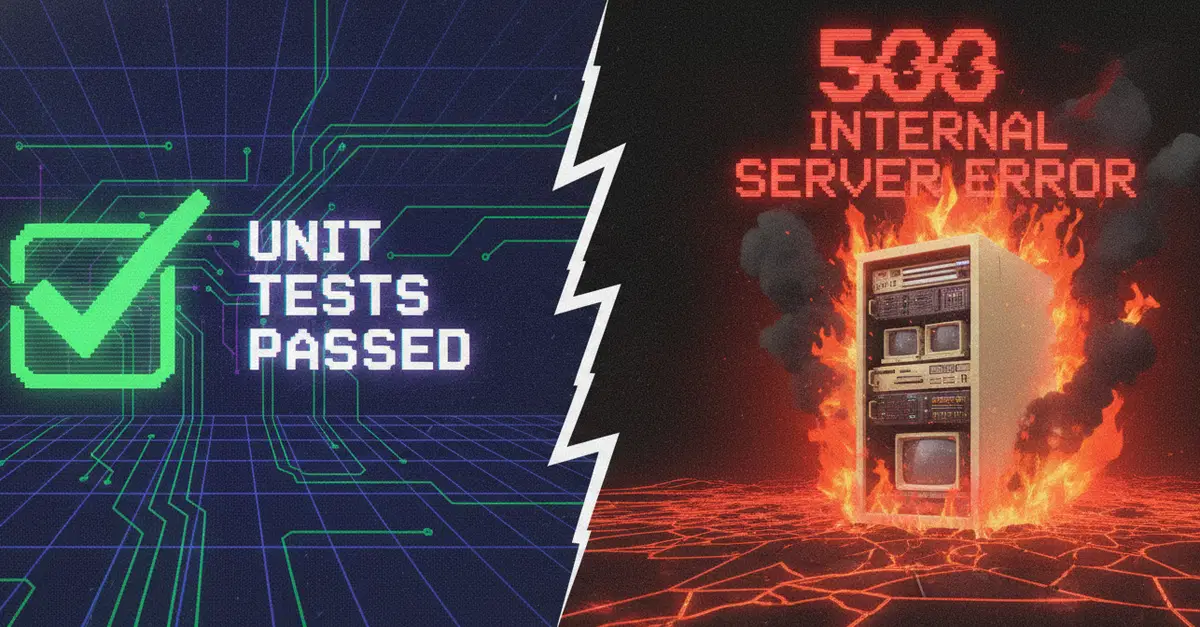
Your next API test tool might not be a smarter assertion library or a bigger suite of hand-written edge cases; it could be a free model you point at your endpoint and ask to misbehave on purpose. Manual boundary testing is slow because you tend to think of the inputs your code already expects, and traditional fuzzers generate a lot of noise without understanding what your API contract actually says. A language model sits in a useful middle ground: if you give it a short description of one endpoint, it can produce semantically plausible payloads that are likely to trip your parser, confuse your validation, or expose an error message you did not mean to send. That makes it a practical first line of defense, not a replacement for a security audit, and it works well enough for small services that would otherwise have no adversarial testing at all.
Disclosure: This article was prepared as part of MonkeyCode's product outreach. The workflow below was written for any OpenAI-compatible endpoint, and it becomes easier to schedule when you use the free model access and free server option that motivated this test; I treat those availability claims as something to verify in your own setup rather than as a permanent promise.