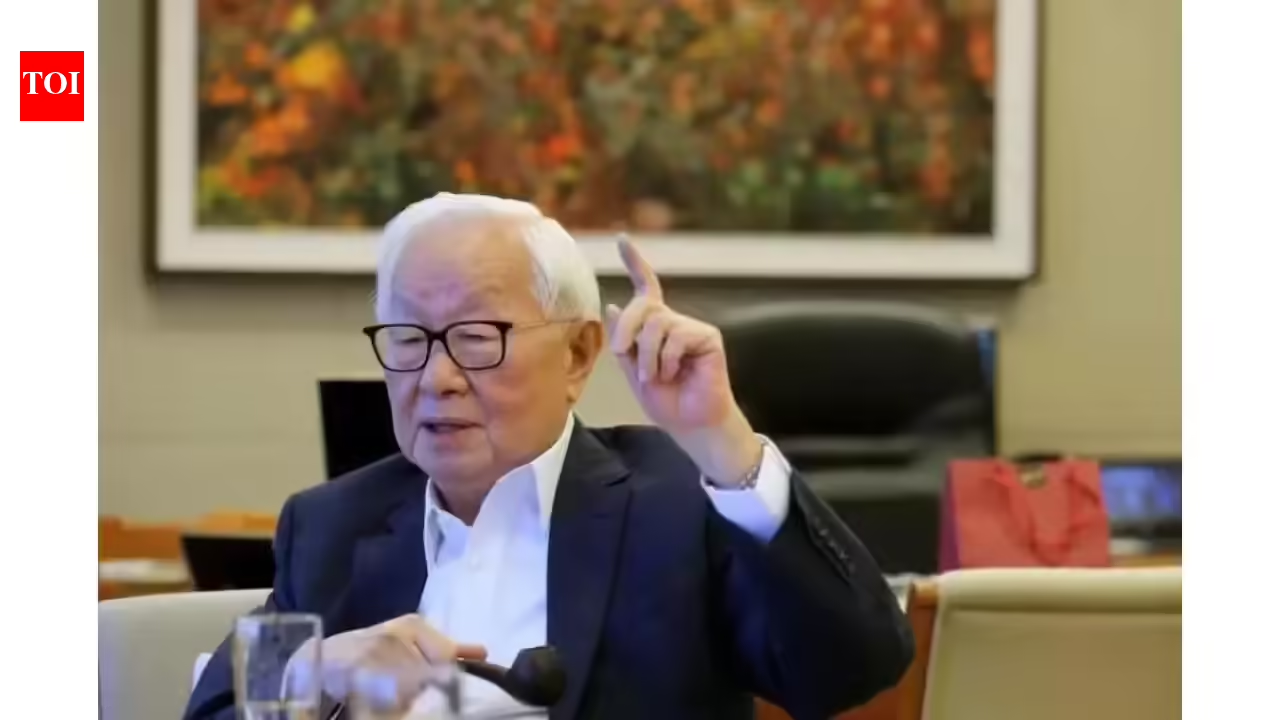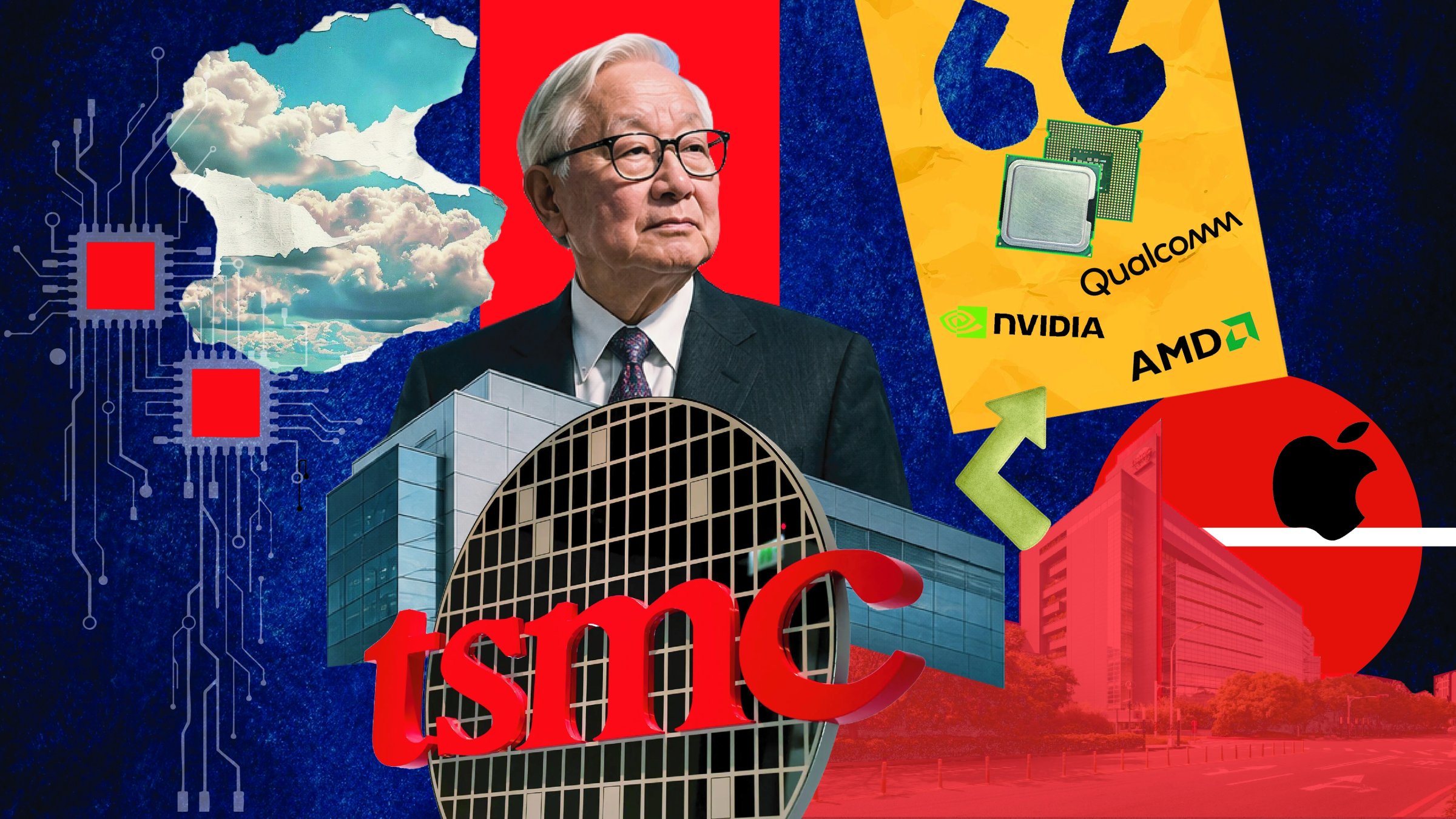
In 1985, an engineer in his mid-50s was taking stock of his career. He had spent most of his life in the United States. He had left his homeland, studied at some of the world’s finest universities, and risen through the ranks of Texas Instruments, one of the pioneering companies of the semiconductor industry. His technical expertise, managerial experience, and reputation within the sector were beyond question. Yet he felt that something was missing.
For years, he had contributed to the growth of the American technology industry. However, he believed that he had never truly gained access to the highest levels of corporate decision-making. For many people, his career would have seemed extraordinarily successful. For Morris Chang, it was different. He no longer wanted to be a manager advancing within a system built by others. He was searching for an opportunity to turn his own vision into reality.
At that moment, an unexpected phone call arrived. It did not come from Silicon Valley, but from Taiwan, a small island whose place in the international system was itself contested. The Taiwanese administration was pursuing an ambitious strategy to transform its economic future. Unable to compete with China militarily, limited by its population, and increasingly isolated diplomatically, Taiwan sought another path: becoming indispensable in a technology the world would one day desperately need. To realize that vision, it needed the right leader, and Morris Chang accepted the challenge.