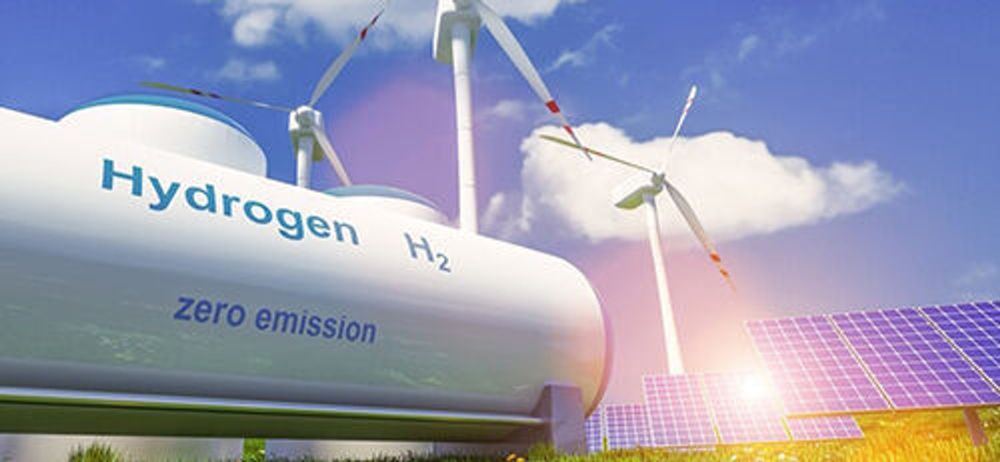
India is positioning itself as a global leader in clean energy, with non-fossil fuel sources dramatically growing due to the pivotal role of green hydrogen in this transformative journey.
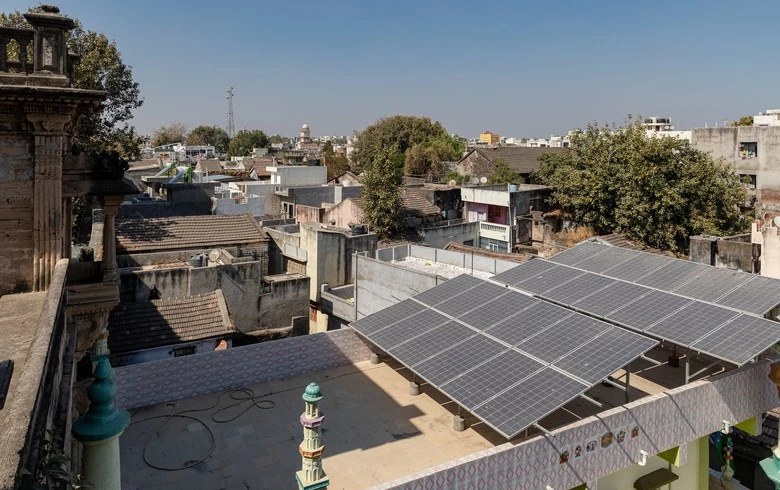
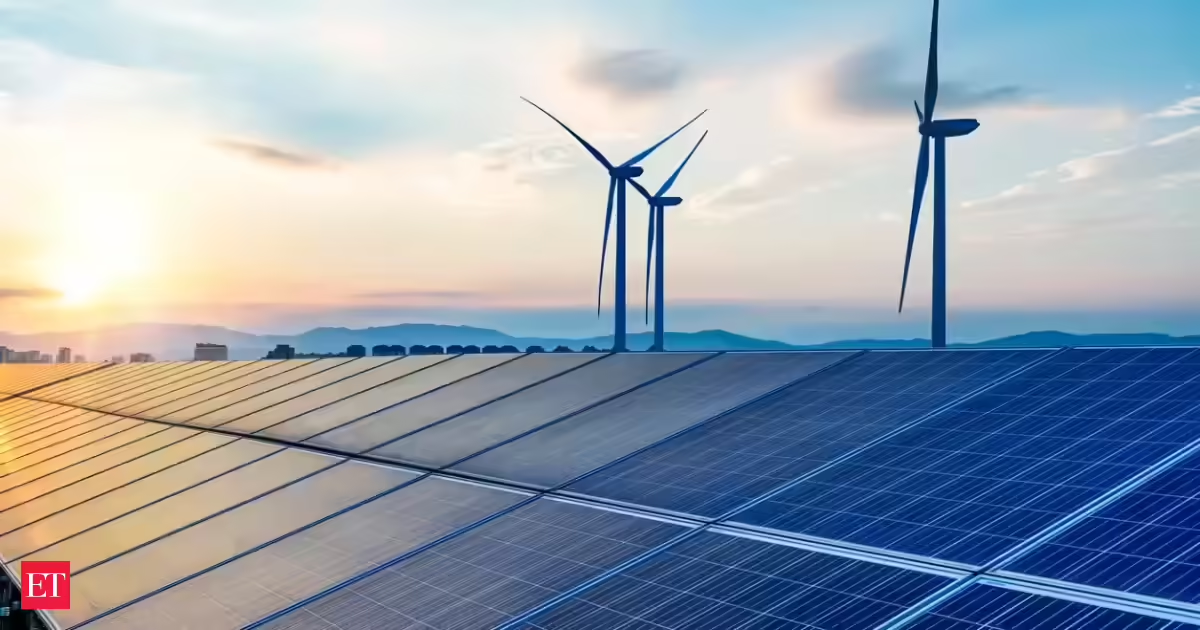
India has become a global leader in making progress on clean energy: by the end of December 2025, non-fossil fuel sources accounted for 51.93 per cent of India’s installed power capacity, crossing the 50 per cent mark set by India’s second Nationally Determined Contribution. According to IRENA’s Renewable Energy Statistics 2025, India ranks fourth globally in total installed renewable energy capacity.
India’s energy transition must be understood in relation to its development needs. The country has not yet reached peak energy demand, and energy access, affordability and security remain central to its development pathway. Its development strategy therefore combines renewable energy growth, energy efficiency, nuclear power, green hydrogen, carbon sinks and carbon markets with industrial competitiveness and job creation.
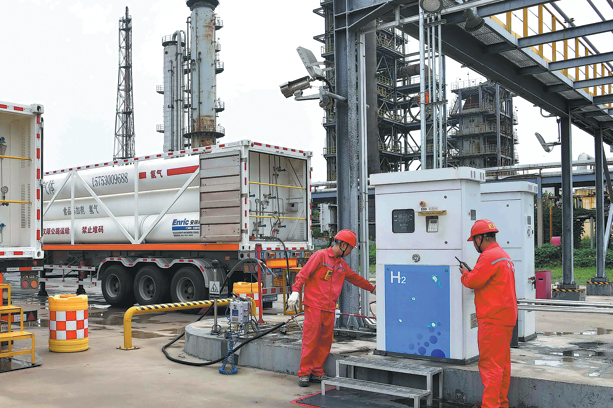
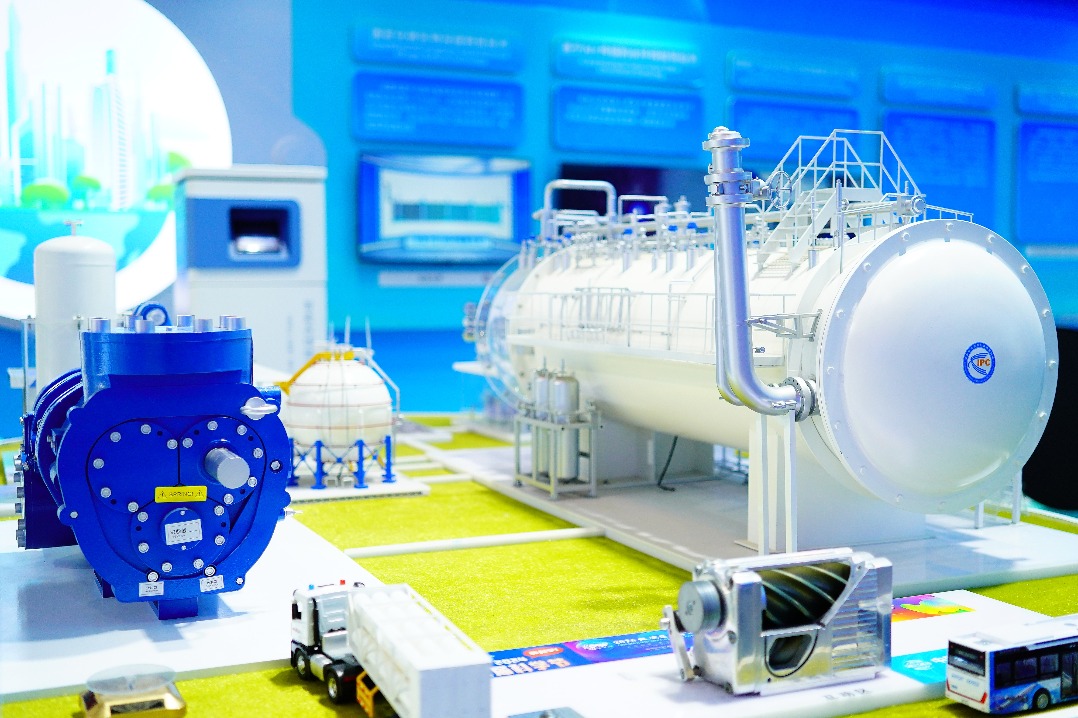
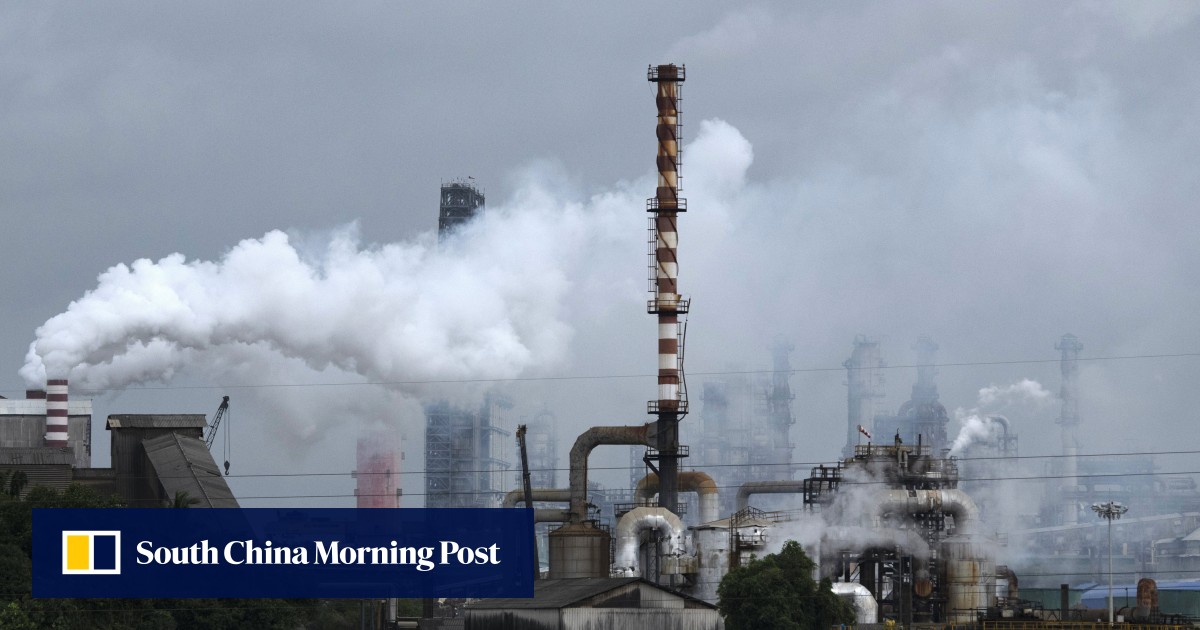
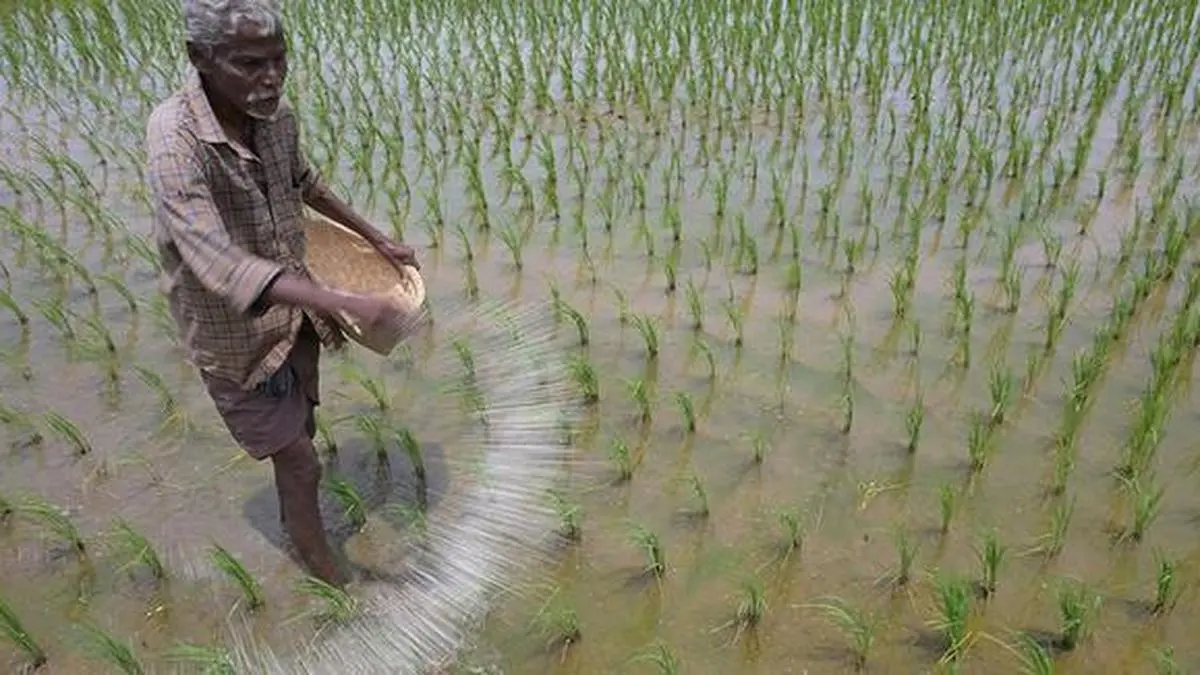
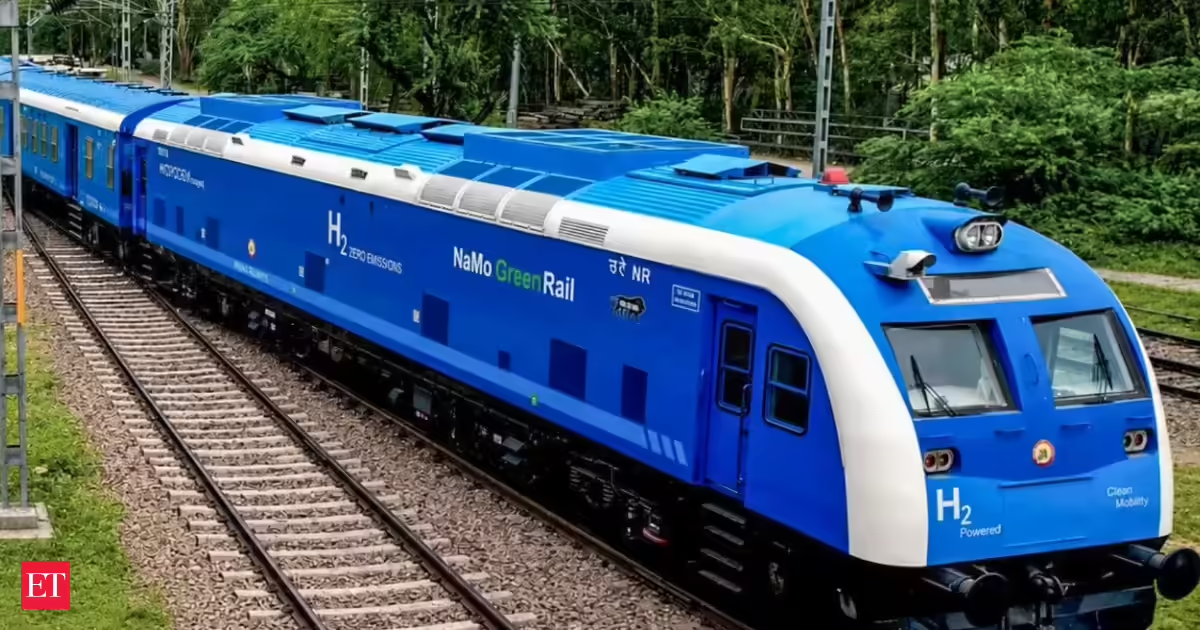
Green hydrogen has emerged within this as an important facet because it can support decarbonisation in sectors where direct electrification may not be sufficient. Green hydrogen is both a fuel and an industrial feedstock and its production using renewable energy can replace fossil fuel-derived inputs in petroleum refining, fertiliser production, steel manufacturing, and other hard to abate sectors, while also supporting the decarbonisation of long-haul automobiles, railways and marine vessels. The Indian Railways has recently demonstrated the capacity to run hydrogen fuelled trains.