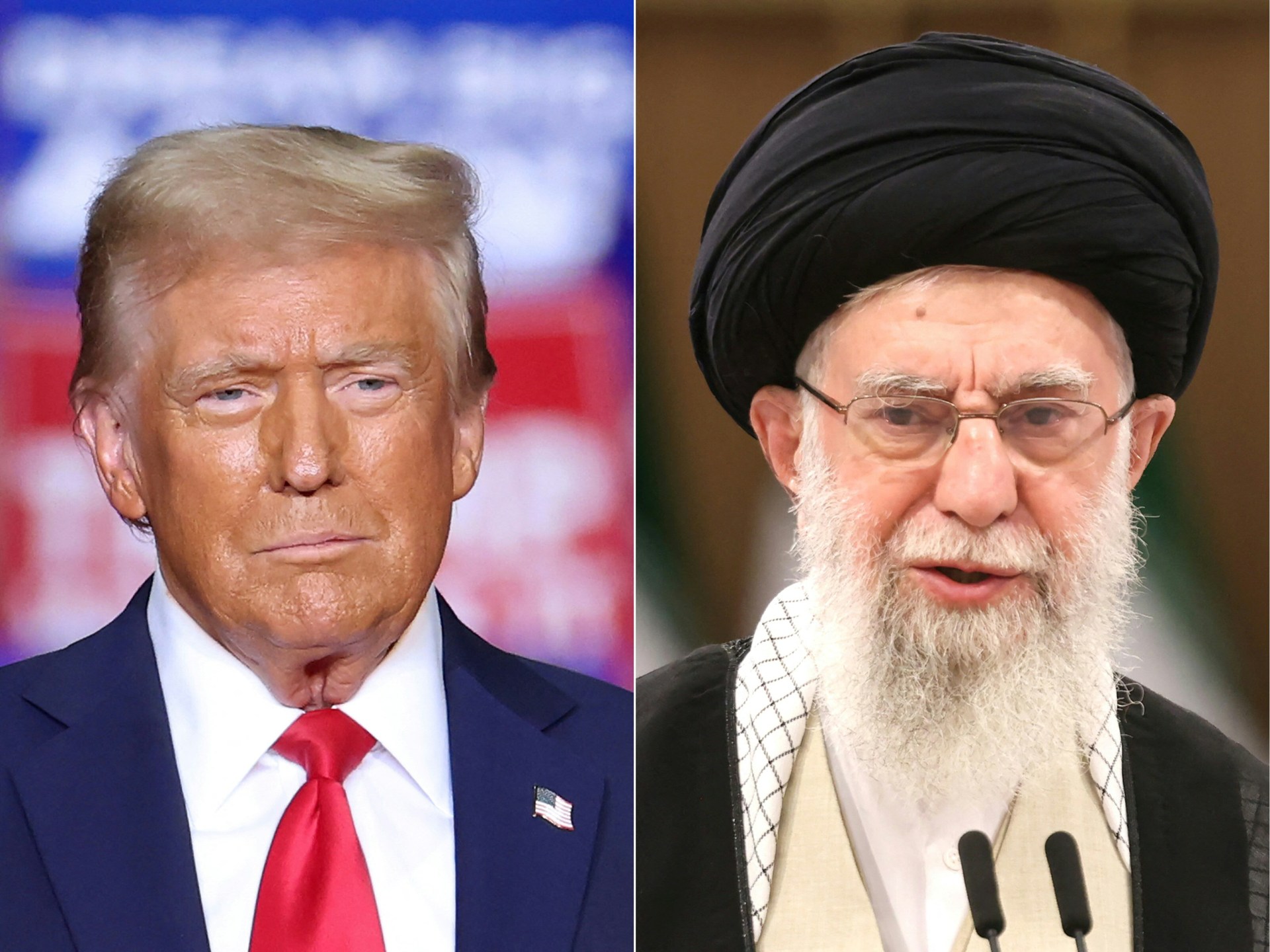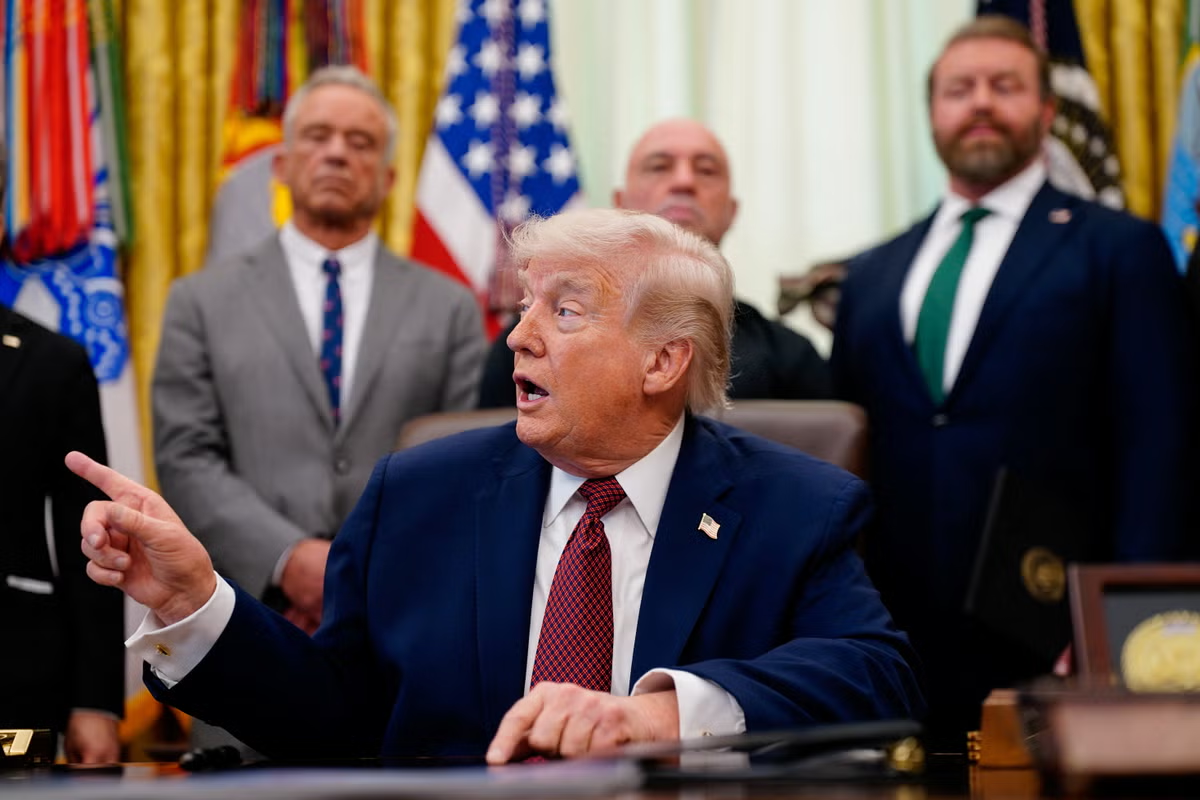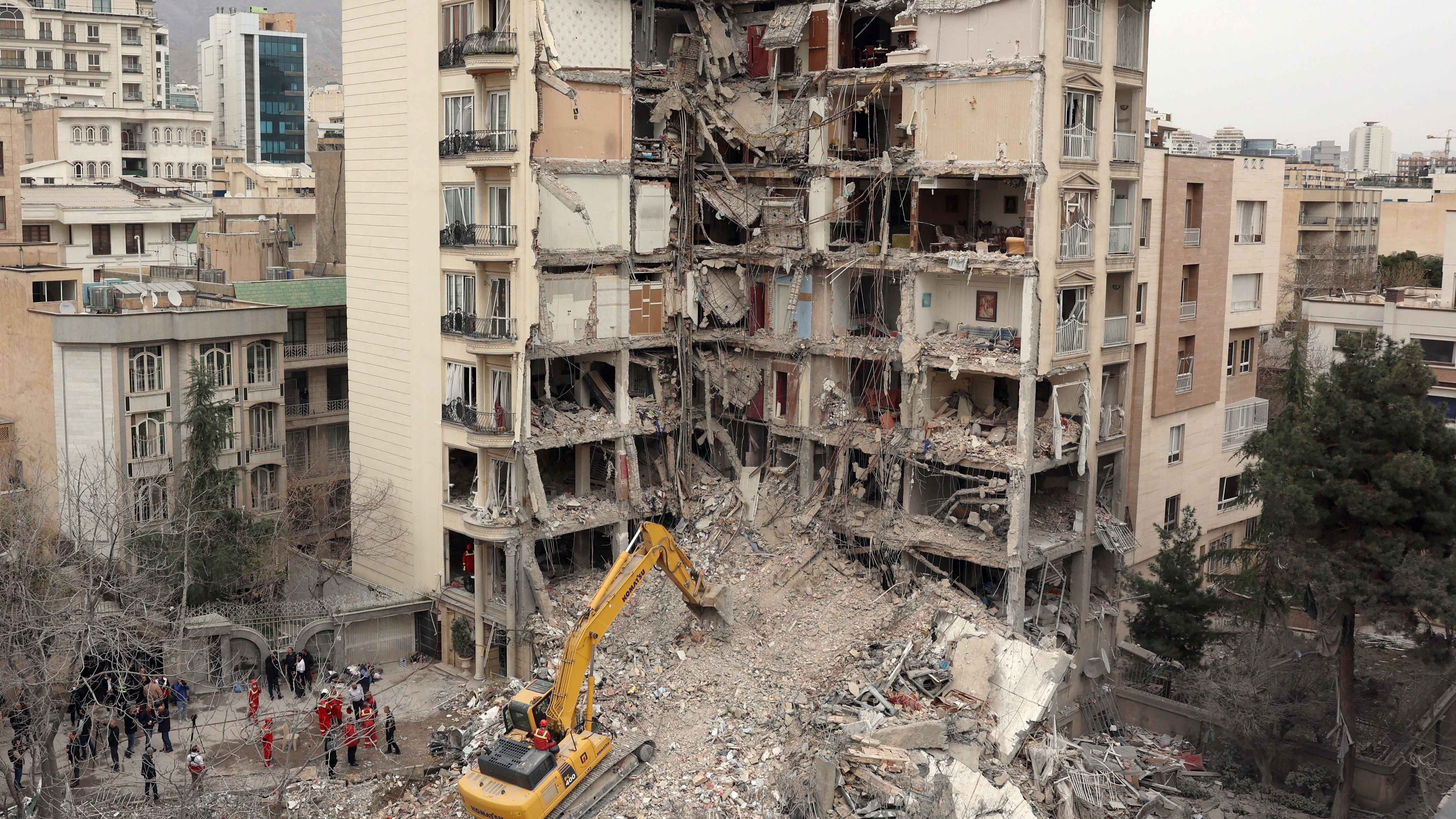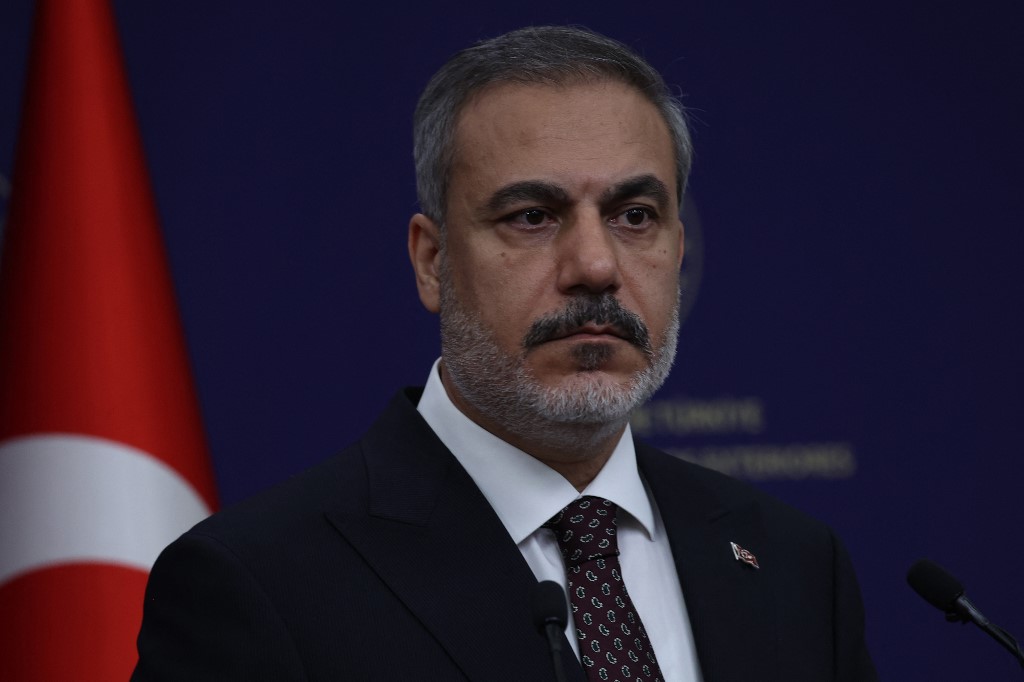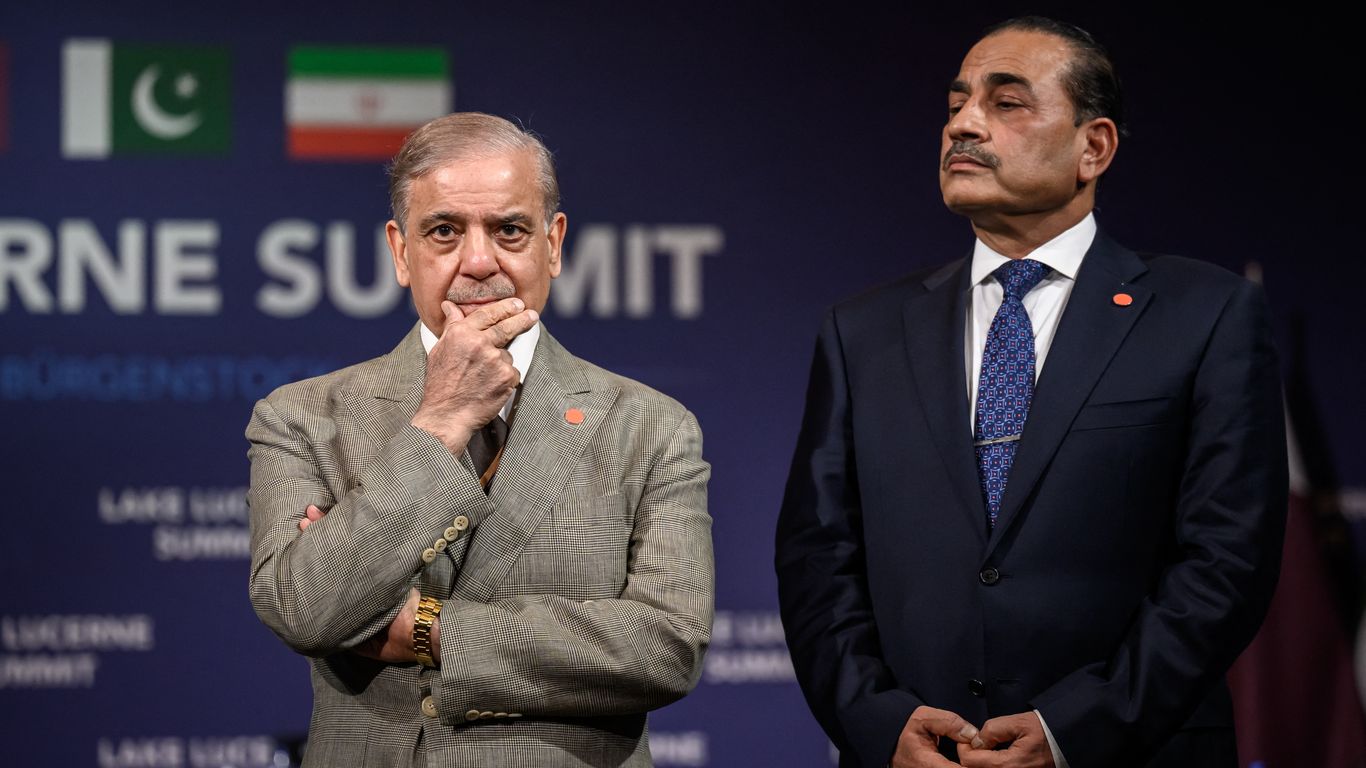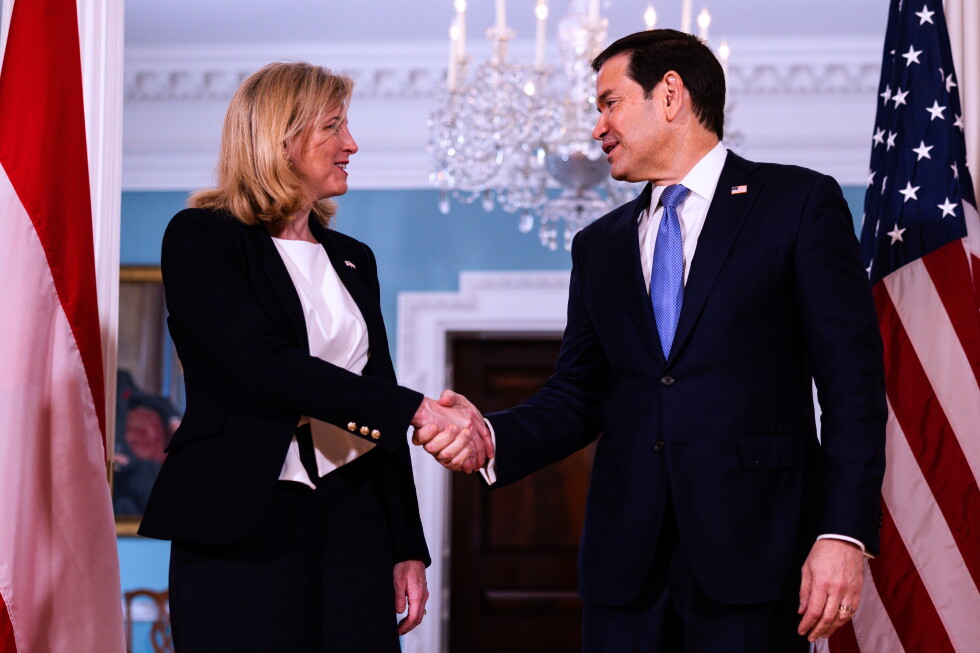
WASHINGTON (AP) — Faced with an increasingly bellicose Iran as talks to end the war have stalled, the Trump administration appears to be reaching out to a broader swath of countries that might be able to help pressure Tehran or ease its hardline position where traditional mediators have not succeeded so far.While discussions between Iran and Oman, as well as between Iran and Pakistan, Turkey and Qatar, persist at an uneven and unpredictable pace, the U.S. administration quietly has expanded its outreach to include perhaps unlikely interlocutors in Europe.Just this week, Secretary of State Marco Rubio met in person in Washington with the foreign minister of Austria on Tuesday and held a call with the foreign minister of Greece on Wednesday.Those interactions were not notable beyond the normal course of relations between the U.S. and two close European allies. The official State Department readouts of the discussions were bland and vague and did not mention Iran by name as a topic of conversation.But it then emerged that both foreign ministers — almost immediately after their talks with Rubio — spoke Thursday with Iranian Foreign Minister Abbas Araghchi.The apparent new tack to break the negotiation logjam comes as the U.S. and Iran are both pushing for control of the Strait of Hormuz, the crucial oil shipping corridor. President Donald Trump faces little wiggle room in his next steps as the economic fallout from the war and dwindling stockpiles of key weapons pose political problems for Republicans ahead of November’s midterm congressional elections.
With US-Iran talks stalled, diplomatic efforts expand to unlikely European players
While talks to end the Iran war have stalled, the Trump administration appears to be reaching out to a broader swath of countries that might be able to help pressure Tehran or ease its hardline position where traditional mediators haven't succeeded so far.
1,022 words~5 min read