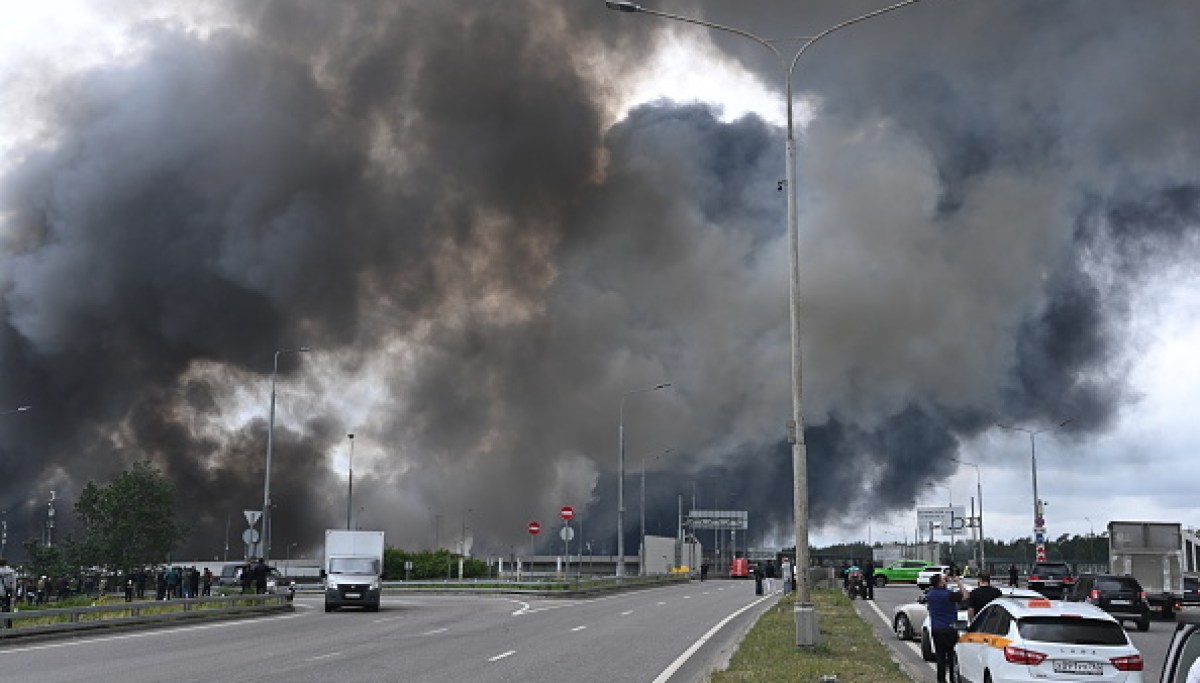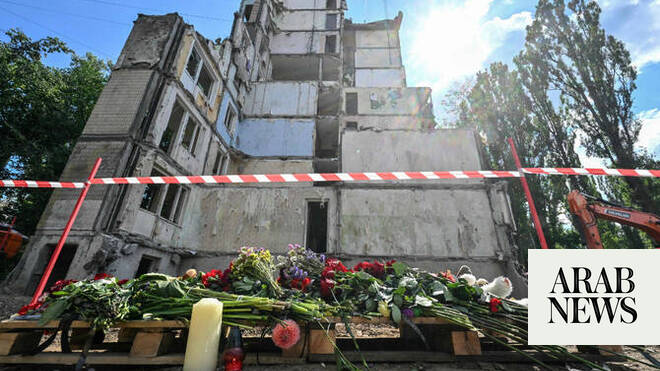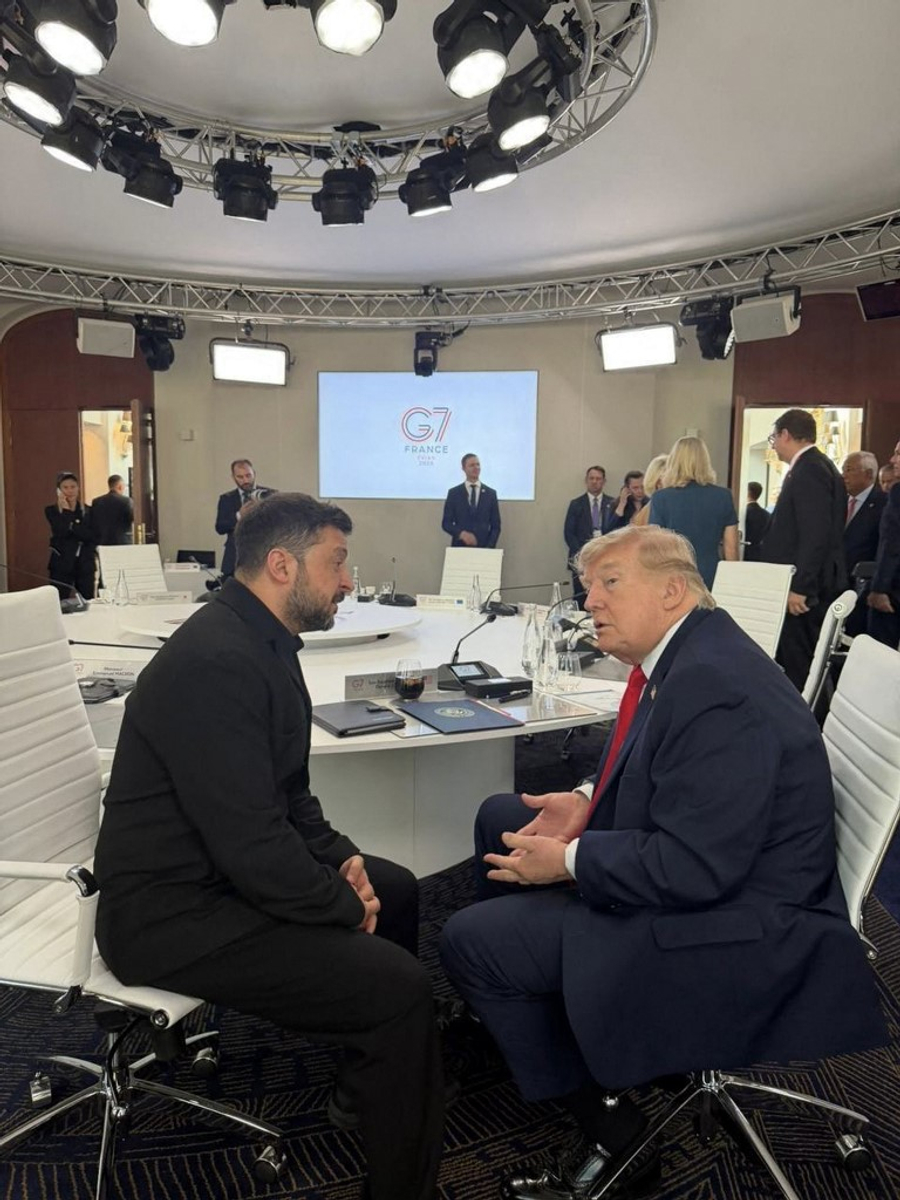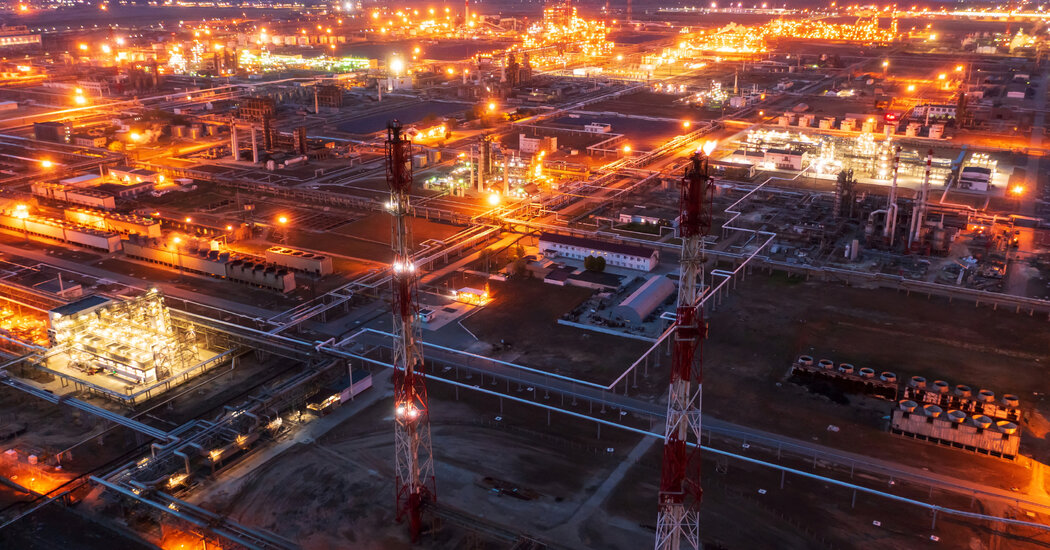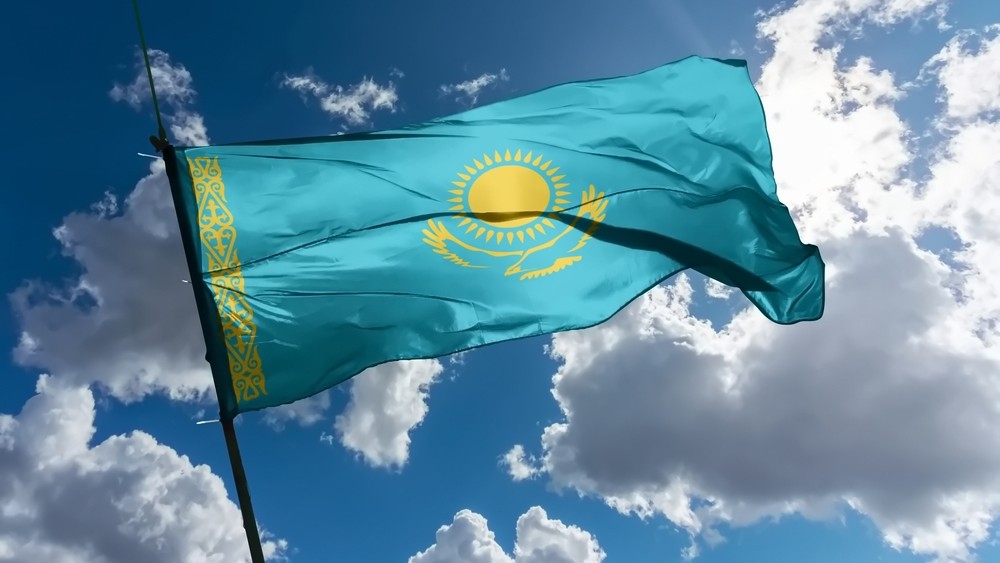
Since returning to the White House in early 2025, President Donald Trump has consistently argued that the war in Ukraine should end through negotiations. He initially believed that direct engagement with Russian President Vladimir Putin could create conditions for a political settlement and that Moscow would ultimately be willing to compromise.Recent developments, however, indicate that Washington’s assessment of Putin has become noticeably less optimistic, and the US approach toward Ukraine may be evolving.According to The Wall Street Journal, Trump has grown increasingly skeptical of Putin’s intentions. Despite repeated conversations with the Russian president and continued diplomatic outreach, the White House reportedly believes that the Kremlin remains committed to its maximalist objectives in Ukraine. Rather than seeking a negotiated compromise, Moscow continues to pursue military gains while insisting that its original war aims remain unchanged.At the same time, Kyiv’s resilience, the rapid expansion of its defense-industrial base and its increasingly sophisticated long-range drone campaign against Russian military and energy infrastructure have reportedly impressed the US president. Ukrainian President Volodymyr Zelenskyy’s recent visit to Washington helped shift the US perception of Ukraine from that of a supplicant of Western assistance to that of a capable strategic partner.Washington Is Already Increasing PressureSigns of a US shift are evident. Although Trump has flip-flopped on allowing Ukraine to produce Patriot missiles under license, US economic pressure on Russia stands to intensify.There is renewed momentum behind the bipartisan sanctions legislation originally introduced by the late senator Lindsey Graham. For months, the initiative remained effectively frozen as the White House sought to preserve room for diplomacy with Moscow. However, as Trump’s peace initiatives have produced little tangible progress, congressional support for tougher measures has grown. On August 7, the US Senate adopted the fresh sanctions bill by a large margin. The bill now must win approval in the House before going to Trump for his signature.The legislation would dramatically expand the US president’s authority to impose secondary sanctions and punitive tariffs against countries and companies purchasing Russian energy or facilitating sanctions evasion. While the final text may still evolve during the legislative process, the broader political direction in Washington has become increasingly clear: the United States is moving toward a strategy of stronger support for Ukraine’s sovereignty. Why Kazakhstan Should Pay Close AttentionFor Kazakhstan, the implications of new US sanctions against Russia extend well beyond Astana’s own bilateral relations with Moscow.The principal challenge is unlikely to come in the form of direct sanctions against Kazakhstan itself. Rather, the greatest risks stem from an expansion of secondary sanctions against Kazakh state-connected and private entities, stricter financial compliance, and increased scrutiny of companies operating across Russian supply chains.Kazakh banks are already tightening compliance procedures to minimize exposure to potential US sanctions. Businesses involved in logistics, re-export operations, or trade in dual-use goods face growing regulatory and reputational risks.The energy sector also remains vulnerable. Exports via Russia through the Caspian Pipeline Consortium have traditionally received exemptions from sanctions because they transport predominantly Kazakh crude. But any further tightening of restrictions affecting Russian maritime logistics, shipping insurance or port infrastructure could create disruptions for Kazakhstan’s energy exports.The war, specifically Ukrainian drone attacks against Russian energy infrastructure, are already punishing Kazakhstan’s economy. Kazakh oil production, a critical source of state revenue, fell by 9 percent during the first seven months of 2026, translating into roughly a $3.5 billion loss, according to regional media reports. Kazakh diplomacy reportedly scored a success in early August, when, after Astana mounted lobbying campaign, US administration officials pressured Ukrainian authorities into pledging to refrain from further strikes against Russian infrastructure that handle Kazakh oil exports.Tokayev’s Position Reflects Strategic RealityRecent developments indicate that Kazakhstan will face a growing challenge to maintain its traditional multi-vector foreign policy. Against this backdrop, President Kassym-Jomart Tokayev’s increasingly direct calls for de-escalation of the war appear less like diplomatic rhetoric and more like a reflection of Kazakhstan’s strategic interests.During a late July meeting with Russian President Vladimir Putin in the Siberian city of Omsk, Tokayev proposed an immediate armistice in the Russian-Ukraine war.“No one knows exactly how the situation will play out, given the entrenched positions of the parties involved. Yet, there is an option to freeze the entire matter,” a presidential statement quoted Tokayev as saying during his meeting with Putin.“Kazakhstan is not an uninvolved party; yet, despite various proposals and calls, I categorically refuse to act as a mediator. I know that Russia is a great country and the Russian people are a great people: as the saying goes, they can handle their agenda items on their own, without intermediaries,” the statement added.For Astana, prolongation of the war means continued sanctions escalation, increasing pressure on regional financial and transport networks, and greater uncertainty for foreign investors. Equally important, Kazakhstan has a direct interest in preventing further attacks on critical infrastructure used to export Tengiz crude through Russian territory. Stability along these routes remains essential for Kazakhstan’s energy security and export revenues.As Washington appears to temper its expectations of a near-term political settlement and instead increases pressure on Moscow, Kazakhstan will face an increasingly narrow strategic space. In this environment, Astana’s emphasis on de-escalation, sanctions compliance and diplomatic balancing should be understood not as political positioning, but as an effort to protect its own long-term economic and national interests.By EurasianetMore Top Reads From Oilprice.comU.S. Backs X-Energy Reactor With Up to $2.15 BillionRussia Rebuilds Nuclear Workforce at Iran’s Bushehr PlantEgypt and Libya Near $1 Billion Oil Pipeline Deal
Trump’s Tougher Russia Stance Puts Kazakhstan in a Difficult Position | OilPrice.com
Kazakhstan faces growing economic and diplomatic risks as Washington increases pressure on Russia and the Ukraine war disrupts crucial Kazakh trade and energy links.
905 words~4 min read