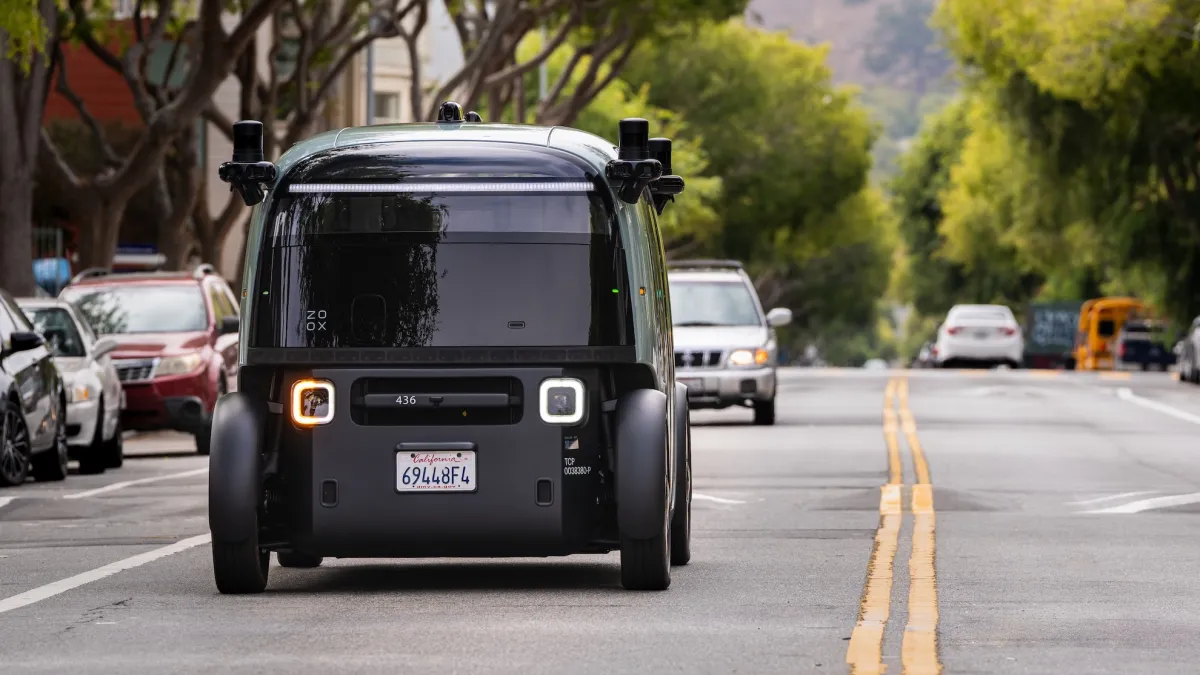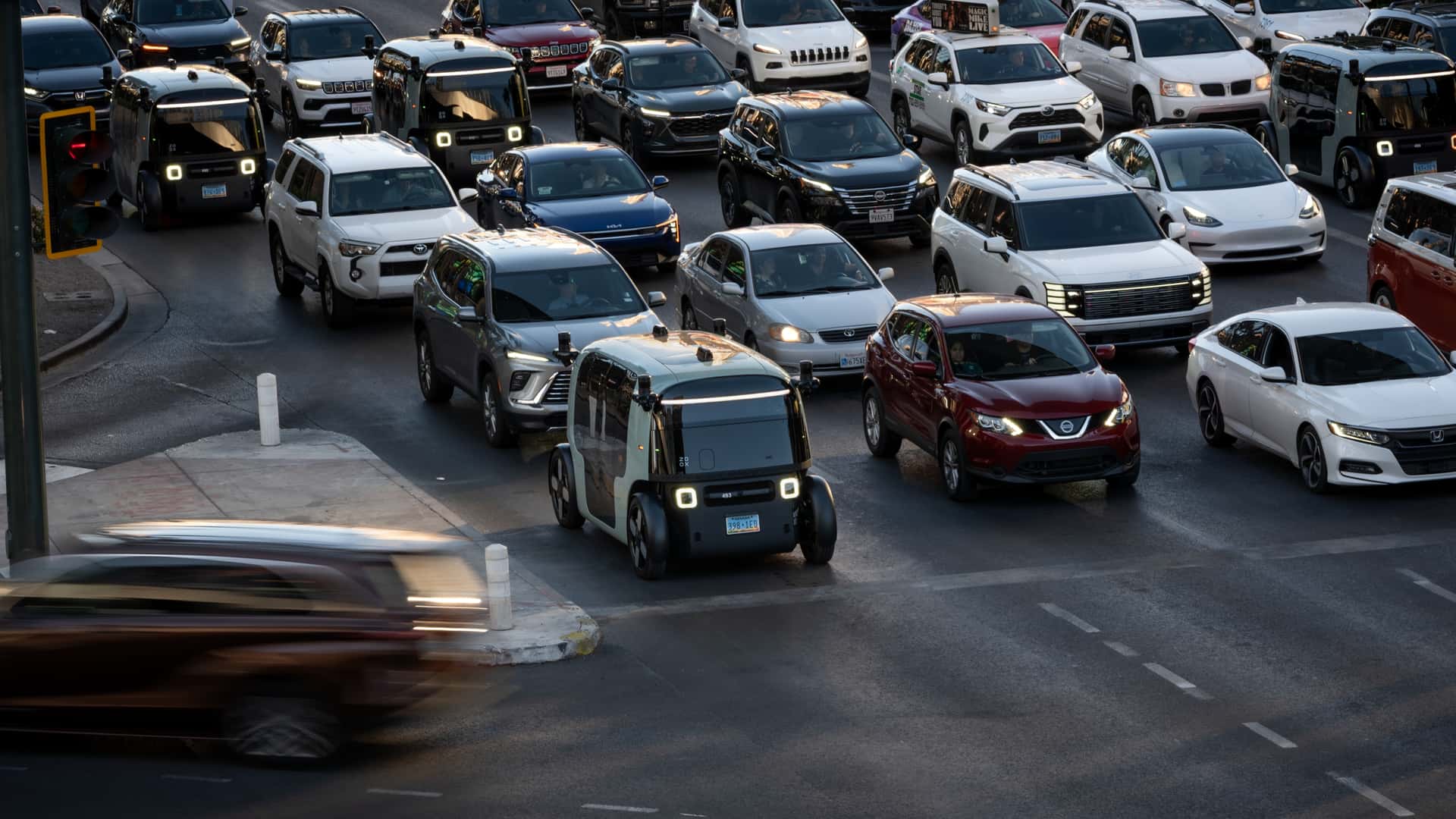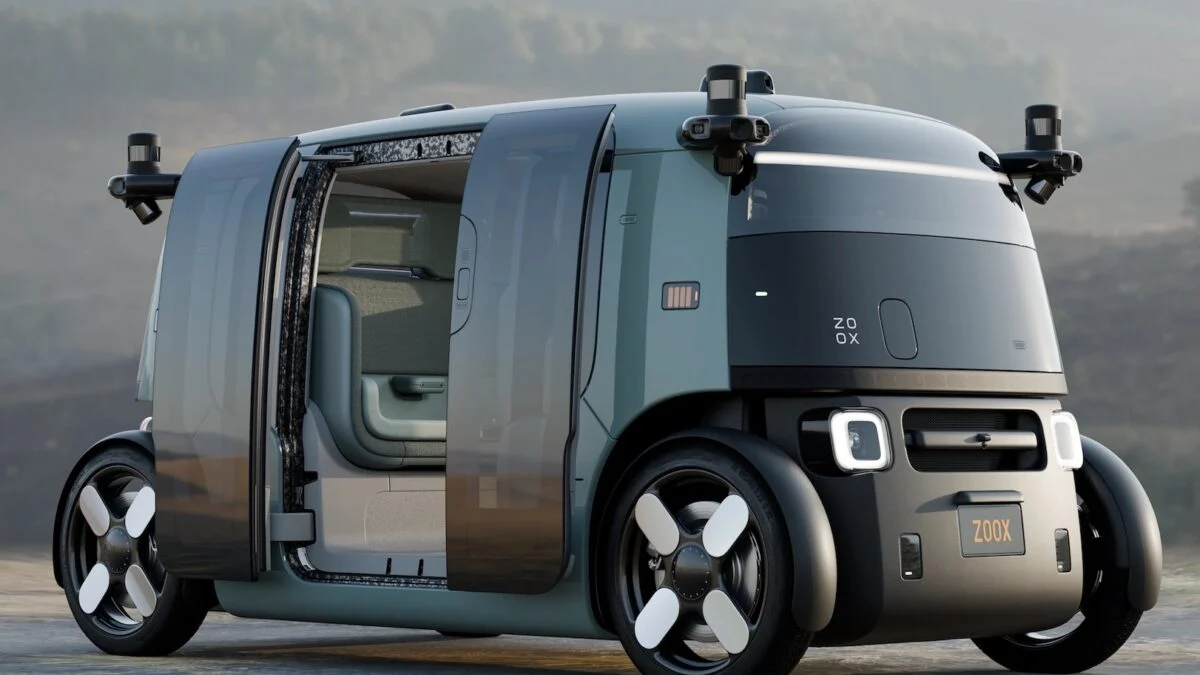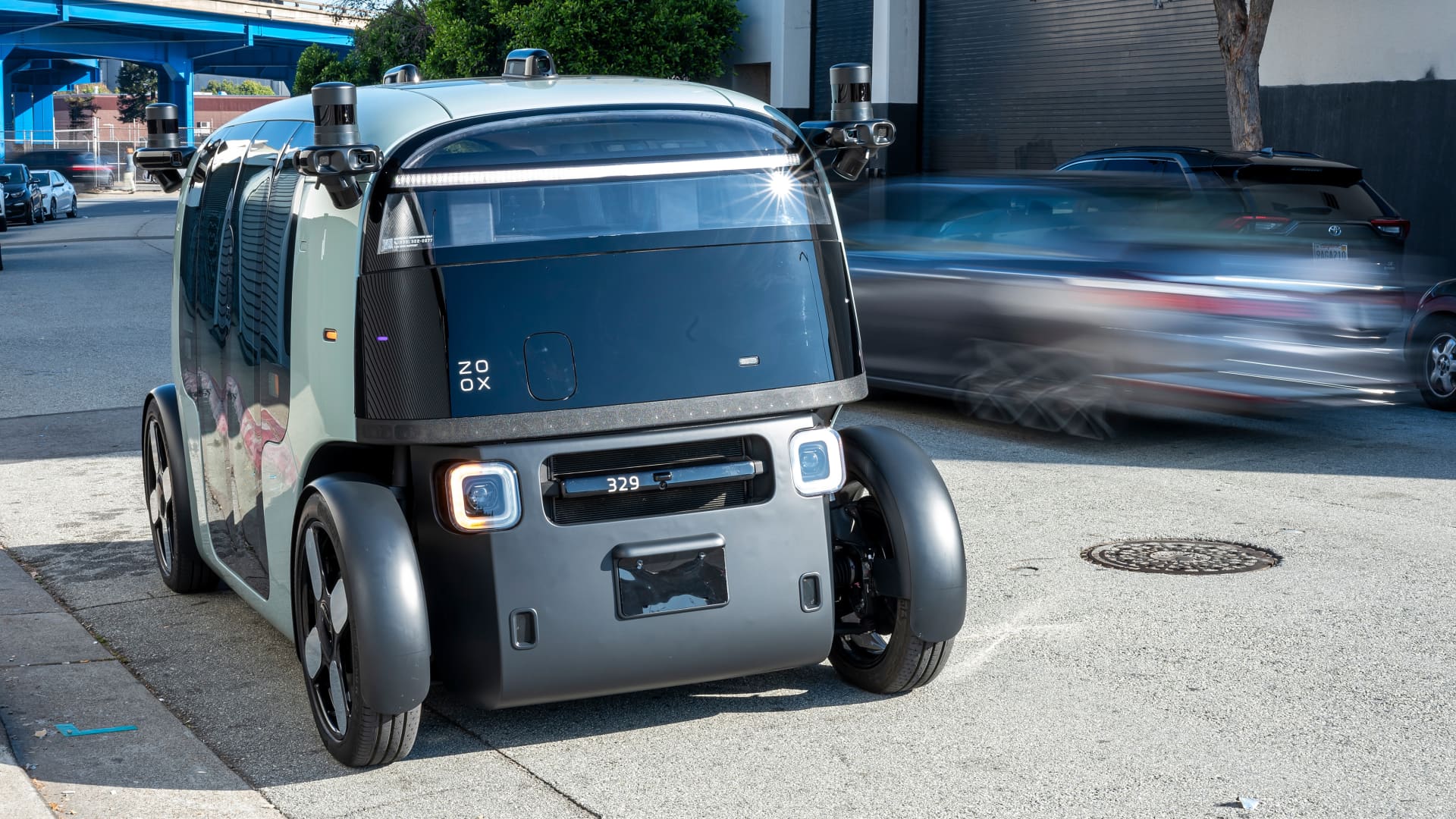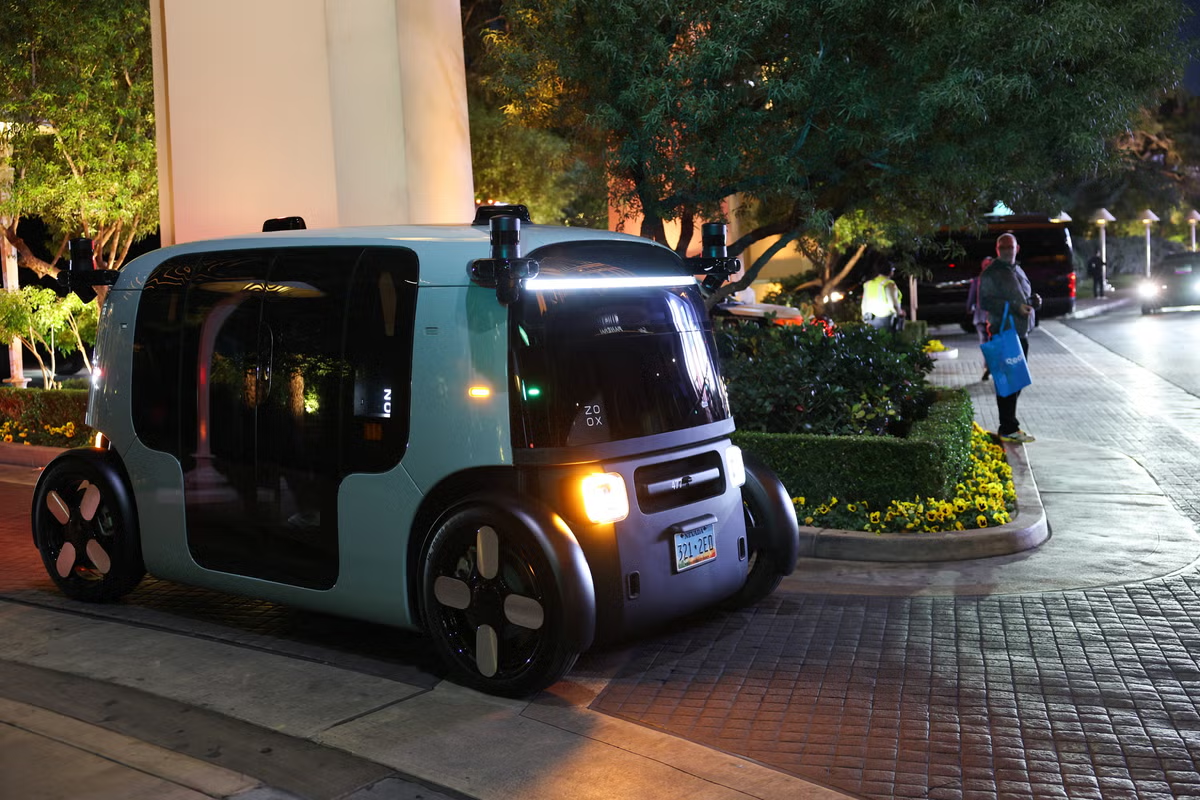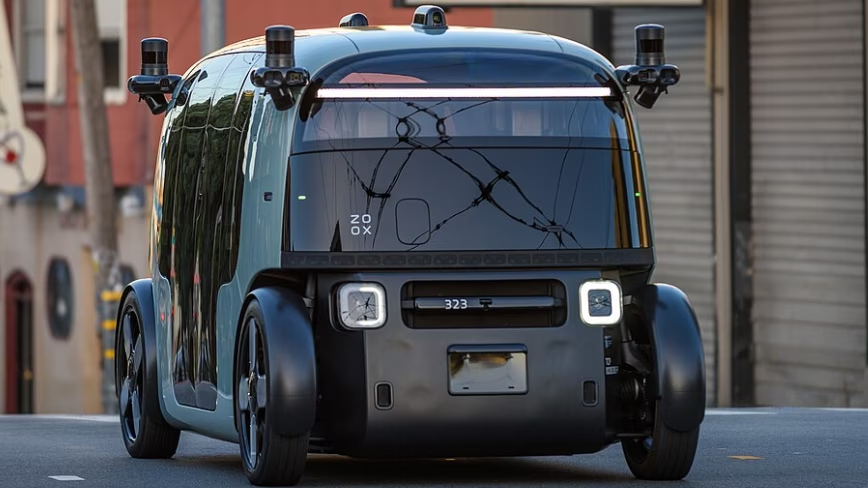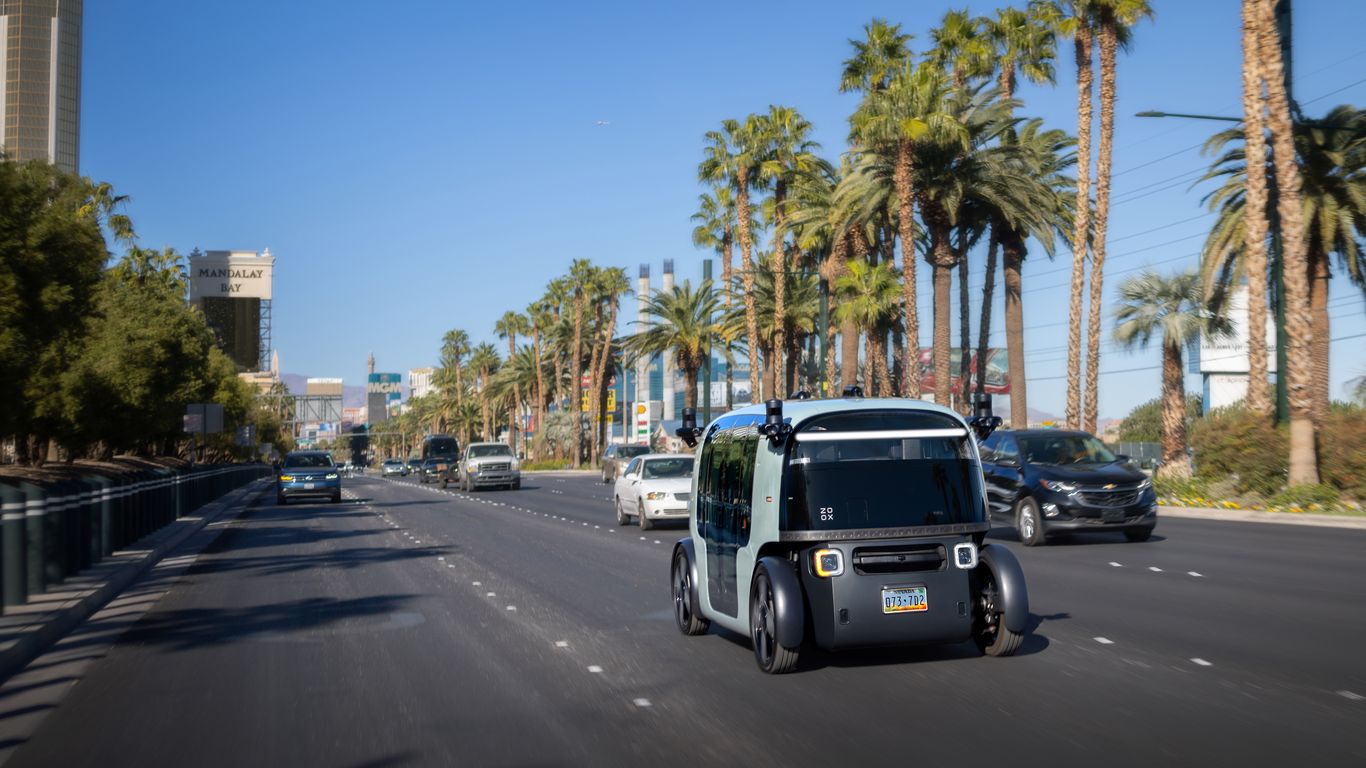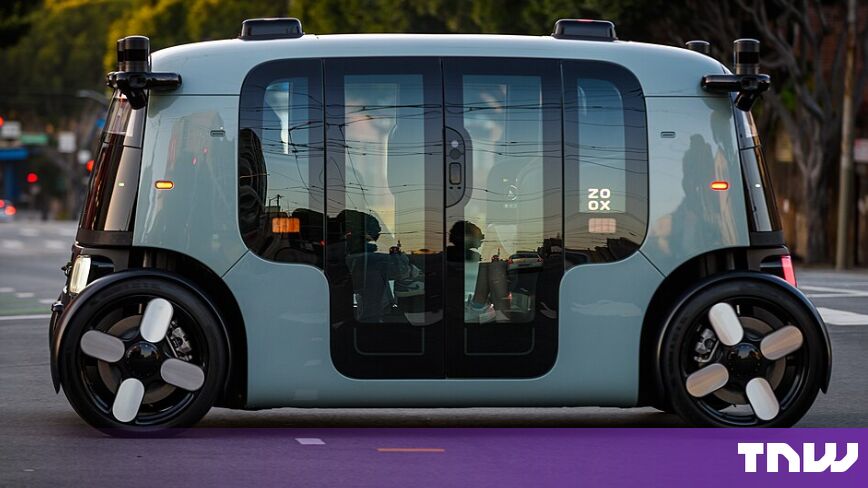
Zoox has published the reasoning behind its claim to be safer than human drivers. Everything reduces to one number, the predicted rate of collision, injury and fatality events, expressed as miles per event. Risk from driving software, from the vehicle itself and from fleet operations is added together into that single estimate.
It functions as a gate. Before any safety-relevant software release, hardware change or revision to operating procedure, Zoox updates the case and checks the combined figure still clears its target.
The target is anchored in human data. Zoox builds its benchmark from NHTSA’s crash sampling and fatality reporting systems and two Federal Highway Administration datasets, then parses them by road speed and weights them to match the mix of roads its robotaxis actually use.
What it does not publish is the answer. Zoox sets its target by comparison to that benchmark and says it aims to be significantly safer than a human driver, but never defines how much safer counts as significant. Nor does it give the figure its fleet currently reaches.
The engineering underneath is specific enough to argue with. Zoox names the hazard analyses it runs, follows ISO 26262 with integrity ratings on the platform, and uses simulation that deliberately searches for the conditions where a collision is most likely, weighted afterwards by real fleet exposure.