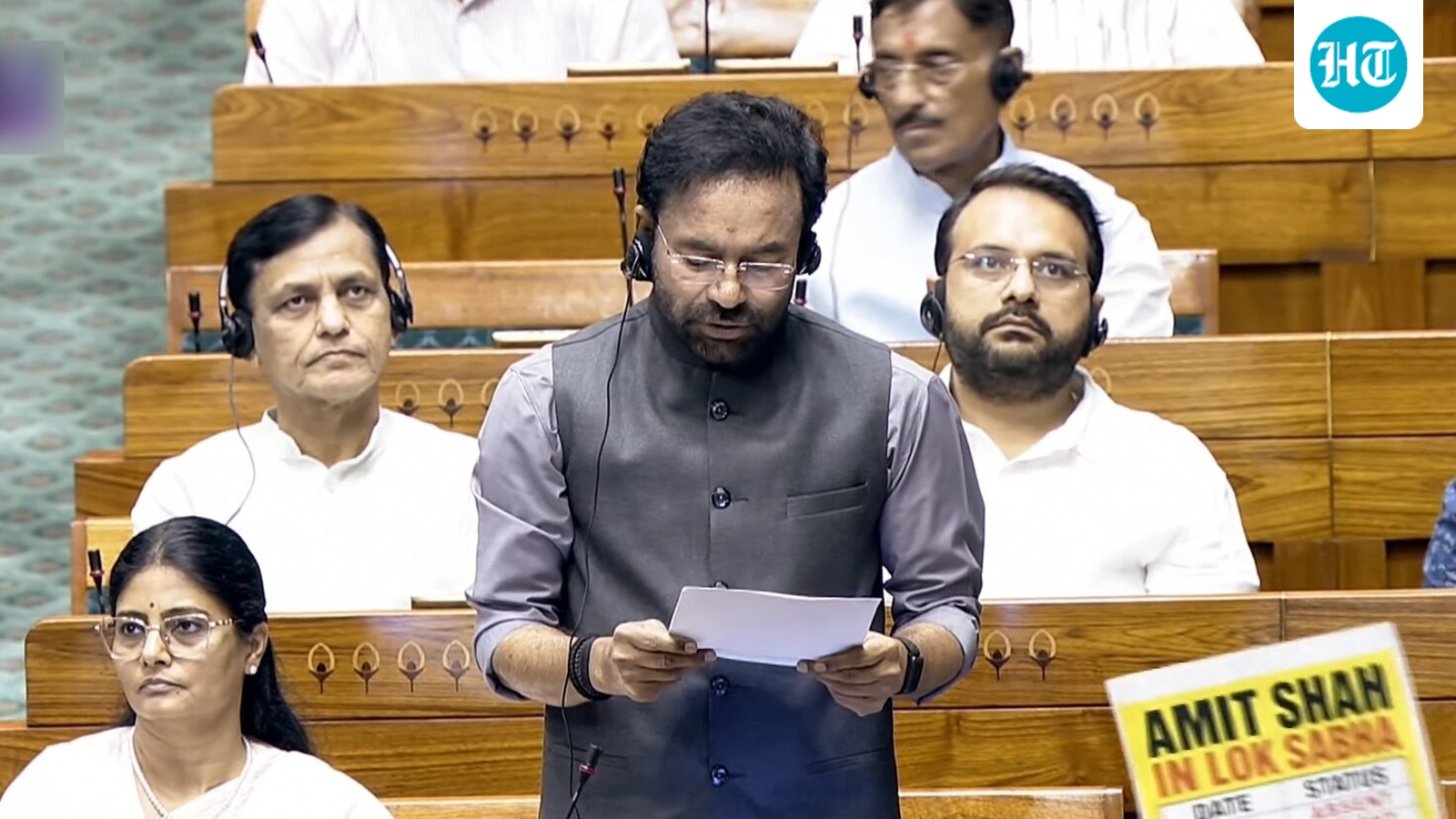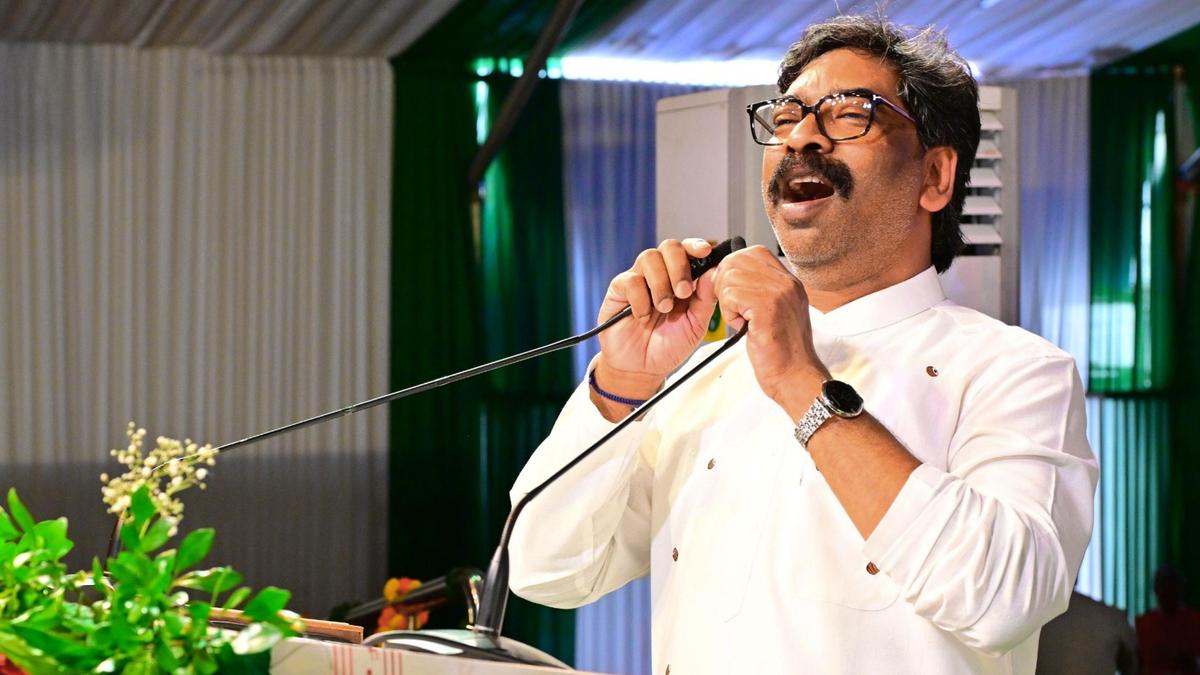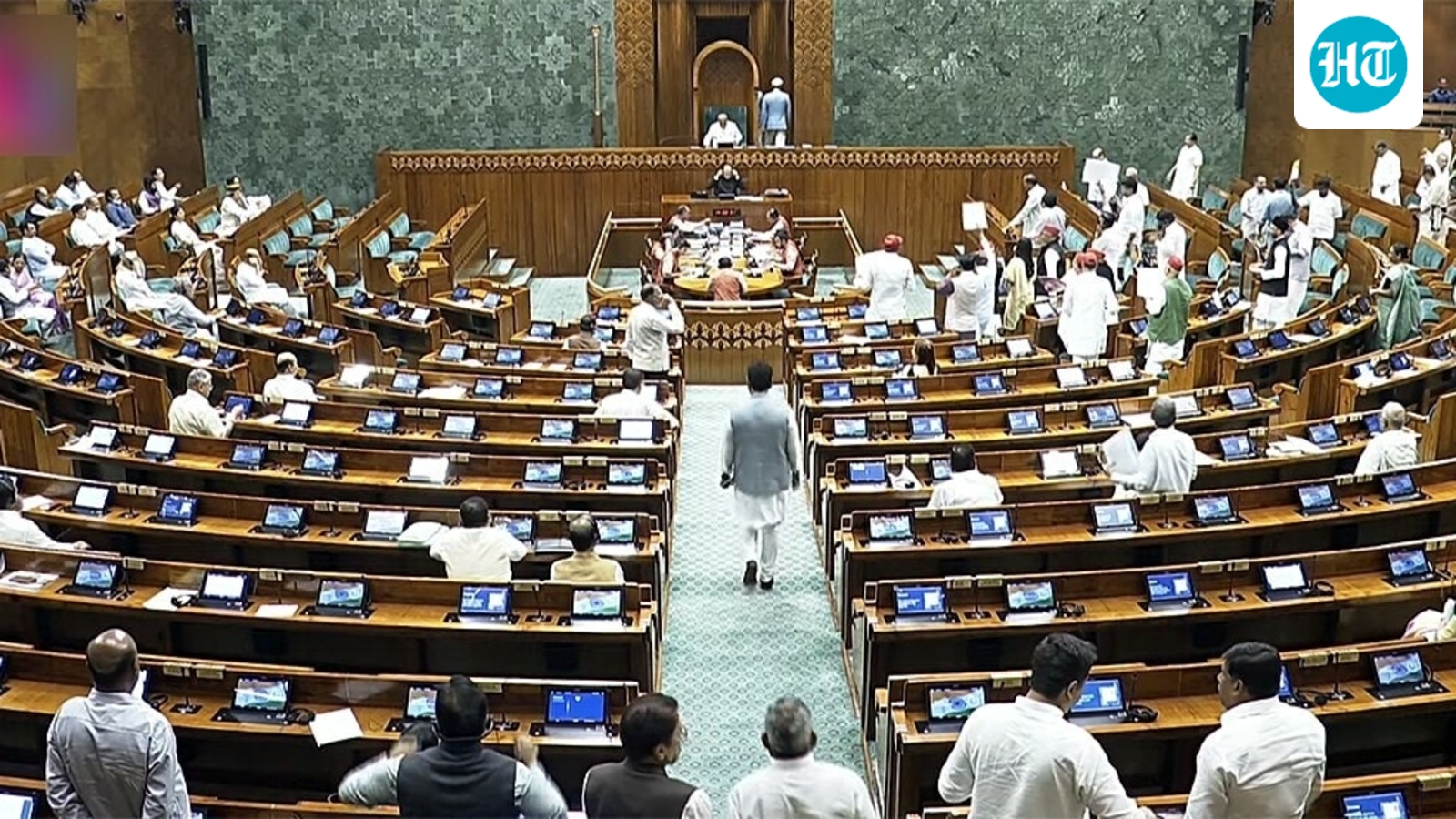
India's government on Friday said uneven taxes on mineral rights and mineral-bearing lands raise domestic costs and fragment the national market, a day after it passed a bill to curb new state taxes on mining amid protests.Opposition parties argue that the curbs will hurt finances of mineral-rich states.Here are some key details:The federal government said that unconstrained and uneven state taxes make domestic minerals less competitive and encourage unnecessary imports.On Thursday, India's parliament passed the Mines and Minerals (Development and Regulation) Amendment Bill, which restricts state governments from imposing new taxes, cesses or other levies on mineral rights and mineral-bearing lands unless permitted under conditions set by the federal government.Late on Thursday, Hemant Soren, chief minister of the eastern Indian state of Jharkhand, urged Prime Minister Narendra Modi to reconsider the bill.Soren said in a letter posted on X that mining revenue accounted for 84.9% of Jharkhand's non-tax revenue in fiscal year 2024-25."Any substantial restriction on this revenue would directly affect Jharkhand's ability to sustain development, welfare and social-security interventions," he said.The federal government said the bill will not reduce states' rights over land, minerals or mineral taxes, with states continuing to receive about 90% of mining-related taxes and payments.
India says mining tax curbs for states needed to prevent market fragmentation
The Indian government has implemented restrictions on new state taxes concerning mineral rights and land to streamline the national market and lower domestic mineral prices. However, opposition parties contend these limitations may harm the financial stability of mineral-rich regions. Jharkhand's chief minister has appealed to the Prime Minister for a re-evaluation of the legislation, although the federal government assures states will continue to receive the majority of mining-related tax revenues.
200 words~1 min read