Michigan’s utility regulator told state lawmakers this week that legislation ending the cycle of yearly rate increases and rewriting the way utilities earn profit would do more for household energy bills than anything the commission can do on its own.The Michigan Public Service Commission (MPSC) released recommendations Monday that were detailed in a letter Chair Dan Scripps sent to Gov. Gretchen Whitmer July 16.Whitmer asked the commission in June to identify legislative changes that would lower utility bills and improve reliability, along with ways to strengthen energy assistance.The core of the letter is an argument that many ratepayer advocacy groups have been making for years: that Michigan’s regulatory model pays utilities a return on what they build, which pushes them toward expensive capital projects and away from cheaper options like tree trimming, maintenance, or better use of existing infrastructure.“The most impactful opportunity may be to counter the inherent bias for utilities to invest in capital projects,” the letter says.
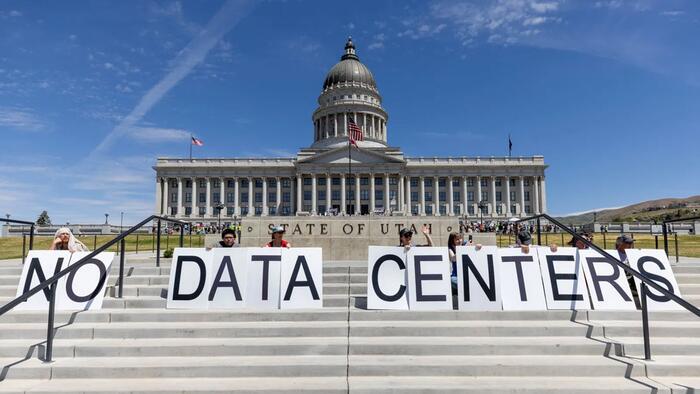
What the commission is asking forMichigan law lets utilities file for a rate increase every 12 months, and the state’s largest utilities, DTE Electric and Consumers Energy, have effectively done so. The commission wants authority to set multiyear rate plans tied to performance on reliability and affordability metrics.Other recommendations include:1. Requiring utilities to show they are getting more out of existing transmission and distribution lines, including advanced conductors and grid-enhancing technologies, before building new ones. The commission cites Brattle Group estimates that a 10% increase in grid utilization could cut rates 3.4% nationally.2. Cutting back a bonus utilities collect for buying power. Utilities make their money by building things, so state law pays them an extra fee when they buy power from an outside developer instead, and customers cover that fee. The commission says utilities often get paid for nothing: they’ve collected about $868 million since 2019, and $121.7 million of that went to deals federal law already required them to make.3. Changing how utilities get paid back for closed power plants. When a plant shuts down before customers have finished paying it off, the utility can refinance what’s left using a low-interest bond, which costs customers less. That’s optional today, and utilities have sometimes negotiated deals that let them keep collecting a profit on plants that no longer run. The commission wants the cheaper route to be required.4. Writing the data center rules into law. The commission has already imposed terms on Consumers and DTE meant to keep data centers from shifting their costs onto everyone else, and it wants those locked into statute so a future commission can’t undo them. It also wants to close a gap: state law currently exempts data centers from paying for the high-voltage lines needed to serve them.5. Opening the door to virtual power plants. Rooftop solar, home batteries, and smart thermostats can be bundled together and sold to the grid as if they were a small power plant, with participating customers paying for it. Michigan bars residential customers from doing this because the commission has no authority to vet the companies that would do the bundling. It’s asking for that authority.6. Letting the commission require utilities to take bids. Utilities currently follow competitive bidding guidelines voluntarily. The commission says its own reports on renewable projects showed that ones built by outside developers cost less than ones the utilities built themselves.On the utility assistance front, the commission recommends aligning low-income rate eligibility and LIHEAP-funded programs with the Michigan Energy Assistance Program (MEAP) threshold of 60% of state median income.