By
August 14, 2026 / 1:00 PM EDT
/ CBS News
Add CBS News on Google
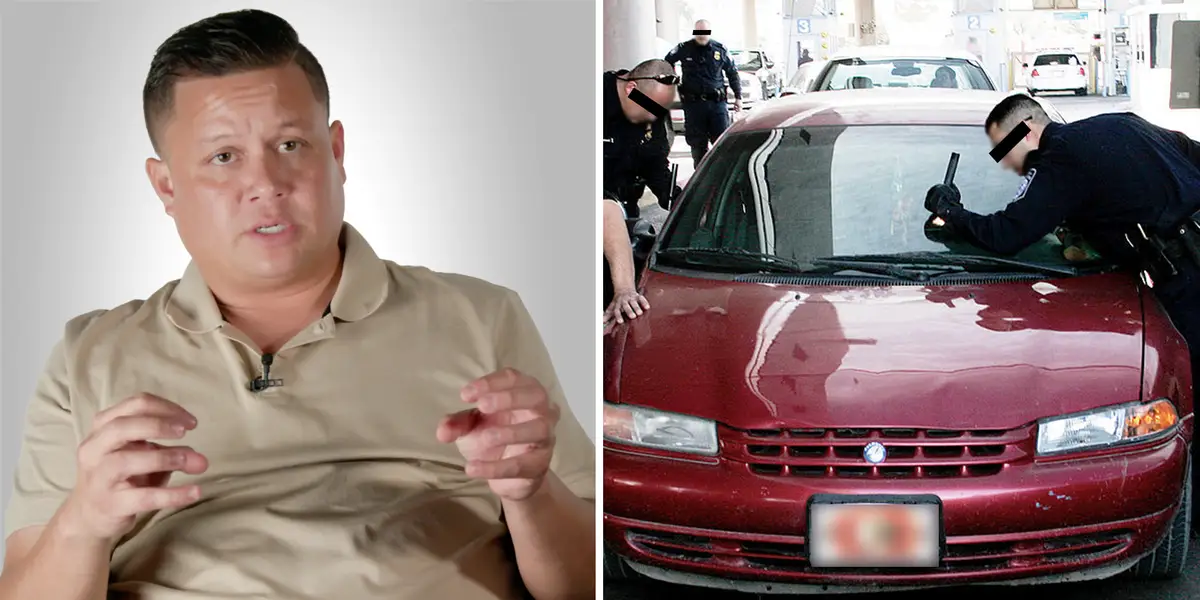
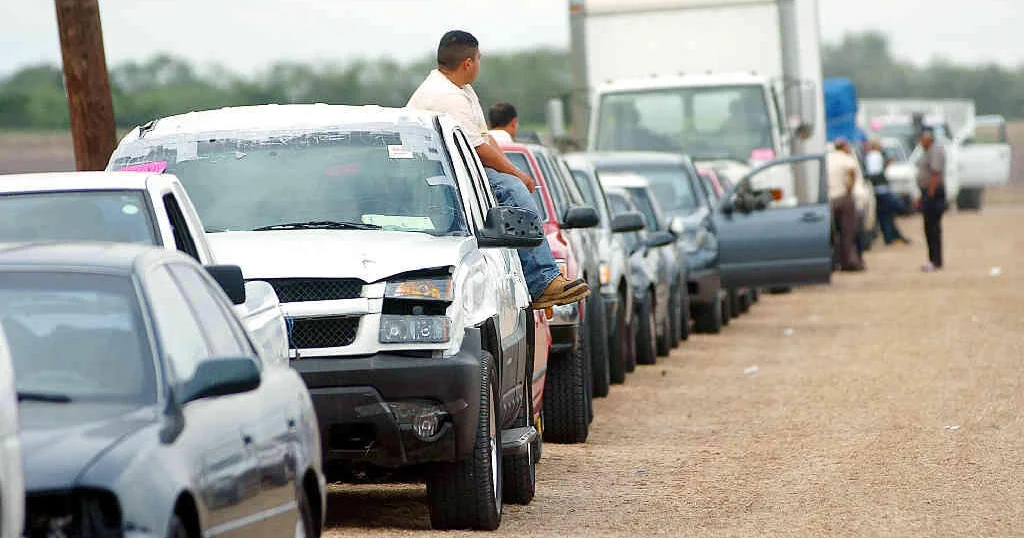
Along the Texas-Mexico border, it's known as "the Pool." And this week, federal authorities say they caught one of the men accused of helping run it.Every year, drivers known as transmigrantes transport used cars bought in the United States through Mexico to be resold in Central America. Federal prosecutors say a group of South Texas businessmen found a way to monopolize the industry that took those cars across the border — fixing the fees, pooling their revenues and squeezing businesses that refused to comply. At the center of the scheme, authorities say, was Carlos Martinez, a Mission, Texas, businessman known as "Cuate" who controlled the transmigrante forwarding agency near the Los Indios border crossing in Texas' Rio Grande Valley. Prosecutors allege Martinez — the son-in-law of a former notorious Gulf Cartel leader — helped turn a cluster of supposedly competing businesses into a tightly controlled network of fixed prices, shared revenue, cash payments and intimidation. He pleaded guilty to federal charges and was sentenced to prison time.Working alongside him, prosecutors allege, was Rigoberto Brown, a dual U.S.-Mexican citizen who served in managerial roles on Martinez's behalf, helping him pull off the alleged scheme. Brown was charged in November 2022 with conspiring to fix prices and divide the market and with conspiring to monopolize the transmigrante forwarding business. Then he disappeared.For nearly four years, authorities say, Brown lived as a fugitive in Mexico. This week, they caught him near McAllen, Texas. He is set to be arraigned Friday in federal court in Houston. An alleged price-fixing 'empresa'For years, much of the traffic moved by transmigrantes was funneled through one place.Before March 2021, Mexican regulations required commerce to enter Mexico through the Los Indios Port of Entry in South Texas, according to the federal indictment. That created a concentrated industry around the crossing, where forwarding agencies helped drivers handle the customs paperwork and other requirements needed to get their vehicles into Mexico.