Free daily briefing on global business news.
Dog body language mistakes are easy to make, since a wagging tail, a bared belly and a yawn rarely mean what most owners assume
A dog's body never stops talking, and most of what it says gets lost in translation. An owner sees a wagging tail and assumes delight. A yawn reads as boredom. A dog rolling onto its back reads as a request for a belly rub. Almost none of that is quite right. The gap between what a dog signals and what a person assumes it means causes a lot of avoidable friction, and a fair number of dog bites.
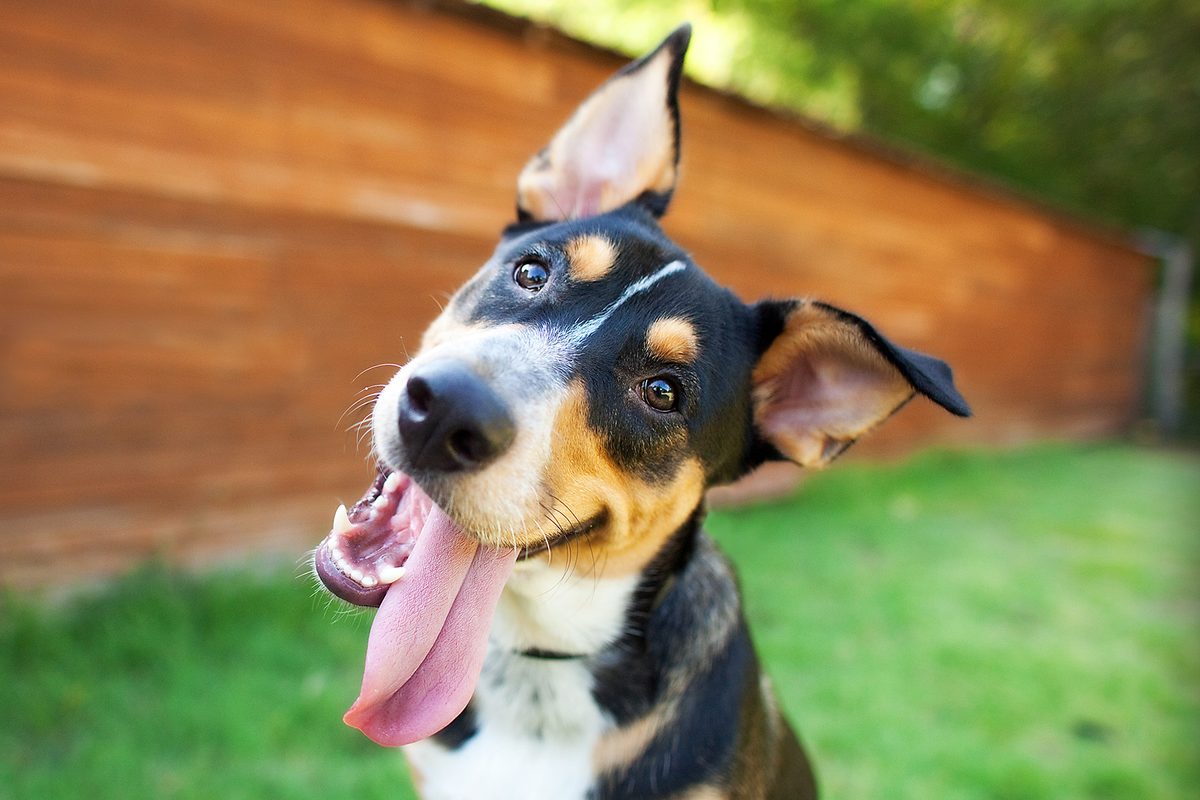
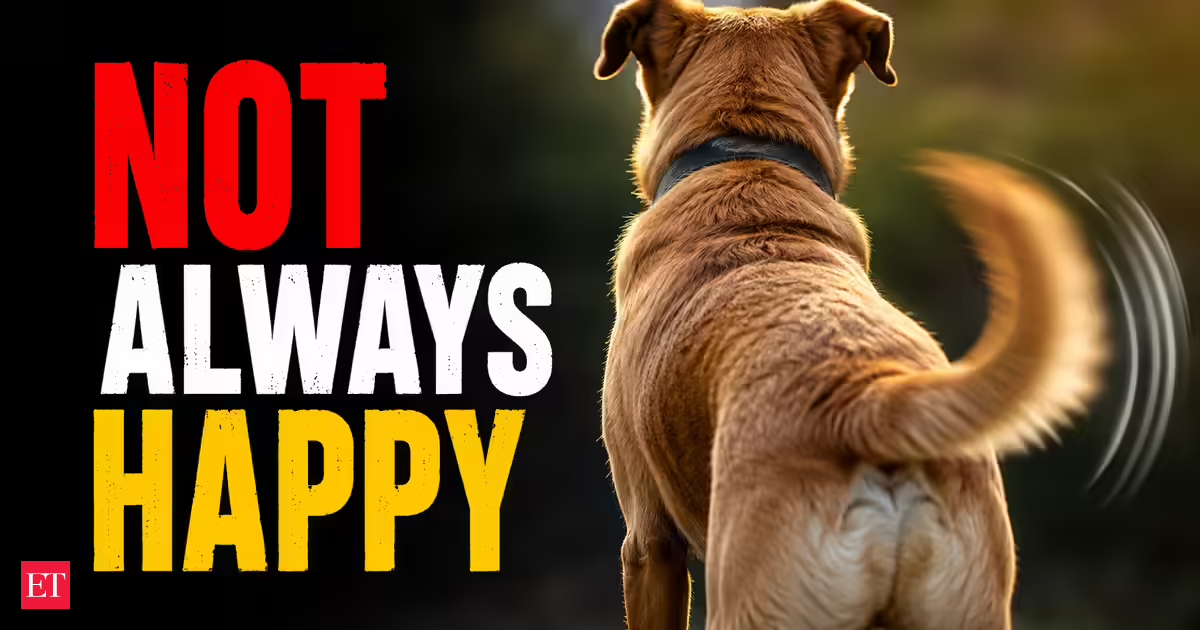
Many common dog body language mistakes trace back to one habit: reading a single signal in isolation instead of looking at the whole animal. A fast-moving tail is not automatically a happy tail. A soft, open mouth that looks like a grin is not automatically a relaxed one. Veterinary behaviorists and canine researchers have spent decades documenting how dogs use their ears, eyes, mouths, fur, and posture to communicate comfort, uncertainty, and warning. The findings often point in the opposite direction from instinct. A 2009 study out of Barnard College, for instance, found that the so-called guilty look has almost nothing to do with a dog's memory of chewing up a shoe. It has everything to do with how the owner behaves when they walk back into the room.