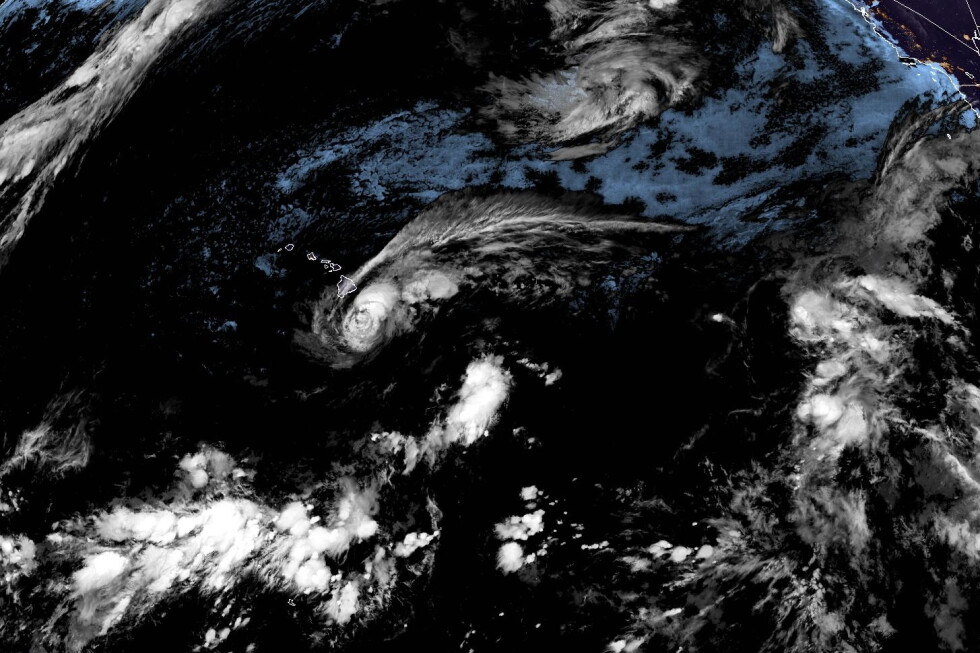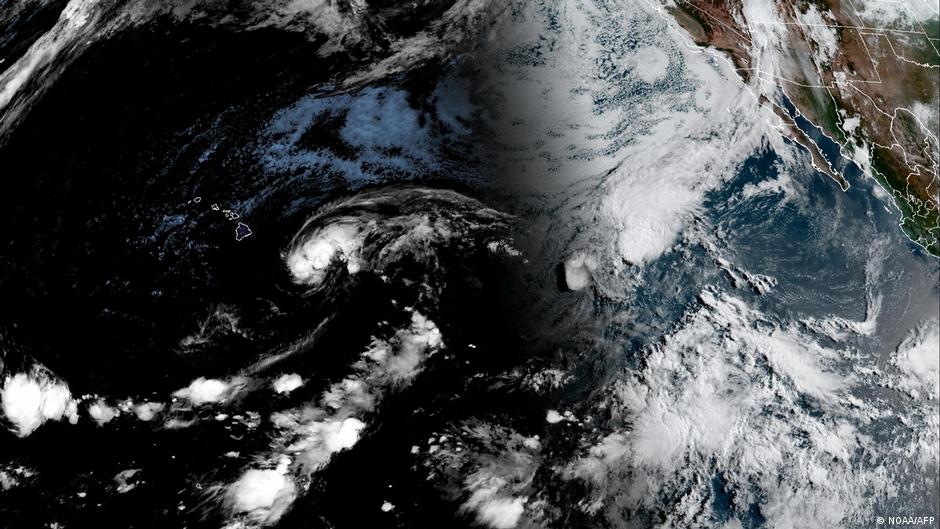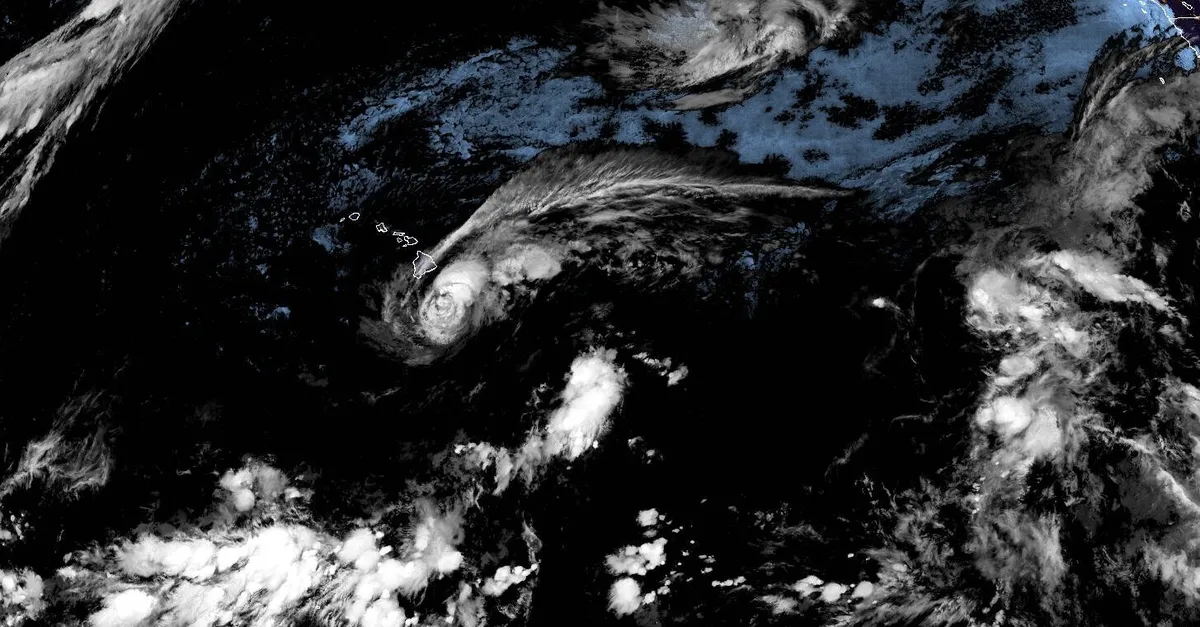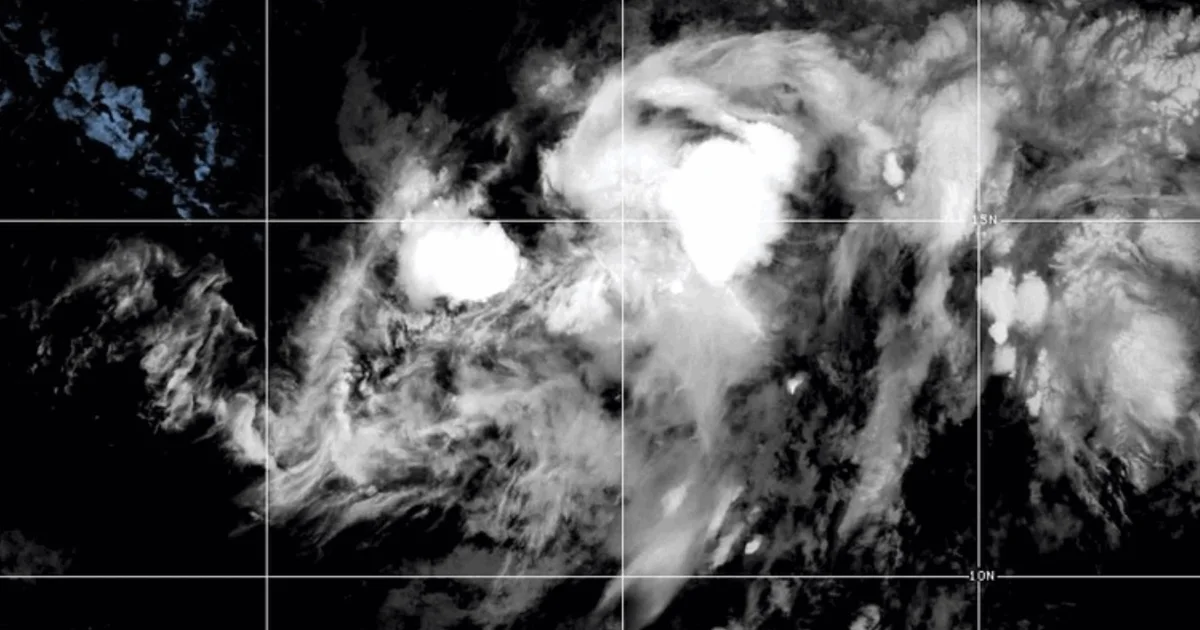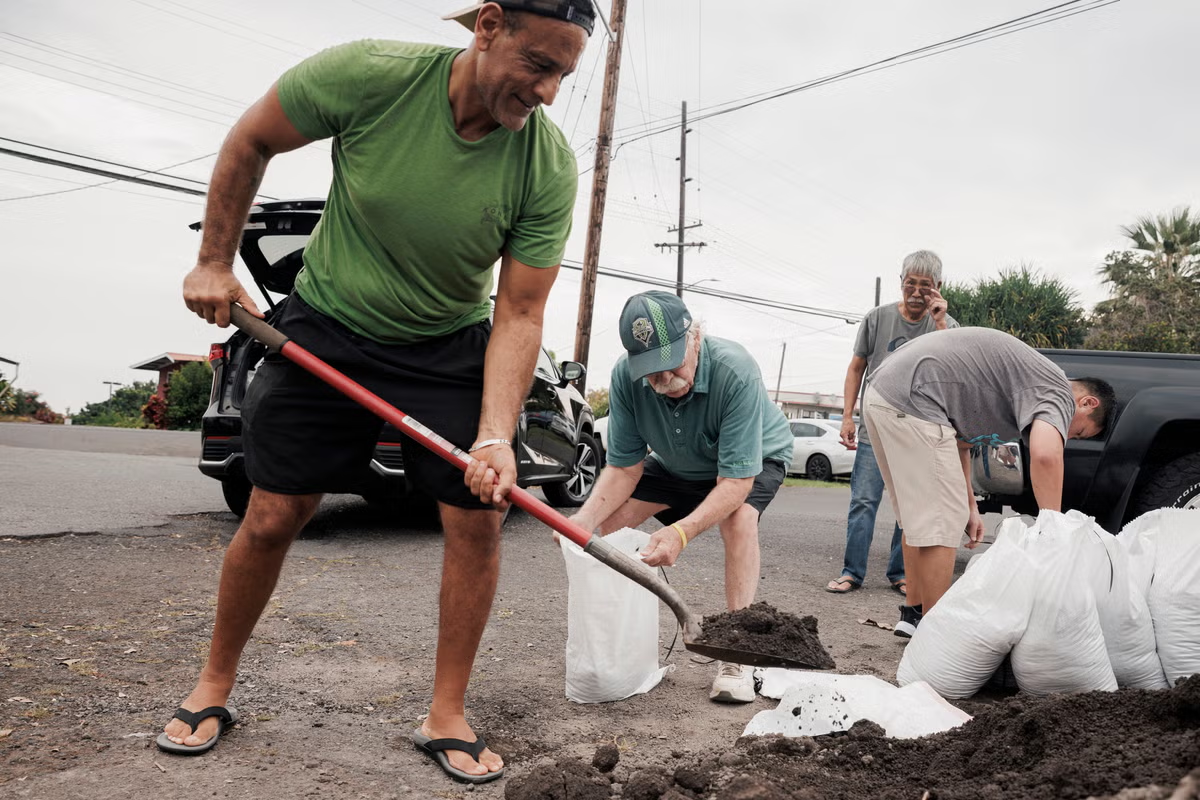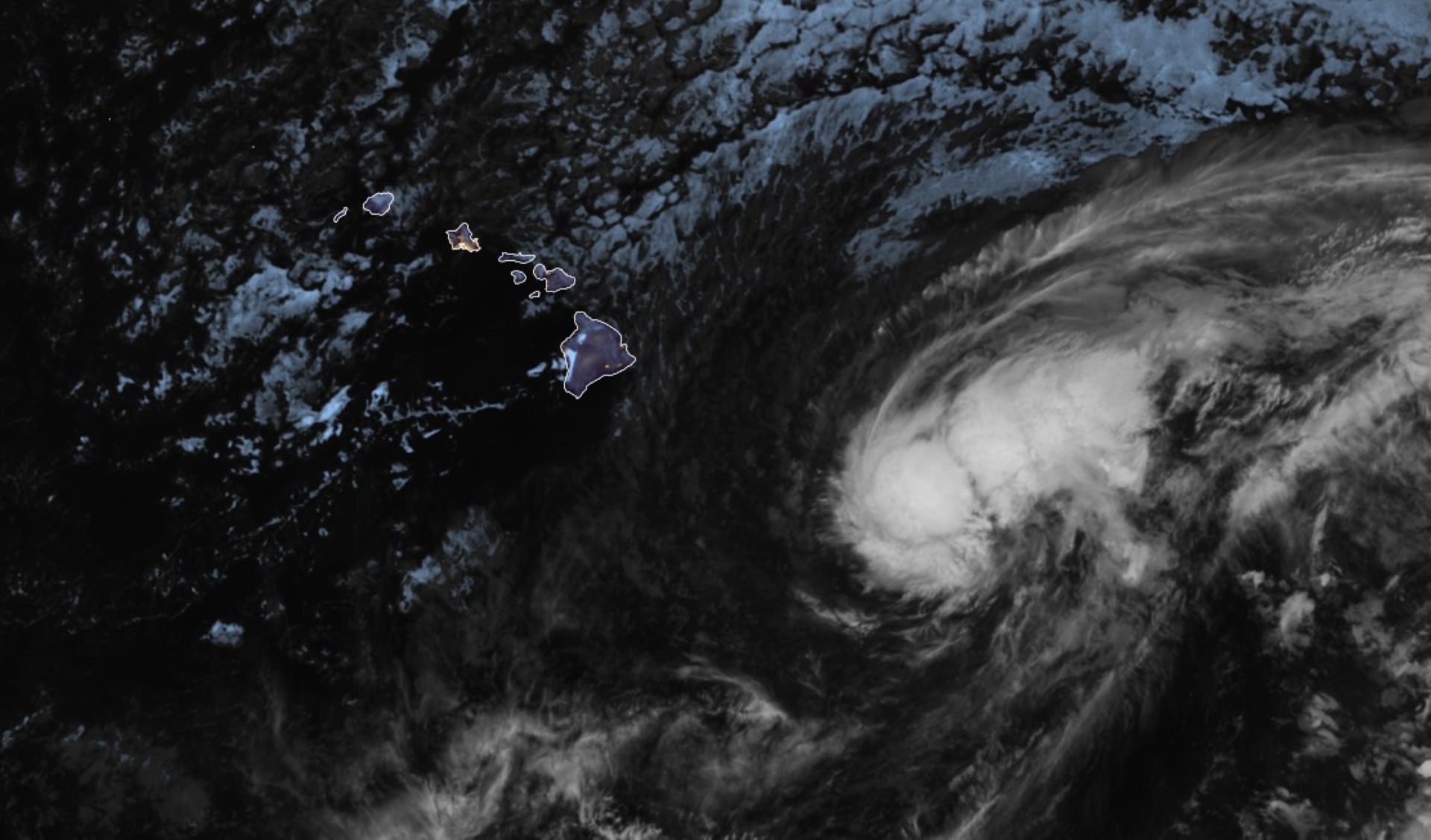
Hurricane warnings are up for the Big Island of Hawaii, and other watches and warnings are in effect across the state, as Tropical Storm Lala, tracking over unusually warm waters, threatens to become the state’s first landfalling hurricane in more than 30 years – and only the second one on record. Lala officially became a tropical storm on Thursday over the central Pacific.
The big story with this system will be the potential for life-threatening flooding, as periods of heavy rain will move into the Big Island at the start of the weekend, exacerbated by the strong onshore winds pushing up the east-facing slopes around Mauna Loa and Mauna Kea.
Although several systems this year have moved from the eastern tropical Pacific Ocean into the central Pacific, Lala is the year’s first “homegrown” system in this region. Unlike the Atlantic and eastern Pacific and their rotating lists of names, the central Pacific has only a single list of names used from one year to the next, since conditions are usually less favorable for development.
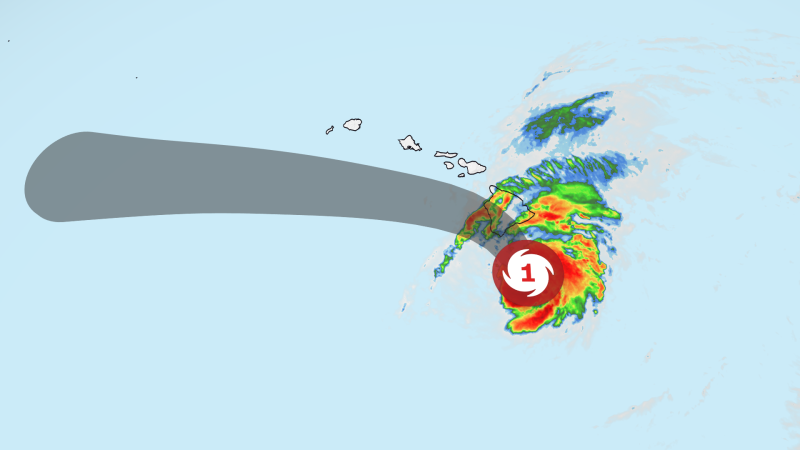
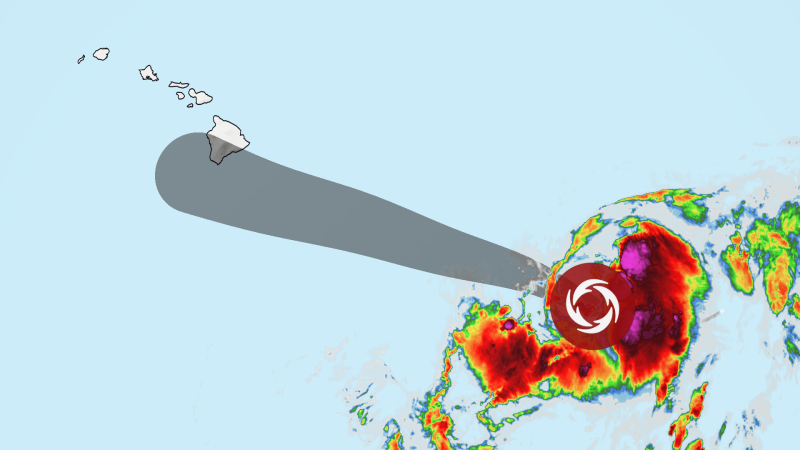
Figure 1. Official forecast by the National Hurricane Center issued at 5 a..m. HST (11 a.m. EDT) on Friday, August 14, 2026. (Image credit: NHC)
As of 5 a.m. HST (11 a.m. EDT) Friday morning, Lala was located about 420 miles (680 kilometers) southeast of Hilo, moving west-northwest at around 12 mph (19 km/h). The minimum central pressure had dropped slightly to 997 mb. Top sustained winds were holding at 60 mph (95 km/h), but conditions will become favorable for Lala to reach hurricane status before arriving at or near the southern end of the Island of Hawaii, informally known as the Big Island, on Saturday. The only limiting factor for the system’s strengthening is dry air in the midlevels of the atmosphere, which could slow its intensification.