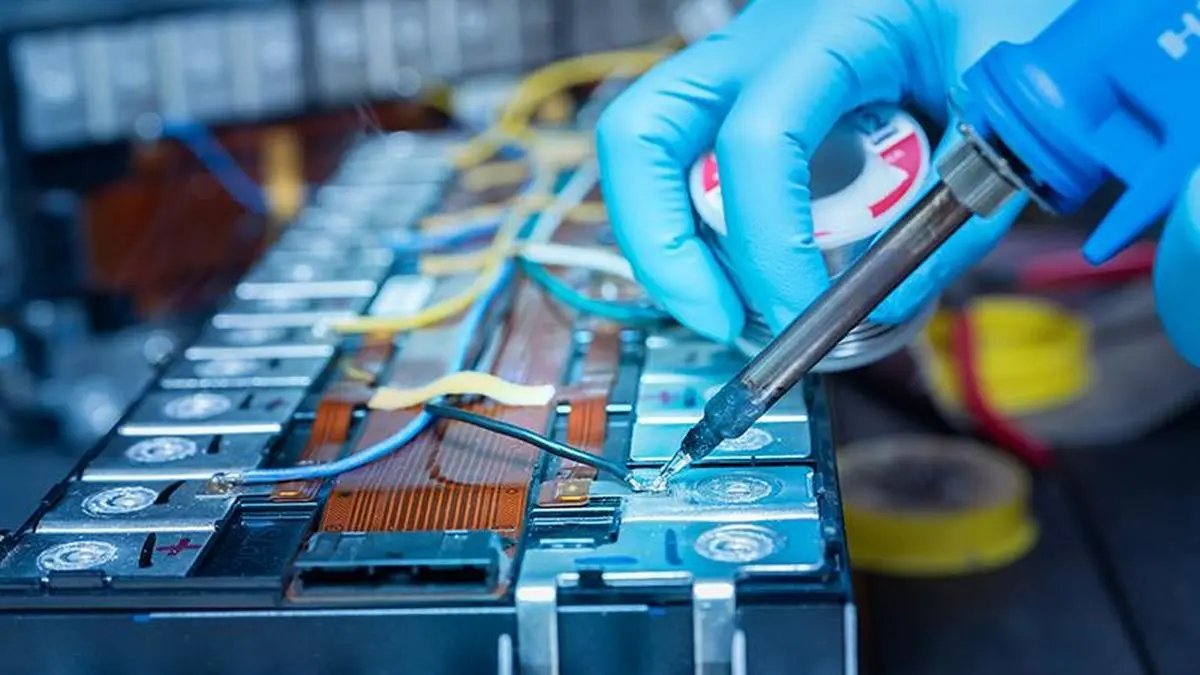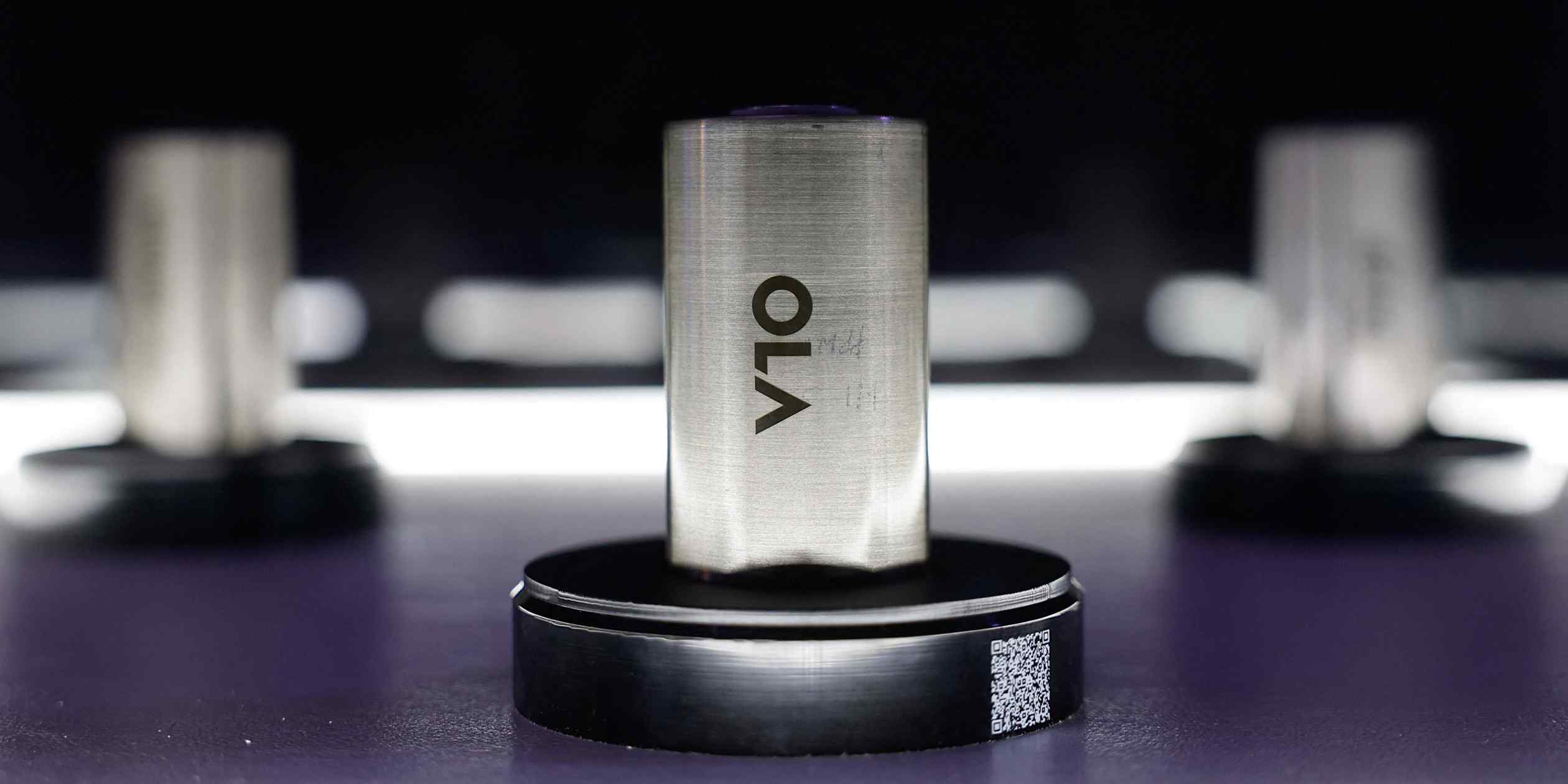
A lithium-ion cell is mostly cathode.
The material accounts for a large share of what the cell costs; it determines how much energy the battery holds and how long it lasts, and India makes almost none of it.
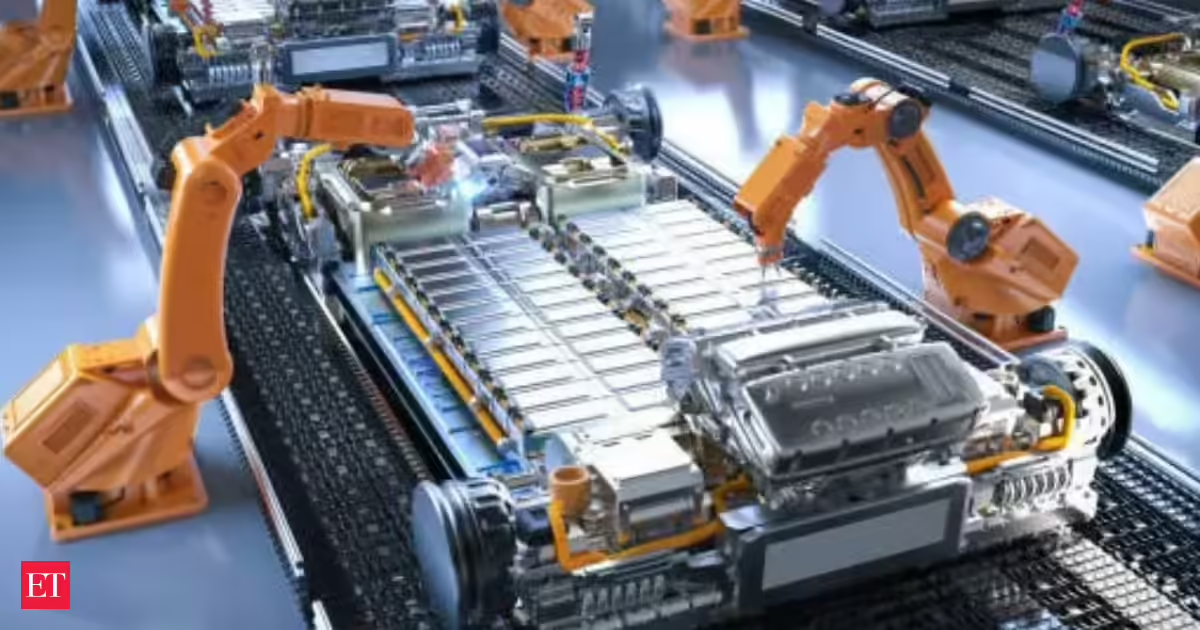
Cell assembly plants have been announced across the country; the powder that goes into them arrives from abroad.
Lithium iron phosphate, known as LFP, is the chemistry that has taken over the volume end of the market.
It holds less energy than the nickel-based alternatives, but it is cheaper, safer and longer-lived, which suits electric two-wheelers, buses and grid storage, the segments where India's demand actually sits.