DETROIT — Army ground units don’t have enough exportable power on their vehicles to charge drones, communications systems or command posts, and the service is urging industry to find solutions quickly, as new, energy-intensive weapons roll out to the force.
“Every formation we have today is underpowered. Every single one of them, and more power requirements are coming,” Brig. Gen. Troy Denomy, program acquisition executive for maneuver, told an audience here at the GVSETS conference’s keynote address Thursday.
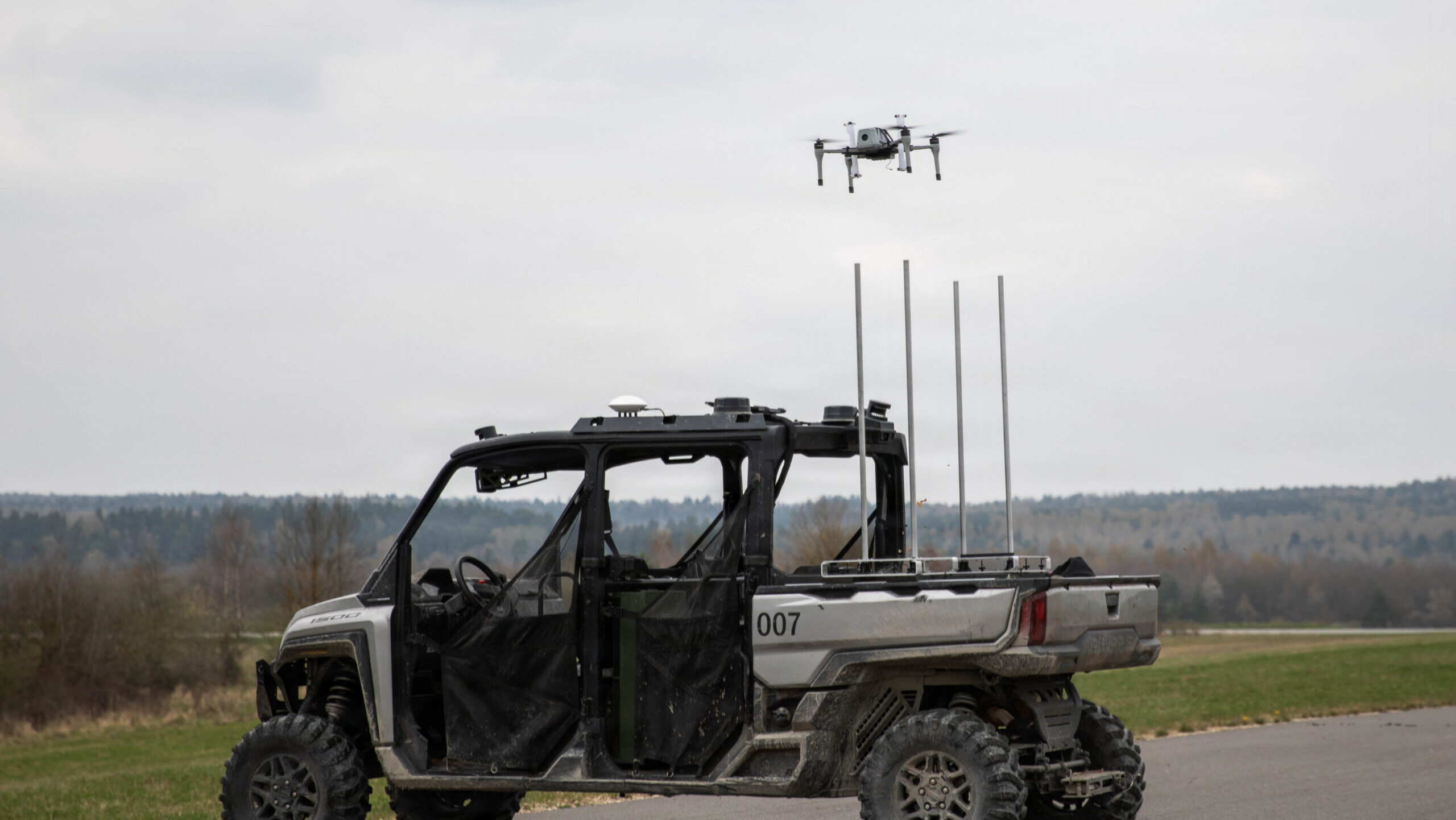
“New counter-UAS [unmanned aerial systems] are going to show up. Next [Generation C2] is going to show up. There are other programs that we have to be mindful of coming in. So, how do we solve our power problem across our formations? And it’s not by buying more generators,” he continued.
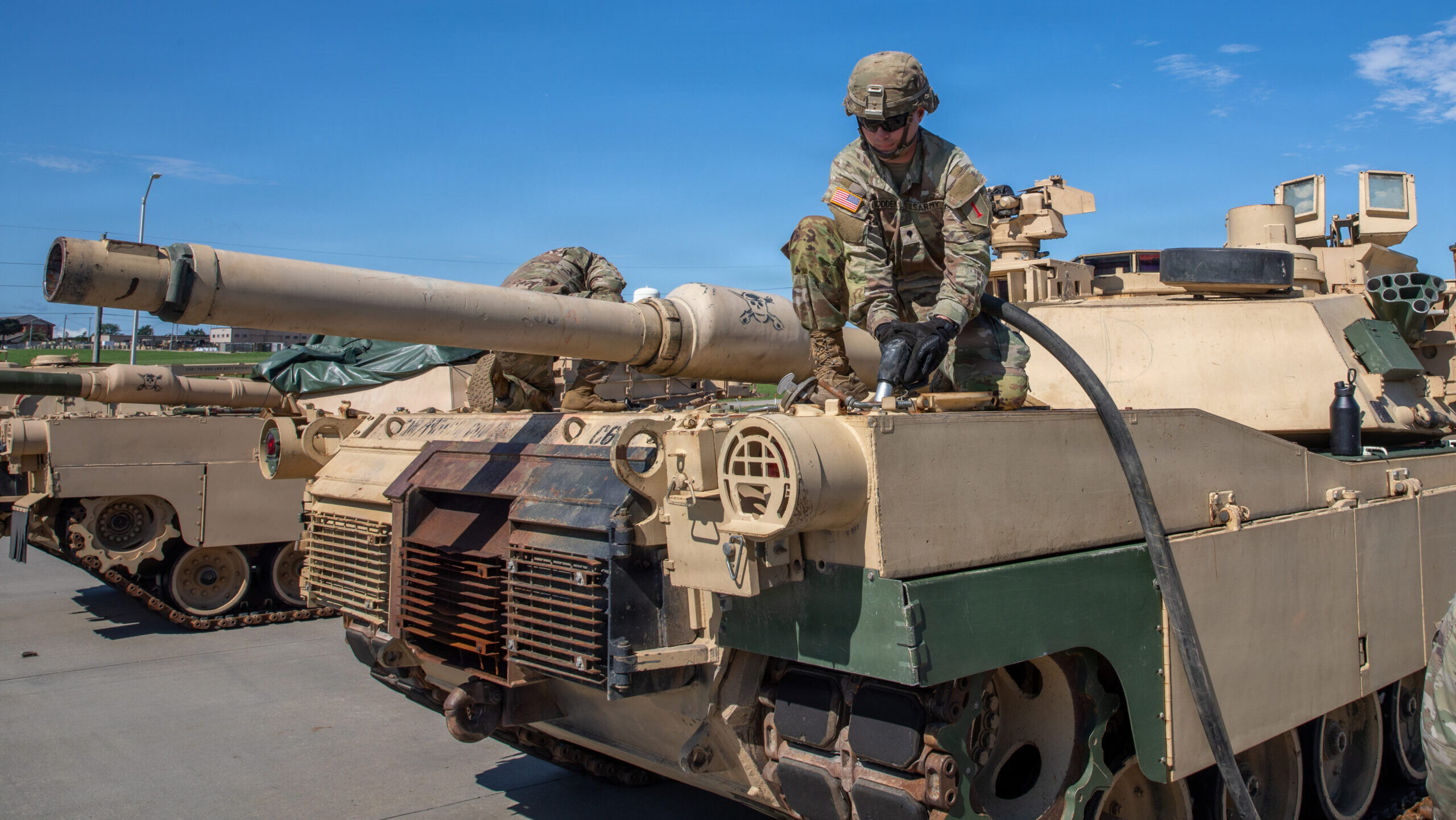
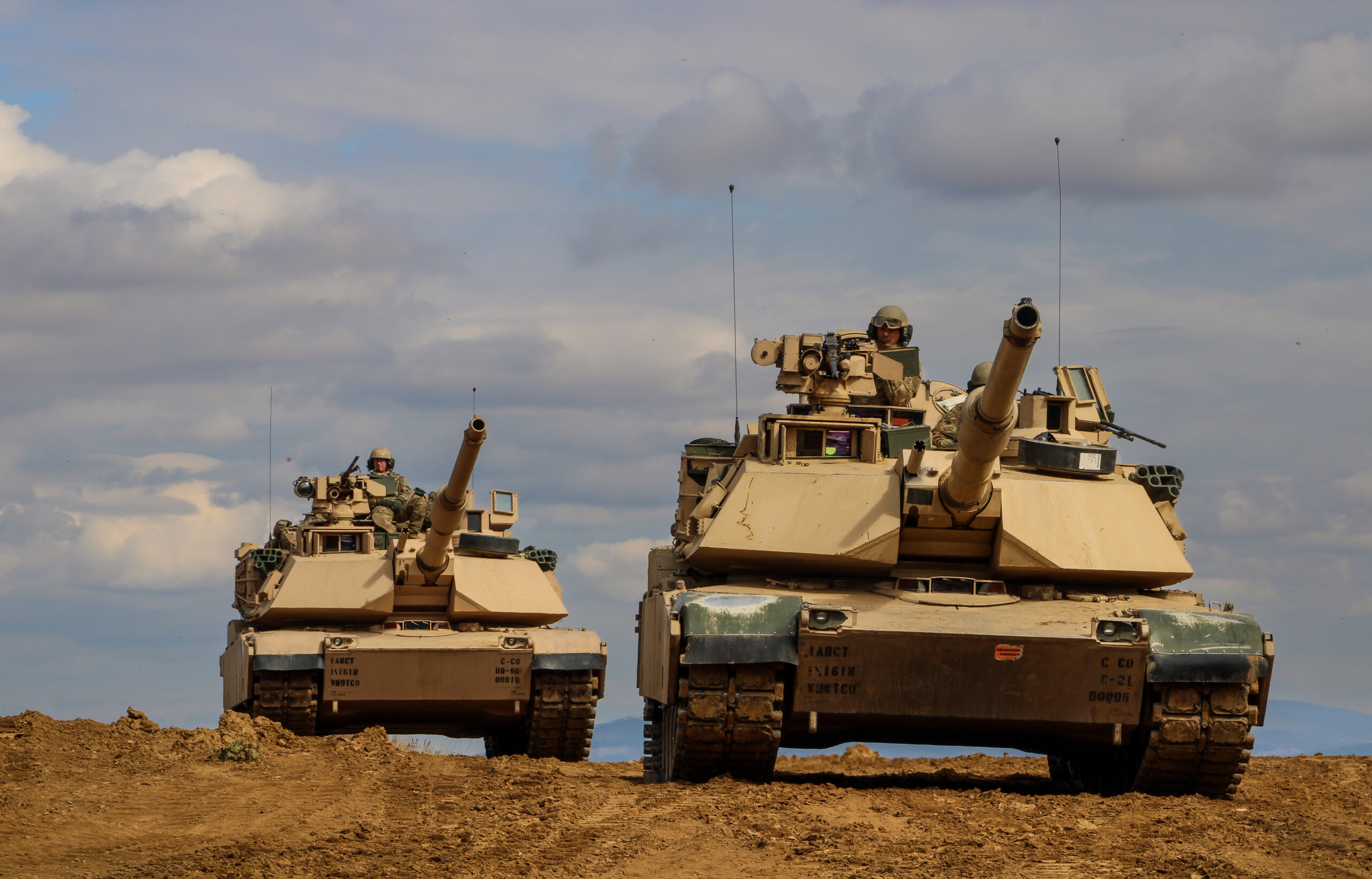
Legacy vehicles in the Army’s current fleet, like the M1A2 Abrams, Bradley Fighting Vehicles and those in the tactical wheeled family, were not built to generate the power needed to charge and run the current systems the Army is increasingly relying on — not only drone and counter-drone systems, but also increasingly complex command posts.
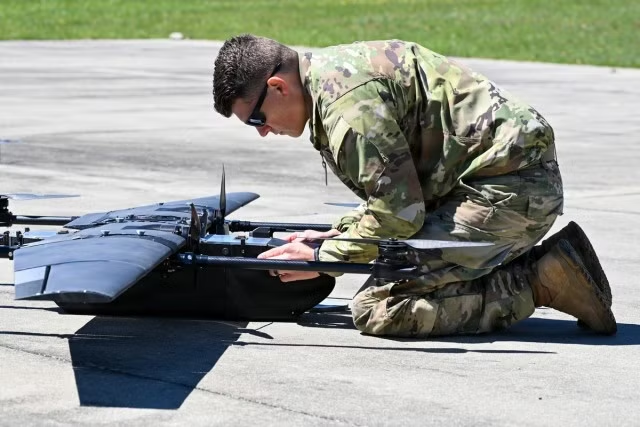
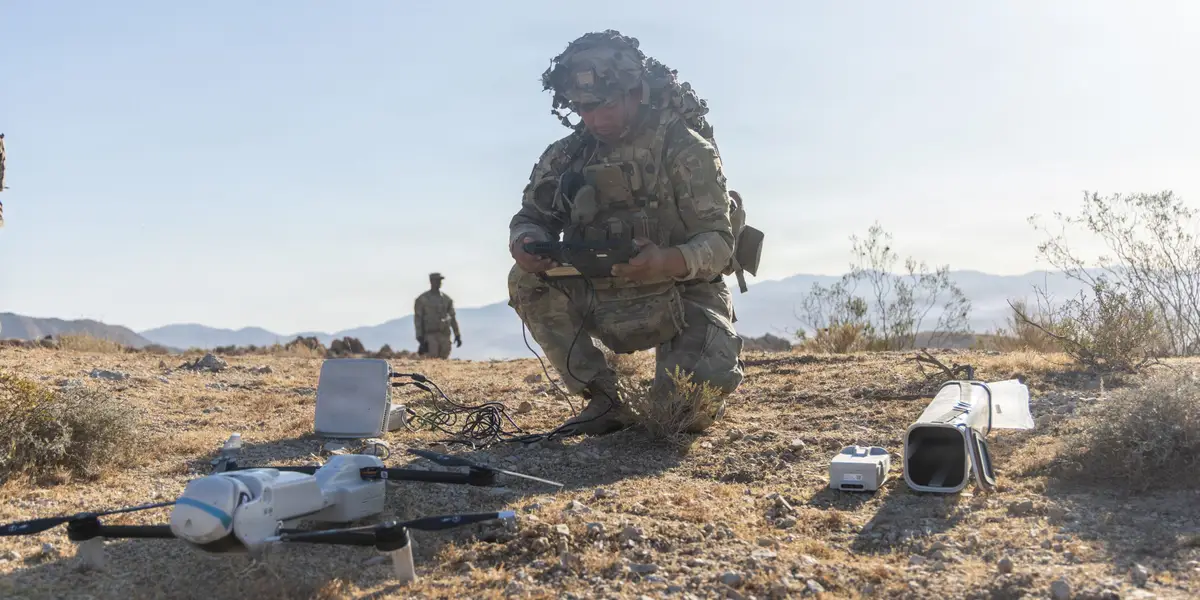
“When I talk to brigade commanders, sitting brigade commanders, their number one problem is how do they have and how do they plan for recharge cycles to keep their UASs in the air, and they don’t have enough ability to do it organically,” Denomy said. “So they’re having to meter how many UASs they can actually put in the air, not because of what the mission dictates, but because of how much power they have available.”