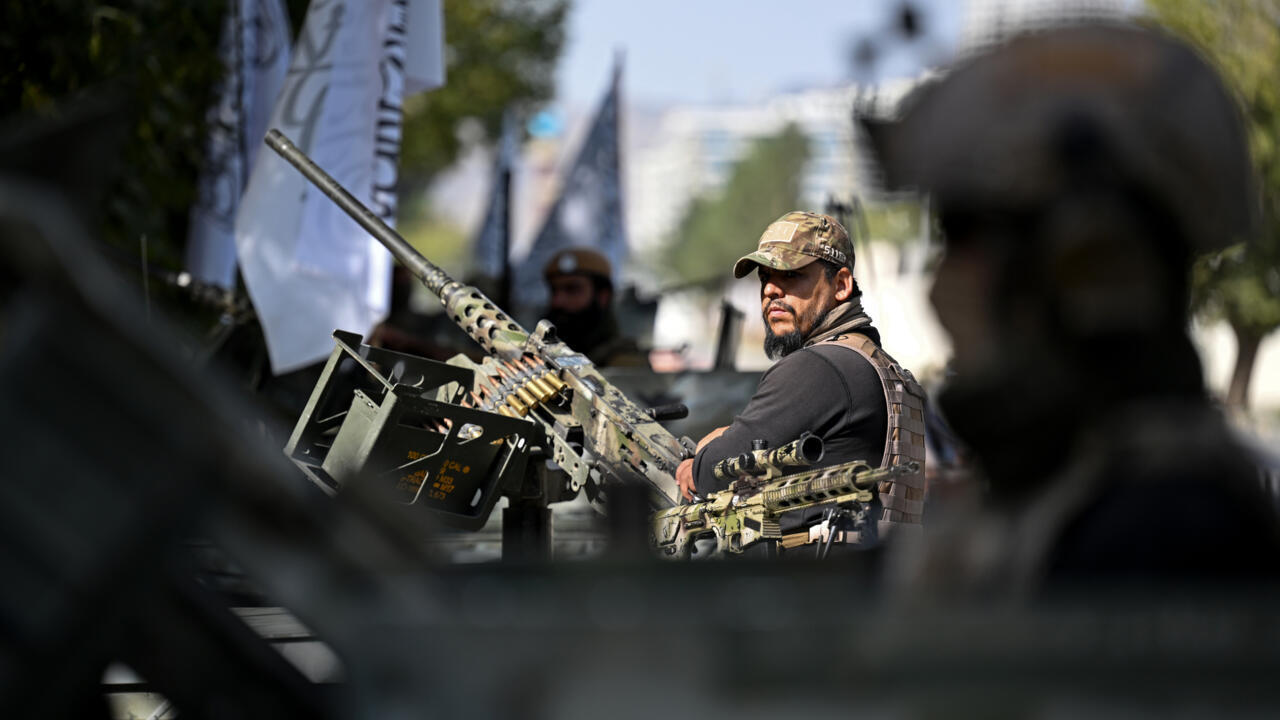
August 15 marks five years since the Taliban returned to power, and throughout that time, the group has presented Afghanistan as a country completely under its control. The small armed opposition in Panjshir, Badakhshan, and Baghlan’s Andarab district has not managed to contest the Taliban’s dominance successfully.
But the emergence of new anti-Taliban movements across the country has begun to challenge that image.
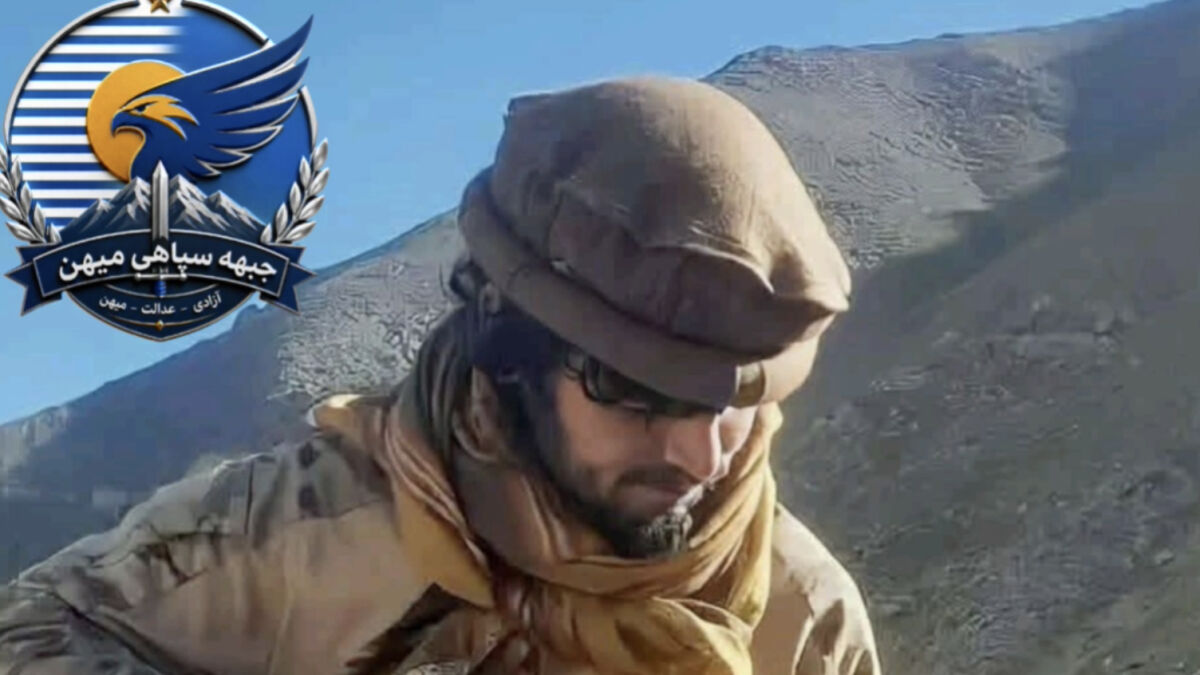
Last month, a new resistance group called Sipahiyan-i-Mihan, or “Soldiers of the Homeland,” briefly captured the center of Yaftal-e Payeen district in Badakhshan. Local sources said its fighters entered the district headquarters, disarmed Taliban personnel, and raised their flag. The group withdrew several hours later and said the withdrawal was voluntary, although the Taliban said the fighters fled when reinforcements arrived.
What neither side could deny was that, for the first time since August 2021, a district center had fallen out of Taliban control. The Taliban later sent reinforcements and prepared a larger operation, but so far, no decisive operation against Sipahiyan-i-Mihan has been publicly reported.
Other new groups have announced operations as well. This week, the Republic Front of Afghanistan said it had targeted a vehicle carrying the Taliban intelligence chief for Kabul’s 18th district and claimed that he and his companions were killed. Local sources confirmed an explosion, but the casualties remain unverified. The U.S.-based Afghanistan United Front, led by former Afghan army commander General Sami Sadat, also announced “Operation Muharib” and claimed attacks in Kandahar, Helmand, and Badghis.