The concessional swap facility will now be available only for FCNR(B) deposits of 3-5 years maturity mobilised till August 31, against the earlier deadline of September 30
| Photo Credit:
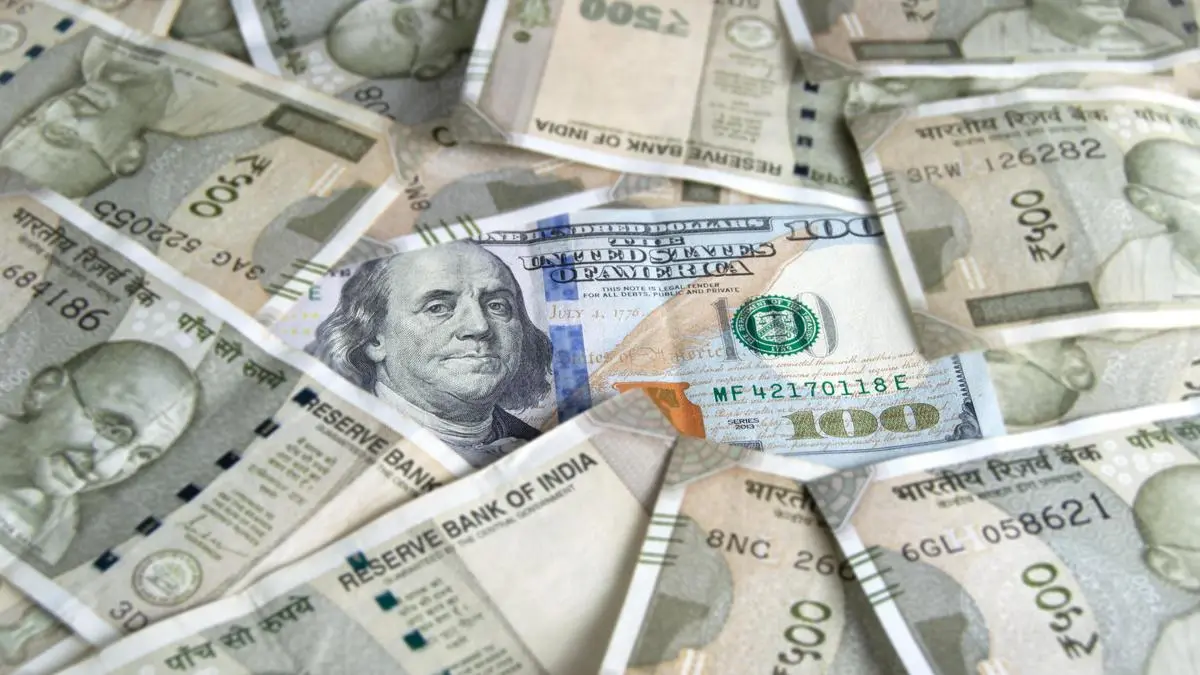
The RBI has decided to pull the plug on the limited period concessional swap facility it is offering banks to attract inflows into Foreign Currency Non-Resident (Bank)/ FCNR-B deposits following robust accretion of $52.30 billion in these deposits between June 8, 2026 till August 13, 2026.The central bank said the concessional swap facility will now be available only for FCNR(B) deposits of 3-5 years maturity mobilised till August 31, 2026, against the earlier deadline of September 30, 2026.Correspondingly, the swaps under this facility — FCNR-B deposits, may be availed by banks with RBI till September 11, 2026, against October 16, 2026 earlier.The move to prematurely close the concessional swap facility is likely to set-off a rush among NRIs to deploy funds in FCNR-B deposits so as not to miss out on the opportunity to earn higher interest rates — 6-7.50 per cent thereabouts.After August 31, banks are likely to revert to old interest rates of about 3 per cent on these deposits.Bankers estimate that banks may mobilise another $15 billion under FCNR-B deposits in the next two fortnights, taking the total inflows under the limited period concessional swap facility to about $67 billion by August-end 2026.Good responseThe RBI, in a statement, said based on the encouraging response to the swap facility for FCNR(B) deposits and the resultant forex inflows, it has been decided that the Swap facility for FCNR(B) deposits will be available only for deposits mobilised till August 31, 2026.Further, the swaps under this facility — FCNR(B) deposits, may be availed with RBI till September 11, 2026. The scheme for external commercial borrowings (ECBs) and overseas foreign currency borrowings (OFCBs) will continue to be open till December 31, 2026, as hitherto.On the move to prematurely close the concessional swap facility relating to FCNR-B deposits, Madan Sabnavis, Chief Economist, Bank of Baroda, observed that probably RBI is targeting a certain quantum of inflows and they have achieved it.V Rama Chandra Reddy, Head -Treasury, Karur Vysya Bank, said the early closure of the FCNR window looks more like calibration than a course correction.“With inflows already crossing $52 billion, RBI appears to have achieved the mobilisation objective and is now shifting from attracting flows to managing their liquidity and balance sheet impact. It is a measured move to avoid excessive incentivisation of incremental flows while retaining focus on currency stability and durable liquidity,” he said.An economist with a private sector bank said since the FCNR-B inflows have been very encouraging, RBI may be encountering a “we don’t require so much” situation.More liquidityFurther, the more this swap takes place, there’ll be so much of rupee liquidity also entering the system. So, $52 billion of FCNR-B deposits will mean that ₹5 lakh crore liquidity getting released into the banking system.The economist opined that not all of this liquidity can be deployed in lending. So, it’ll have to be taken out through open market operation (sale) of Government Securities.Besides FCNR-B deposits, the mobilisation under offshore foreign currency borrowings by banks and external commercial borrowings by public sector undertakings under the concessional swap facility stood at $2.805 billion and $1.741 billion, respectively.Published on August 14, 2026