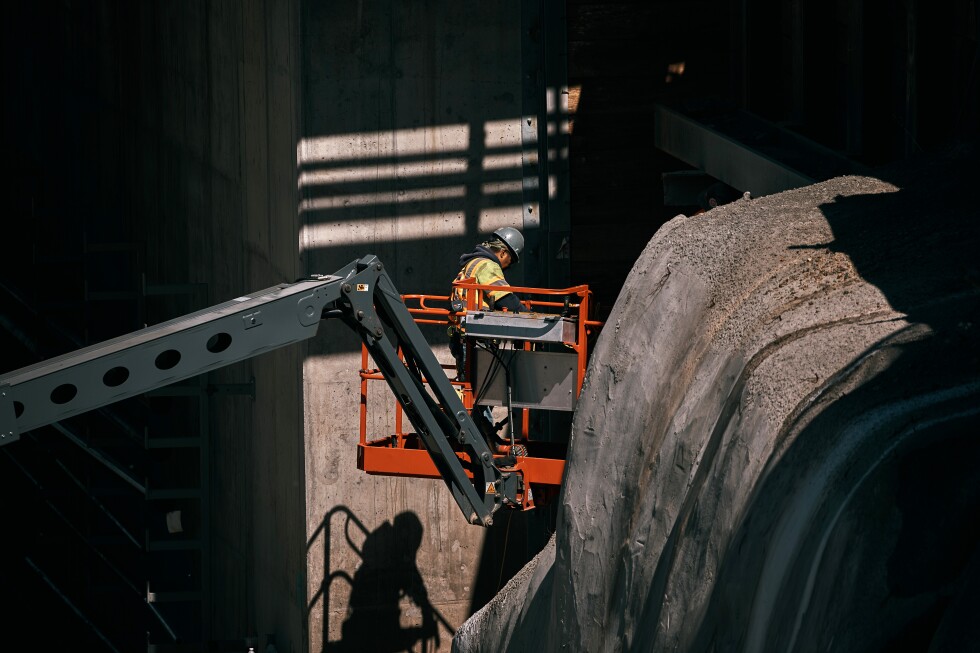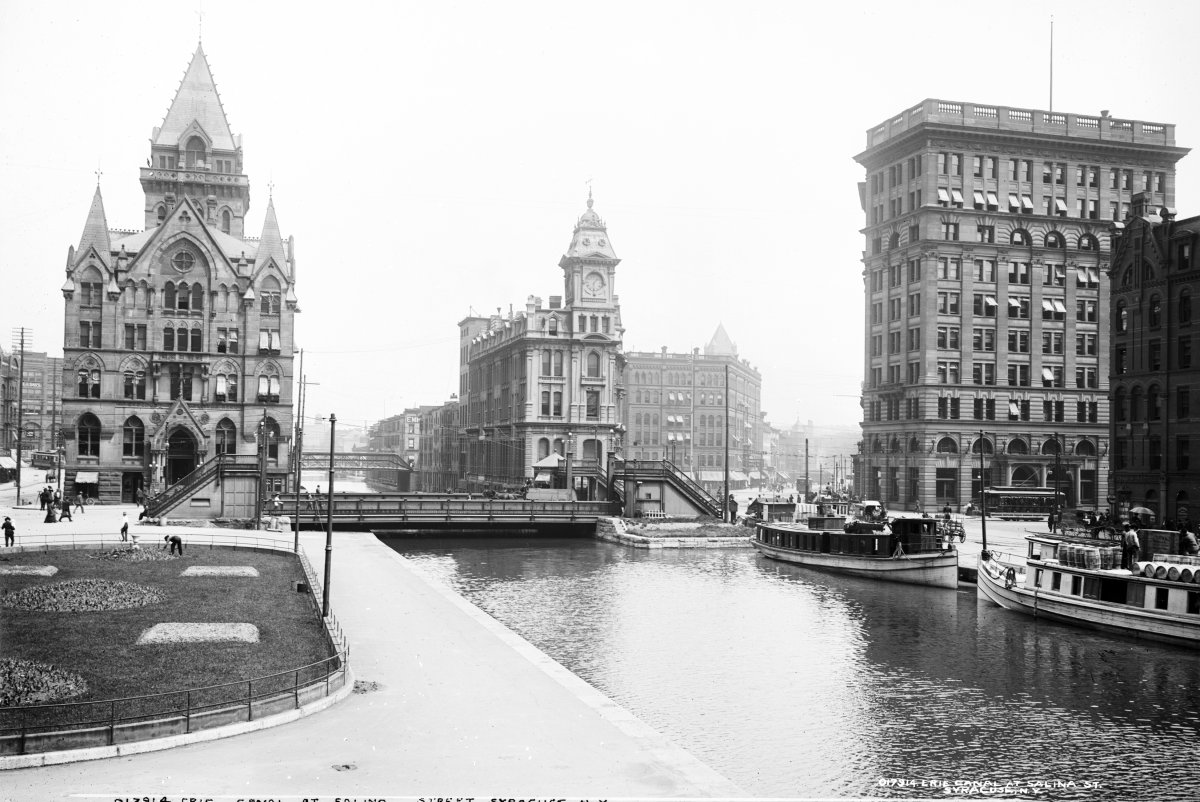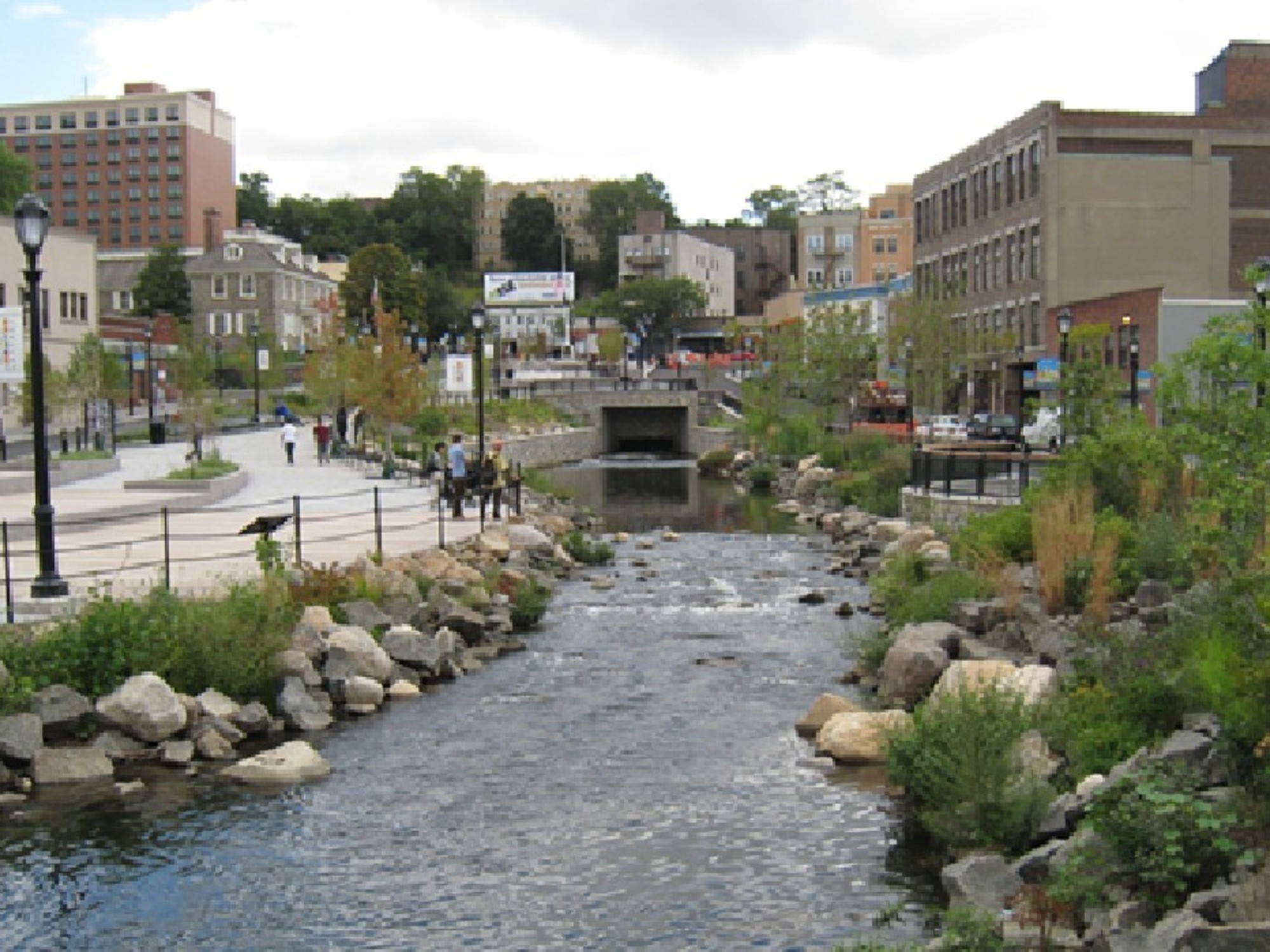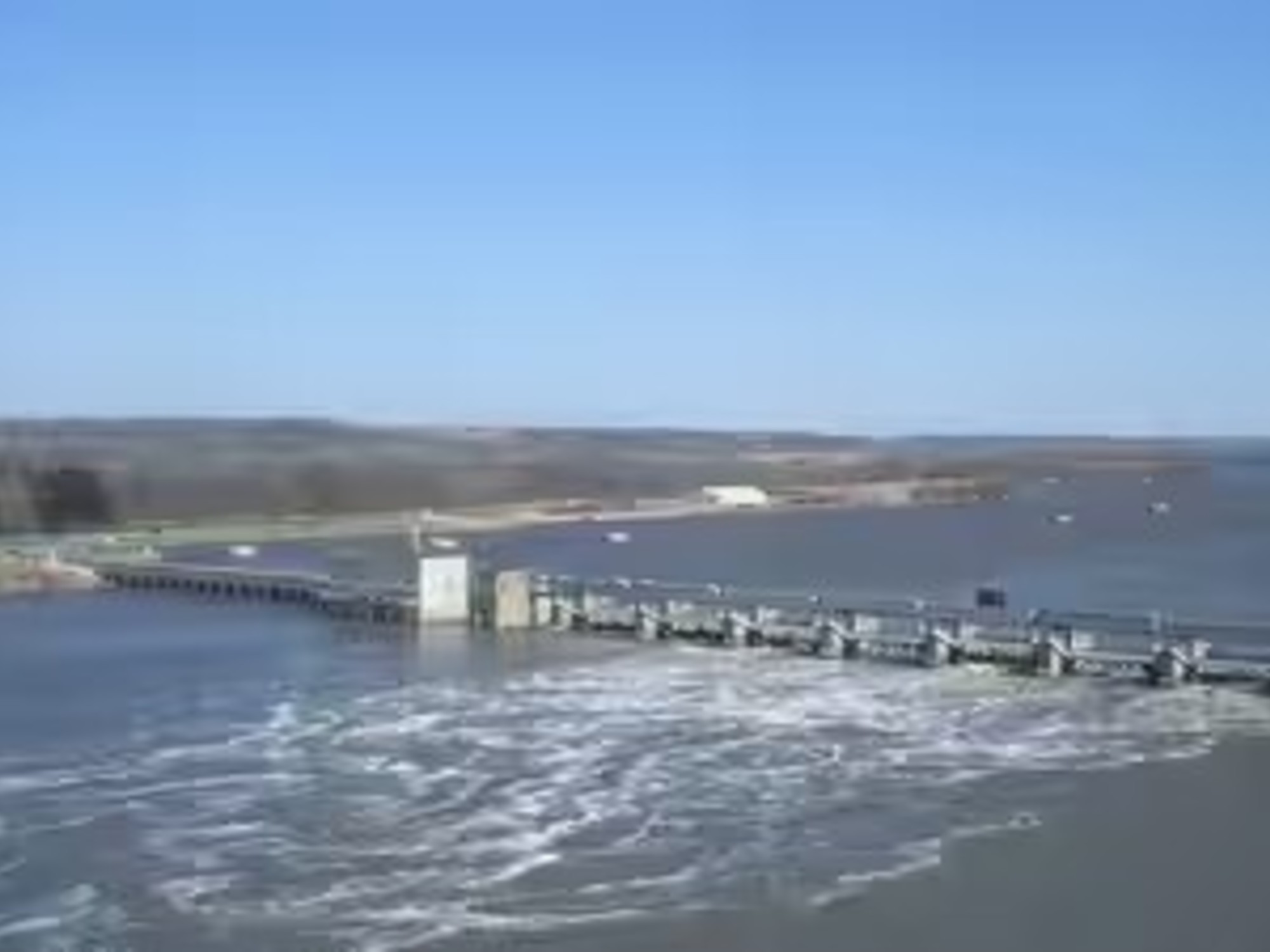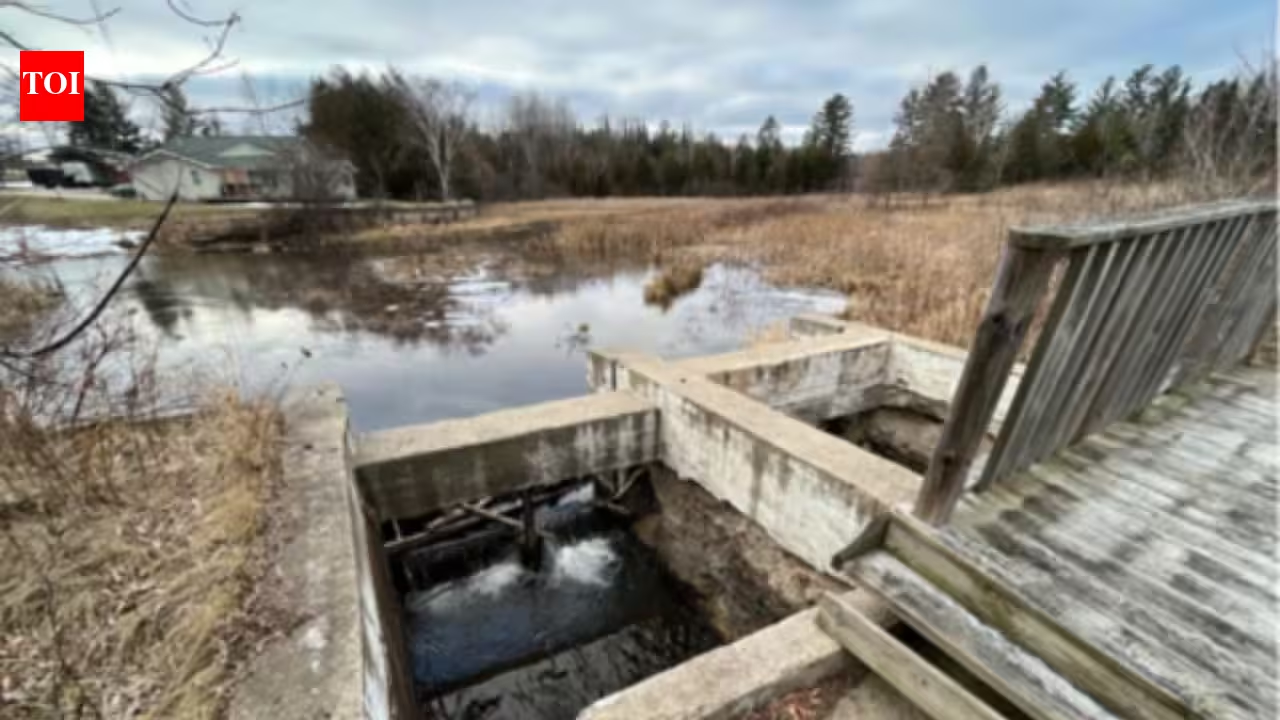
Troy Lock and Dam: For more than a century, a major engineering project has stood along the Hudson River in Troy, New York, helping support navigation between the river and the state's canal system.Construction of Troy's Federal Dam began in 1913, when the Army Corps of Engineers removed an older state dam and built a new federal dam with a lock channel about 1,000 feet upstream from the original site, as per a report. The project brought together Army engineers and contract laborers, many of whom came to Troy after completing work on the Panama Canal.More than 110 years later, the Troy Lock & Dam remains part of the Hudson River's navigation system, while photographs and artifacts from its construction preserve the history of the project.Troy had already become a center of engineeringLong before the Federal Dam was built, Troy had developed around the Hudson River and its connection to the Erie Canal.The city played an important role in the Industrial Revolution in the United States and was once among the country's wealthiest cities on a per-capita basis, as per a USACE report.You Might Also Like:Troy sits at the confluence of the Hudson River and the Erie Canal, an engineering achievement that helped transform New York City into the nation's principal seaport and opened the interior of North America to settlement.In 1826, one year after the Erie Canal was completed, New York State built a dam across the Hudson River at Troy. The waterpower supported manufacturing businesses, including a thriving steel industry.Troy became an important center of American steel production. The Burden Iron Works on the banks of Wynants Kill Creek had the first Bessemer converter built in the United States.The works produced a range of iron and steel products, including horseshoes, stoves, fire hydrants, surveying equipment and railroad spikes. It also produced steel rails for the Pennsylvania Railroad, which by 1882 was the largest corporation in the world, as per the USACE report.You Might Also Like:The Army Corps replaced the old state damBetween 1913 and 1915, the Army Corps of Engineers removed the old state dam and constructed a new federal dam with a lock channel about 1,000 feet upstream from the original site. The structure became known as both the Federal Dam and the Troy Lock & Dam.Congress authorized the project to improve navigation between the Hudson River and the New York State Canal System, including the Erie and Champlain canals.The construction was a major undertaking. Army engineers relied on contract laborers, many of whom came to Troy after completing work on the Panama Canal and brought valuable experience with them.The dam sits at a key point on the HudsonThe Hudson River runs for 315 miles, primarily through eastern New York, with its headwaters in the Adirondack Mountains. The lower half of the river is a tidal estuary. The Troy Lock & Dam marks the northernmost point where the flow of the river changes direction with the tides.You Might Also Like:Troy's engineering history went beyond the damThe Hudson River region also has a long connection to engineering education. West Point was established in 1802, while Rensselaer Polytechnic Institute was founded in 1825. Rensselaer, commonly known as RPI, occupies a location along the Hudson River in Troy.The institute granted the first civil engineering degrees in the United States and remains an engineering school more than 200 years after its founding.Troy's history therefore includes both major infrastructure projects and a long connection to engineering and manufacturing.The Federal Dam later entered America's hydropower historyThe dam's history was not limited to navigation. In 1920, Congress established the Federal Power Commission to provide for the improvement of navigation and the development of water power.The following year, Ford Motor Company sought congressional authority to build a powerhouse at Troy to generate electricity. It was the first time Congress authorized the use of a federal dam for private development of hydropower in American history, as per the USACE report.
In 1913, the Army Corps launched construction of Troy's Federal Dam, using engineers experienced on the Panama Canal. 113 years later, the lock and dam still supports New York's Hudson River navigation and remains a landmark of American engineering
Troy Lock and Dam: Explore the history and significance of Troy's Federal Dam, a key engineering marvel built in 1913, supporting navigation on the Hudson River and reflecting America's industrial heritage.
654 words~3 min read