The code examples in this series are written in C#/.NET 10 (since that's what our production uses), but this article is about Telegram mechanics, not the language. The exact same architecture can be built on Node.js, Python, or Go without changes. That easily transferable mechanic is exactly why this article was written.
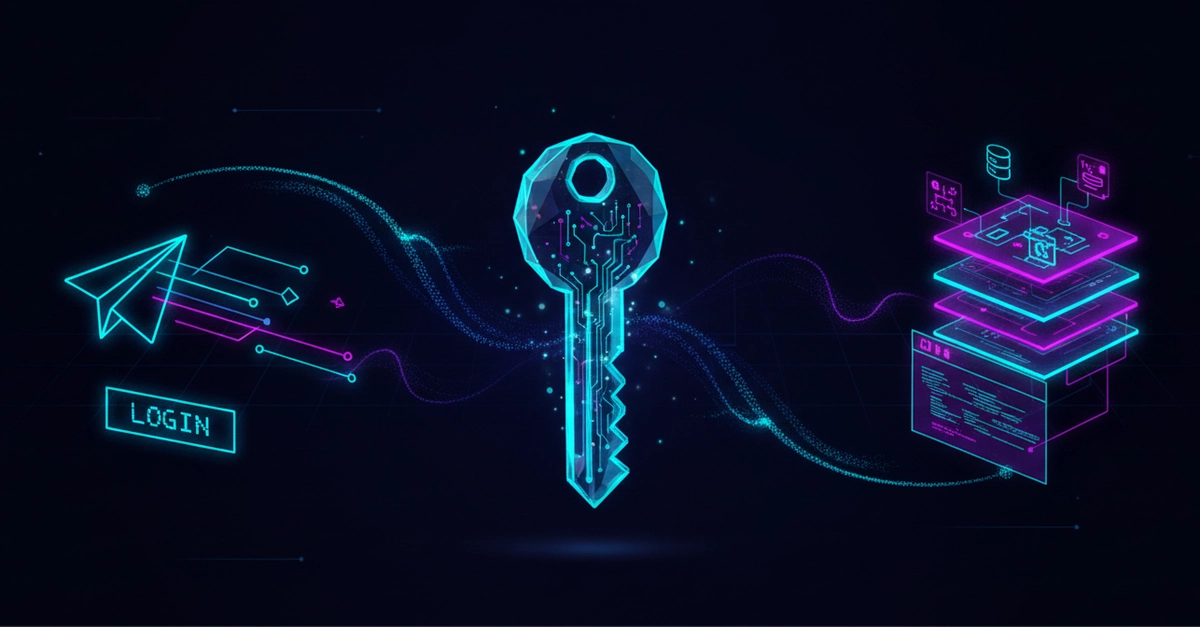
What is this article about? This is the second part of a series on how we vibe-coded GoosleeBot — a bridge from Telegram to Google Meet, Zoom, and other video conferencing services. This part covers the least-documented area of Telegram development: the session mechanism that ties together a chat, a mini app, and an external browser into a single application. Here's what's inside:
how to pass parameters from an inline bot into a mini app when the chat button is shared among all participants;
how to authenticate a mini app user in a single request — with a ready-made skeleton for initData validation;
how to preserve state where Telegram variables don't work at all — in an external browser;