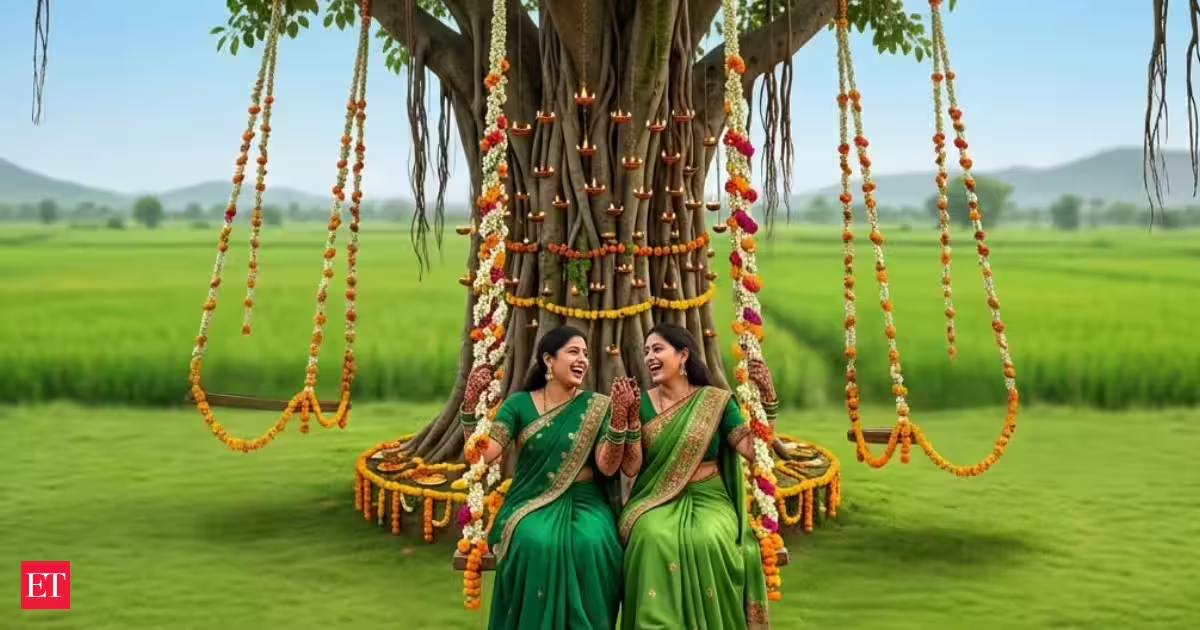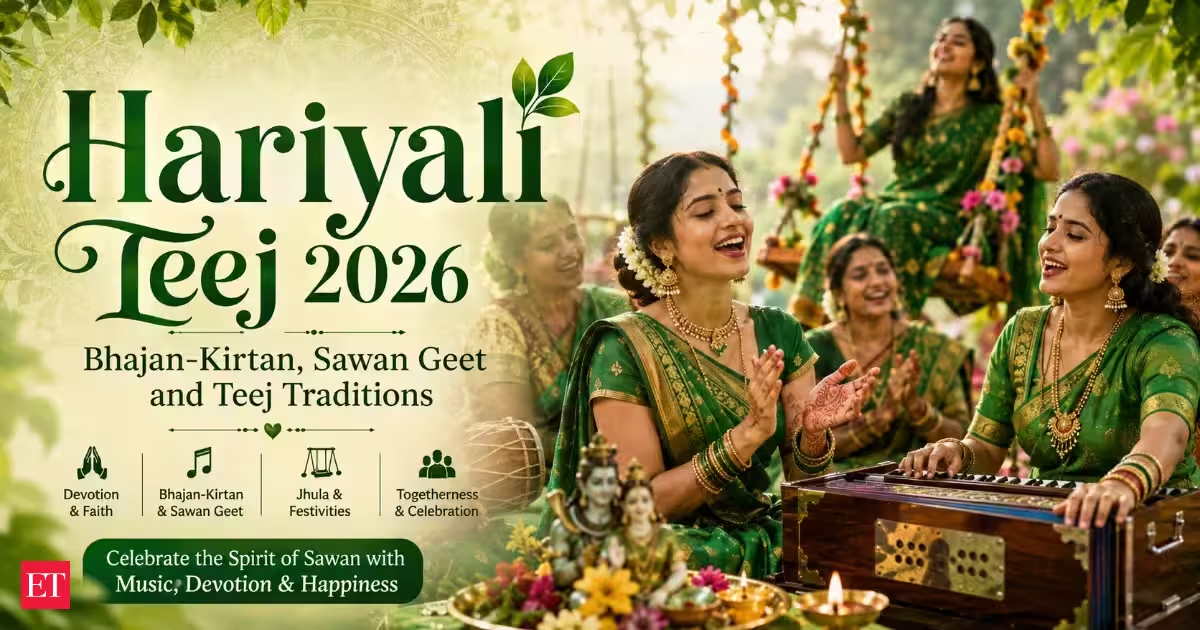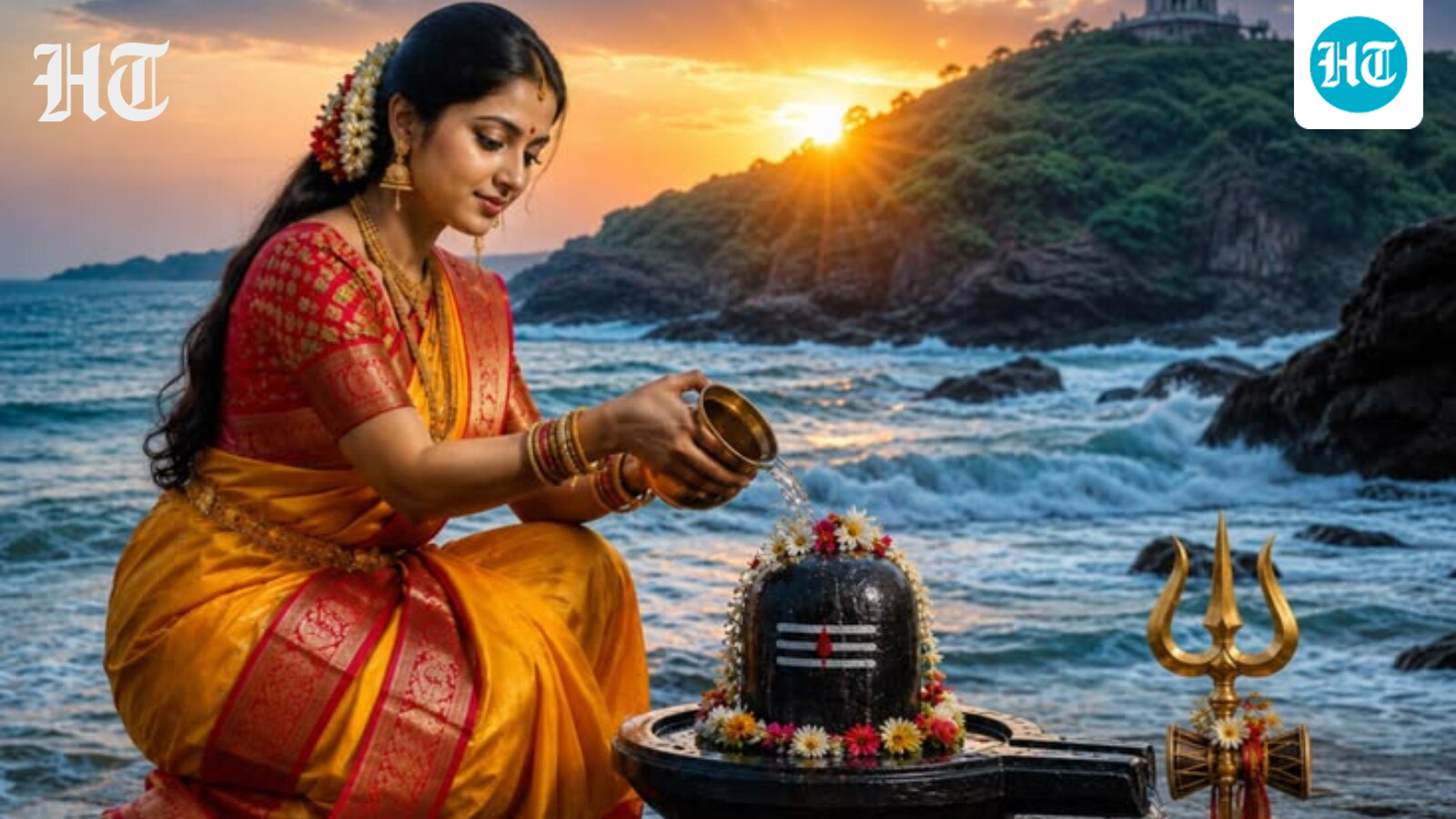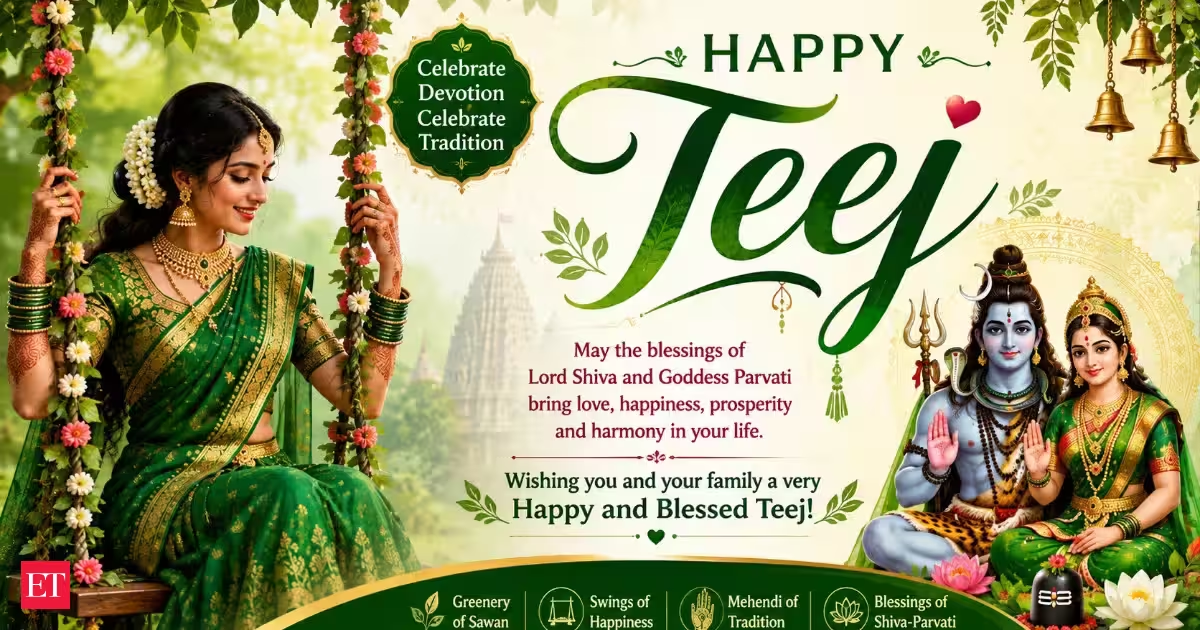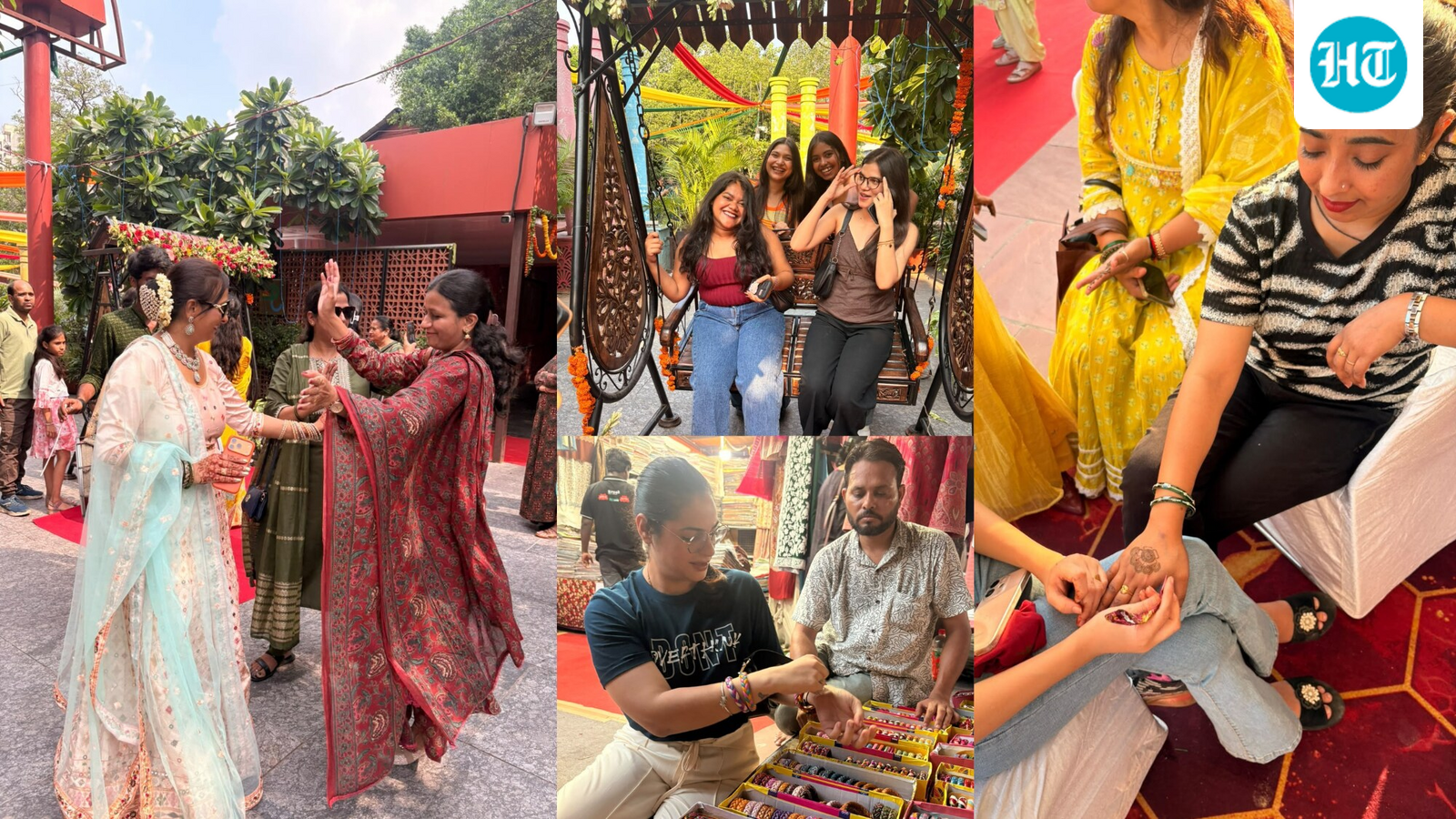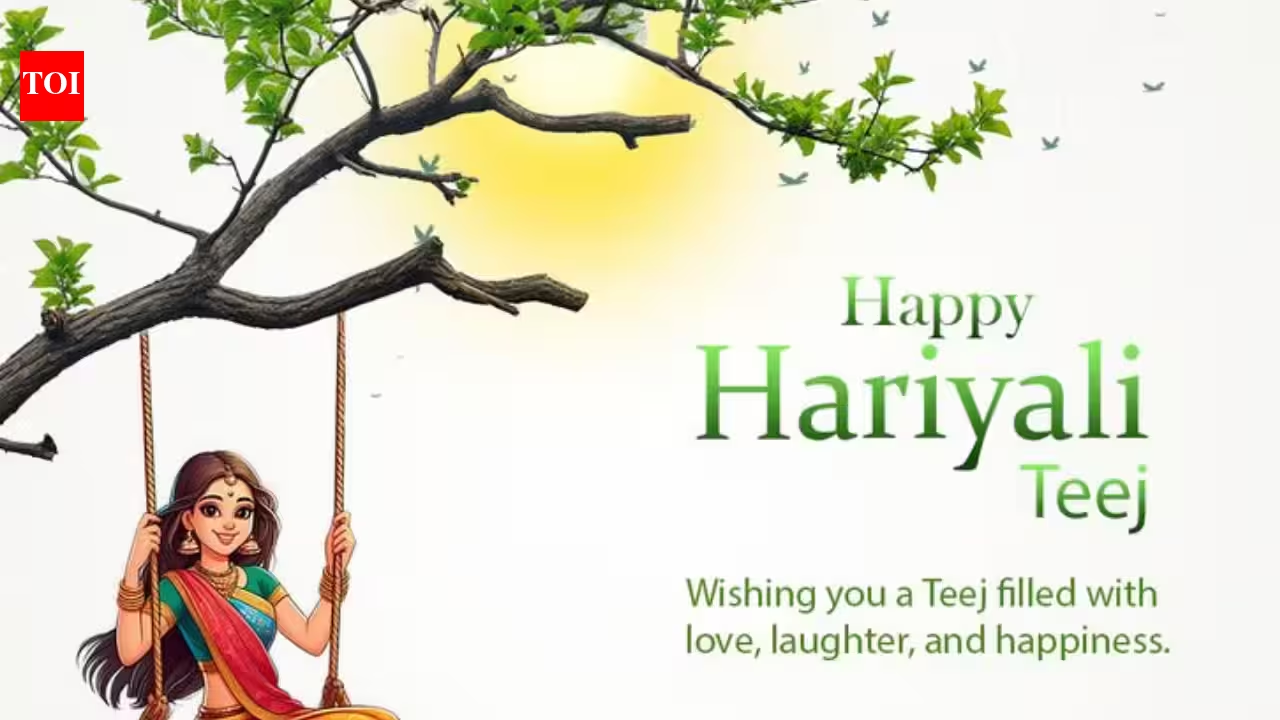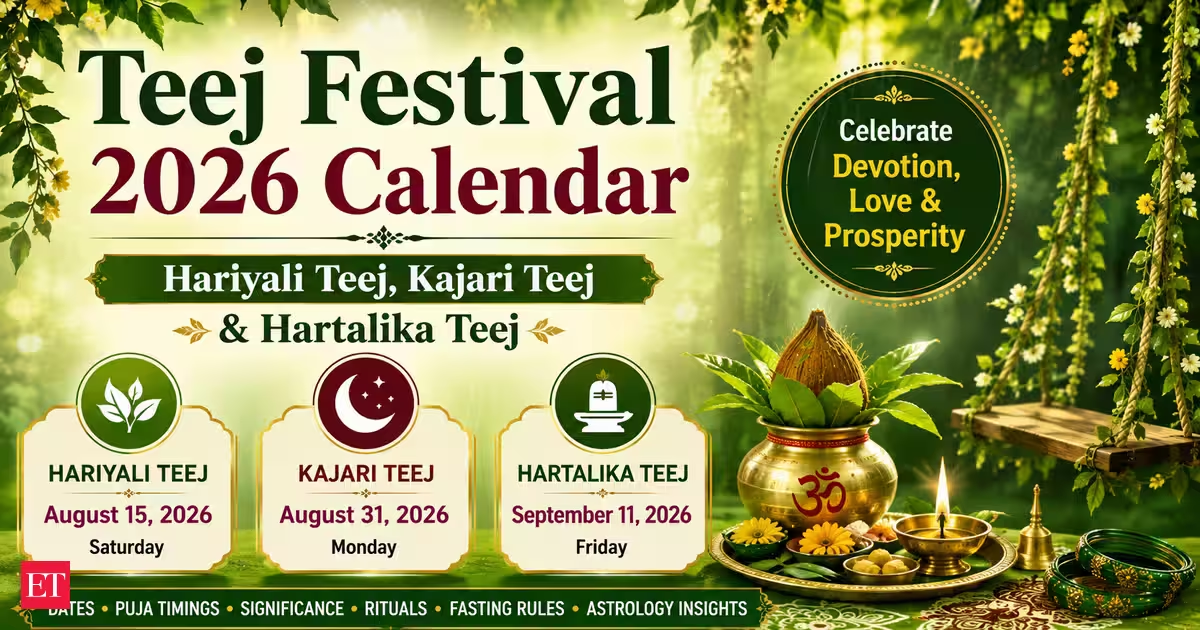
The festival of Teej has three main components. Haryali Teej, falling on August 15, is celebrated to commemorate the wedding of Lord Siva and Goddess Parvathi. It is usually celebrated on the third day of Shukla Paksham in the month of Shravan. It is characterised by a celebration of nature and the resplendent greenery that the monsoon brings, while internalising the divine power, said Prof. Kumool Abbi.In terms of legend, this is the day Siva accepted Parvati as His consort after she passed though 107 births in Siva’s penance. She was able to win Him only in her 108th birth. Kajri Teej, which falls on August 31, is also called Badi Teej. It usually comes 15 days after Haryali Teej, on the third day of Krishna Paksham (dark fortnight). Its name characterises the dark clouds, the harbinger of rain. Hartalika Teej, which will fall in the Bhadon month on September 14, is observed to mark the day when the female friends of Goddess Parvati abducted her and took her into thick, deep forests to escape her father who was determined to marry her to another celestial. An unfazed Goddess Parvati continued her penance and won over Lord Siva.Celebrated in Punjab, Haryana, Rajasthan and parts of Uttar Pradesh, Madhya Pradesh, Bihar, and Maharashtra, Teej is a significant festival of the rainy season, especially for married women who pray for the well-being of their husbands, and for single girls who aspire for a husband. The hands of women are adorned with henna and new bangles; women visit their paternal homes and receive gifts. They frolic on the swing and dance with abandon, mimicking the movement of the joyful peacock during rain.The festival essentially involves the observance of a day-long fast, abstaining from drinking water; women break this fast the next day before sunrise. The idol of Goddess Parvati is installed and women gather around, reciting the stories around religious vows (vrat katha). An oil lamp is lit and it burns through the entire night. Published - August 14, 2026 07:21 pm IST
Significance of Teej
Discover the significance of Teej, a vibrant festival celebrating love, nature, and devotion among women in Indian culture.
340 words~2 min read