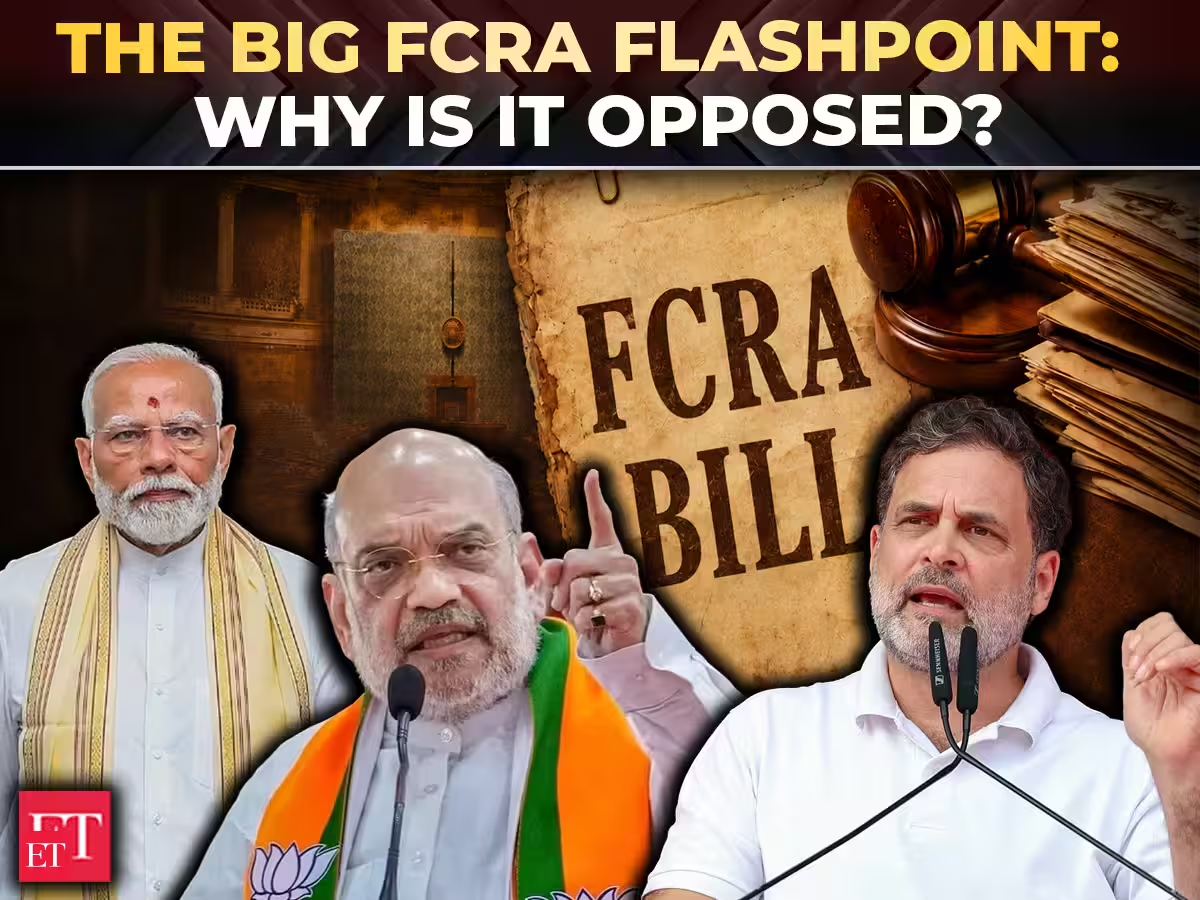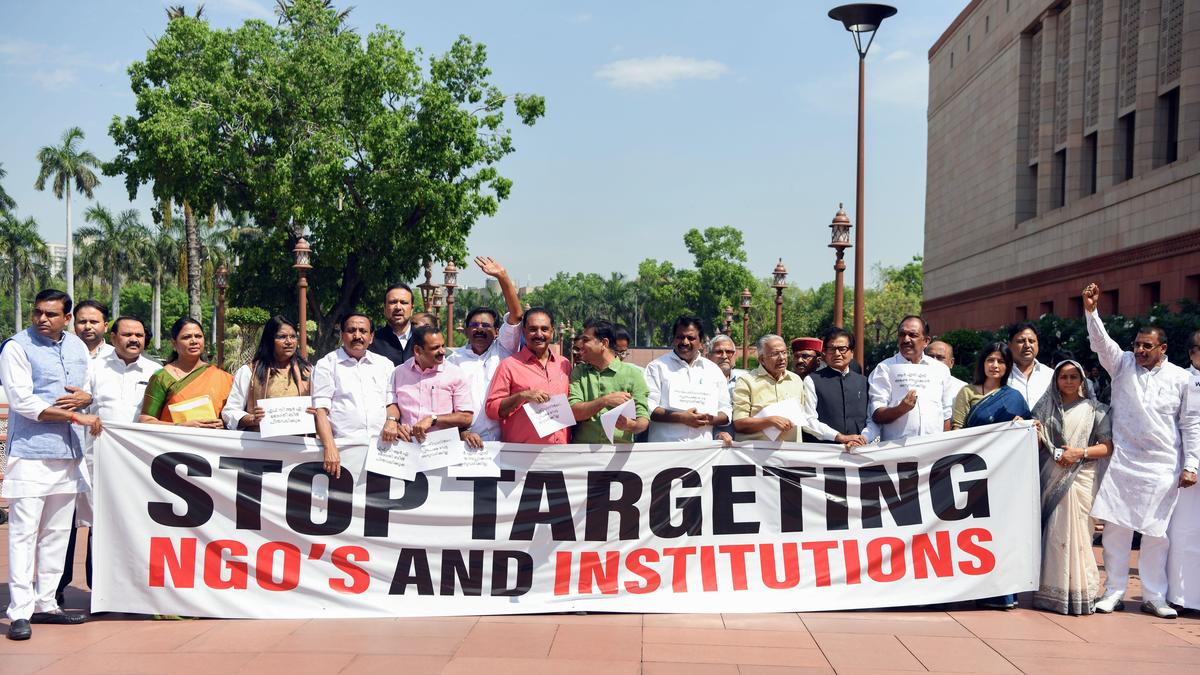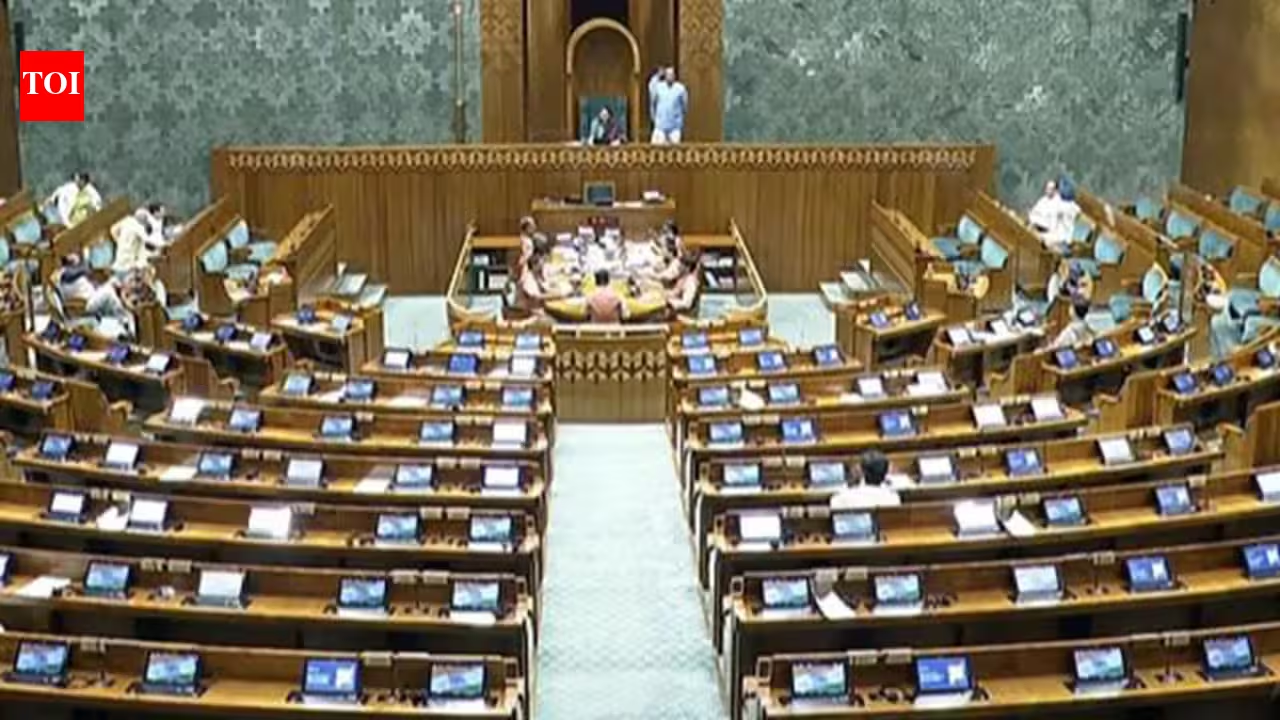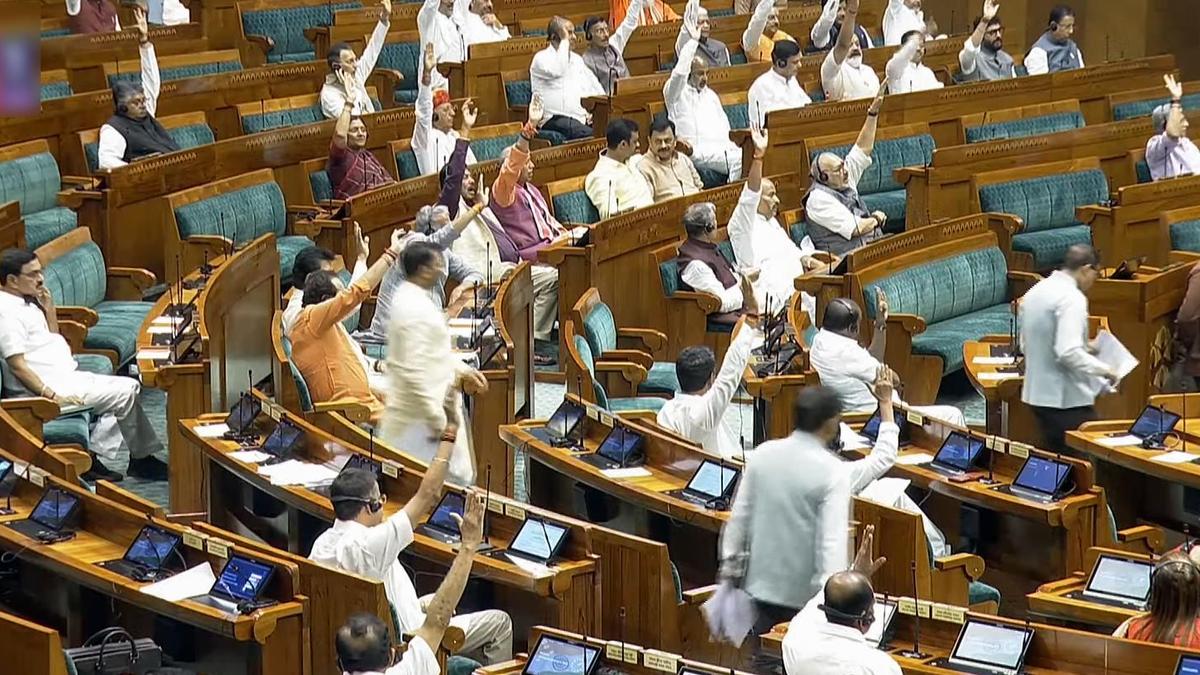
On March 25, the Foreign Contribution (Regulation) Amendment (FCRA) Bill, 2026, was introduced in the Lok Sabha, the lower house of the Indian Parliament. The bill seeks to amend the FCRA Act 2010, which regulates the receipt and use of foreign contributions by individuals and organizations in India.
Since 2010, the act has been amended three times, most recently in 2020. A key provision of the recent amendment bill relates to the creation of a “designated authority” under the Ministry of Home Affairs (MHA), which has been empowered to provisionally take over, manage, and dispose of the assets of an organization if its FCRA registration is canceled, surrendered, or undergoes “deemed cessation” due to non-renewal. This change has generated considerable criticism. On August 12, parliament adopted a motion referring the bill to a 31-member joint parliamentary committee, which will scrutinize the bill and submit its report in the first week of the parliament’s winter session.
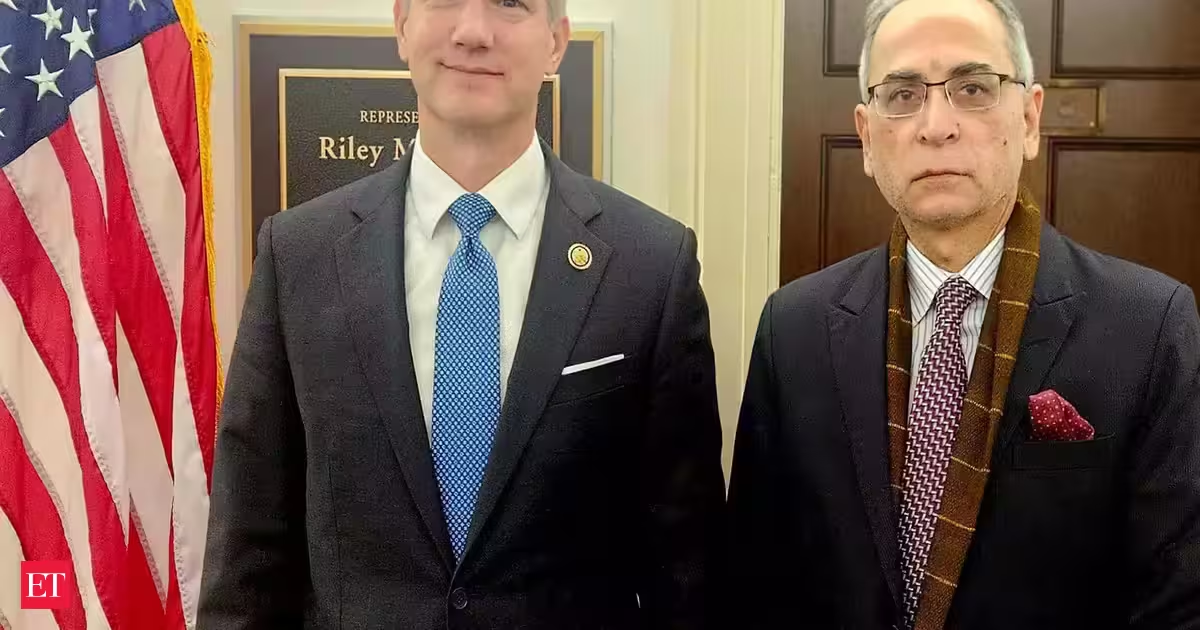
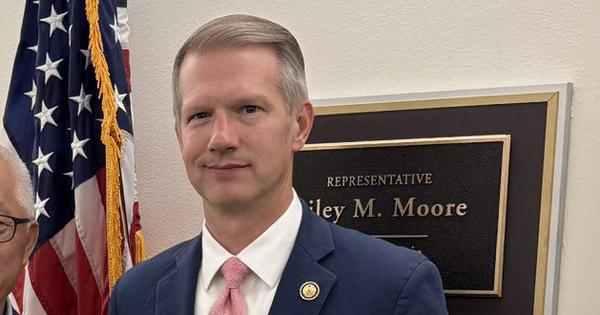
Beyond strong domestic criticism, especially from opposition parties, the bill has triggered a strong reaction from several American politicians, including Congressman Riley Moore, who slammed the bill as an “attack on Christians.” Senator James Risch, who heads the U.S. Senate Foreign Relations Committee, described the proposed amendments as “deeply concerning” and said the U.S. would not “hesitate to call out countries who violate… human rights of Christians and other religious groups around the world.” In an opinion piece for the Washington Examiner in May, Congressman Chris Smith described the legislation as “designed to set up the expropriation of Indian Christians.”