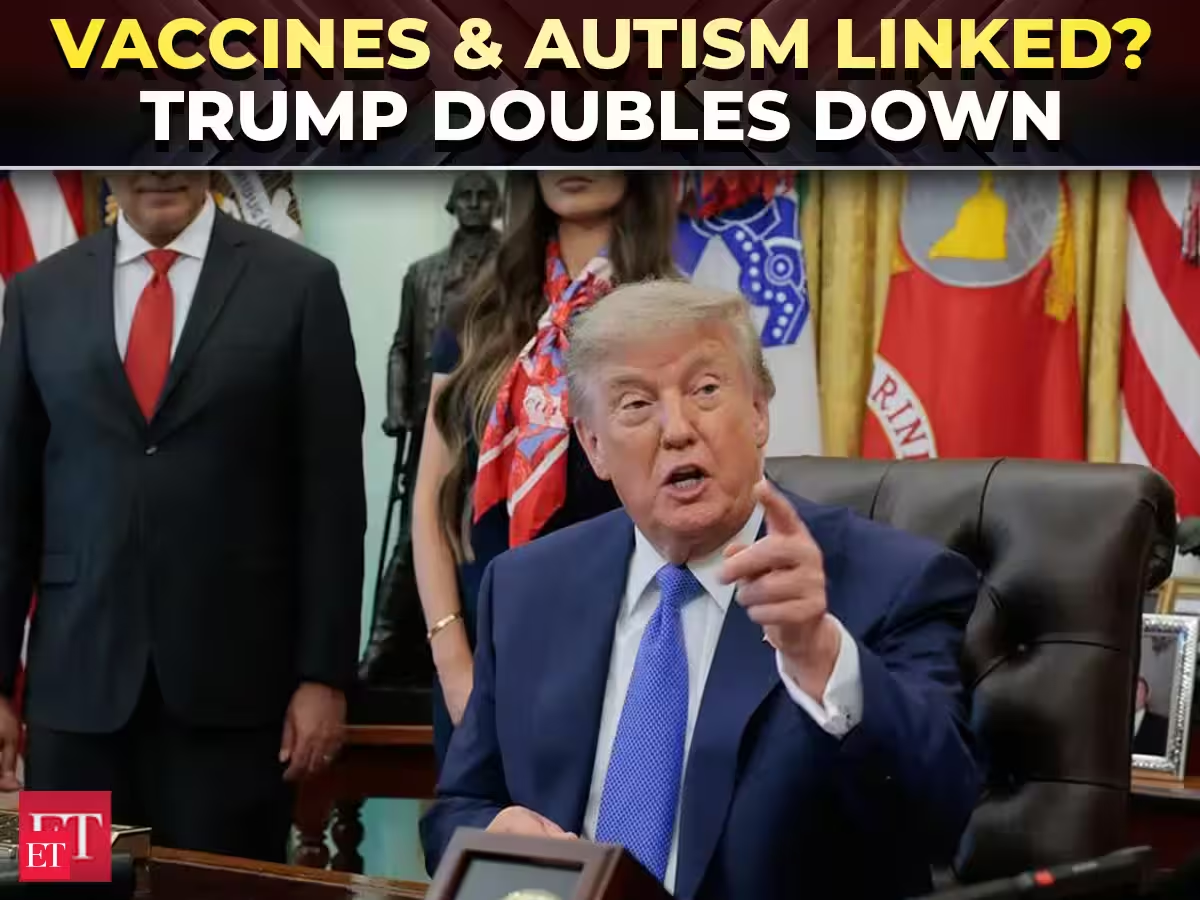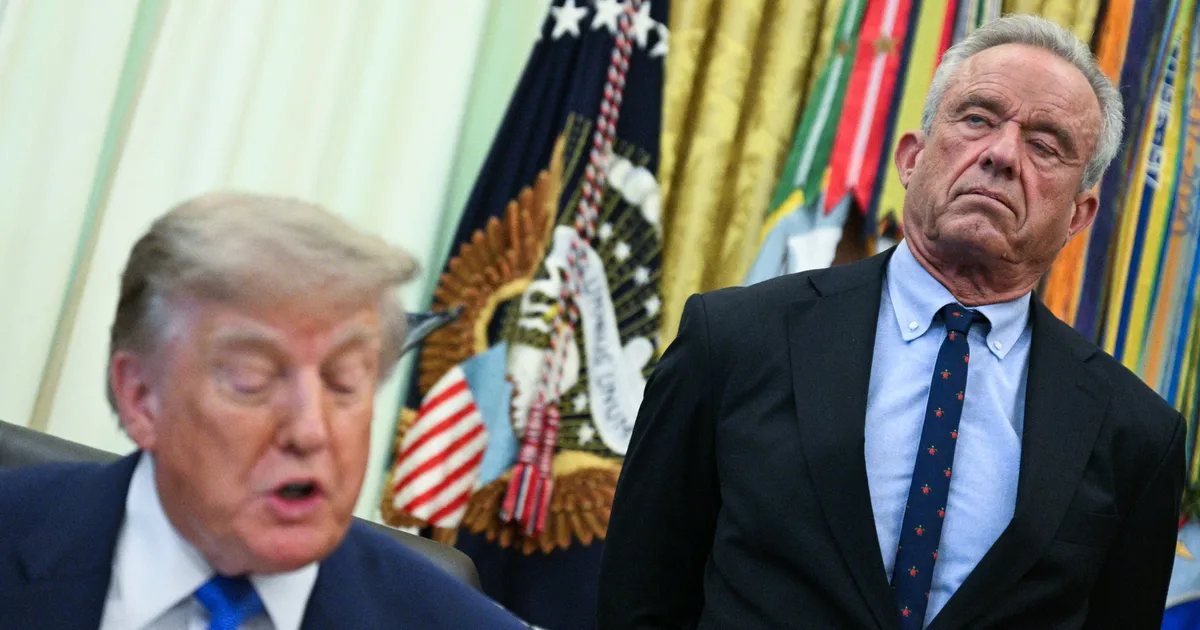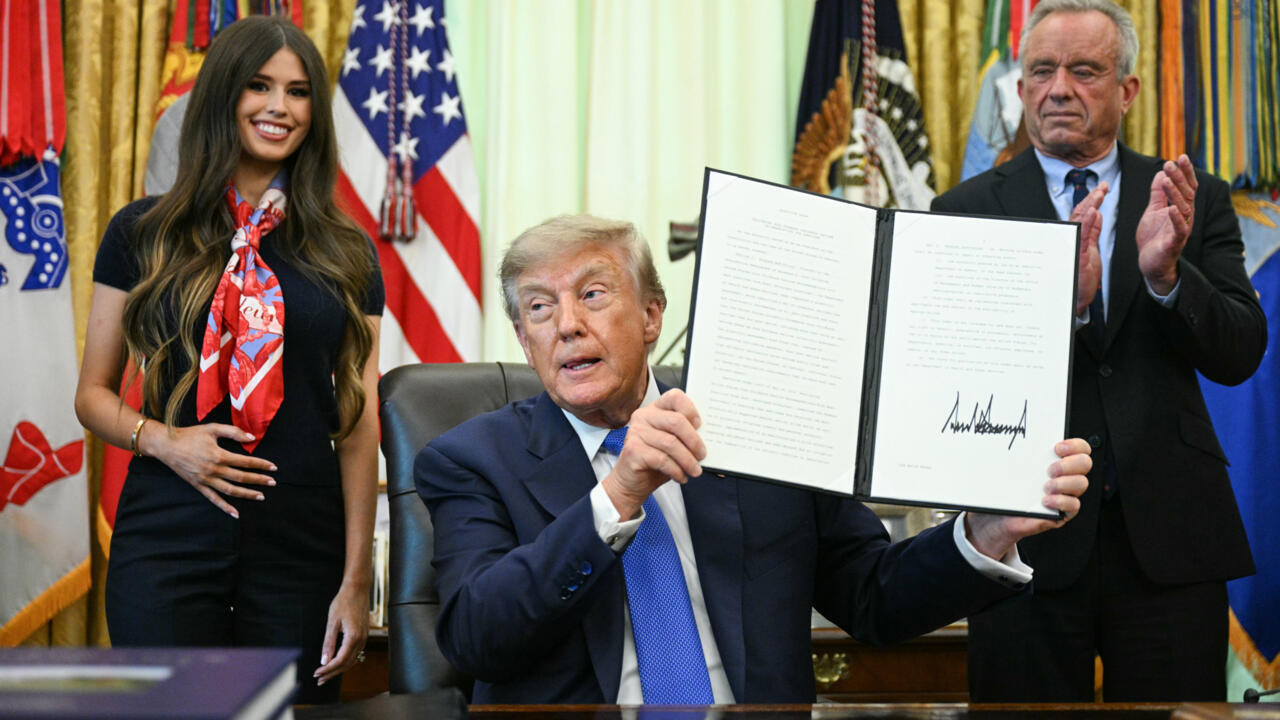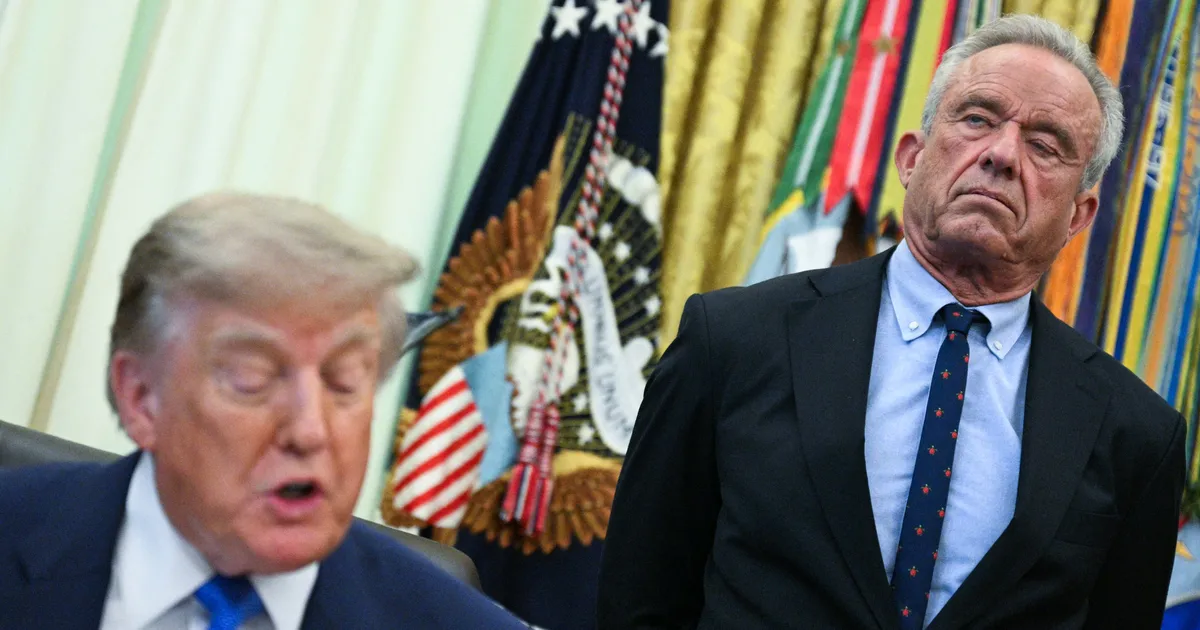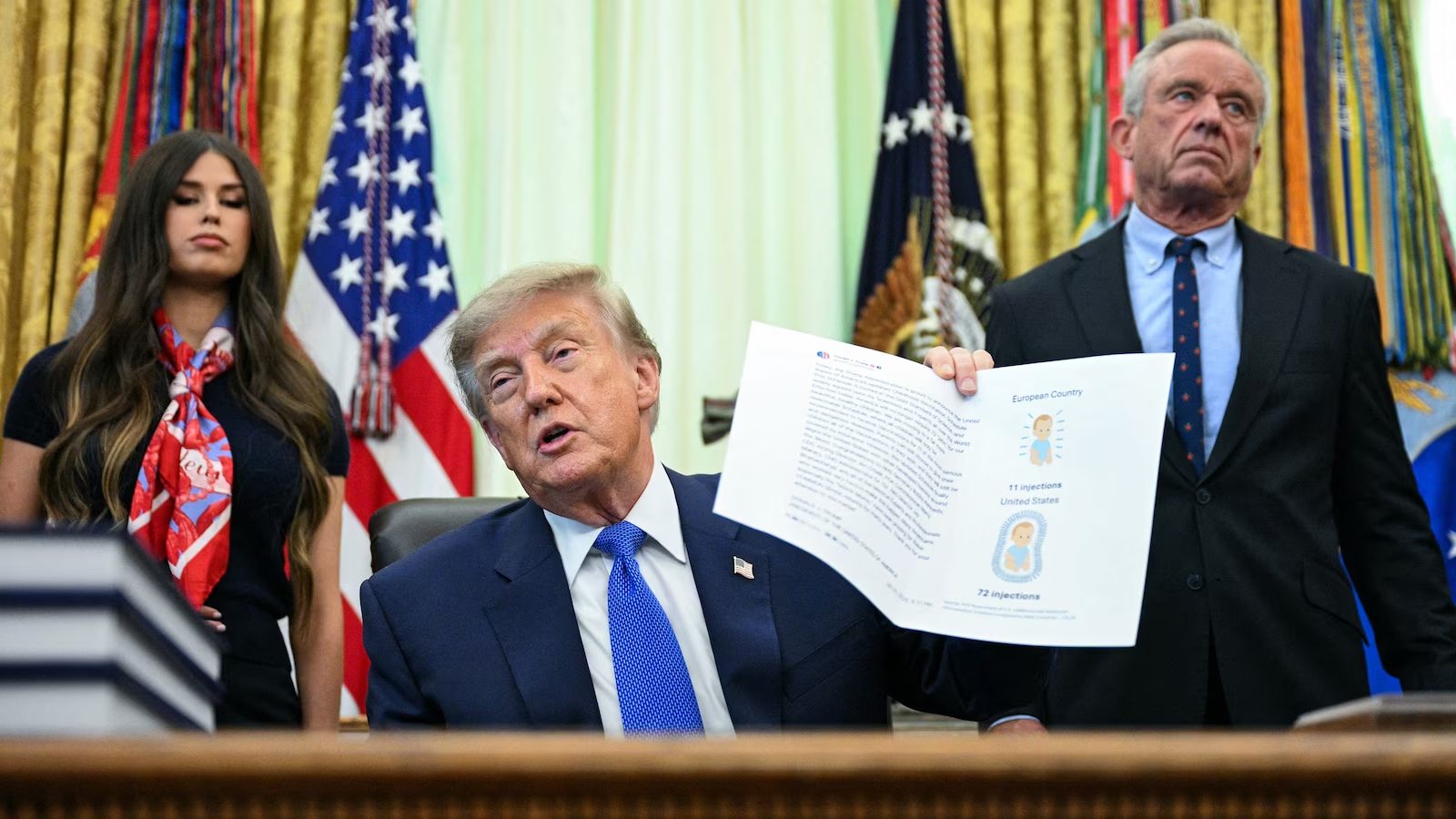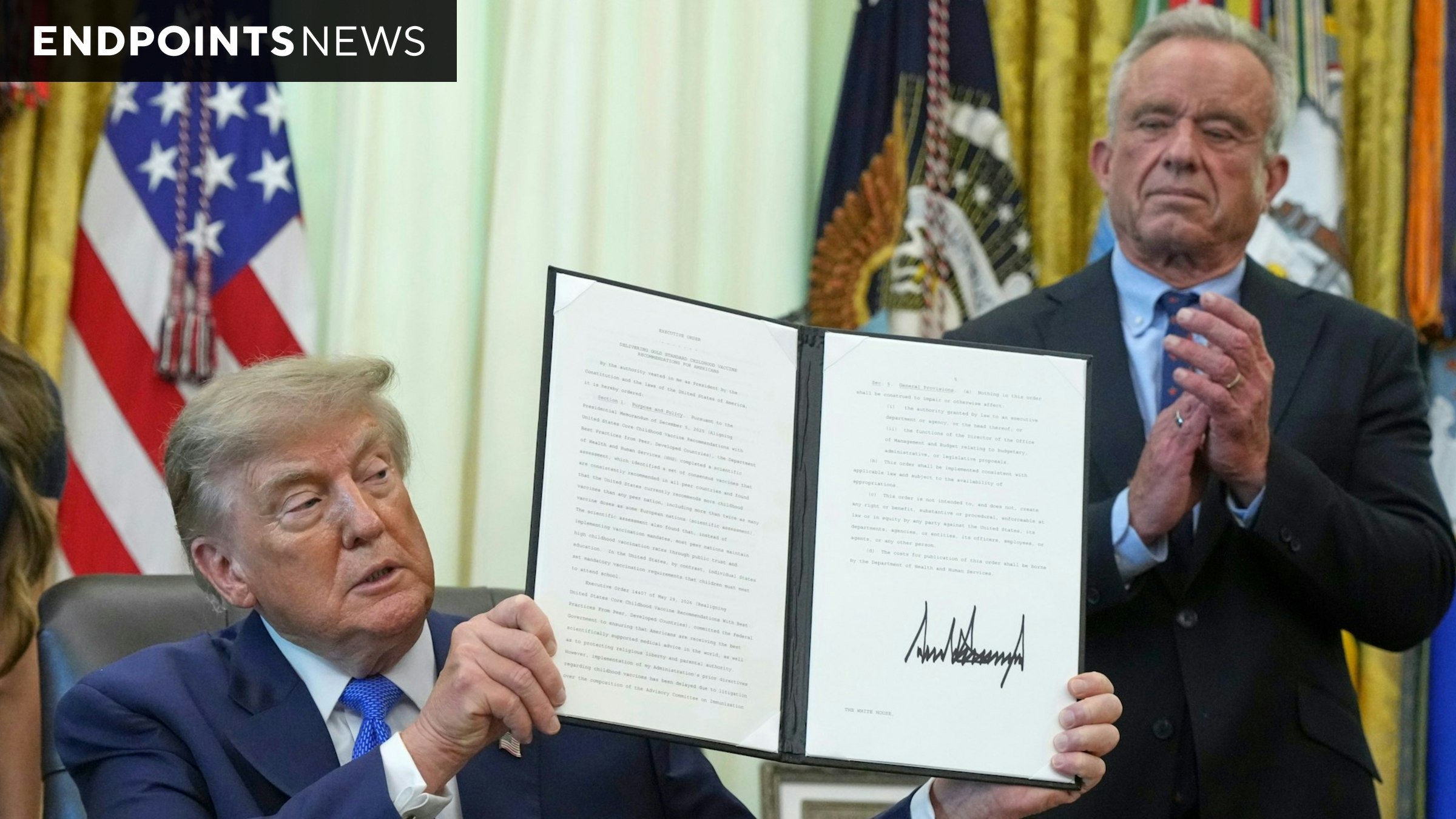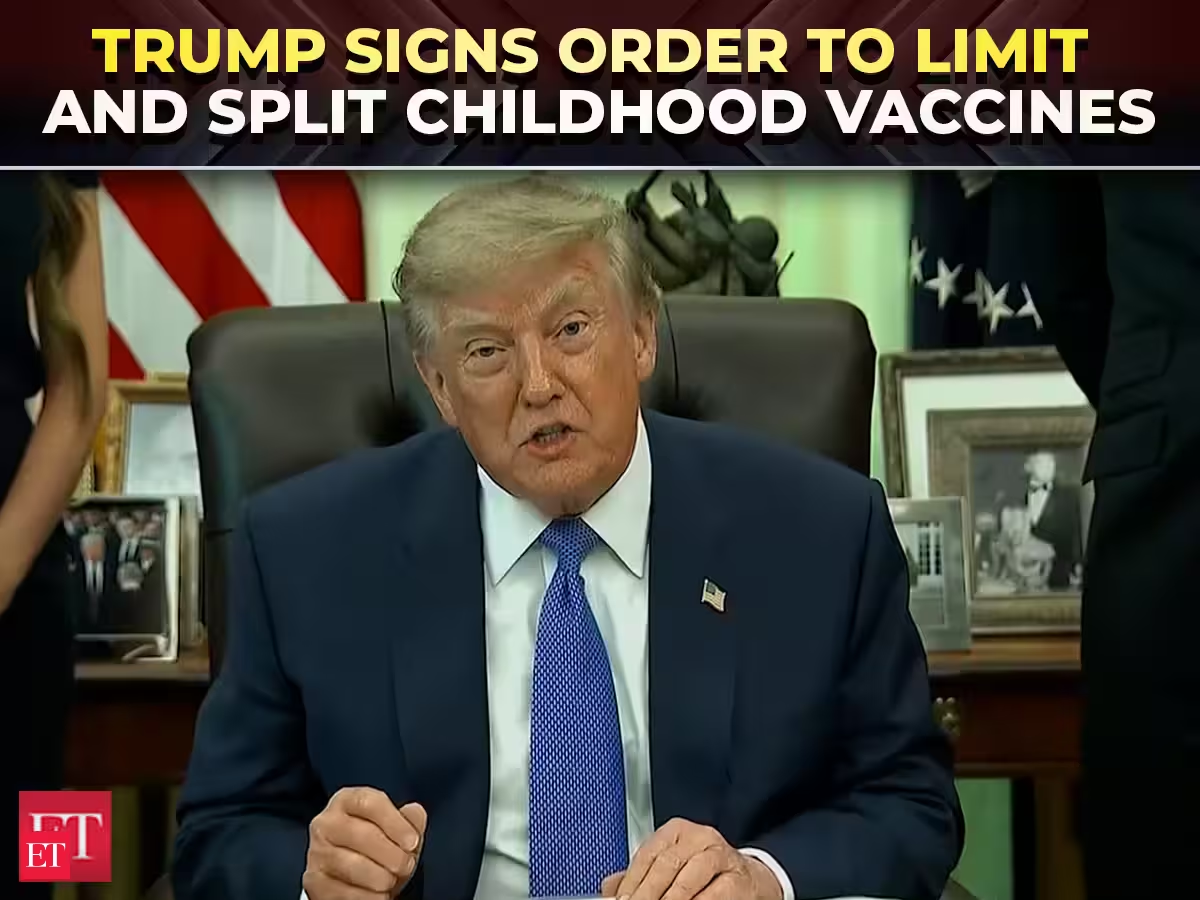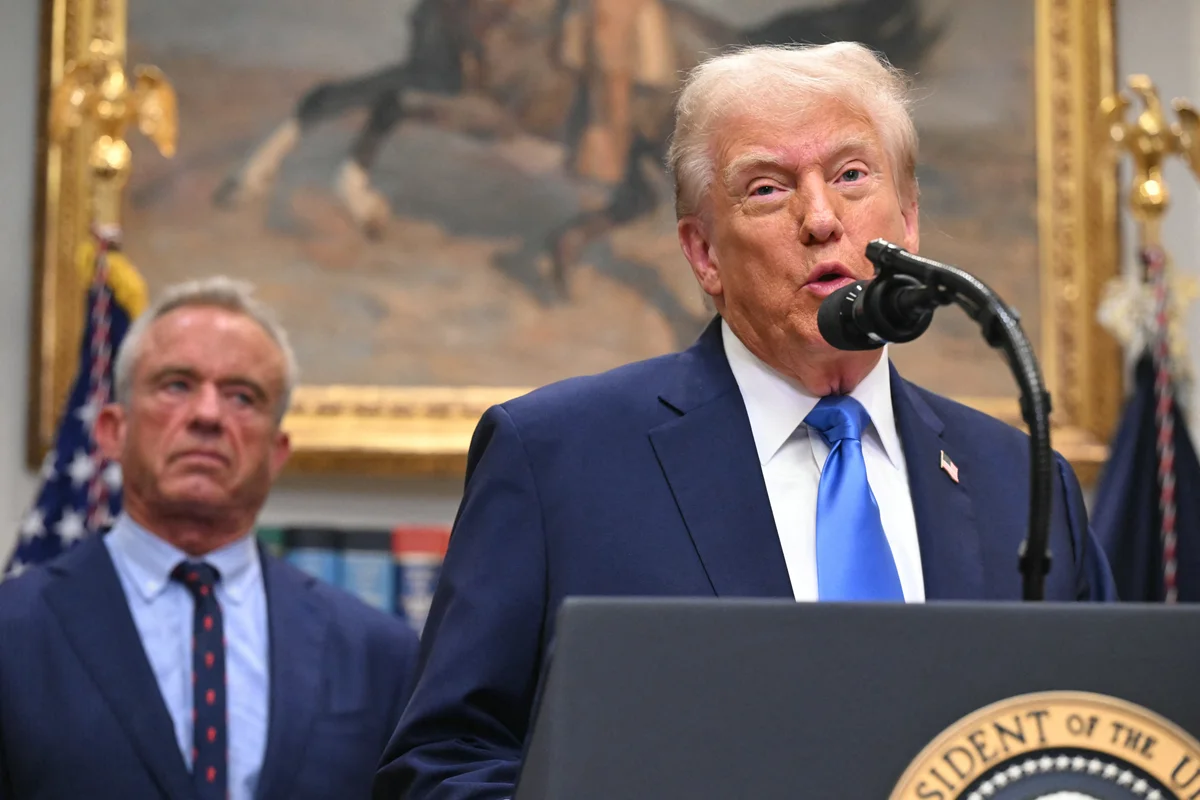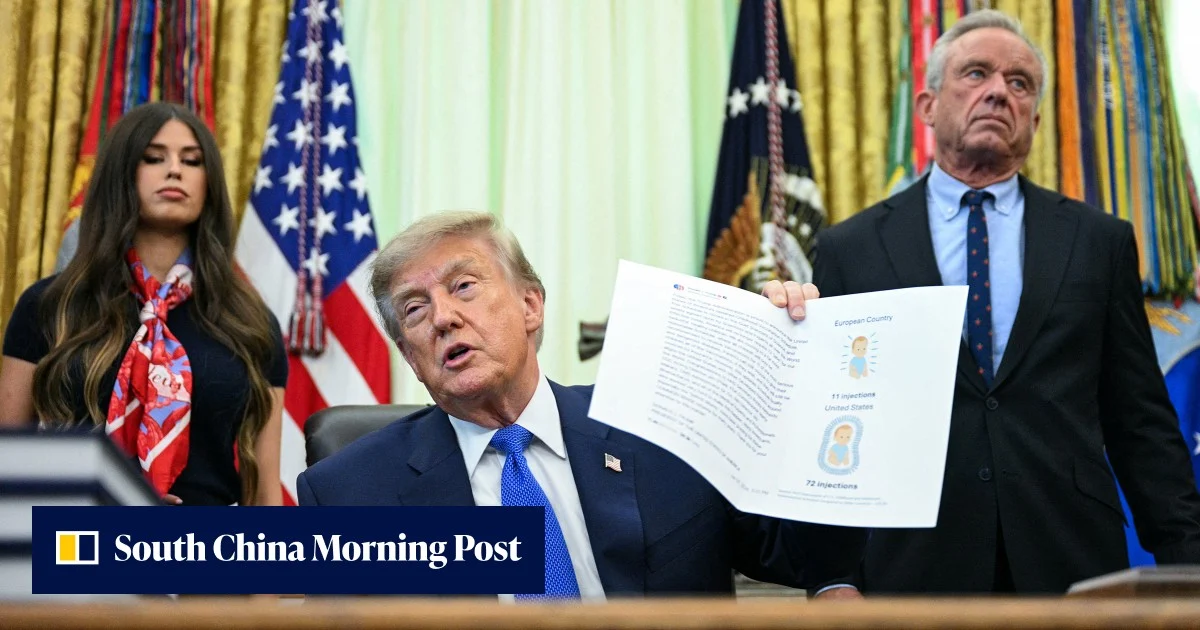
President Donald Trump on Monday signed an executive order that could substantially alter the childhood vaccine schedule in the United States. Among other things, the order calls for the measles, mumps, and rubella vaccine to be given as three separate shots, says childhood vaccines should be spread out between medical visits as much as possible, directs healthcare officials to invest further efforts into studying the effects of the current schedule on children‘s health, and calls for more research into alternative adjuvants outside of aluminum.It would appear that directives such as these, as they relate to the MMR vaccine, are based on what is largely a moot point, as numerous studies have put major dents in the notion that the MMR vaccine itself has anything to do with the increase in the incidence of autism.However, the question of whether the MMR vaccine causes autism is completely different from whether receiving several different vaccines containing different bioactive ingredients influences the long-term health outcomes of recipients when those vaccines are given together versus spaced out; whether cumulative exposure to vaccine adjuvants bears any neurodevelopmental or physiological consequences in susceptible individuals — or what susceptibility even means in this context; or whether the childhood schedule as a whole has been studied with the same depth as its individual components. Evidence against an MMR-autism relationship does not automatically answer any of those questions.
MMR doesn’t cause autism. Stop pretending the vaccine debate is over
MMR vaccine safety is well established, but broader questions about the cumulative childhood vaccine schedule remain understudied.
1,012 words~5 min read