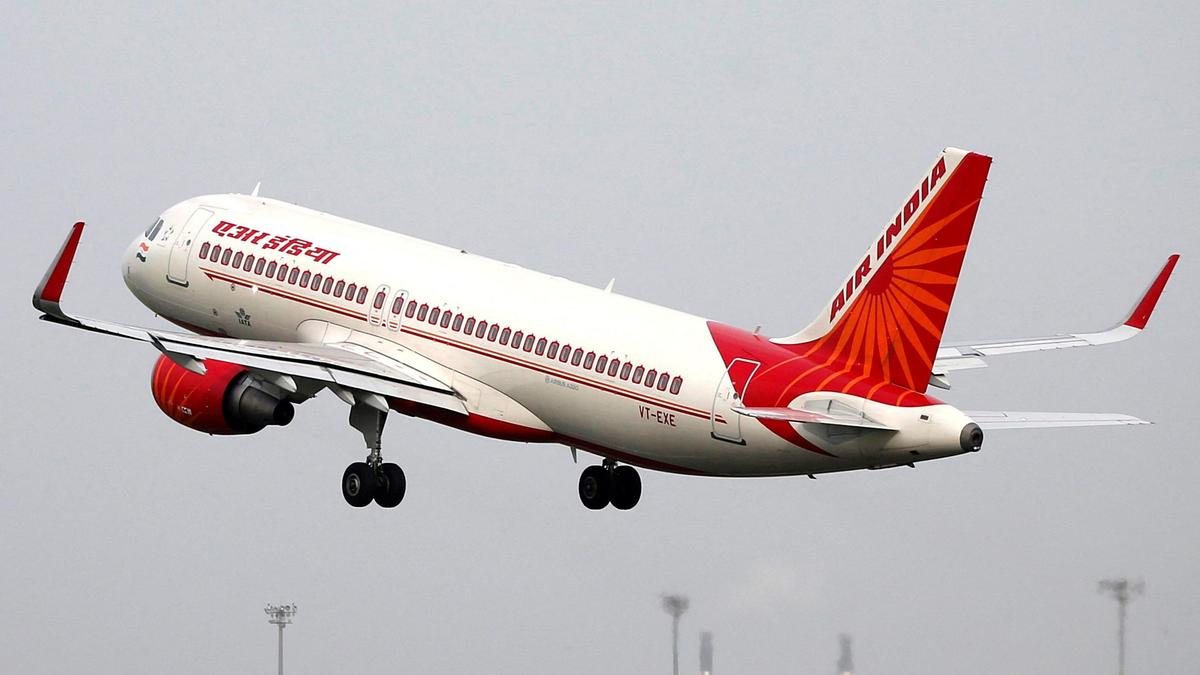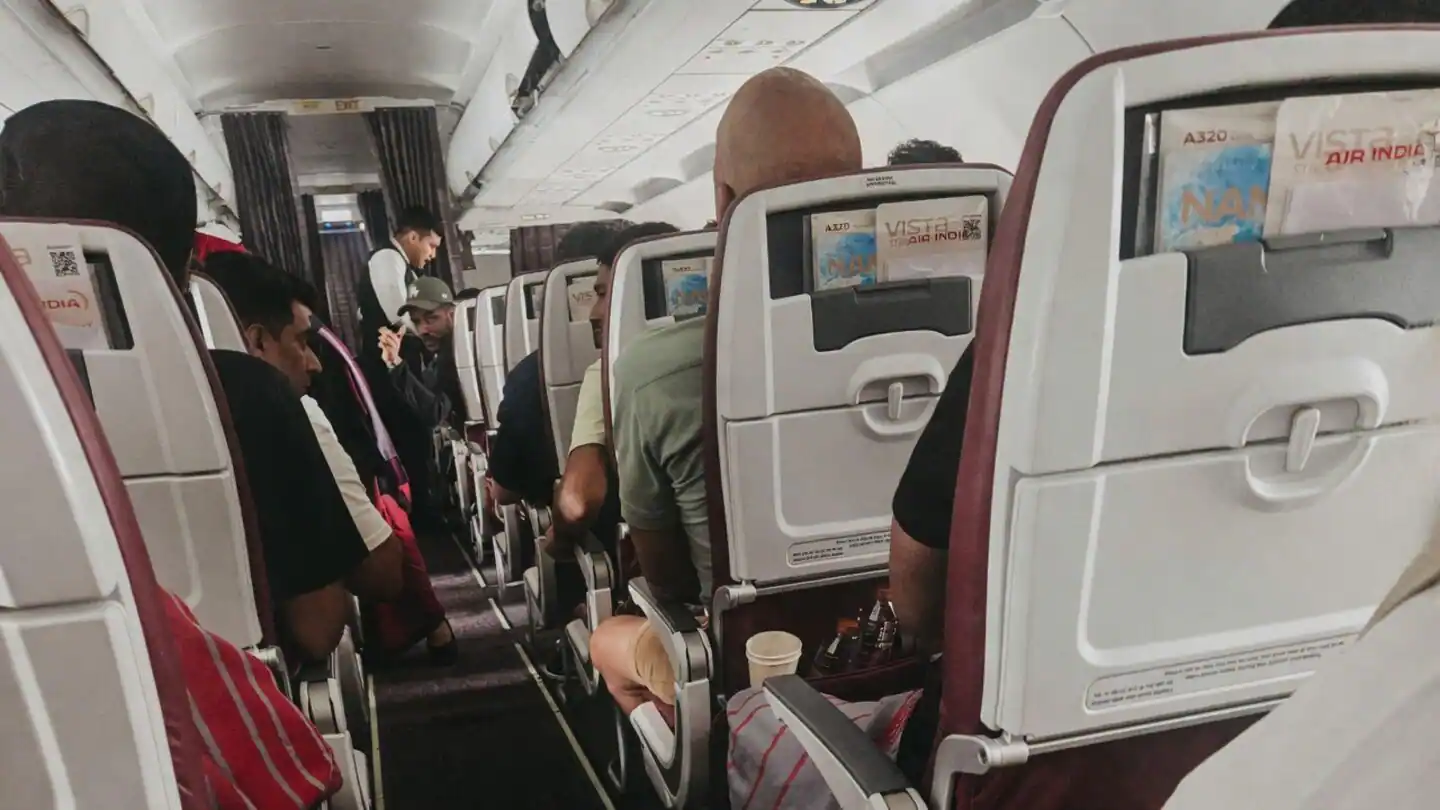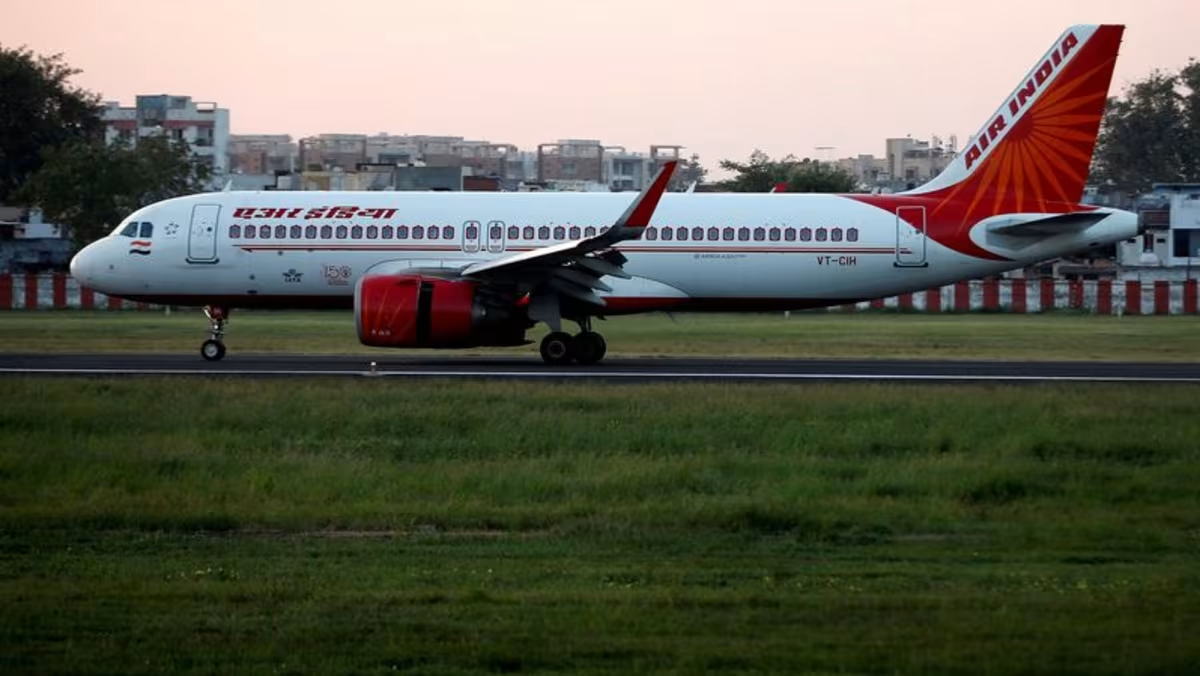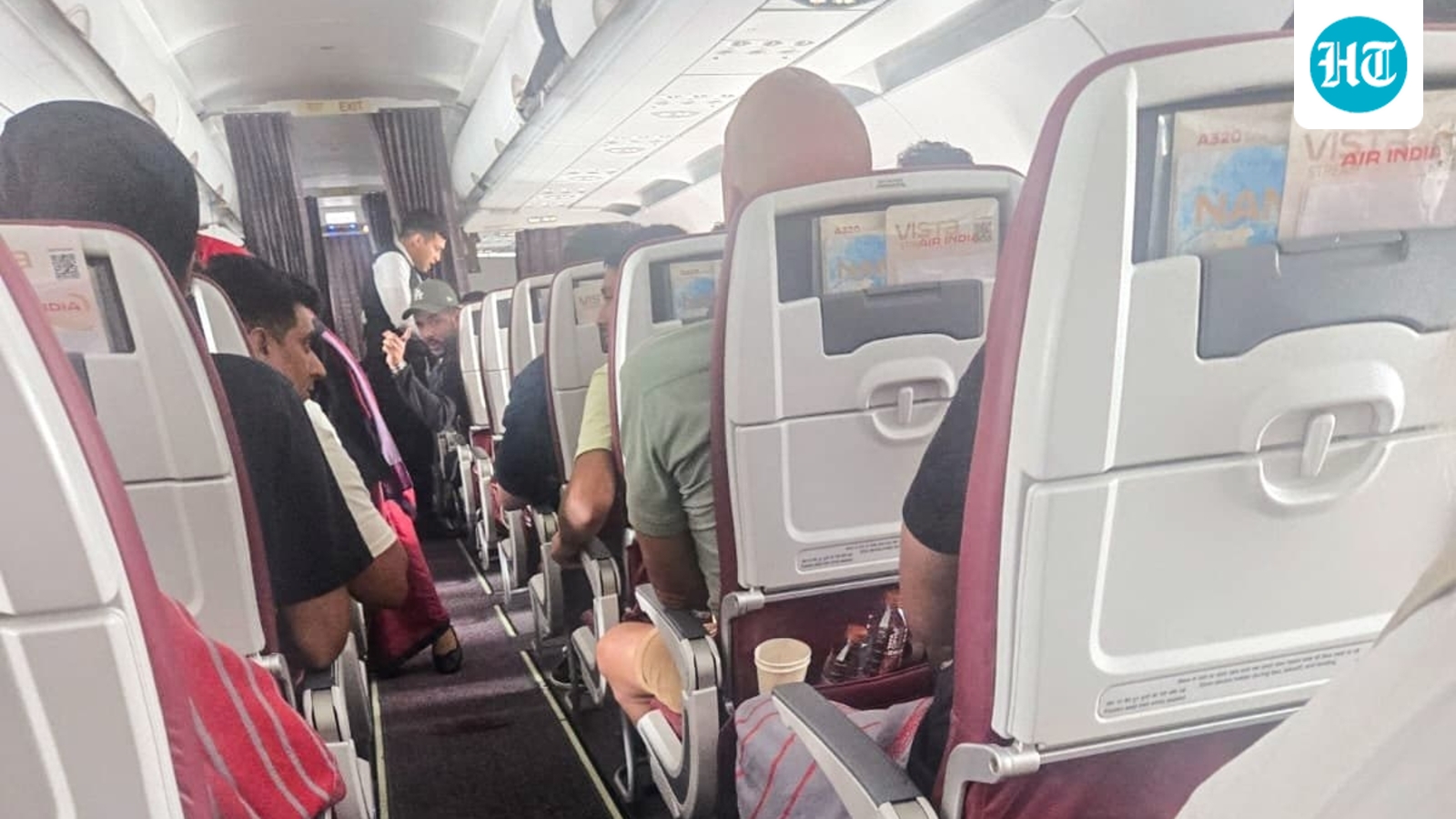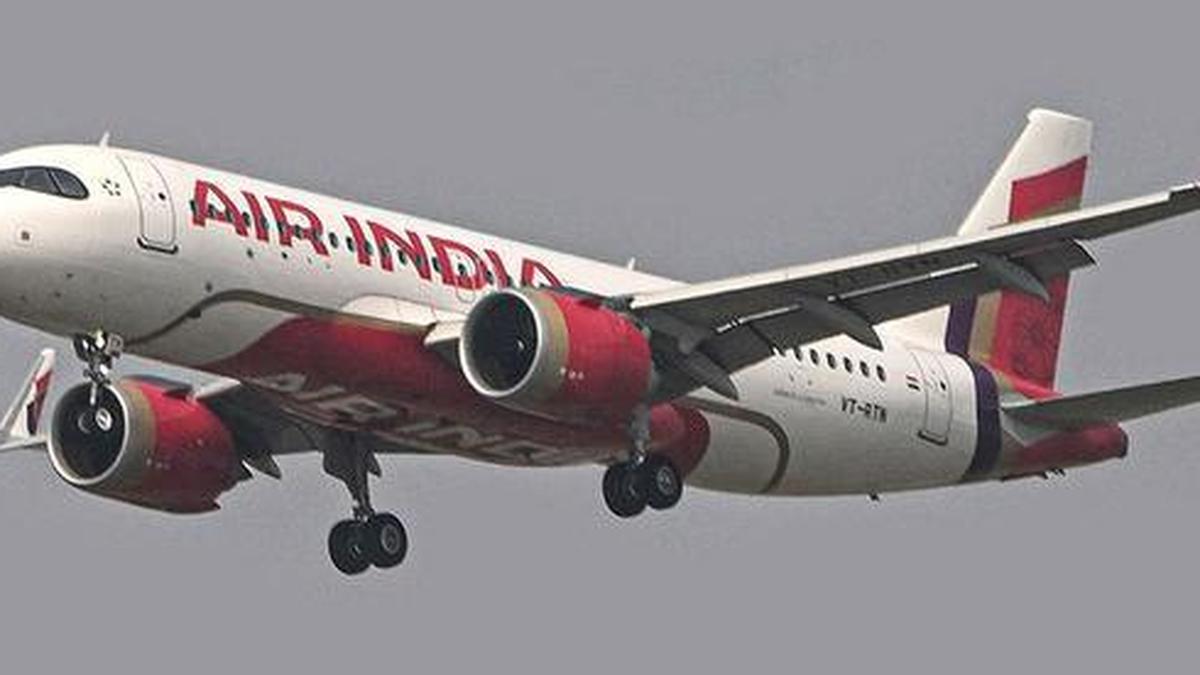
The Airbus A320neo suffered a 300-foot drop during the flight, prompting an investigation by the Aircraft Accident Investigation Bureau
A preliminary assessment by Airbus into the August 4 Air India Phuket-Delhi flight incident has identified a loss of the aircraft’s hydraulic system that resulted in a temporary malfunction of multiple flight-control systems.The initial assessment report sent from Airbus to Air India on August 4 had said the aircraft’s control on elevators and aileron surfaces were lost for around four seconds during the occurrence.Notably, the assessment was based on decoded digital flight data recorder (DFDR) data and the post flight report (PFR), relates to the Airbus A320neo that suffered a sudden loss of altitude of around 300 feet during the flight.However, sources said the preliminary report is dated and subject to changes as the investigation progresses.Besides, the initial Airbus assessment said the incident requires a detailed analysis covering both aircraft systems and structural integrity, as the aircraft may have been affected by the sudden movement.Operational testsMeanwhile, the preliminary assessment prescribed a series of operational tests of the hydraulic systems, along with tests of the system pressure switches, pressure transducers and associated indicating systems.Furthermore, Airbus has sought information on recent maintenance activities carried out on the aircraft’s hydraulic system.Earlier a post-flight maintenance report of flight AI2379 flagged multiple warnings involving faults in the aircraft’s hydraulic and flight-control systems.In another development, a three-member specialised team from Airbus is currently in India to examine the Air India aircraft involved in the incident, multiple sources told businessline.The team, sources said, is assisting with the ongoing investigation into the occurrence, which has been designated as a ‘Serious Incident’.Flight-control systemsAt present, the Aircraft Accident Investigation Bureau (AAIB) is examining all aspects related to the incident, including turbulence, drug-test results and any faults in the aircraft’s hydraulic and flight-control systems.Earlier, sources in the Ministry of Civil Aviation told businessline that the preliminary report into the August 4 Air India flight AI2379 incident is expected to be completed within the next 10-15 days.Following the preliminary investigation report by the AAIB, sources said the Directorate General of Civil Aviation (DGCA) will decide on any action against the stakeholder involved in the incident.“Fines and management liability cannot be ruled out at this stage,” sources said. However, sources clarified that these proposed actions can only be decided after the preliminary investigation report is out.Enhanced surveillanceApart from fines and management liability, enhanced surveillance measures on the airline may also be imposed, depending on the findings of the investigation, sources said.In terms of investigation, the AAIB had summoned the pilots and crew of AI2379 for questioning as part of its investigation into the incident.Additionally, the AAIB is collaborating with the French civil aviation regulator, Air India and Airbus.The incident involved an Airbus A320neo, registered VT-EXO, in which 20 passengers and four crew members were injured.Published on August 14, 2026