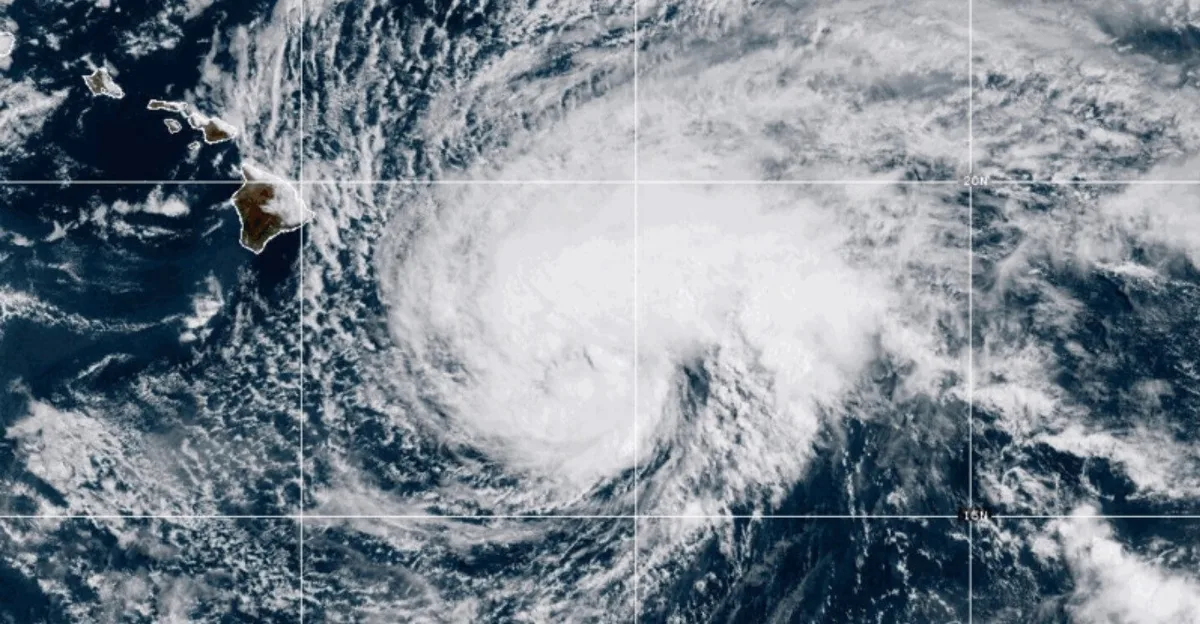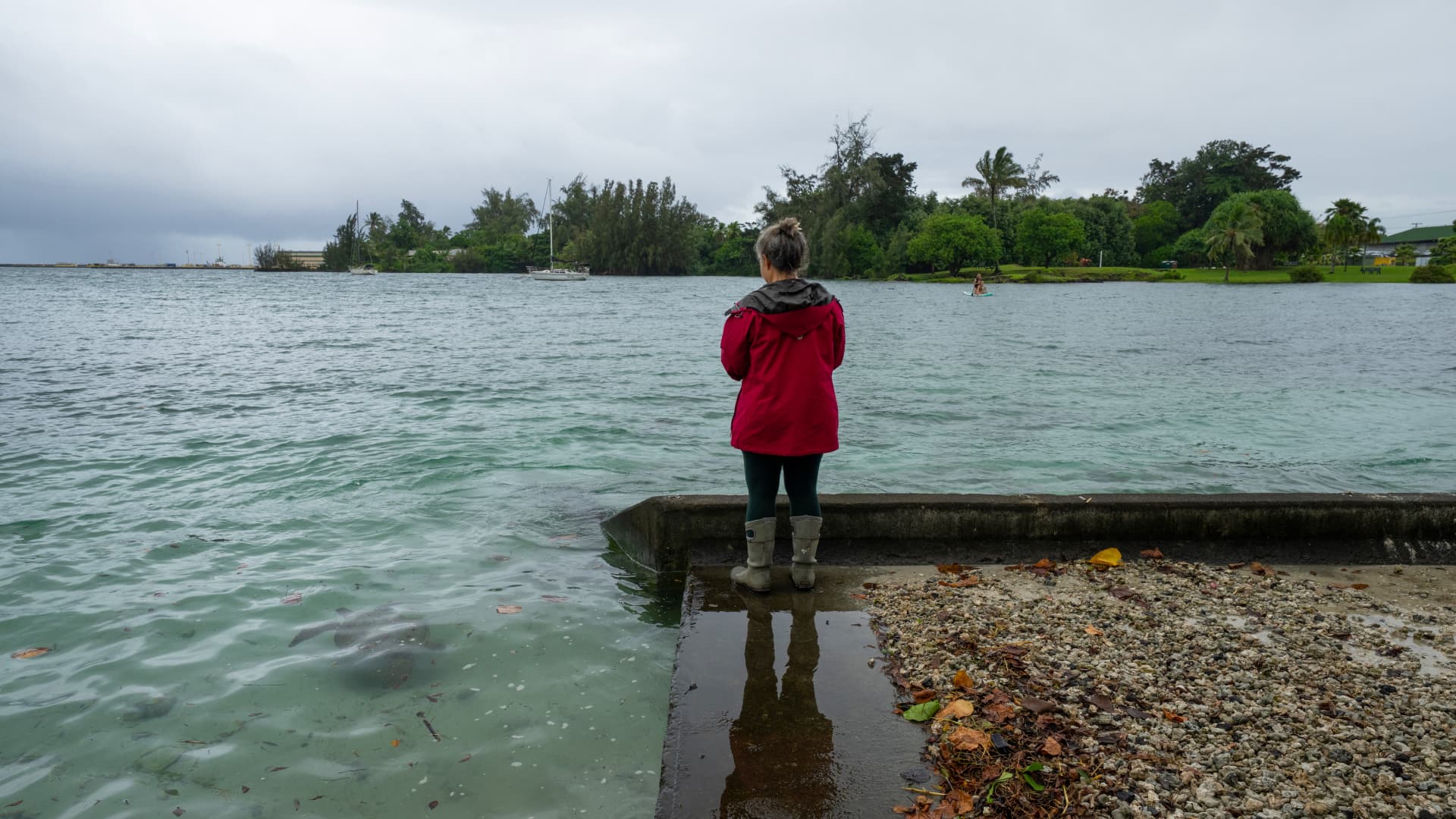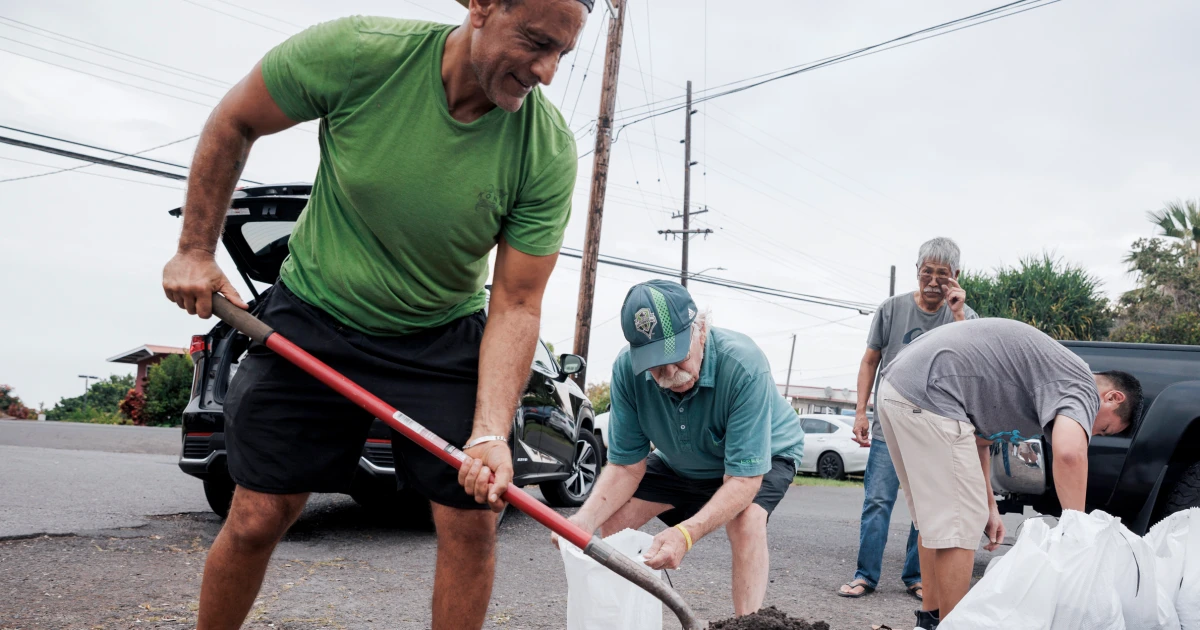
Show Caption
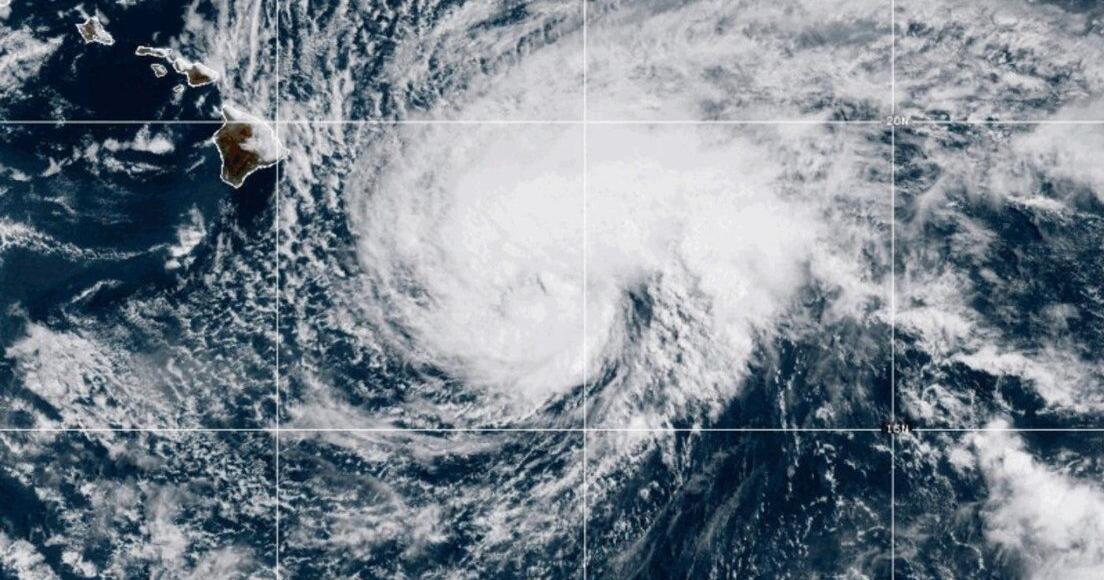
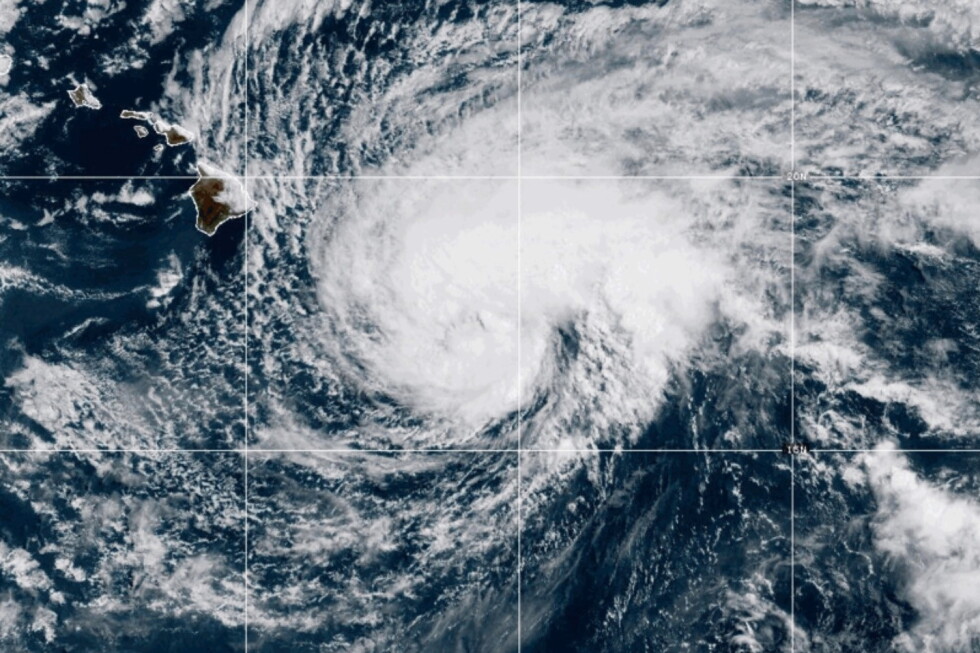
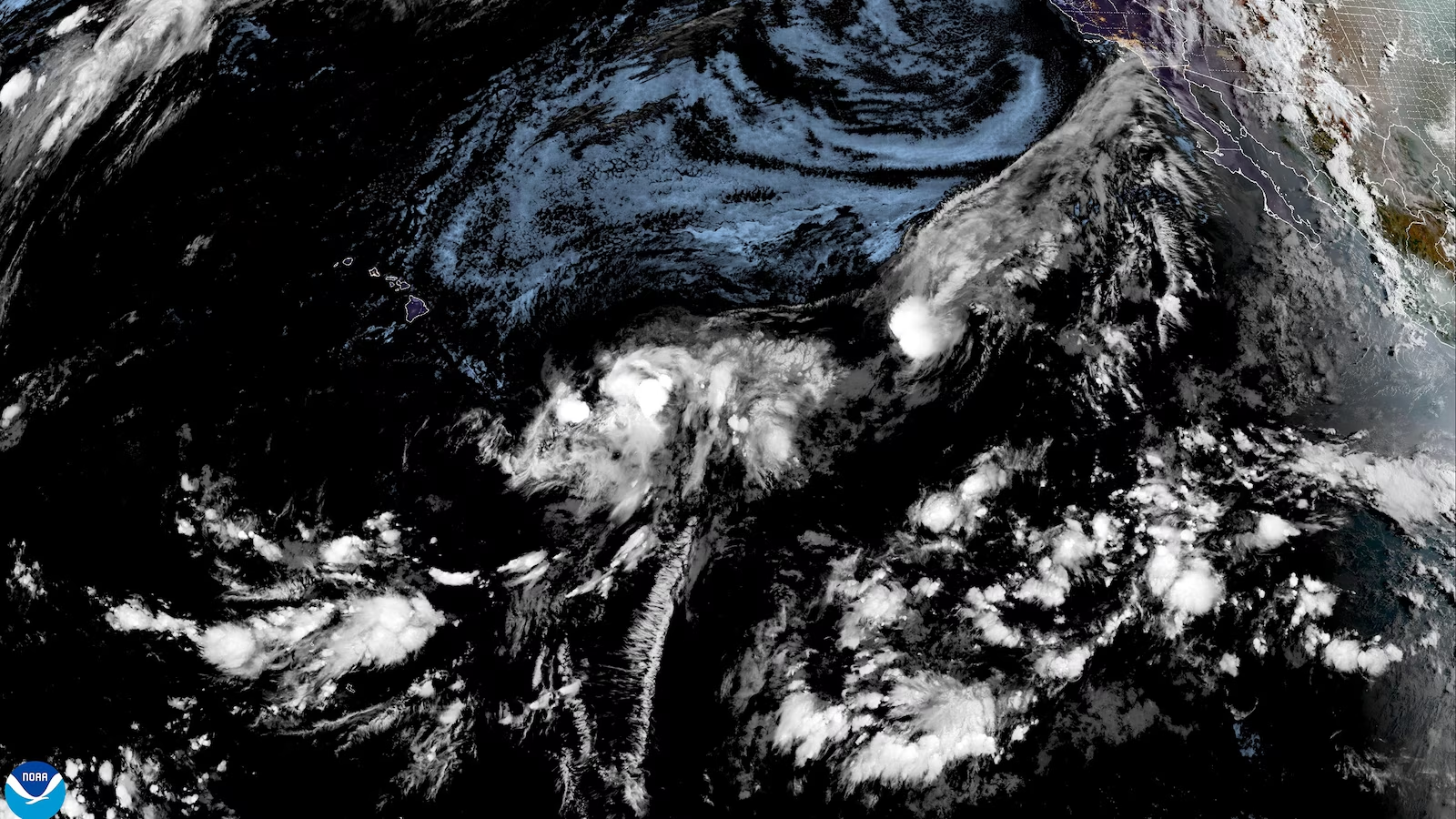
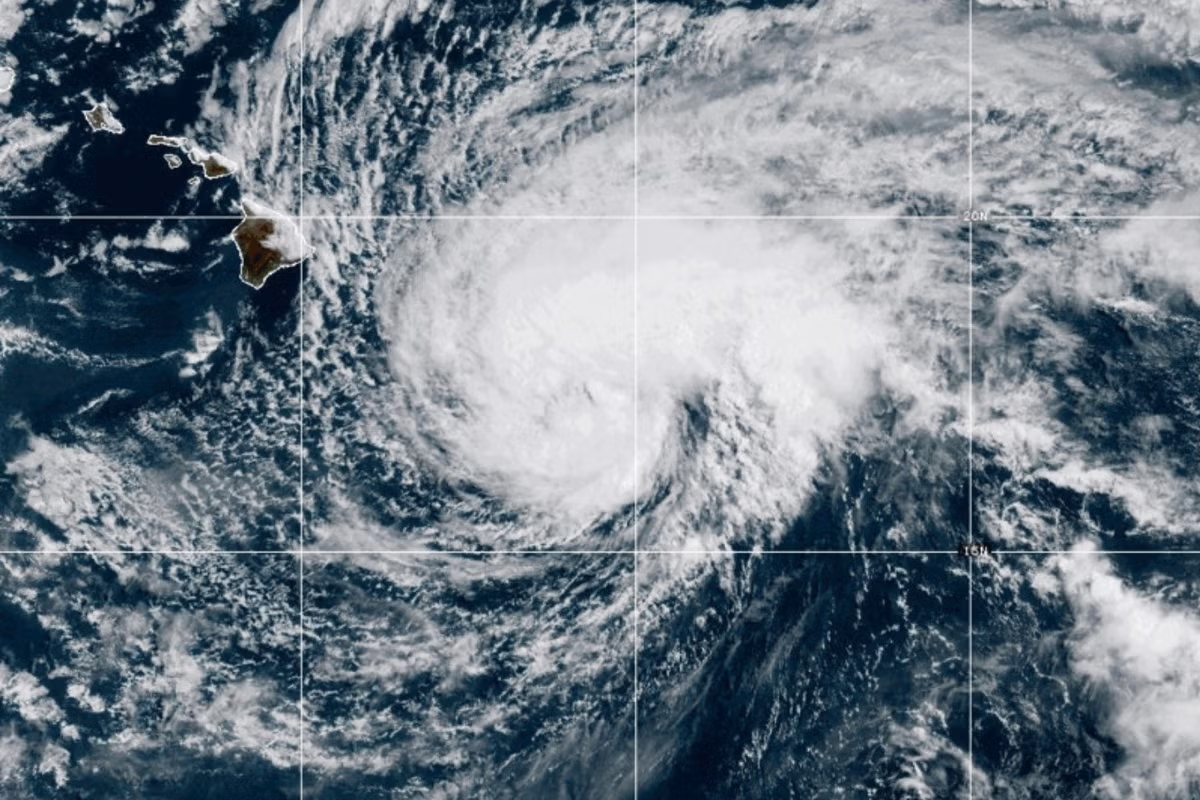
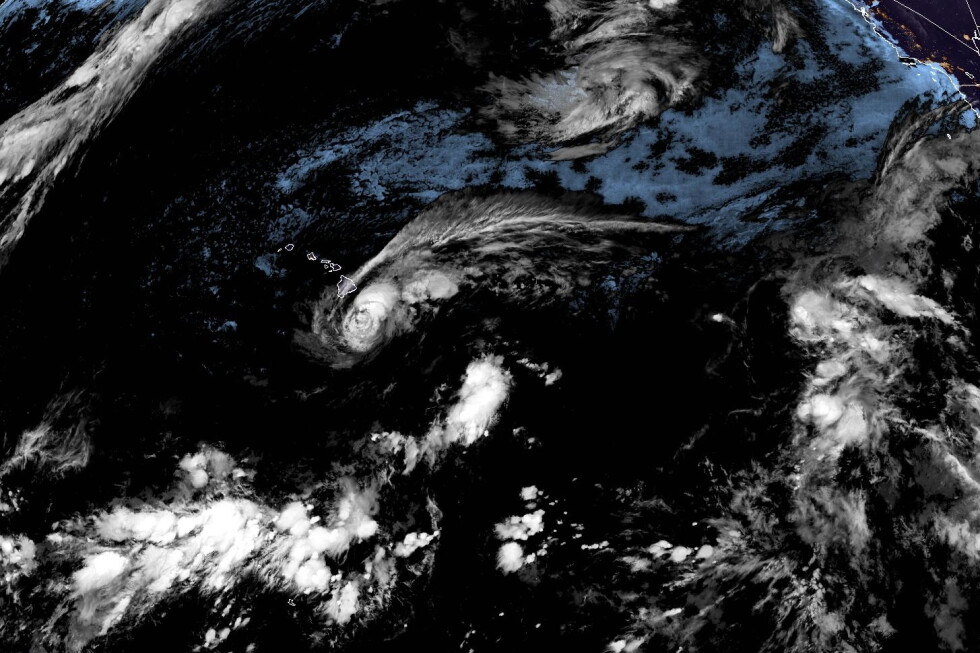
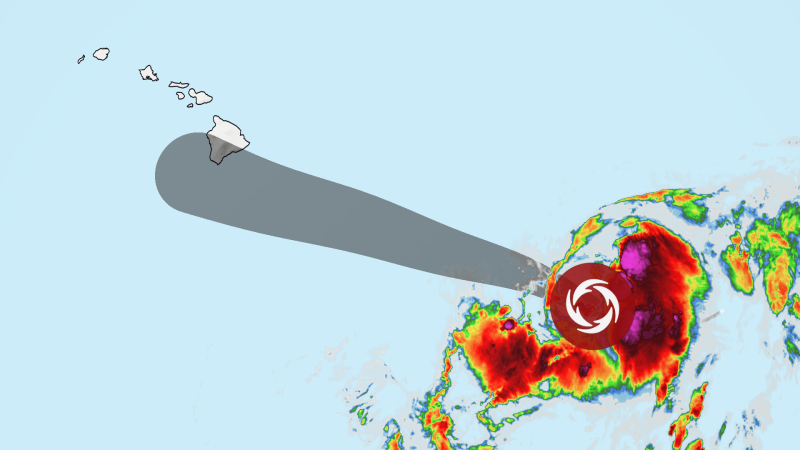
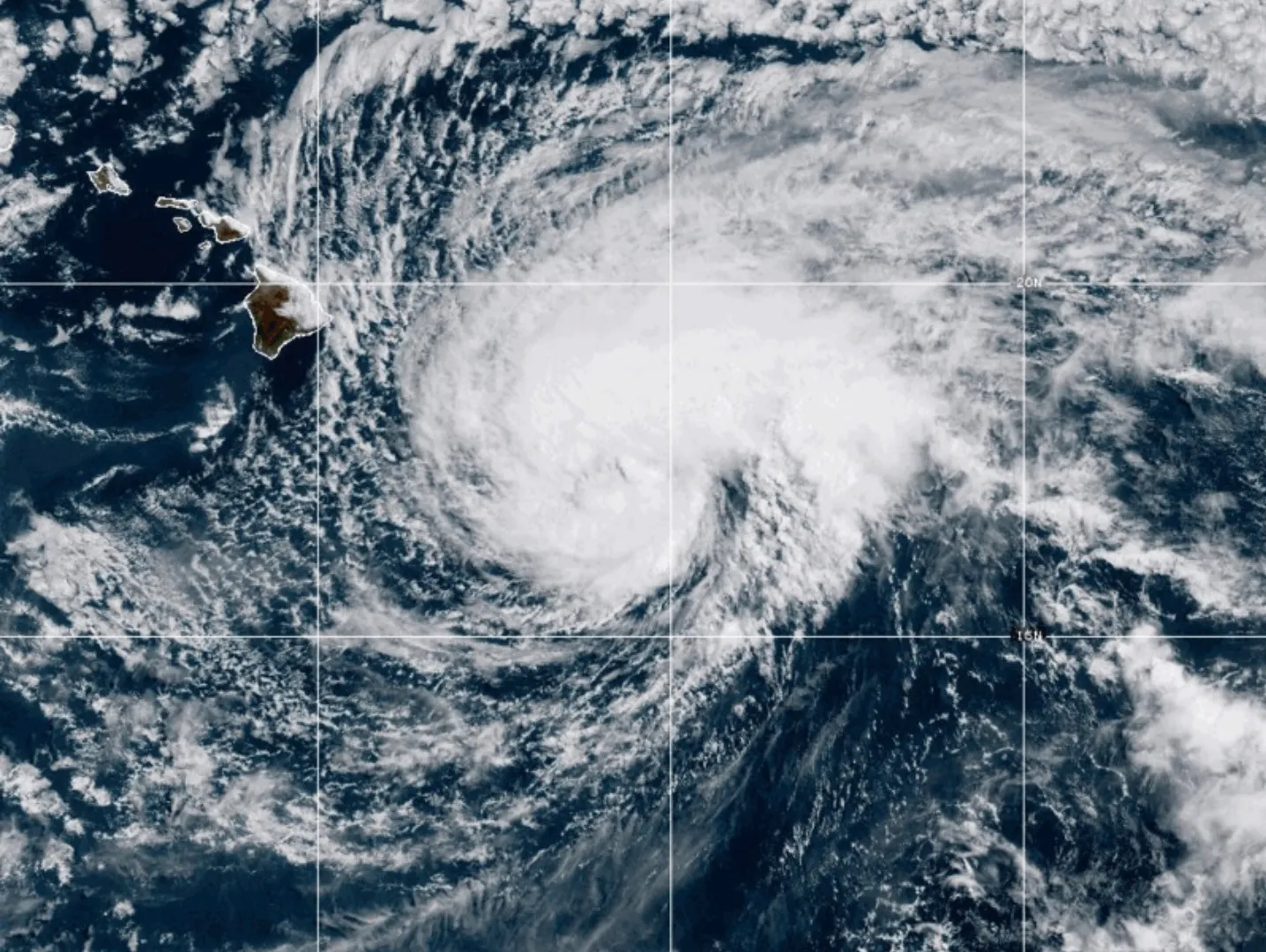
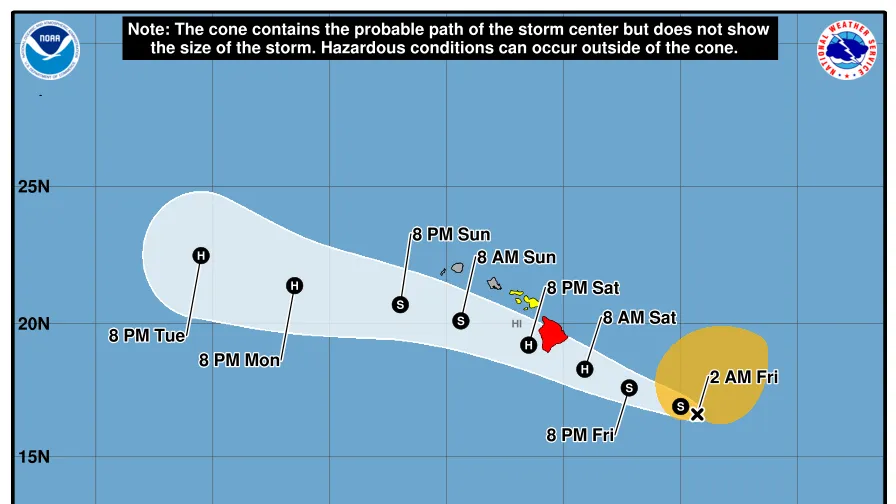
Tropical Storm Lala is expected to strengthen as it makes its way toward Hawaii on Aug. 14, eventually reaching hurricane status as it approaches the Big Island early on Aug. 15, forecasters said.A hurricane warning was in effect for Hawaii County, while a tropical storm watch has been issued for Maui County, according to the hurricane center. Forecasters expect Lala to be near the Big Island on Aug. 15 before passing south of the rest of the Hawaiian Islands later in the weekend.Hawaii Gov. Josh Green declared a state of emergency ahead of the storm. He said impacts will come first to the Big Island before reaching other parts of the state, with winds getting "pretty serious" on Aug. 14."Please continue to be vigilant and look out for one another," he said.The storm's greatest threat may be flooding from heavy rain. The hurricane center said rain is expected to begin affecting the Big Island on Aug. 14 before spreading westward through the weekend. Maui and the Big Island could receive 8 to 12 inches of rain, with isolated amounts as high as 25 inches.Forecasters warned that the rainfall could trigger life-threatening flooding and mudslides, particularly in mountainous areas. Elsewhere across the state, 4 to 6 inches of rain is forecast, with localized totals reaching 8 inches. The system is also expected to cause dangerous ocean conditions. Large swells from Lala are forecast to reach Hawaii on Aug. 14 and build through the weekend, creating dangerous surf, rip currents, localized coastal flooding and beach erosion.Where is Tropical Storm Lala now?As of 2 a.m. Hawaii time on Aug. 14, or 8 a.m. ET, Lala was about 435 miles east-southeast of Hilo, Hawaii, and had maximum sustained winds of 60 mph. The storm was moving west-northwest at 10 mph, and forecasters said it is expected to strengthen steadily.Storm tracker: Map shows forecast pathHurricane safety tipsAs hurricane activity increases in both basins, experts say now is a good time for residents to review hurricane safety plans.The National Weather Service notes that storm surge and inland flooding remain the deadliest hurricane hazards, and urged people to know their evacuation zone, follow evacuation orders and never drive on flooded roads. Several storm-related fatalities in 2026 have been linked to motorists attempting to cross flooded roadways.The National Oceanic and Atmospheric Administration also recommends assembling an emergency kit that includes at least three days of water (1 gallon per person per day), nonperishable food, medications, flashlights, batteries, cash and a battery-powered or hand-cranked weather radio.NOAA further advises having multiple ways to receive emergency warnings rather than relying solely on a cellphone. Options include weather radios, emergency alert systems, television and radio broadcasts, and trusted weather apps.Contributing: Dinah Voyles Pulver and Doyle Rice, USA TODAY