Today, while a strong-willed Sanae Takaichi can react with her famous strategic nerve, it won’t resolve the Kuril dispute. Is the war expanding then? And, more importantly, how are these theatres interconnected?At Cape Nosappu, on the eastern edge of Hokkaido’s Nemuro Peninsula, lies this chapter of an unfinished history wrapped in diffident sea foam. The Oyashio current sweeps down from the sub-Arctic, bringing fog, fish and winds sharpened by the Sea of Okhotsk. In winter, drift ice rides south from waters fed by the Amur river. On a clear day, the Habomai islets appear across the Nemuro Strait—a treat for geopolitics die-hards.Centuries of geopolitics engulf these 50-odd islands strewn between Russia and Japan.This was Ainu country long before it became a frontier between Russian and Japanese empires. The Ainus inhabited Hokkaido, Sakhalin and the Kuril chain, moving through a maritime world that was later divided into Japanese and Russian territories.I would recommended two books: in his classic The Kuril Islands: Russo-Japanese Frontier in the Pacific, John J Stephan describes how two expanding states pressed into this older indigenous geography. George Lensen’s The Russian Push Toward Japan similarly depicts a long advance of traders, castaways, explorers and soldiers rather than a clean meeting of borders. Russians came east across Siberia and Imperial Japanese moved north from the Matsumae domain. The Ainu were caught between them.Fraught frontiers
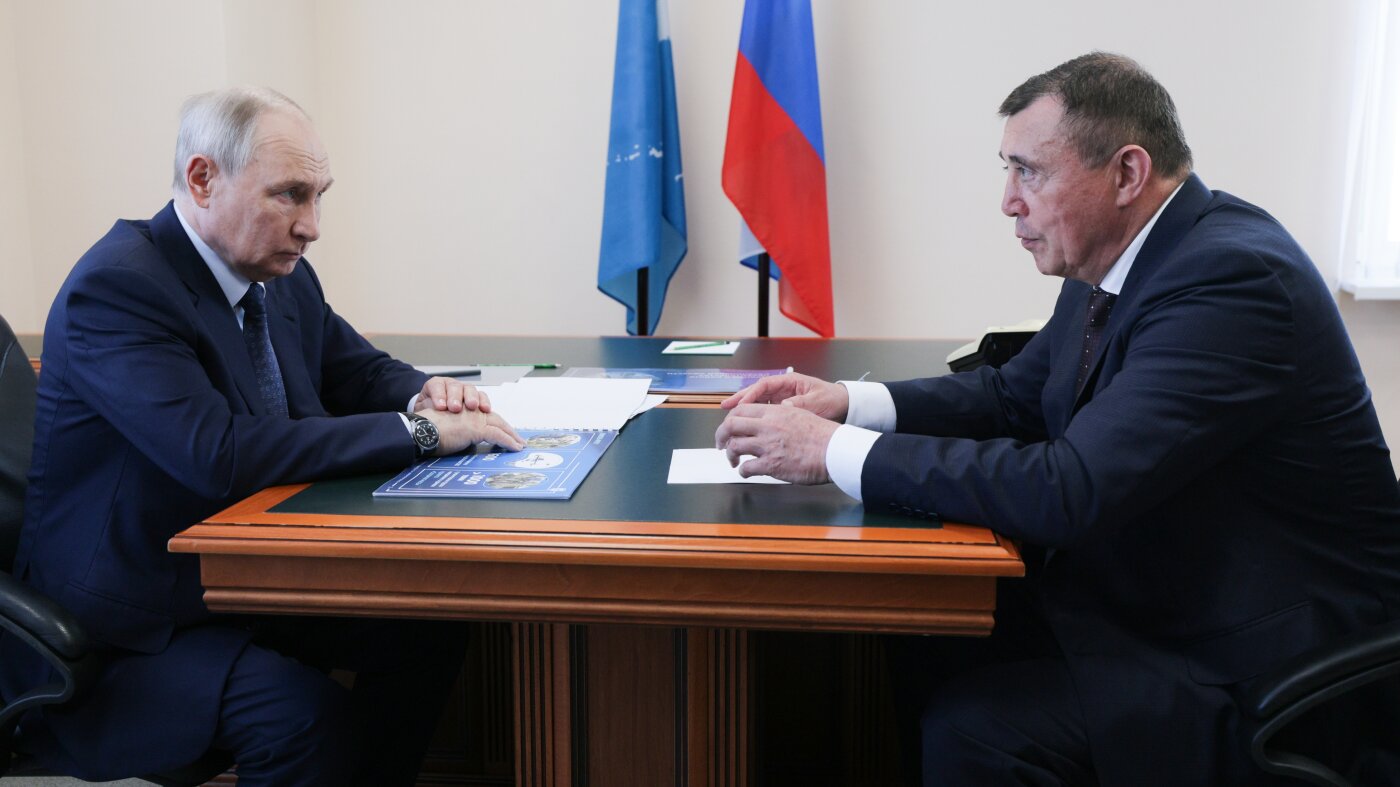
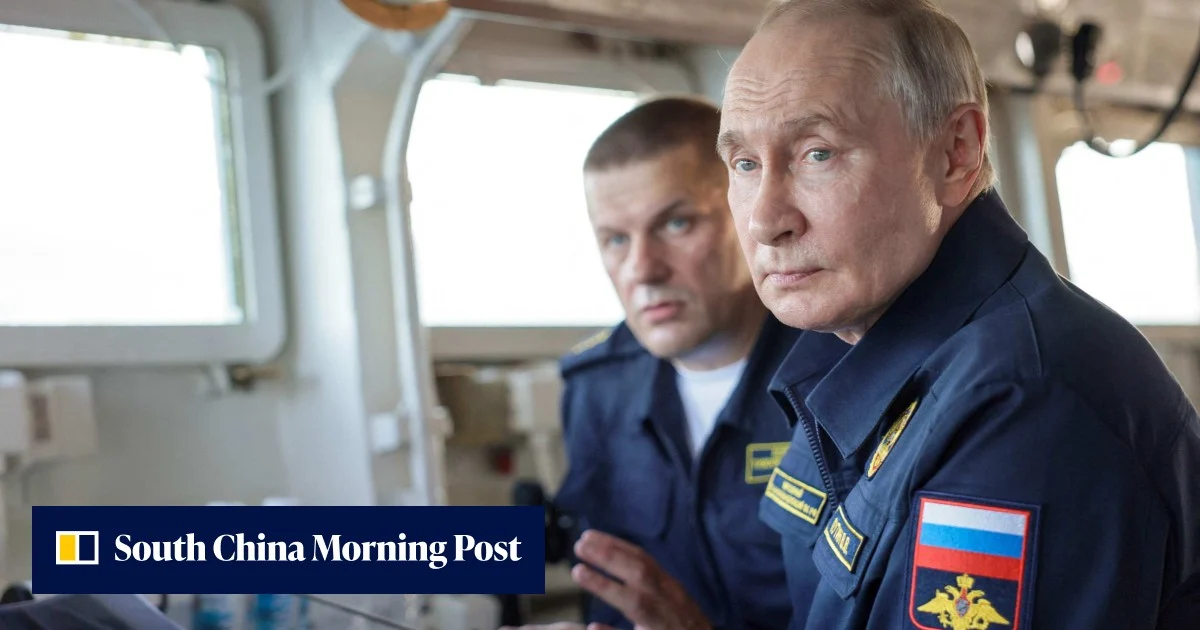
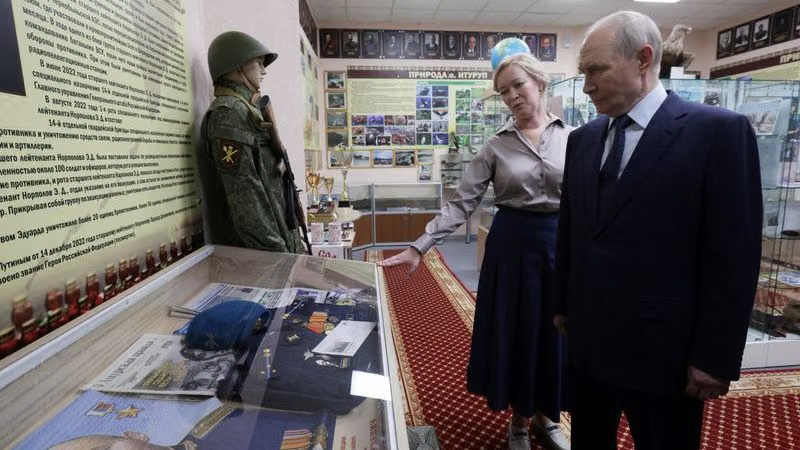
Putin’s Kuril island visit shows why Russia’s Pacific strategy matters to India
This remote frontier is not remote for India. The cold waters between Hokkaido, Sakhalin and the Kurils connect the unfinished business of World War II to the wars of the present.
1,820 words~8 min read