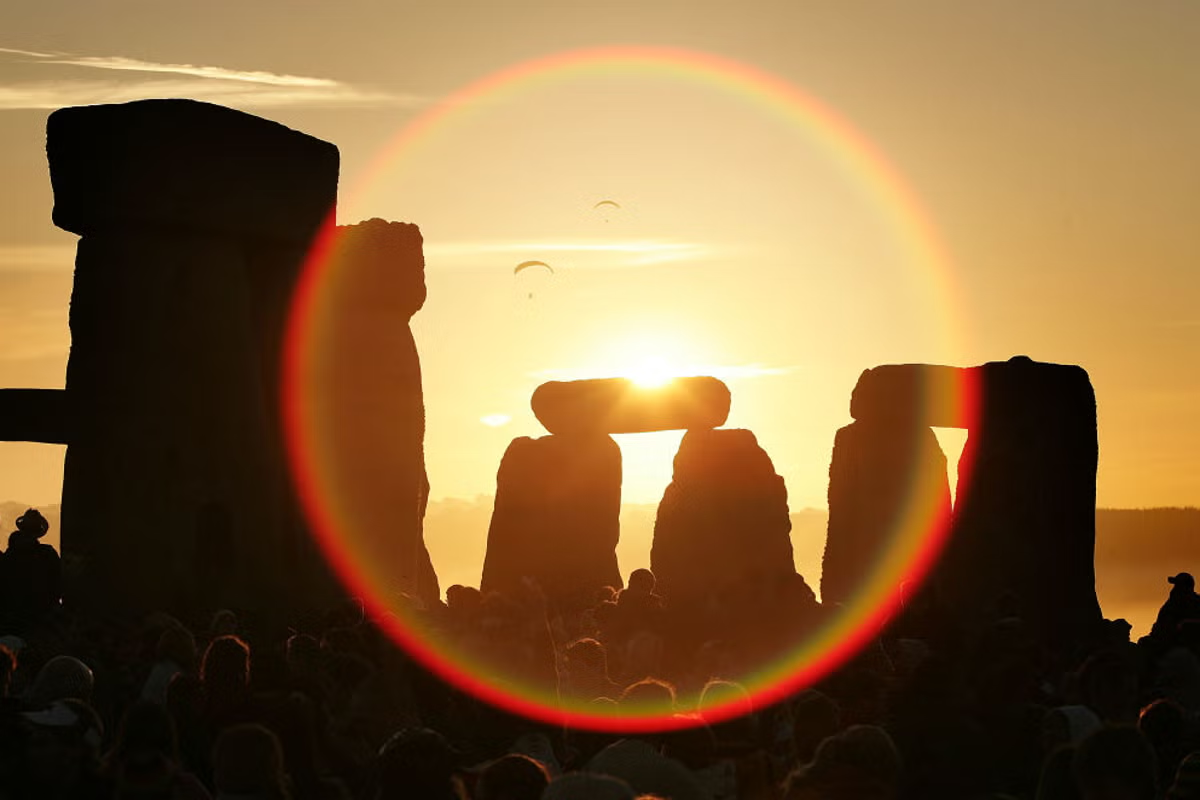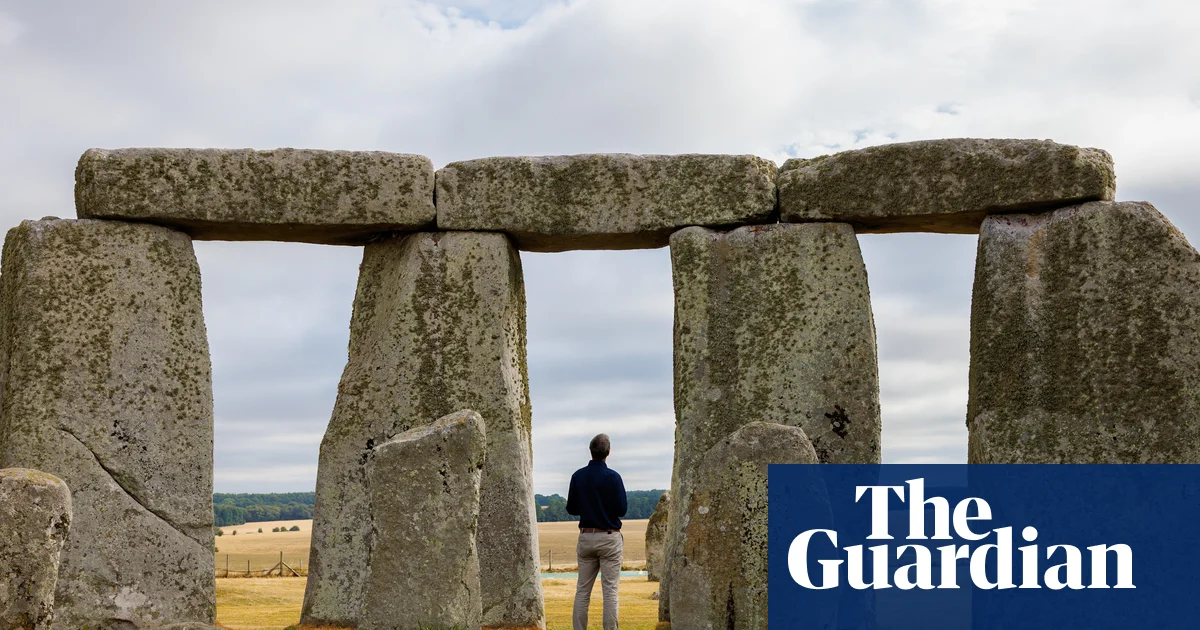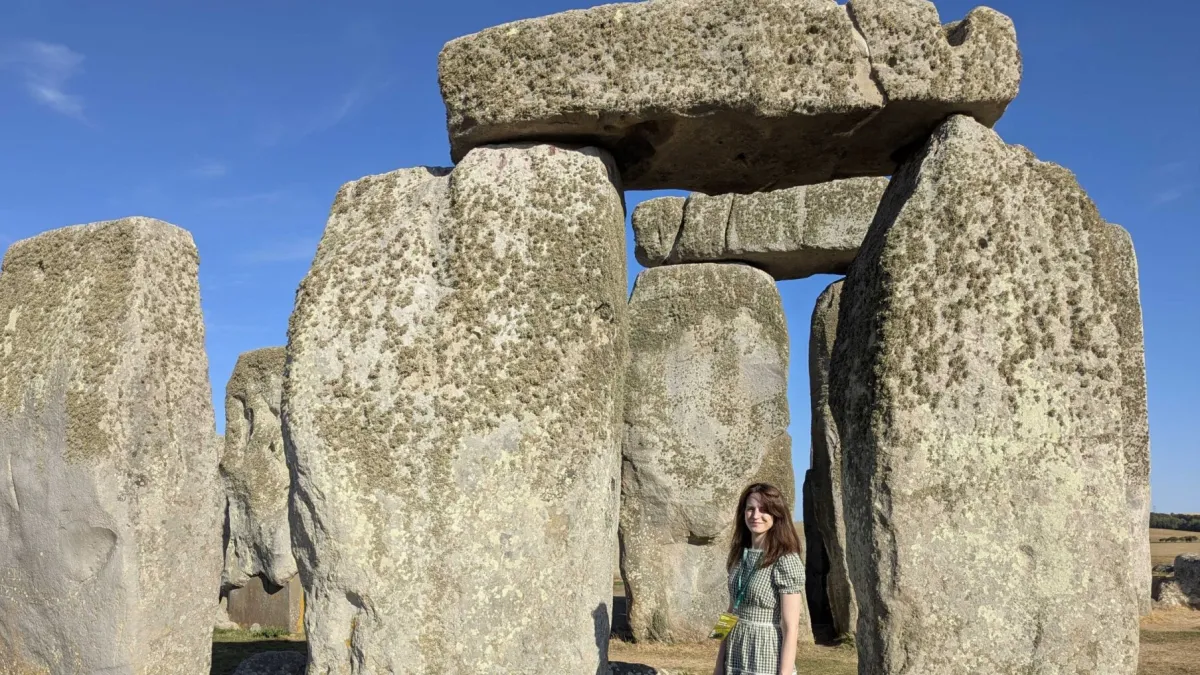
“I’m not a native moonraker, I’m a Londoner,” says Julia Kirkland, one of two expert guides helping me decipher the prehistoric sites of the area surrounding Stonehenge. You wouldn’t know Julia’s a semi-recent transplant. She and her fellow guide James McCarraher have an encyclopedic knowledge of the area, and I’m captivated.
It’s in the high 20°Cs, yet feels hotter. But inside a Mercedes van with blacked-out windows and air conditioning, I can concentrate on the in-action history lesson as my small tour group is driven slowly among undulating fields, behind a sometimes-thick trickle of traffic. Our transport feels fitting high-end for the £295 ticket price of the new Stonehenge Explorer Tour, but I still need convincing.
It’s our hosts’ knowledge that starts to soothe my scepticism. They revel in storytelling. Being a tour guide was a long-held dream of Julia’s, while James has written a book on his expert topic. Lessons are on the local, as well as ancient, history.
The Neolithic landscape
From them, I learn of Gertie, a “turkey-sized” female great bustard, an endangered species, who lands on the stones each spring (and prefers women to men). I hear how, with the Ministry of Defence owning or controlling around 12 per cent of Salisbury, First World War pilots would attempt to “buzz” the top of the Stones. I learn that a relatively recent dig revealed Neolithic children buried with a cow, perhaps a symbol of providing them with milk in the afterlife.