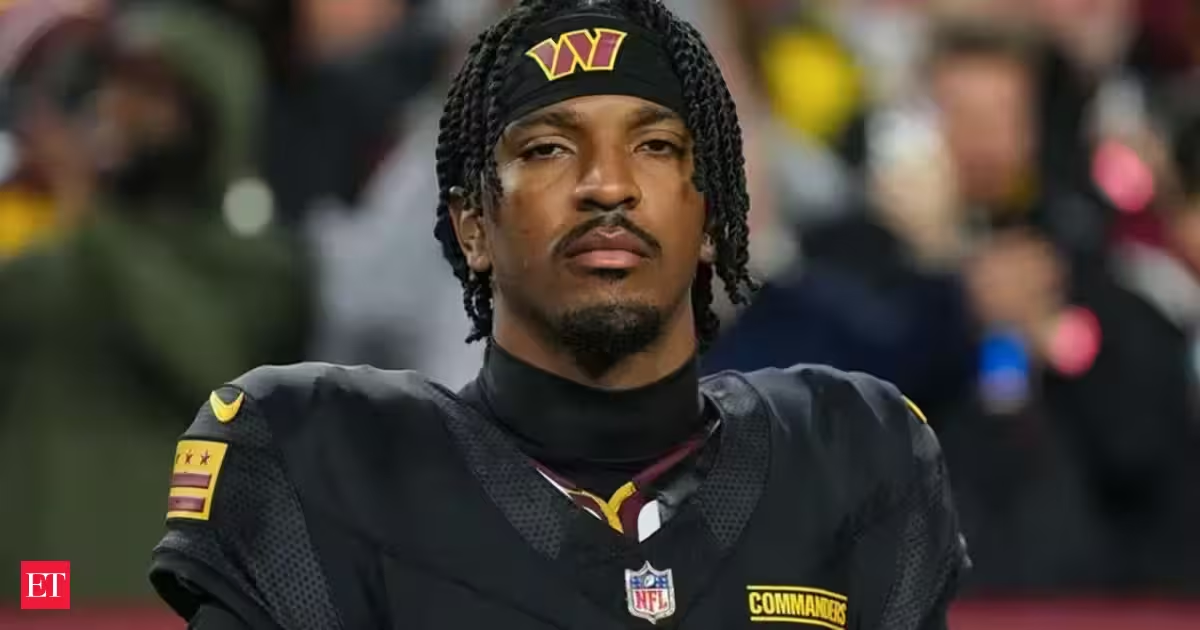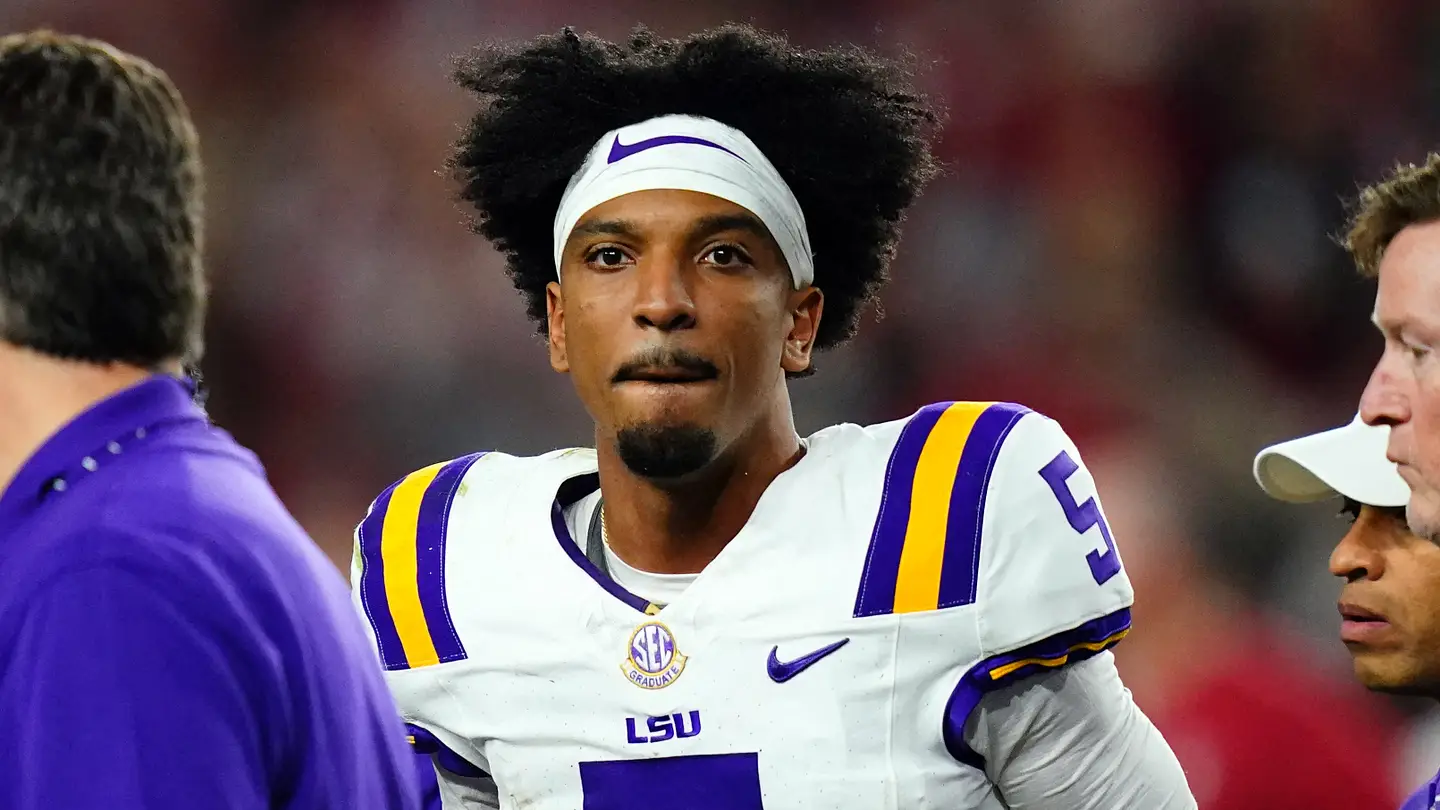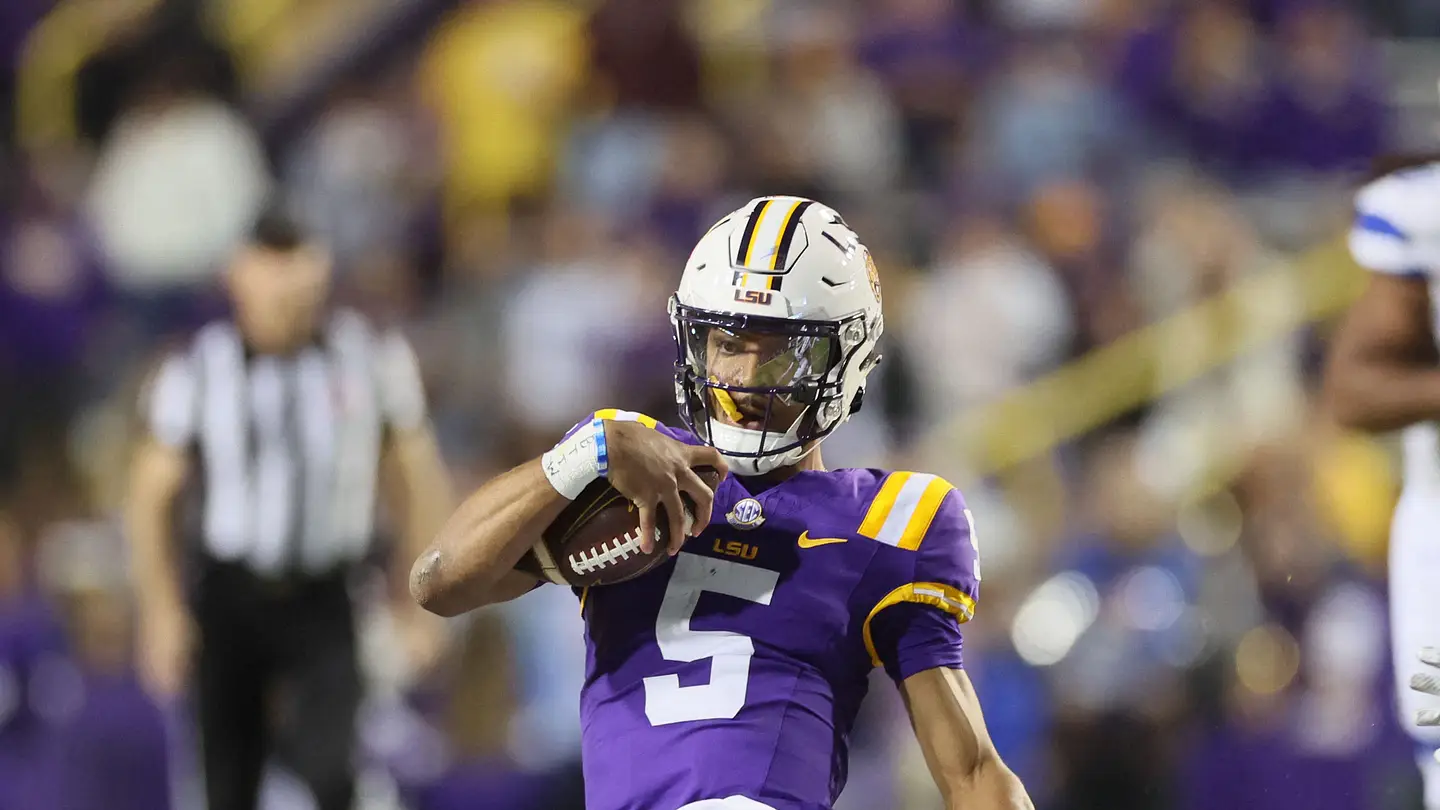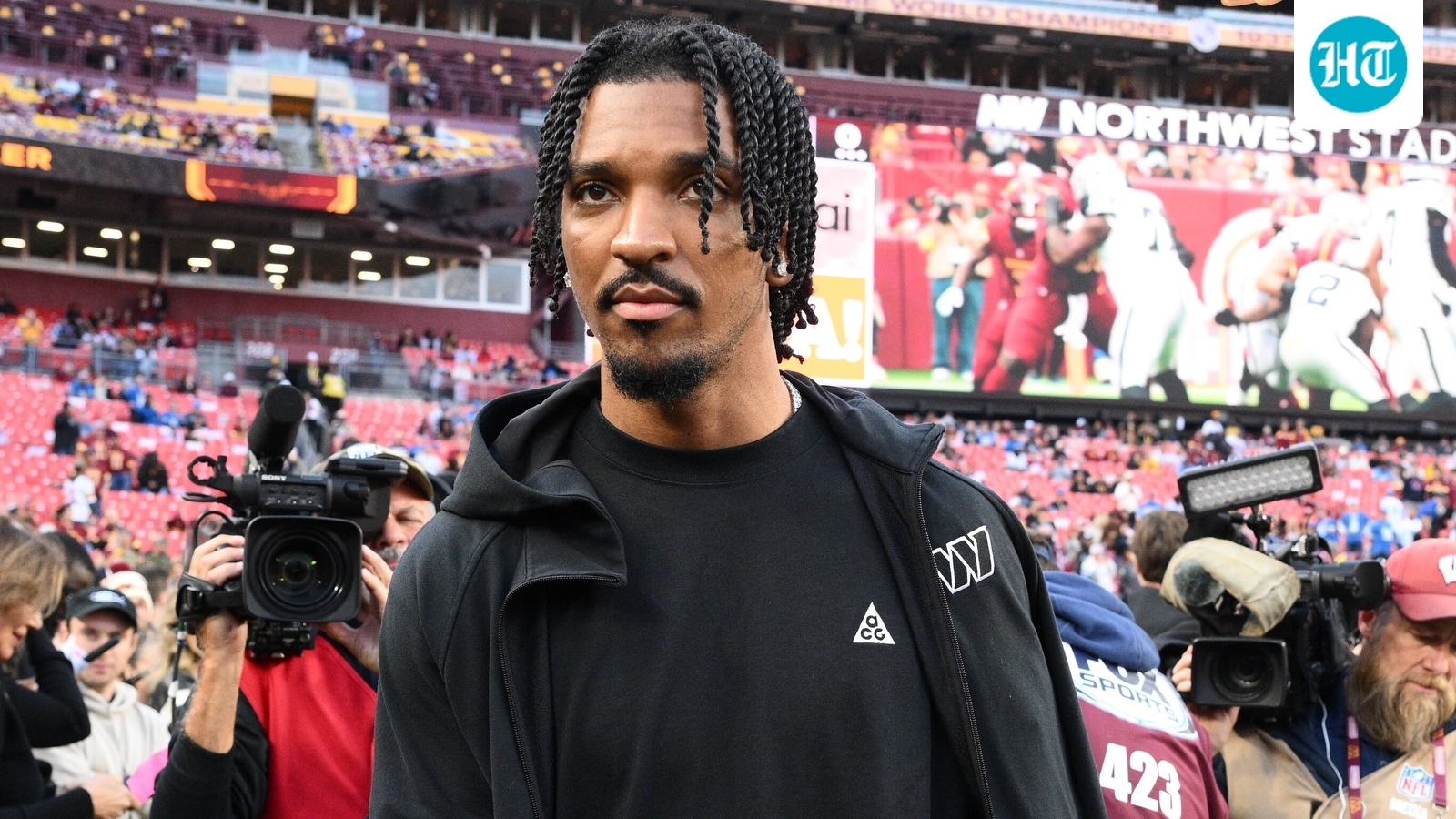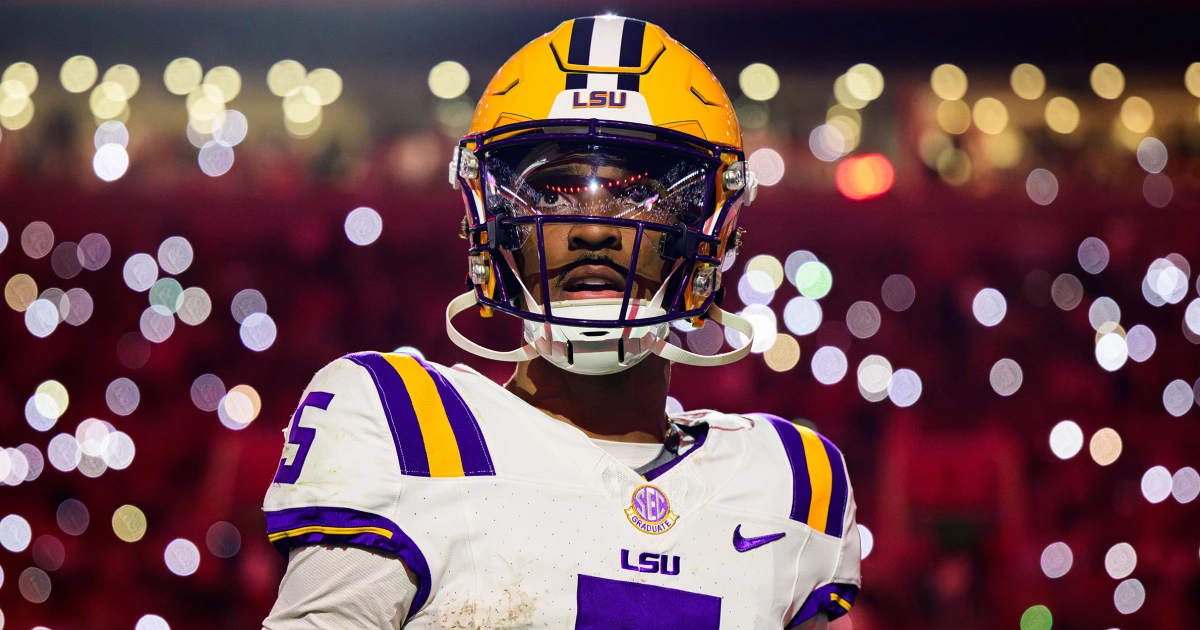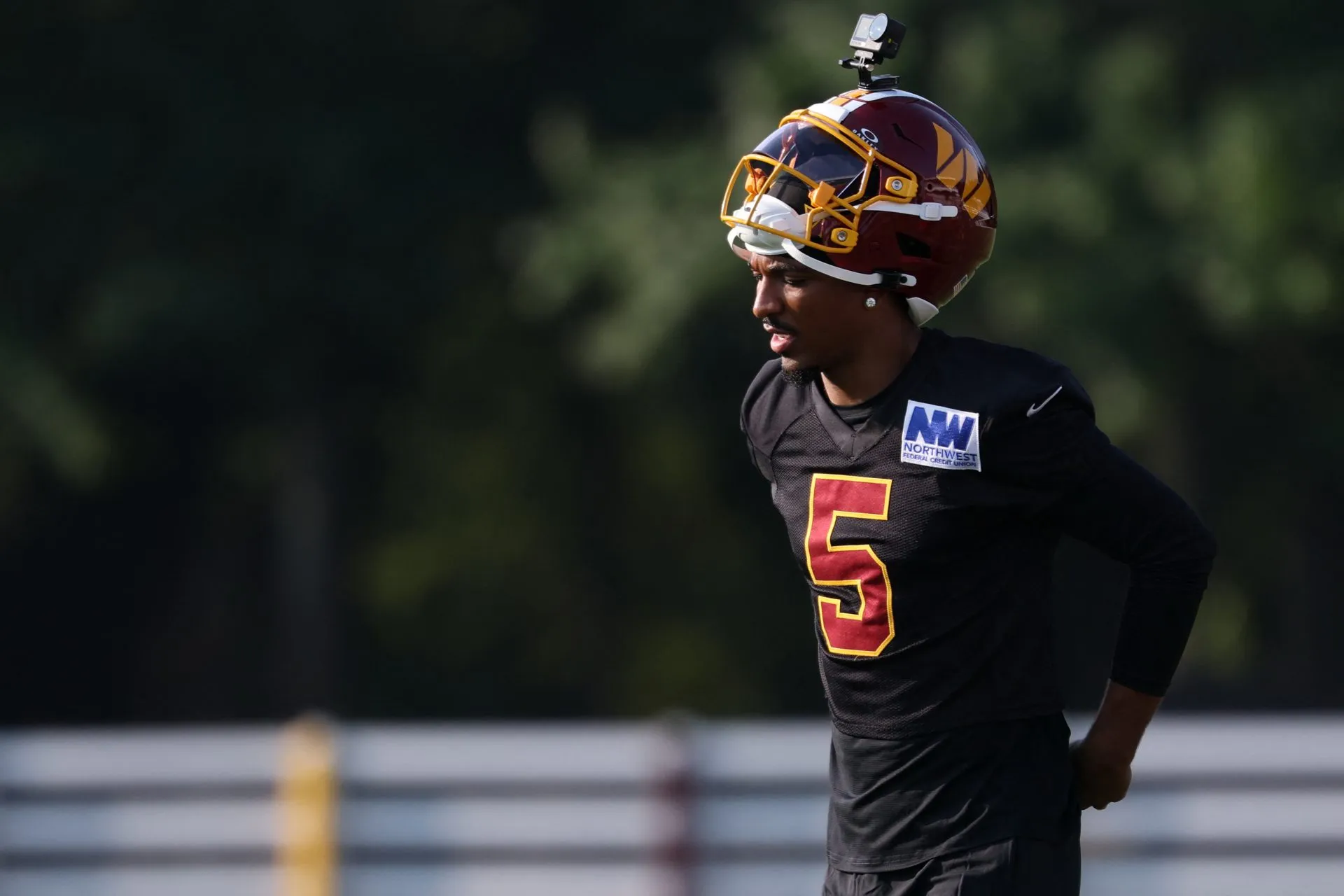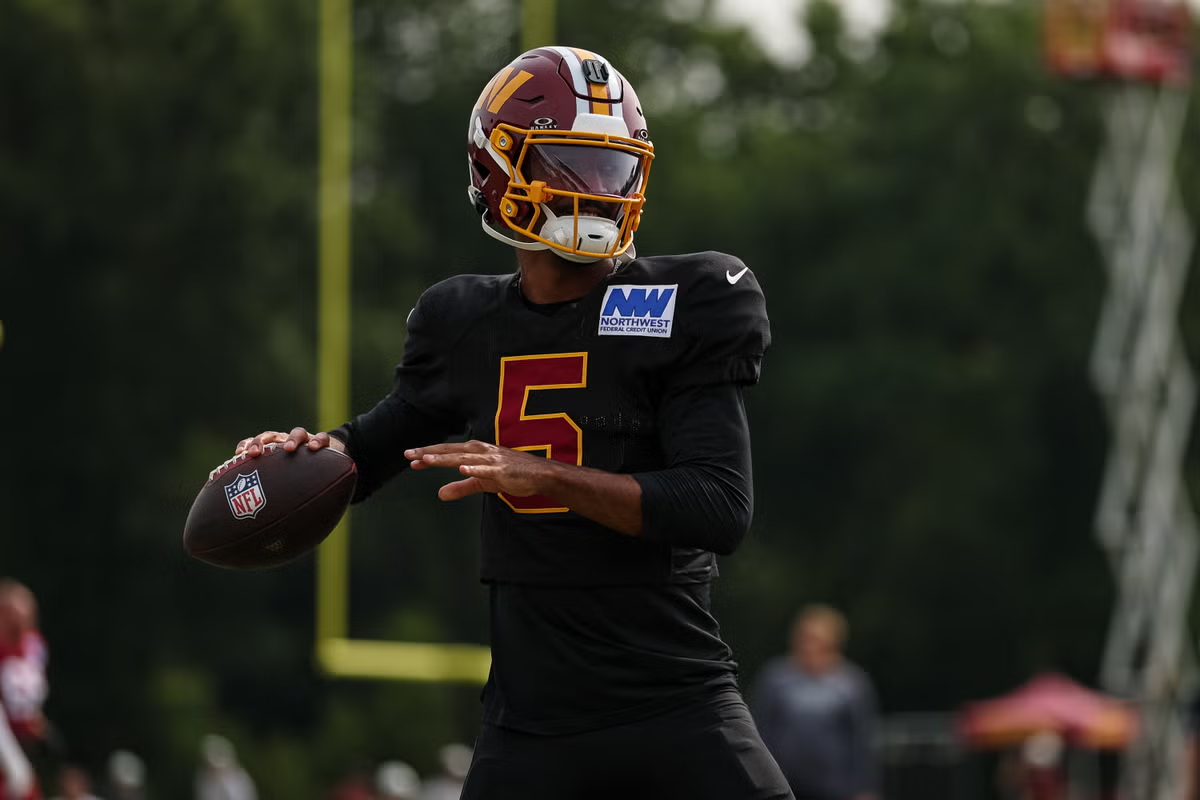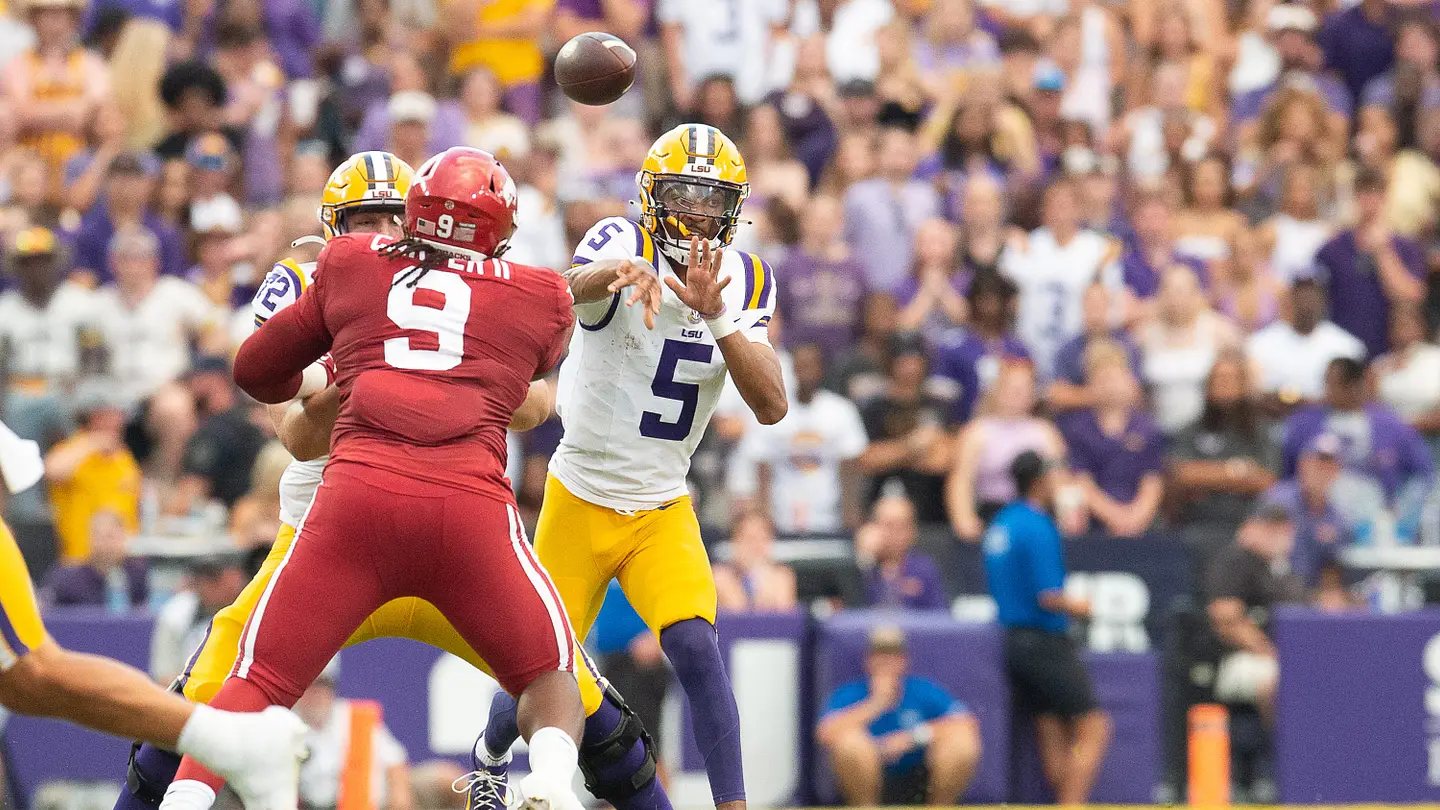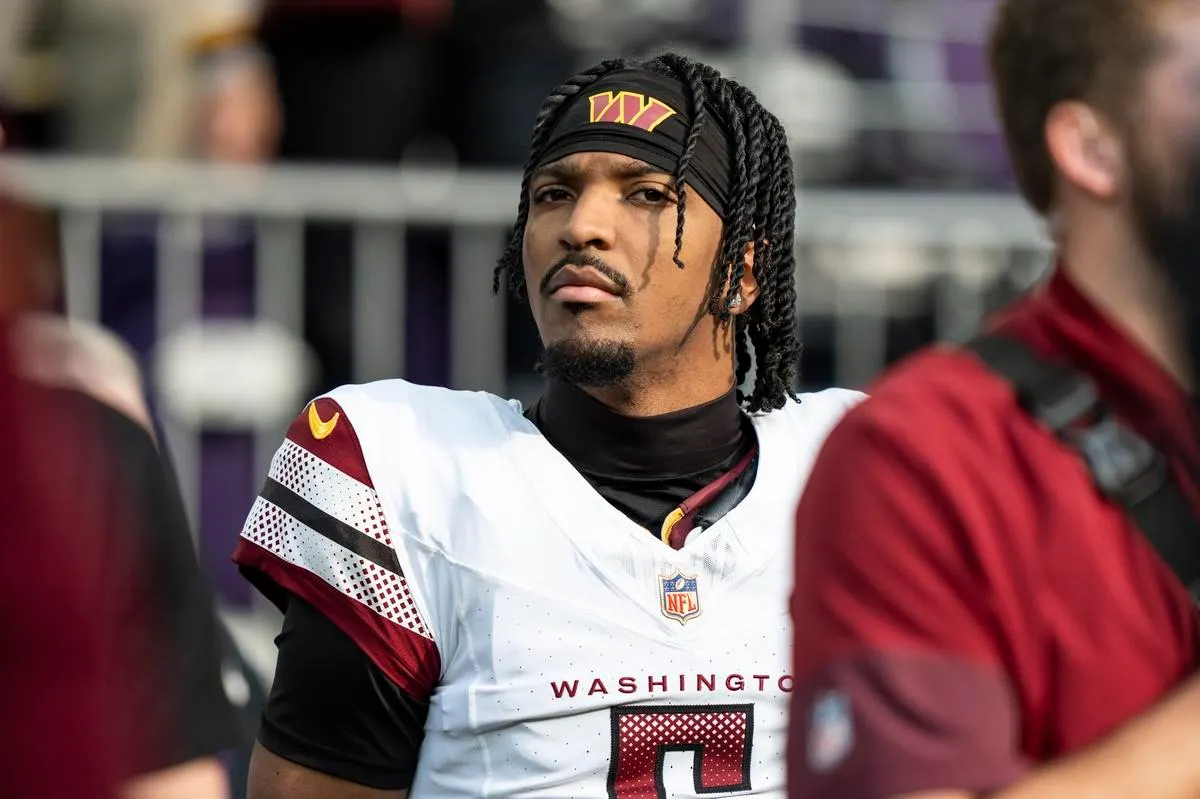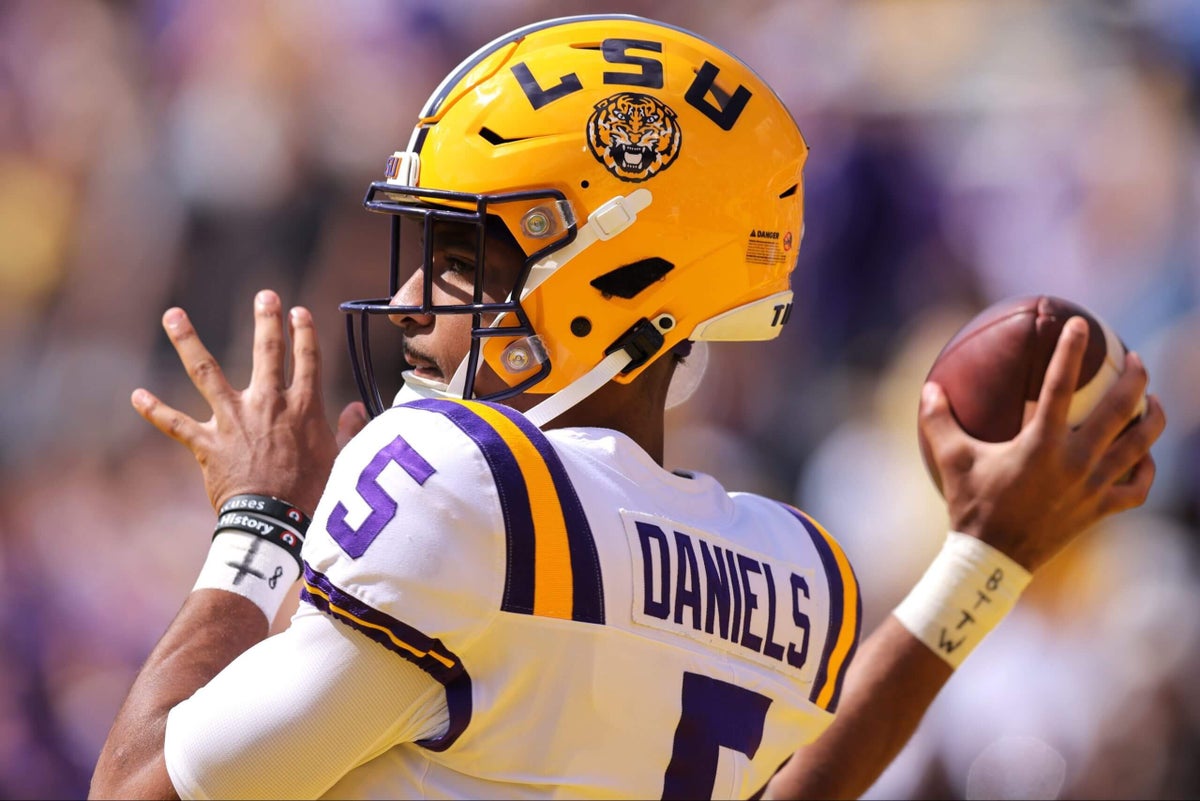
What is Jayden Daniels’ legacy at LSU, and is it worth this bizarre spectacle on the eve of a highly anticipated football season?In light of Daniels’ cease-and-desist letter sent to LSU over the continued use of his name, image and likeness — all, according to a statement to ESPN, because current player DJ Pickett was allowed to wear the No. 5 he was apparently promised by former coach Brian Kelly — much of the attention has focused on the value or purpose of retired and non-retired jersey numbers.But in this era of unlimited transfers, Daniels’ spat with LSU is a sign that college legacies and relationships are thinner than ever.A sport that lived for 150-plus years on the idea that a program is bigger than a player has become more transactional than transformational, and it’s changed how we look back on careers.Could this be the SEC's year to win a national title? It starts with QBsSeth EmersonCollege legacies have always been different from pro sports. With only four years of eligibility, players come and go, but the idea is that they walk the same halls as every other student. One game or one play is enough to become a local legend in a college town. A conference championship gets you and your pals invited back every five years to be honored on the field. A Heisman Trophy can get you a plaque or a statue. A national title puts you in the annals.Even simply spending a few years as a spot starter ties you into the alumni associations, connections that can help after football.But what if you only spent a season or two at a school? What if you, like Daniels, won a Heisman Trophy amid an otherwise poor stretch of LSU football? It appears his camp believes that’s enough not to re-issue his number, which has been an unwritten rule for LSU Heisman winners. Every school has its own policy on retired or honored jerseys, and Daniels hasn’t yet reached LSU’s five-year waiting period anyway (whatever you may think of jersey code).I dislike how often the term “mercenary” gets thrown around when referring to transfer players, as it did Thursday as the controversy swelled. The NIL/unlimited transfer era has been an unequivocal boost for players. Daniels fulfilled his market value as a college player and was developed into the No. 2 pick in the NFL Draft at LSU, something that was unlikely to happen at Arizona State, where his career began. Both sides got what they wanted. Some fun was had.Football at LSU is 'just different.' Here's whyMatt BakerThis has worked for lots of players; each of the last four Heisman Trophy winners has been a transfer. Fernando Mendoza left an unimpeachable one-year legacy at Indiana (then completed his undergrad back at Cal, whose fans have mixed feelings). Jalen Hurts is still beloved in Tuscaloosa, Ala., and was supported when he transferred from Alabama to Oklahoma for a starting job.Still, those situations are different from the scores of Louisiana natives populating LSU’s roster, having only ever dreamed of playing for one school. Or the long line of past players who waited their turn to start because they couldn’t transfer without losing out a year.
Jayden Daniels and LSU are feeling the friction of college football’s eroding sense of legacy
Daniels went pro after a 2023 season with LSU that earned him a Heisman and all the accompanying accolades. It seemingly wasn't enough.
1,029 words~5 min read