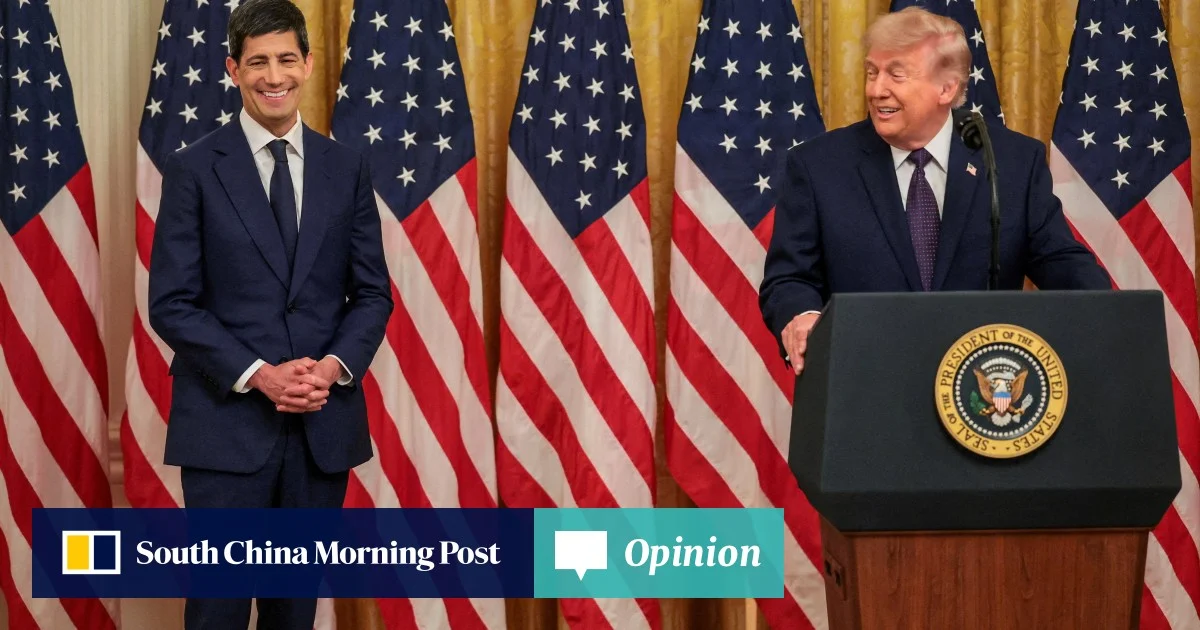
Global inflation is experiencing a renewed upward tick driven by recent energy price spikes from the Iran war and supply chain pressures, among other challenges to keeping prices low. After years of postpandemic inflation cooling, central banks across the world have recently raised rates, and some analysts predict the Federal Reserve could do the same, despite pressure against it from President Donald Trump.It’s no academic exercise. Interest rates make borrowing money more expensive. For everyday life, this means higher monthly payments for mortgages, car loans, and credit cards.The U.S. annual inflation rate stands at 3.5% for the 12 months ending in June, according to Bureau of Labor Statistics data. This reflects a decline from May’s rate of 4.2%. The Fed’s inflation target is 2%. And the inflation situation is grimly similar in other Western democracies.
Nonetheless, interest rates are on the rise globally. Rate increases started in early February, when the Reserve Bank of Australia board enacted the first of its three hikes. The tightening spread to other economies over the next few months. In early May, Norway’s Norges Bank raised rates, with the European Central Bank and Bank of Japan following a month later. The Reserve Bank of New Zealand raised rates in July.Early in 2026, economists and financial markets largely expected the opposite outcome. Morgan Stanley and Deutsche Bank analysts said there were favorable conditions for lower rates in the United States, mostly from the slower-than-expected labor market. Stanford Institute for Economic Policy Research analysts described the economy as being in a strange place: It was experiencing a slower job market, but consumer spending remained high. Uncertainty over the Trump administration’s tariff policy also complicated matters, as companies decided whether to absorb tariff costs or pass them down to consumers.Economist Mark Zandi went so far as to predict three rate cuts in 2026 as the Fed looked to encourage borrowing and stimulate the economy. He added the Fed could see pressure from the White House to lower rates to help Republicans in the midterm elections.In Europe, policymakers at the ECB disagreed on whether to cut rates or keep them steady. They expressed similar worries about job growth. While ECB officials were confident the bloc could survive any sudden price shock, some members said it would be better not to make any predictions about interest rates. This was because the economic outlook was so uncertain.Sticky inflation was mostly blamed for the rising interest rates, but central bank leadership disagreed on what caused higher prices. The central banks of the European Union and Japan pegged increased energy costs to the Iran war. The ECB Governing Council said it wouldn’t know what sort of secondary price shocks might hit the economy so long as the war dragged on. The Bank of Japan added that inflation could increase as the yen’s value against the U.S. dollar continued to fall.Australia and Norway also blamed the Middle East conflict but noted that inflation had been running hot for months.“The rapid rise in business costs in recent years will contribute to keeping inflation elevated ahead,” Norges Bank governor Ida Wolden Bache said last month.Australian businesses have been paying more for goods since the middle of 2025. Reserve Bank officials said cost pressures are now being passed down to consumers. That’s caused consumer spending to slow, but not enough for the bank. Following three rate hikes this year, bank officials plan to wait for more information on the economy and oil prices before moving forward with further rate decisions.Opinions differ about why inflation lingers