Support CleanTechnica's work through a Substack subscription, on Patreon, or on Stripe. Help us produce all of the high-quality, original content we publish week after week despite the challenges of content-scraping AI, antisocial media, inflation, and other hurdles.
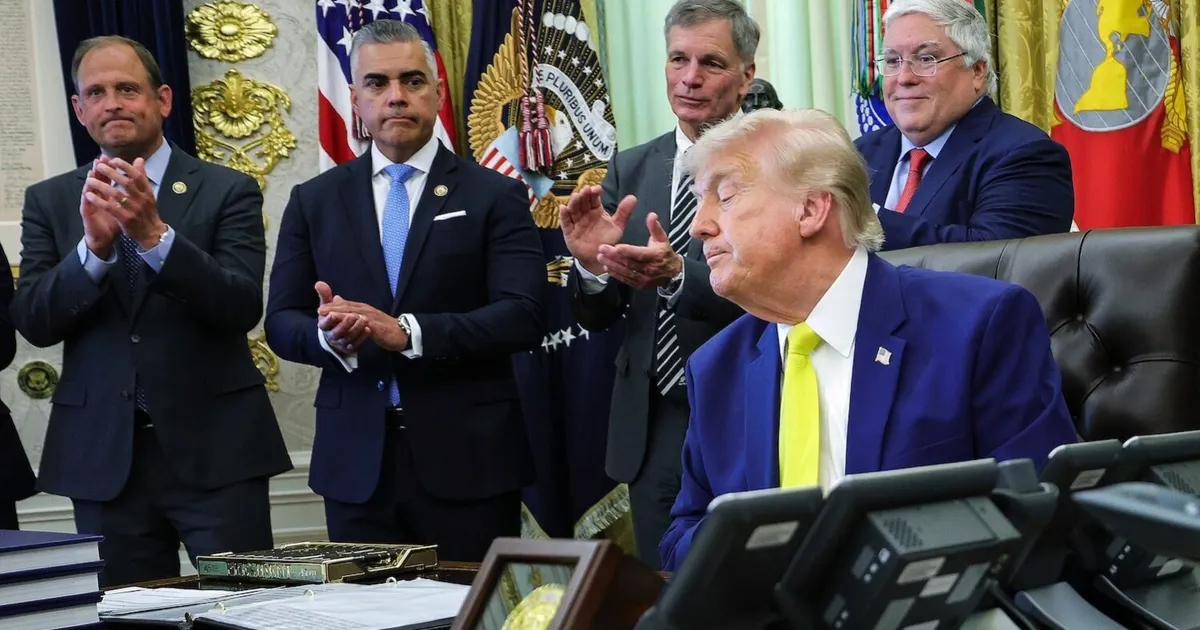
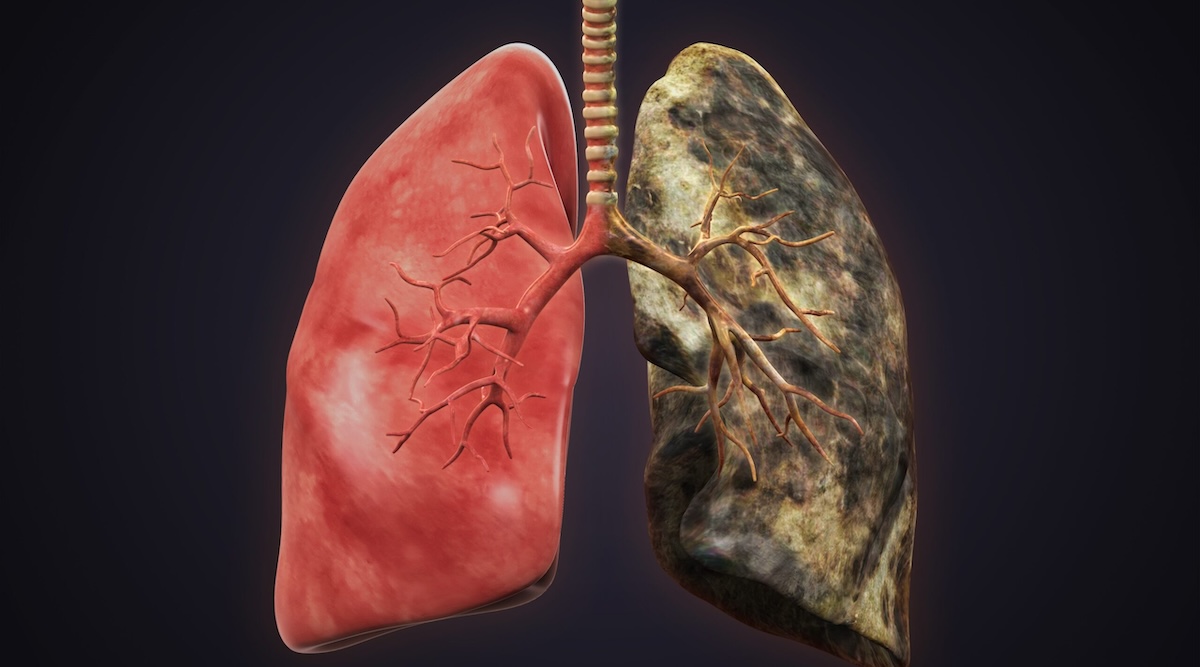
You just can’t make this stuff up. US President Donald Trump swept into the Oval Office — twice — with a grand promise to save coal jobs, but somehow he forgot the part about saving the humans who fill those jobs. Come to think of it, that’s on brand for Trump. However, it’s bad news for coal miners, who are dying off at an alarming rate from black lung disease, an incurable, often lethal condition caused by inhaling fine particles of silica dust in poorly ventilated coal mines.
Black Lung Disease And The Curious Case Of Appalachia
Also called CWP for coal workers’ pneumoconiosis, black lung disease was widespread but poorly understood and under-documented in the US throughout most of the 20th century. The the 1969 Federal Coal Mine Health and Safety Act finally established a surveillance and screening regimen under the umbrella of NIOSH, the National Institute for Occupational Safety and Health.
The first CWP survey was completed in 1974, revealing that black lung disease was a common consequence of holding down a coal job. A full 32.5% of veteran coal workers with 25 or more years of experience were diagnosed with black lung in 1974. The finding sparked new federal legislation requiring dust control and other improvements. That effort was a success, with black lung cases dwindling down to under 5% by 2000, including newer workers as well as 25-year veterans.