Two people can read the same explanation of something and walk away with completely different levels of confidence in what they actually know.
One nods along, follows the logic, and quietly assumes that following along counts as understanding.
The other insists on rebuilding the idea from scratch, alone, without notes or references, and treats any point where that rebuilding breaks down as proof that the earlier understanding was never fully real to begin with.
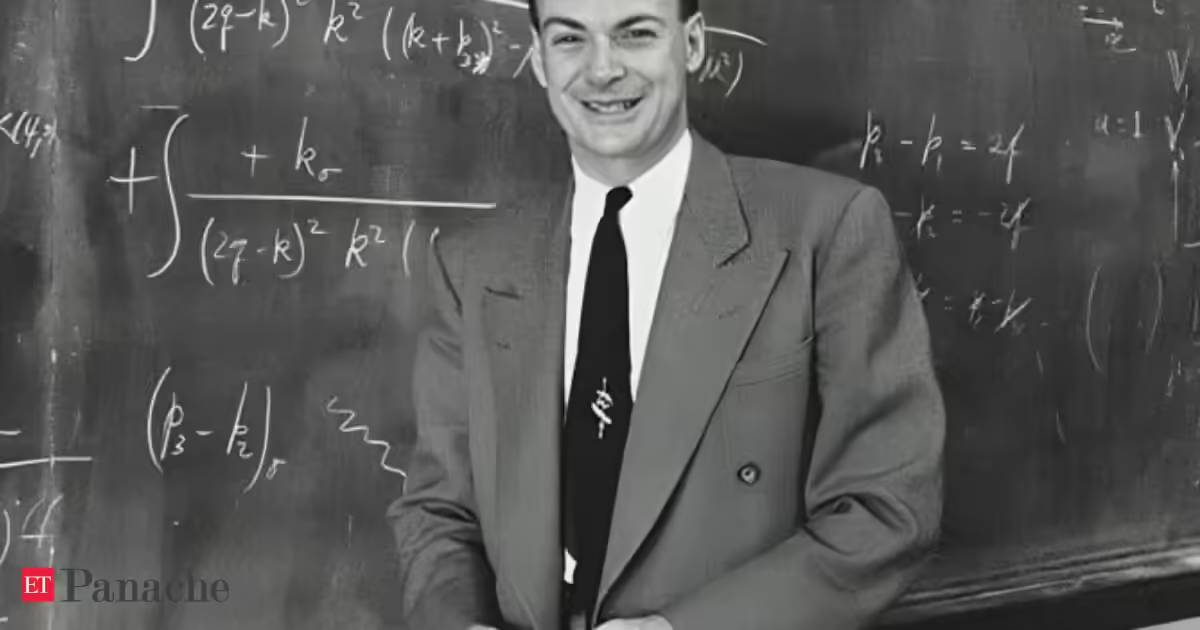
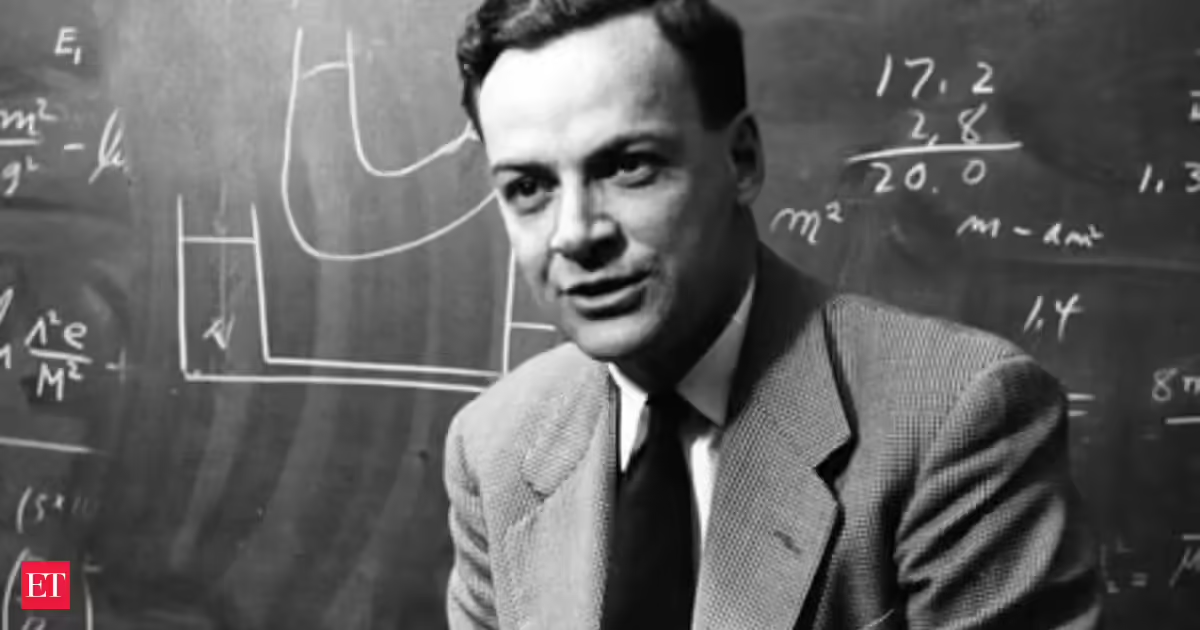
Richard Feynman, the physicist known as much for his gift for clear explanation as for his work on quantum electrodynamics, belonged unmistakably to the 2nd group.
He wrote this exact line on his own blackboard, found there still after his death in 1988, not as advice meant for any audience but as a private, working standard he held himself to across his entire career, one that treated real comprehension as something proven only by construction, never by mere familiarity with someone else's account of it.Quote of the day by Richard Feynman"What I cannot create, I do not understand."Written by a physicist who tested his own explanations in publicThis idea carries particular weight coming from someone who put it to very public use, more than once.