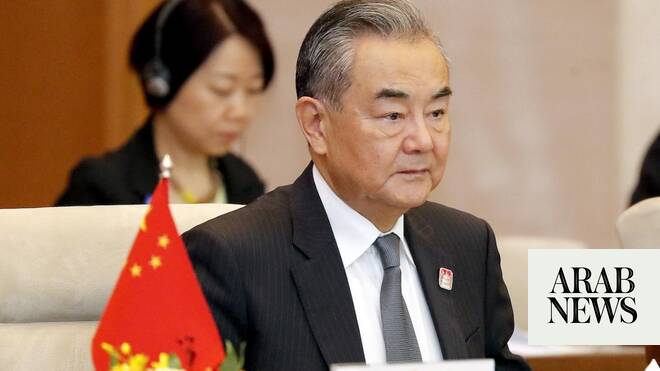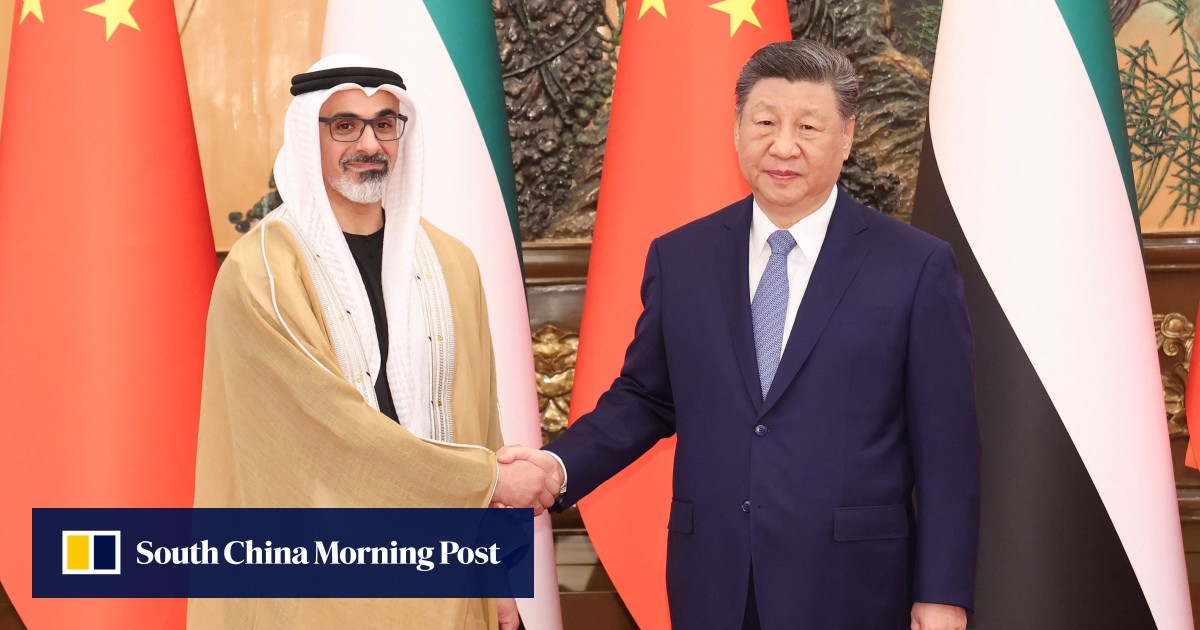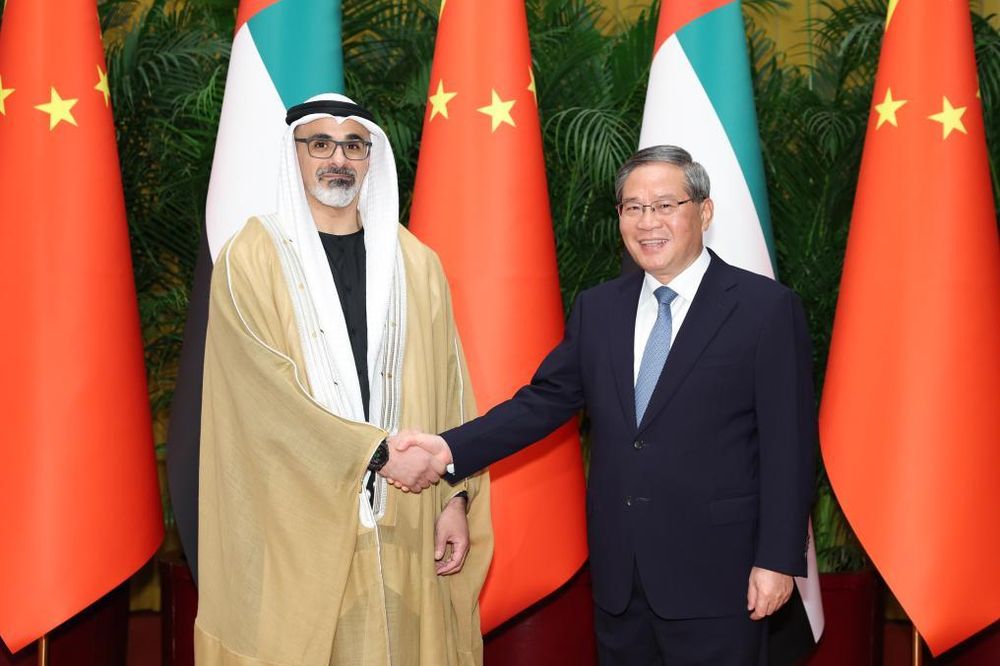
Chinese Premier Li Qiang holds talks with Sheikh Khaled bin Mohamed bin Zayed Al Nahyan, Crown Prince of Abu Dhabi, United Arab Emirates (UAE), at the Great Hall of the People in Beijing, capital of China
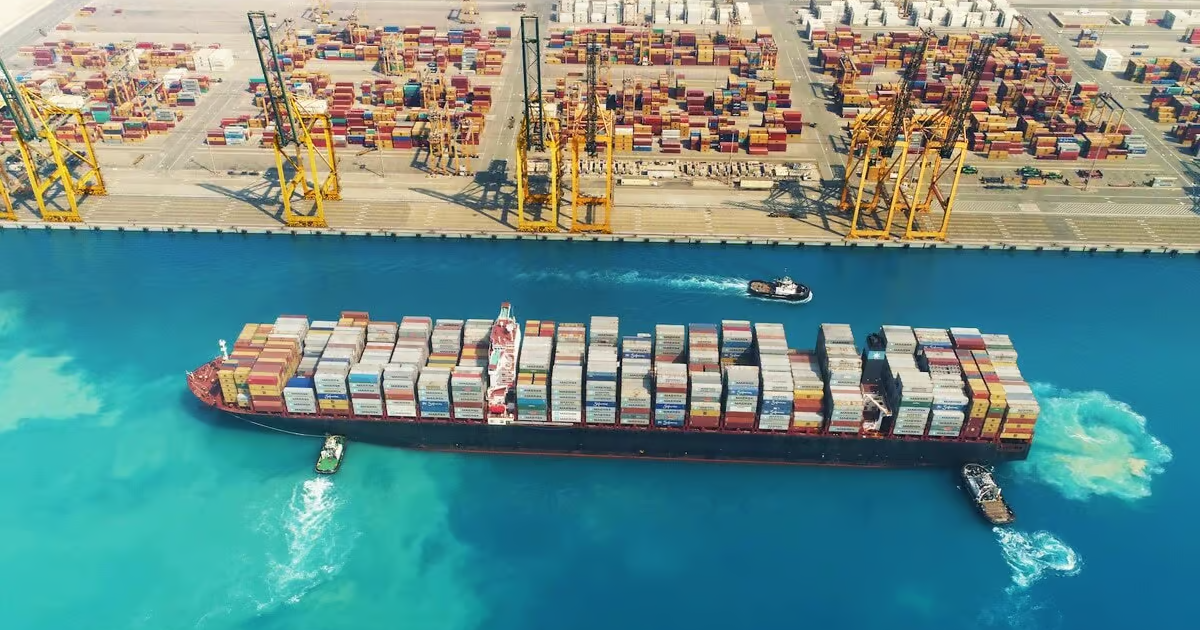
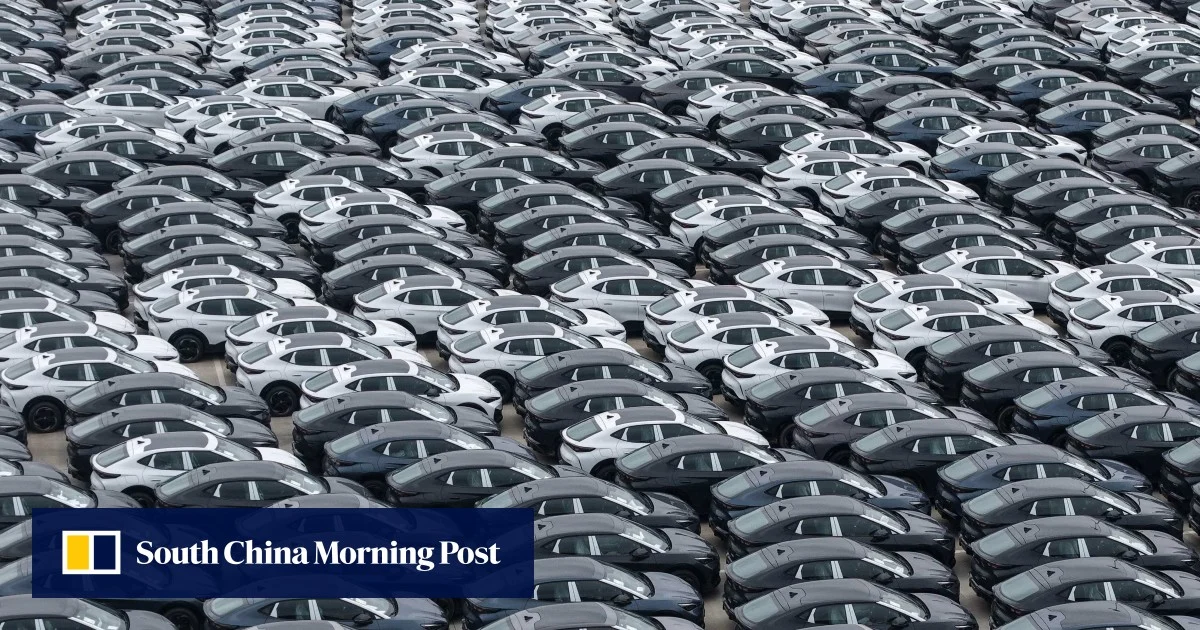
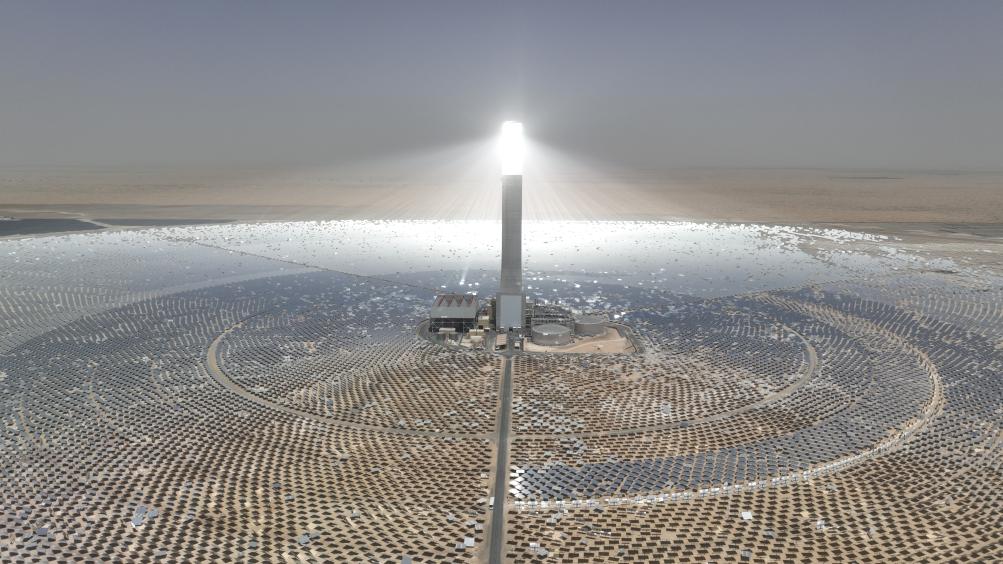
The proposed development of a power and energy equipment manufacturing park in Dubai may appear, at first glance, to be another investment partnership between the United Arab Emirates (UAE) and China. But its significance extends well beyond the construction of another industrial facility. The initiative points to a broader transformation in Dubai’s economic model: from being primarily a gateway for Chinese goods into regional markets to becoming a location where those goods, technologies and components are increasingly manufactured, assembled and integrated.
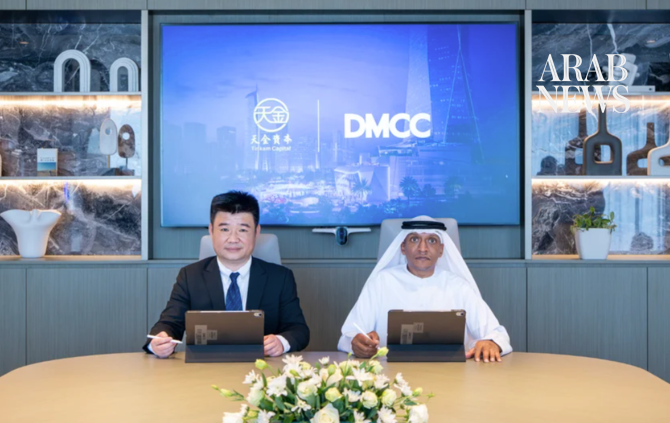
In July 2026, the Dubai Multi Commodities Centre (DMCC) and Hong Kong Tinkam Capital signed a memorandum of understanding to explore the development of a power and energy equipment manufacturing park. The proposed park is intended to attract Chinese companies across the value chain, particularly in advanced manufacturing, green technology and energy.
The timing is important. The UAE has spent years attempting to reduce its dependence on hydrocarbons by building an industrial economy centred on technology, logistics, advanced manufacturing and clean energy. Its Operation 300bn strategy aims to increase the industrial sector’s contribution to GDP from AED133 billion to AED300 billion by 2031, while positioning the country as a global hub for future industries. Chinese manufacturing investment fits directly into this ambition