DUBAI: “Sustainably sourced.” “Ethically produced.” “Farmer friendly.”
These are among the claims increasingly appearing on coffee bags around the world, reassuring consumers that the drink in their cup is helping protect the environment while supporting the people who grow it. But behind those labels lies a far more complicated reality.
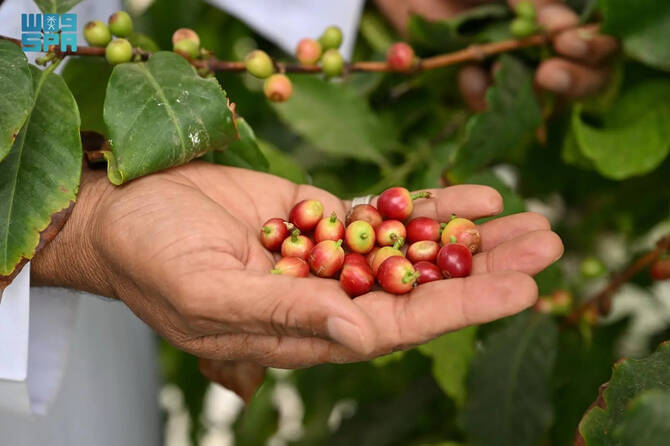
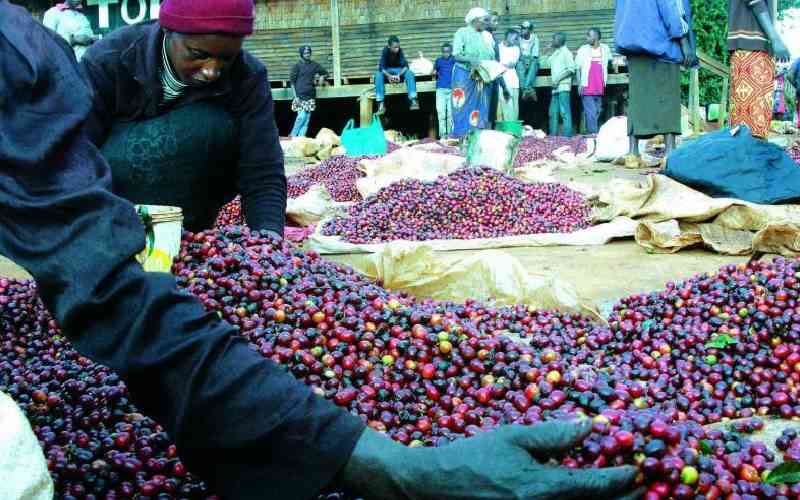
Coffee is one of the world’s most valuable agricultural products, supporting the livelihoods of around 125 million people and grown by approximately 12.5 million farming households across more than 50 countries. Around 67 to 80 percent of those farms are smallholder operations, many run by families that depend almost entirely on coffee for their income.
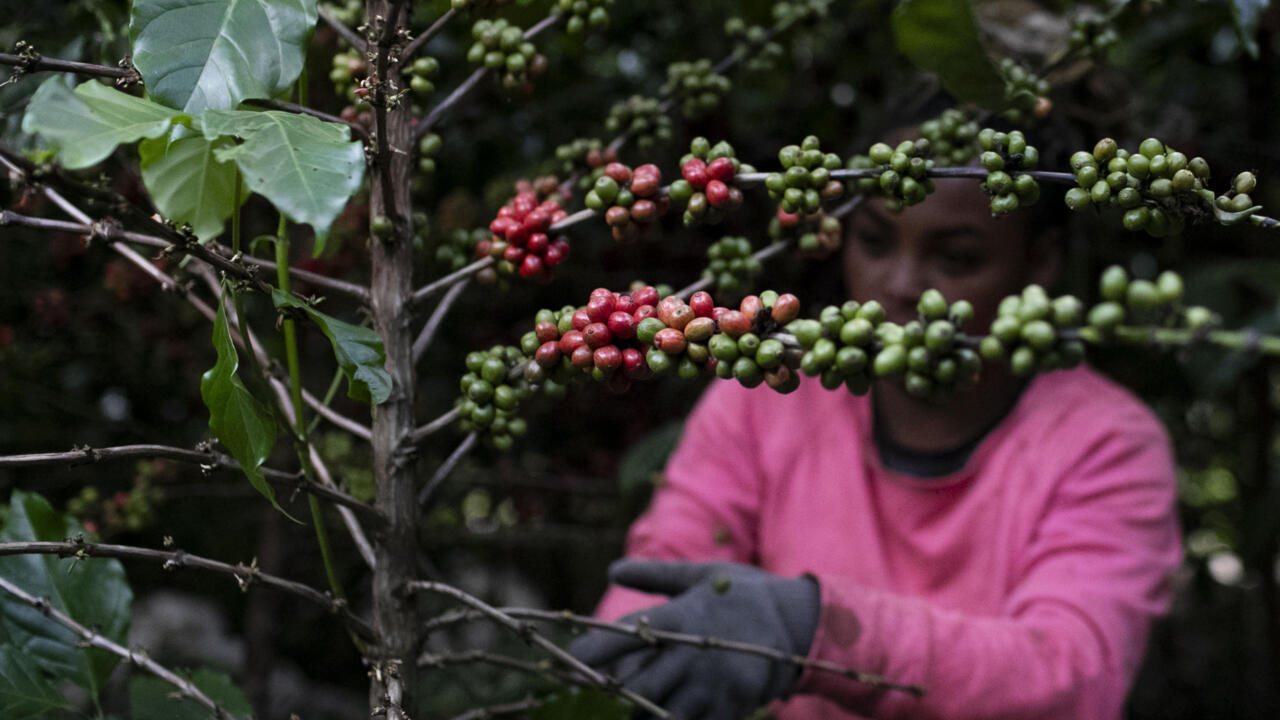
Yet farmers continue to face volatile prices, rising production costs, labor shortages and the growing effects of climate change. The pressures raise a fundamental question: Is sustainable coffee truly sustainable, or has the term become little more than a marketing tool?
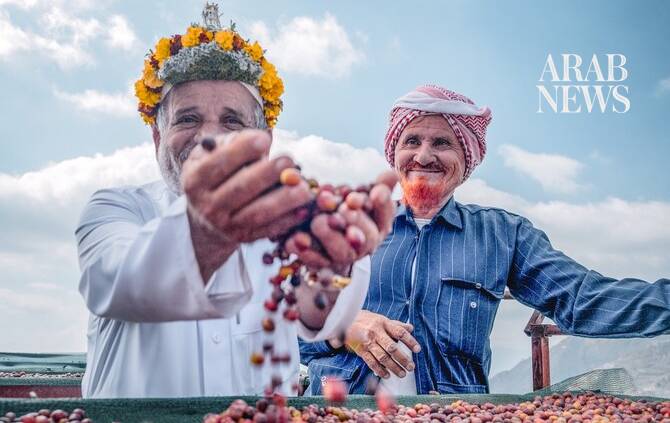
As specialty coffee shops proliferate across the Arab world and consumers pay closer attention to where their coffee comes from, the question is becoming increasingly relevant across the region.