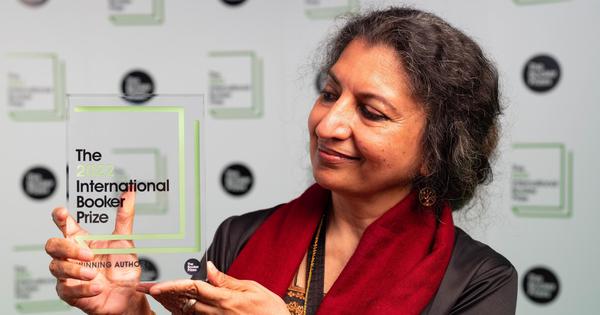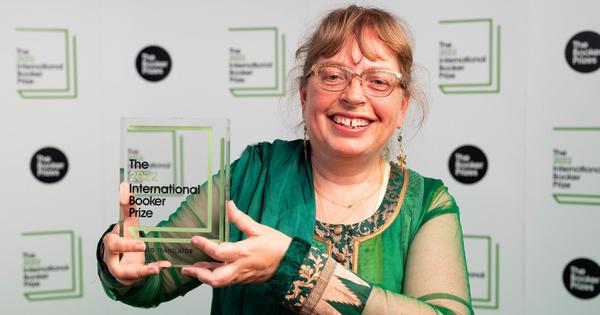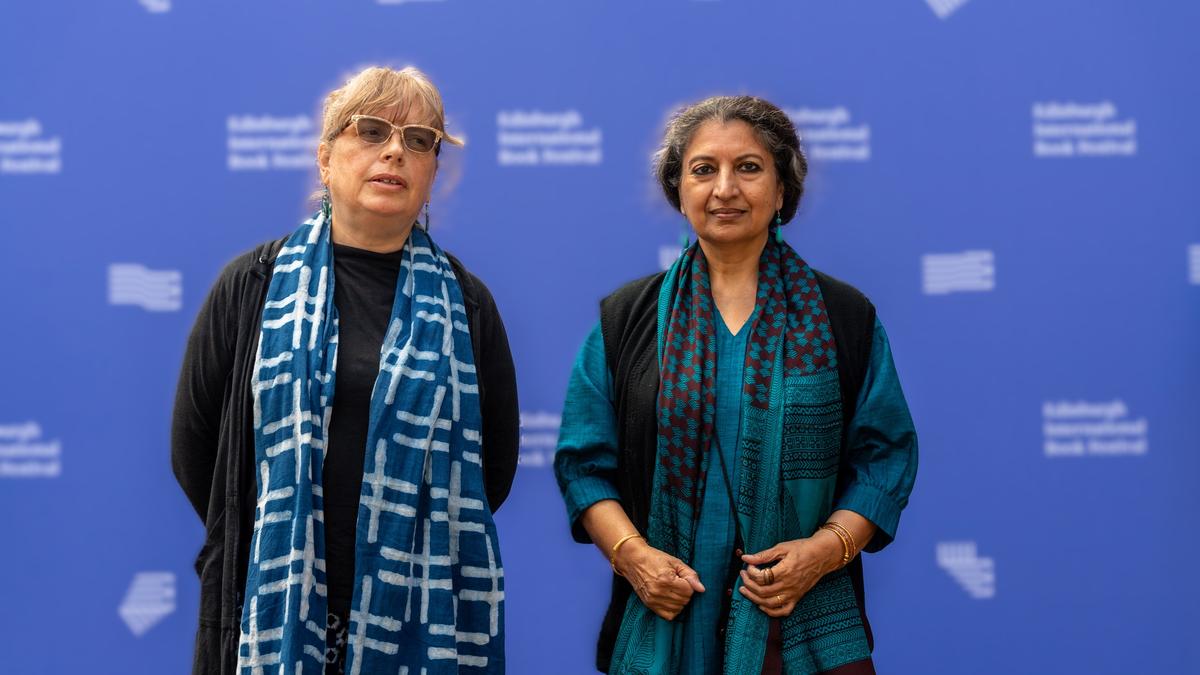
It begins again with an old woman. She might be derelict, like Ma in the early pages of Tomb of Sand, but here, she has already died many deaths and turned to smoke that lingers in the rains. In a city divided by riots, she wanders like a ghost, haunting this side and that. Detective, murderer, madwoman: floating rumours have made her everything everywhere all at once. The time is cruel. The city is segregated and numbed by profit-making corporations; but merely looking at her turns people into people again. She appears, out of nowhere, on the rubble of a house being bulldozed, taking account of what is being lost. Or is spotted walking swiftly across the bridge, her cotton pallu flapping like the hawk’s wing. This stubborn woman is memory herself, arriving like a sudden pang as we forget our own histories. Geetanjali Shree’s fiction and Daisy Rockwell’s translation move with the gait and spirit of this budhiya (old woman) in the titular story of their collection — crooked, lurching, springing, bracing.
Stories without borders
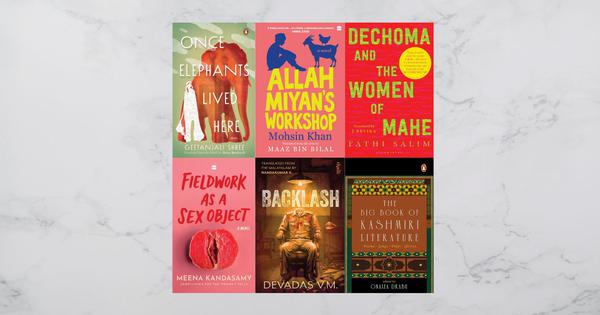
Since 2013, Women in Translation Month, observed every August, has celebrated women writers from around the world whose work reaches new readers through translation. It is also a moment to recognise the vital and creative role of translators in bringing diverse voices, cultures and ways of seeing into conversation across borders. With Indian writers such as Geetanjali Shree and Banu Mushtaq receiving international recognition, Indian literature in translation is firmly in the global spotlight, paving the way for many more voices to travel, resonate and be discovered.Shadow figuresTranslated from the Hindi original, Yahan Hathi Rahte The, Shree’s collection of short stories, Once Elephants Lived Here showcases great experimentation with literary form — turning the reader this way and that, playing with words, displacing beginning-middle-end, throwing sounds, sitting under a blooming tree for hours, or roaming in circles around the same place until something shifts. Strung together by many unforgettable characters, especially a stellar cast of heroines, these stories wring the heart like a wet cloth and send a shudder down the shoulder. A striking line about missing elephants, from the first story, might encapsulate this book best: “Let them go the way of the elephants, wherever they went, with their joyful, lazy gait.” Or maybe a rebellious inclination, that of “an old woman who did what she pleased”.A shadow becomes a complete character, a shape-shifting thief who strikes fear in the heart of an old man, in ‘These Days’. In a city where Muslims are being persecuted, and terror reigns, this story offers a moving revelation at the end. Shree’s game of withholding personhood in the figure of the shadow makes the story sharp and haunting. The old father, a dying but domineering patriarch, in ‘The End’ reminds us of the rich descriptions and crafty details that made up Shree’s magnum opus, the International Booker Prize-winning Tomb of Sand (2022), also translated by Rockwell. The story ends with Ma, who speaks little otherwise, but mumbles such words on the father’s passing that they might stay with us longer than his stupidity: “I am free now, free of responsibility, I can go wherever I want.”