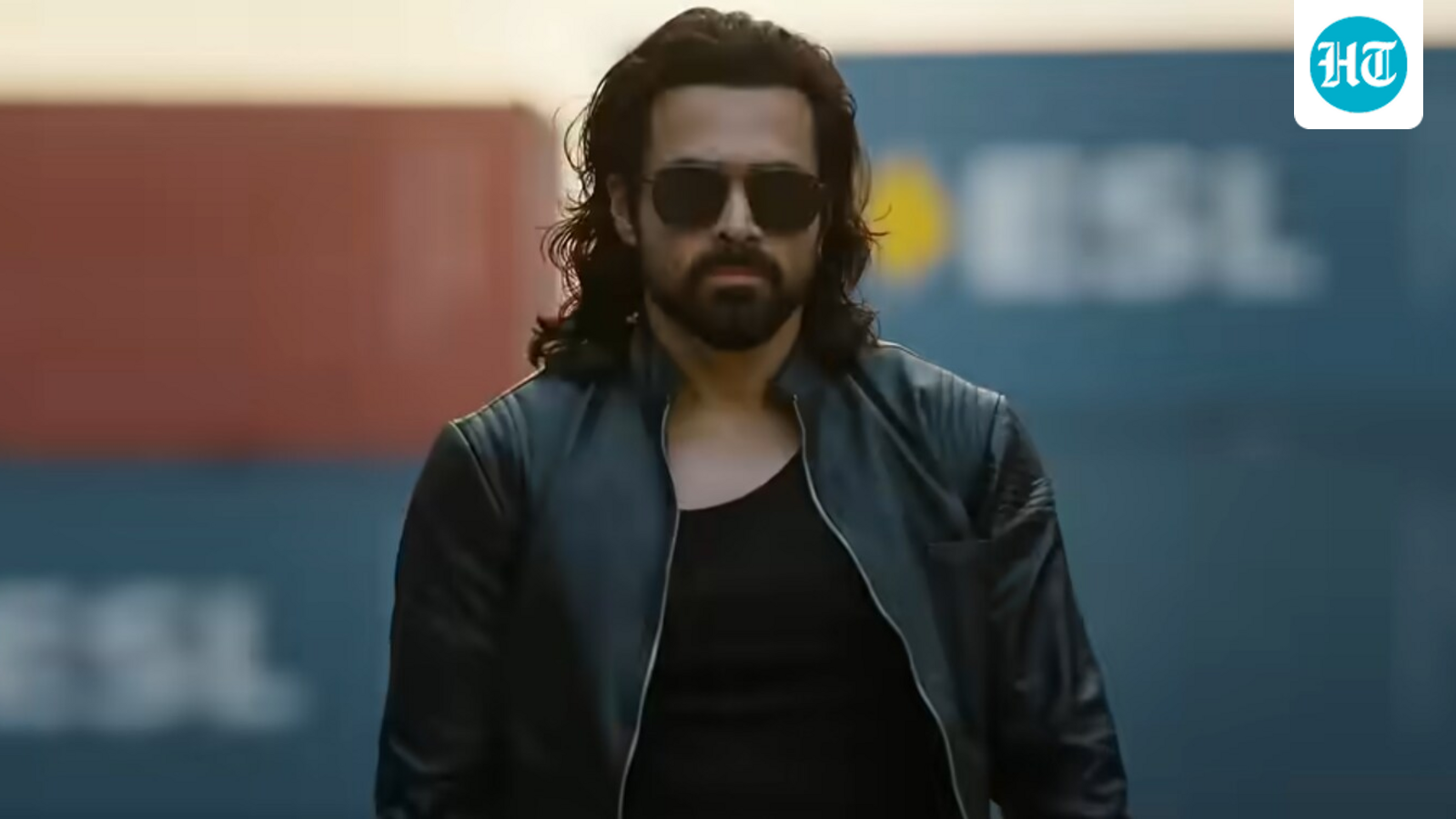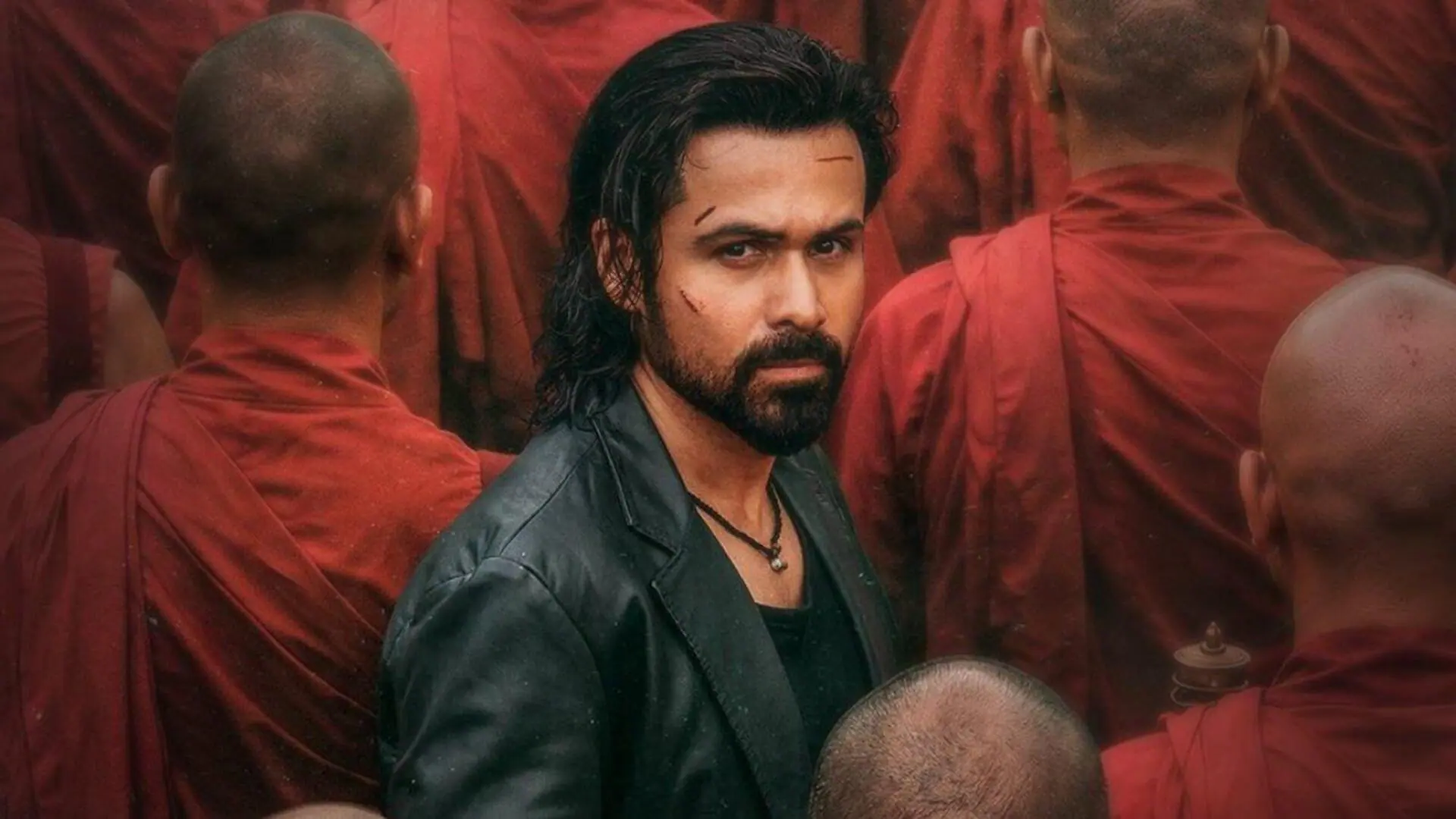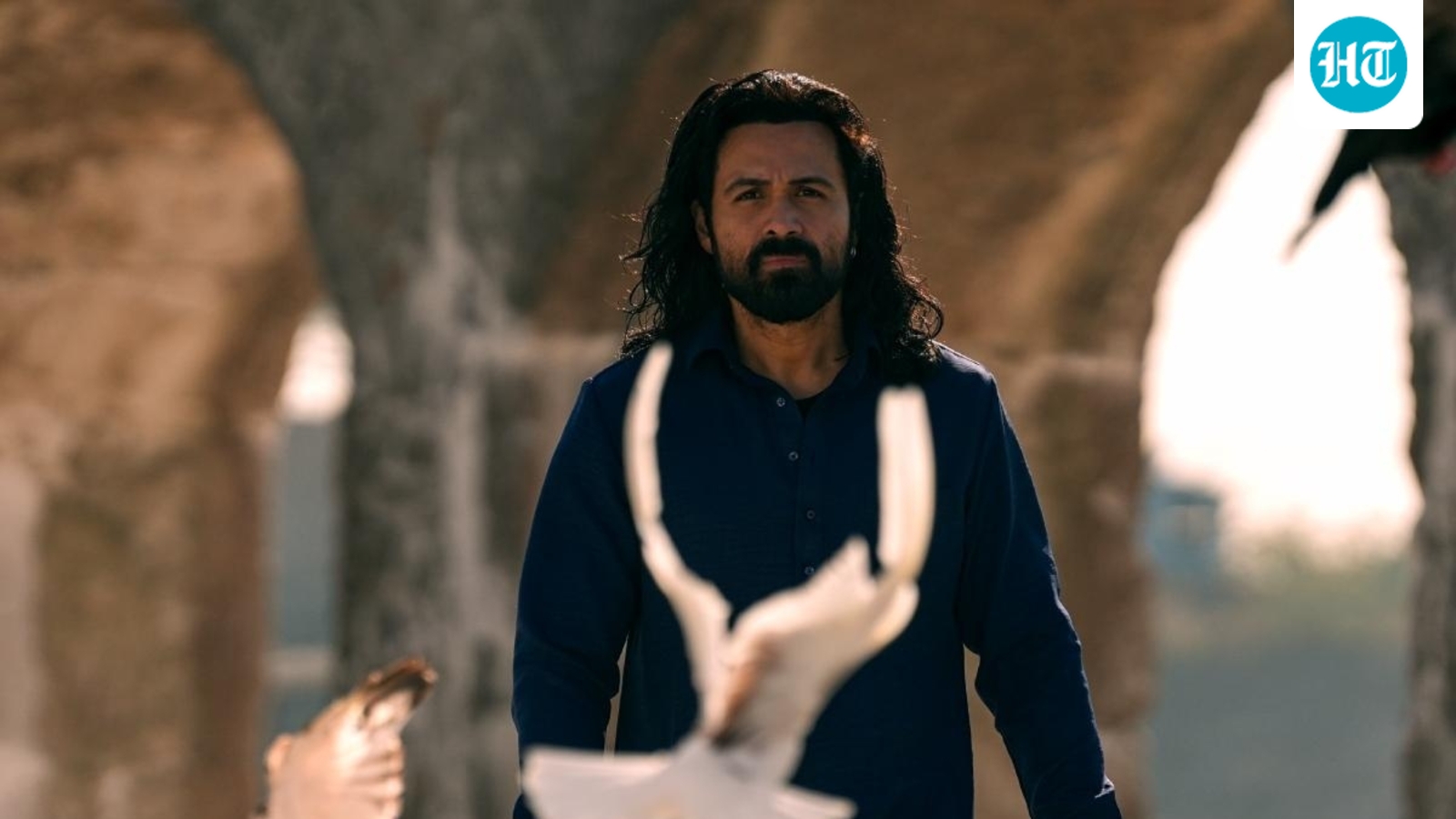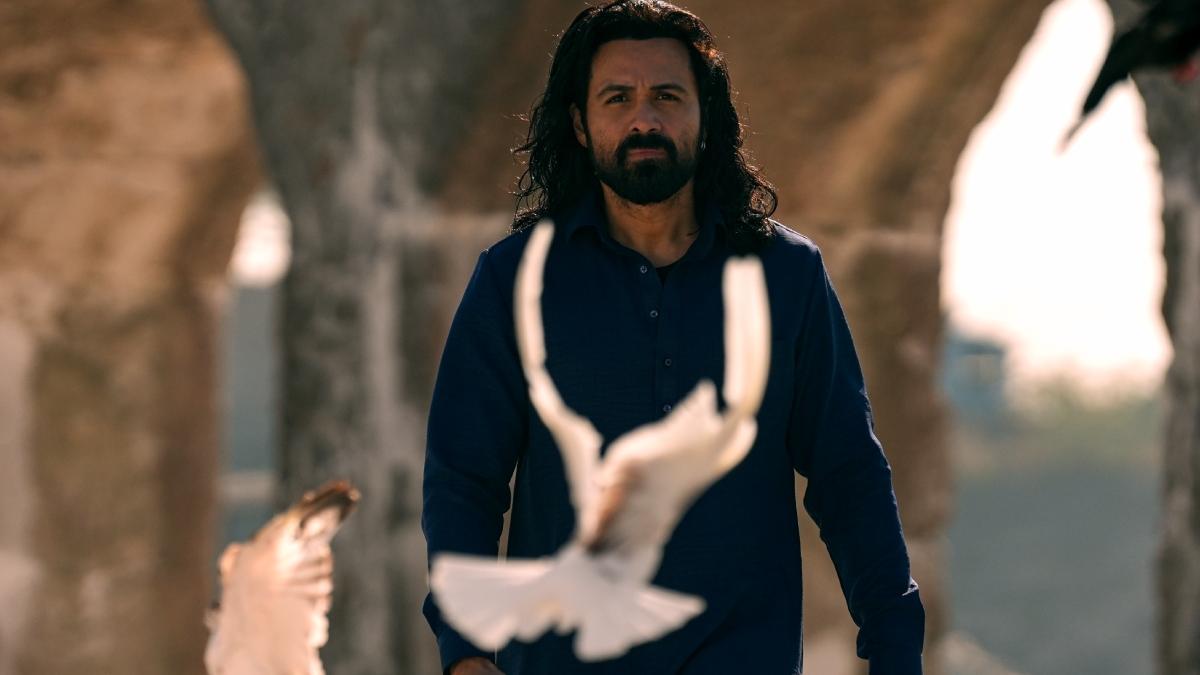
Emraan Hashmi in ‘Awarapan 2’
| Photo Credit: Special Arrangement
Ever since its release in 2007, Awarapan lived as a ghost. It was spoken about more and watched less. Its protagonist, Shivam (Emraan Hashmi), became an emblem of loneliness and love and was immortalised with his sacrifice. His melancholic face bore the brunt of his incessant vagrancy. Shivam carried little sign of life, and that’s what made him lethal. Seeing the death of his love shattered his spirits; preserving her memory infused in him the will to live. That’s what separated him from Kim Sun-woo (Lee Byung-hun), the charming, no-nonsense protagonist of the sentimental South Korean thriller, A Bittersweet Life, which inspired the unofficial remake of Awarapan. However, even with an adapted structure, director Mohit Suri and writer Shagufta Rafique breathed new life into the 2007 film, with its moving, musical rumination on faith as a pathway to healing and love as the seed of liberation.In contrast, the sequel overlooks what made Shivam compelling in the first place. His supposed death at the end of the first part while uniting two lovers carried a touch of the divine. It became an epochal sacrifice, washing away the sins of his past and uniting him with his beloved in paradise. However, Shivam didn’t die, as the sequel tells us. Decades after the fatal day, he now lives a silent life in the Indian countryside, still bearing the pain of getting separated from Aaliyah (Shriya Saran) as he visits her grave and questions the meaning of his existence. Strangely, he remains stuck in the reflection of his own image. The evolution of Shivam’s state of mind in the glorious climax of Awarapan is swiftly ignored. Rather, he becomes his own archetype.Awarapan 2 (Hindi)Director: Nitin KakkarCast: Emraan Hashmi, Disha Patani, Shabana Azmi, Suvinder Vicky, Vijayant Kohli, Puran GabbiRuntime: 140 minutesSynopsis: An interpol officer seeks help of Shivam Pandit to rescue a bunch of abducted kids, one of whom is the three-year-old Aaliyah, named by Shivam after his long-dead lover.There’s more focus on his exteriors. His revival is explained in passing without ever delving into what fundamentally changed in his personality, apart from his slick biceps. So, Shivam remains chained to the person he was in the first part, a version that refused to fade away from the hearts of anyone who saw the film and which also prompted the making of a sequel. As a result, there’s more pandering here than movement. Shivam is no longer a person, but a set piece.