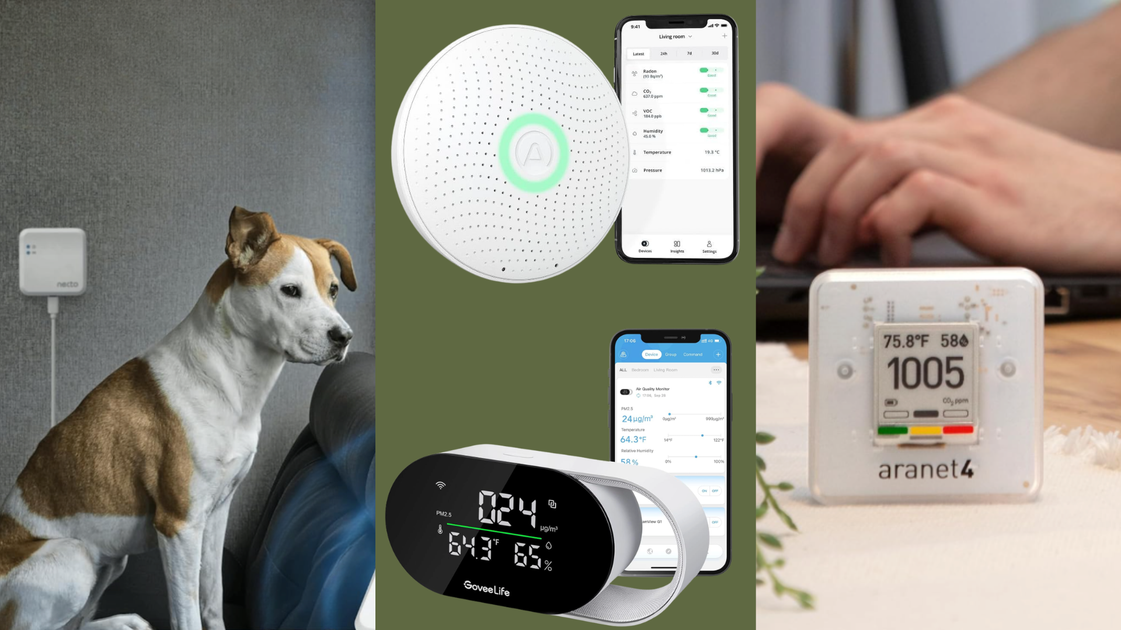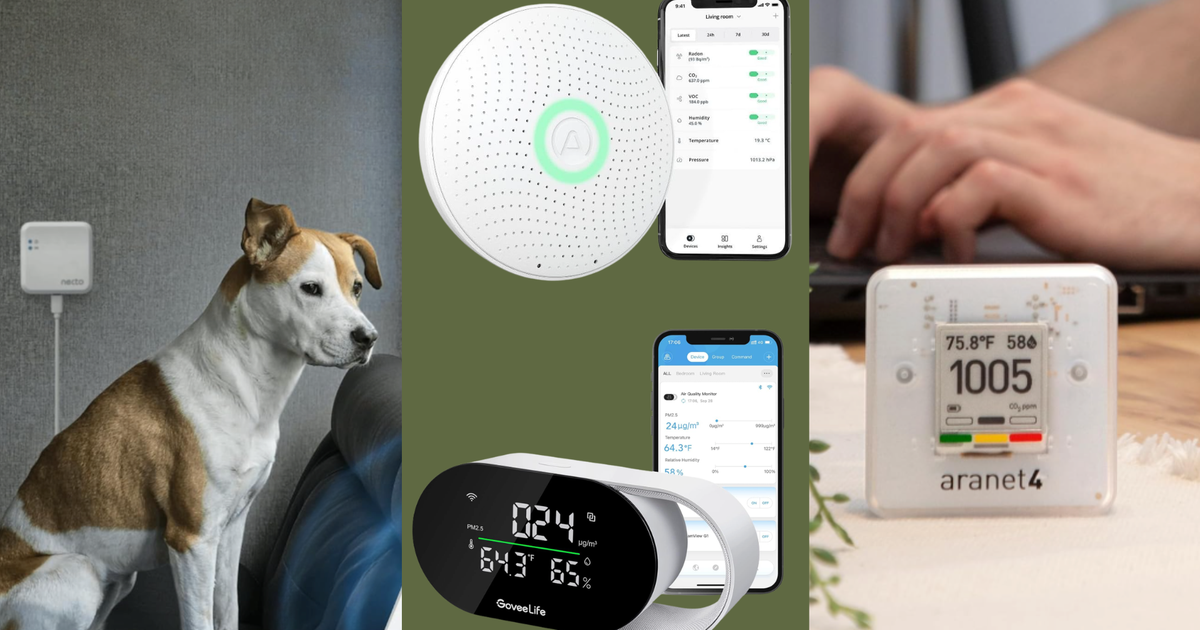
All of us spend a significant amount of time indoors, with much of it spent inside our own homes. From sleeping and eating to relaxing in our spare time, we do a range of activities at home, making indoor spaces an important part of the air we breathe.Given the importance of healthy air quality at home, experts recommend paying attention to signs that could point to poor indoor air quality and understanding when testing may be appropriate.Why Healthy Air Quality Matters at HomeOn average, people breathe about 20,000 times a day. Those breaths add up to roughly 2,000 gallons of air, about the size of an average swimming pool, according to Michael Rubino, an air quality expert and founder of HomeCleanse. "That makes air one of the things we intake the most. It is also one of our greatest routes of exposure," Rubino was quoted by Martha Stewart website as saying.Whatever is present in the air enters the body with each inhale. Much of what is in indoor air is microscopic and cannot be seen with the naked eye. "If the air quality within the home is poor, that means contaminants enter the body with every breath taken inside," Rubino says. "When you breathe, what’s in the air can enter the bloodstream and nervous system, creating a systemic impact that can span throughout the body."Poor air quality can be associated with a range of short and long term health effects. Possible short-term effects include respiratory distress, widespread inflammation, headaches, disrupted sleep, fatigue and decreased cognitive function. These effects can be more noticeable in children, older adults and people.Warning Signals That Suggest It’s Time to Test Your Indoor Air QualityChronic symptoms without an obvious underlying cause can be a reason to consider testing, particularly if those symptoms improve when you leave the house. However, waiting for a noticeable problem or respiratory issues may not be necessary. Chris Turner, founder of Breathe Tech, explains that many important pollutants are invisible and often have no smell, according to Martha Stewart website.Several conditions and changes around the home can serve as warning signs of potential indoor air quality issues. These may include recent construction or renovations, wildfires and other natural events that can contribute to indoor pollution, excessive dust, high humidity, water damage, musty or earthy odors, and visible mold.How to Test Indoor Air QualityThe right indoor air quality test depends on what you are trying to identify. Some tests focus on a specific contaminant, while others are designed for day-to-day monitoring. For mold, dust testing is the best first test, according to Rubino. "Dust acts like a historic record of a home," Rubino says.If there is an active source of mold, particles such as mold spores and mycotoxins can end up in household dust. Mycotoxins are toxic byproducts created by some species of mold.High levels of mold particles in dust can indicate a situation that warrants further investigation to identify sources within the home. Other indoor air quality concerns require their own testing methods. Carbon monoxide, lead and asbestos each have unique testing methods and monitors, Rubino says. Air quality monitors that can assess multiple pollutants at the same time can provide a broader way to monitor conditions inside a home.What to Test for in Your HomeTurner explains that different indoor air quality measurements can help identify different conditions inside a home. “Carbon dioxide tells you about ventilation, PM2.5 measures airborne particles, VOCs reveal chemical pollution, and humidity can indicate whether conditions are right for mold growth,” Turner says, as quoted by Martha Stewart.For most homes, Turner suggests starting with several key measurements, including carbon dioxide, PM2.5 and VOCs. Carbon dioxide can serve as an indicator of ventilation, making it increasingly important to monitor as more people work from home. Higher carbon dioxide levels can cause drowsiness, reduced concentration and headaches.
Are you breathing toxic air inside your home? These warning signals suggest it’s time to test your indoor air quality
Indoor air quality is vital for maintaining a healthy home environment. Experts suggest being vigilant for signs of air quality deterioration and recommend testing if needed. If chronic symptoms improve when leaving home, it may signal indoor air issues. Testing techniques vary with the type of contaminants. For homeowners, tracking carbon dioxide, PM2.5, and VOCs can provide valuable insights into air quality.
638 words~3 min read