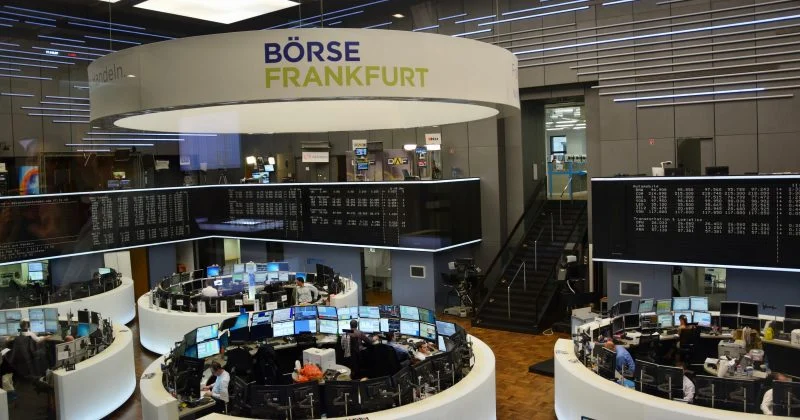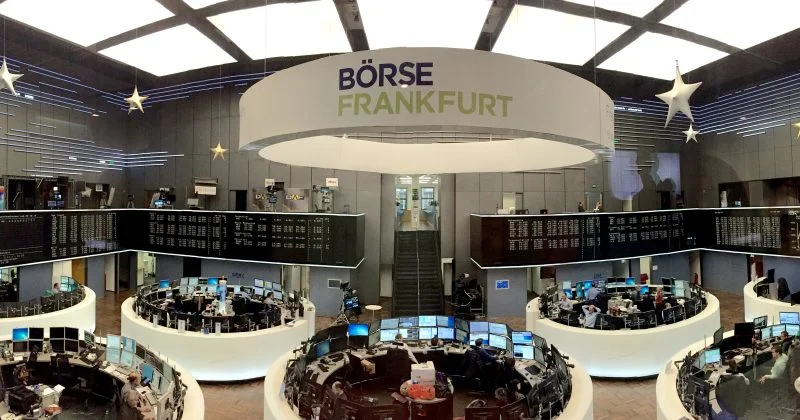
European shares were subdued on Friday, with the STOXX 600 hovering near record-high levels as investors assessed stalled efforts to end the U.S.-Iran conflict and awaited key Eurozone economic data, Reuters reported.The STOXX 600 rose 0.05% to 659.65 by 0710 GMT, although the benchmark remained on track for a modest weekly decline after retreating earlier in the week. The index has continued to draw support from a strong corporate earnings season, with second-quarter profit expectations for European blue-chip companies increasing for an eighth consecutive week.Aggregate earnings for STOXX 600 companies are now expected to grow 23.4%, driven largely by strong profits in the energy and materials sectors. However, renewed geopolitical tensions and higher oil prices have limited risk appetite among investors.Oil prices climbed around 1% to $87.93 a barrel after the United States threatened an indefinite naval blockade of Iran, raising concerns over potential disruptions to crude supplies. Negotiations between Washington and Tehran remained deadlocked, with both sides adopting tougher rhetoric in recent days.Meanwhile, softer U.S. consumer and producer inflation data released this week have strengthened expectations that the Federal Reserve could refrain from further monetary tightening, offering some support to risk assets.Investors are now awaiting euro zone employment and gross domestic product data due at 0900 GMT for further clues on the health of the regional economy.Among sectors, technology stocks led gains, advancing 1.4%, while basic resources stocks fell 1.6% and emerged as the biggest sectoral drag. Corporate news was relatively limited as the European earnings season moved towards its close.Reuters reported that despite the week's weakness, the STOXX 600 remains close to record levels, reflecting continued optimism over corporate earnings even as geopolitical risks and elevated energy prices create fresh headwinds.(Disclaimer: Recommendations, suggestions, views, and opinions given by experts are their own. These do not represent the views of The Economic Times.)
Global Market: European shares steady near record highs as Iran war, Eurozone data in focus
European shares traded largely flat near record highs as investors weighed stalled US-Iran negotiations, elevated oil prices and upcoming Eurozone economic data. The STOXX 600 remained supported by resilient corporate earnings expectations, although geopolitical tensions and higher energy costs continued to temper risk appetite.
TL;DRAI
STOXX 600 edges near records on 23.4% European earnings growth; Iran tensions and $87.93 oil constrain investor risk appetite. Tech stocks lead (+1.4%), supported by softer Fed stance, but energy and geopolitical risk delay IT M&A and capex into Q4.
304 words~1 min read