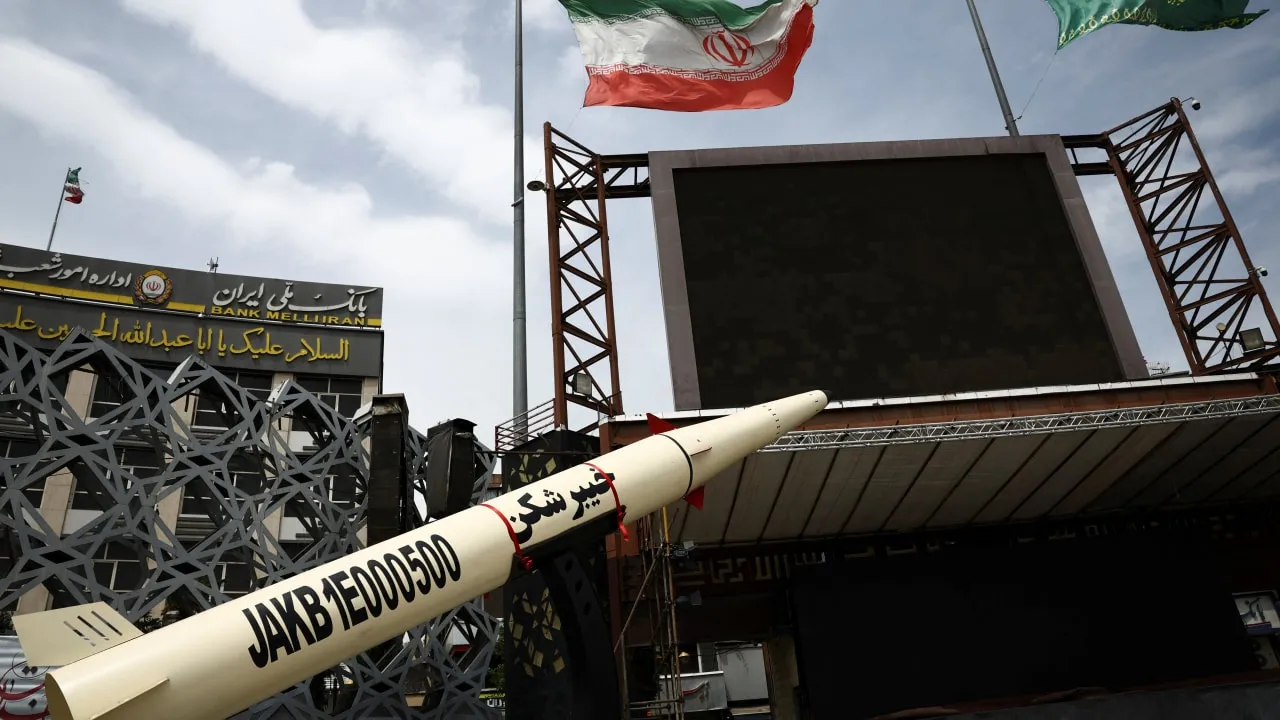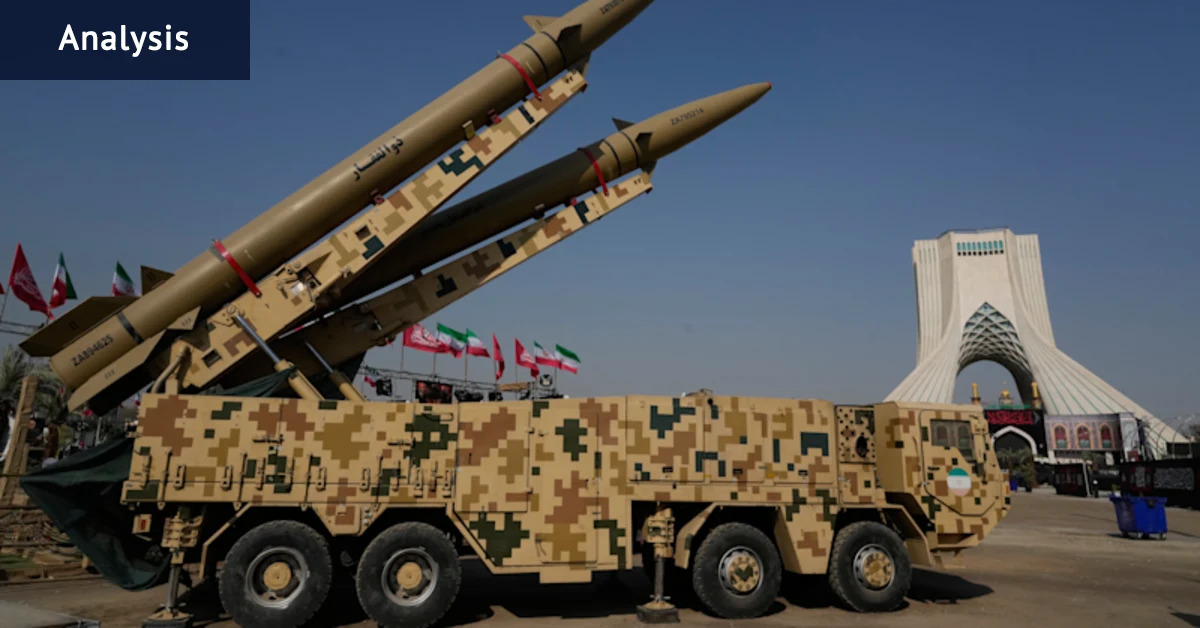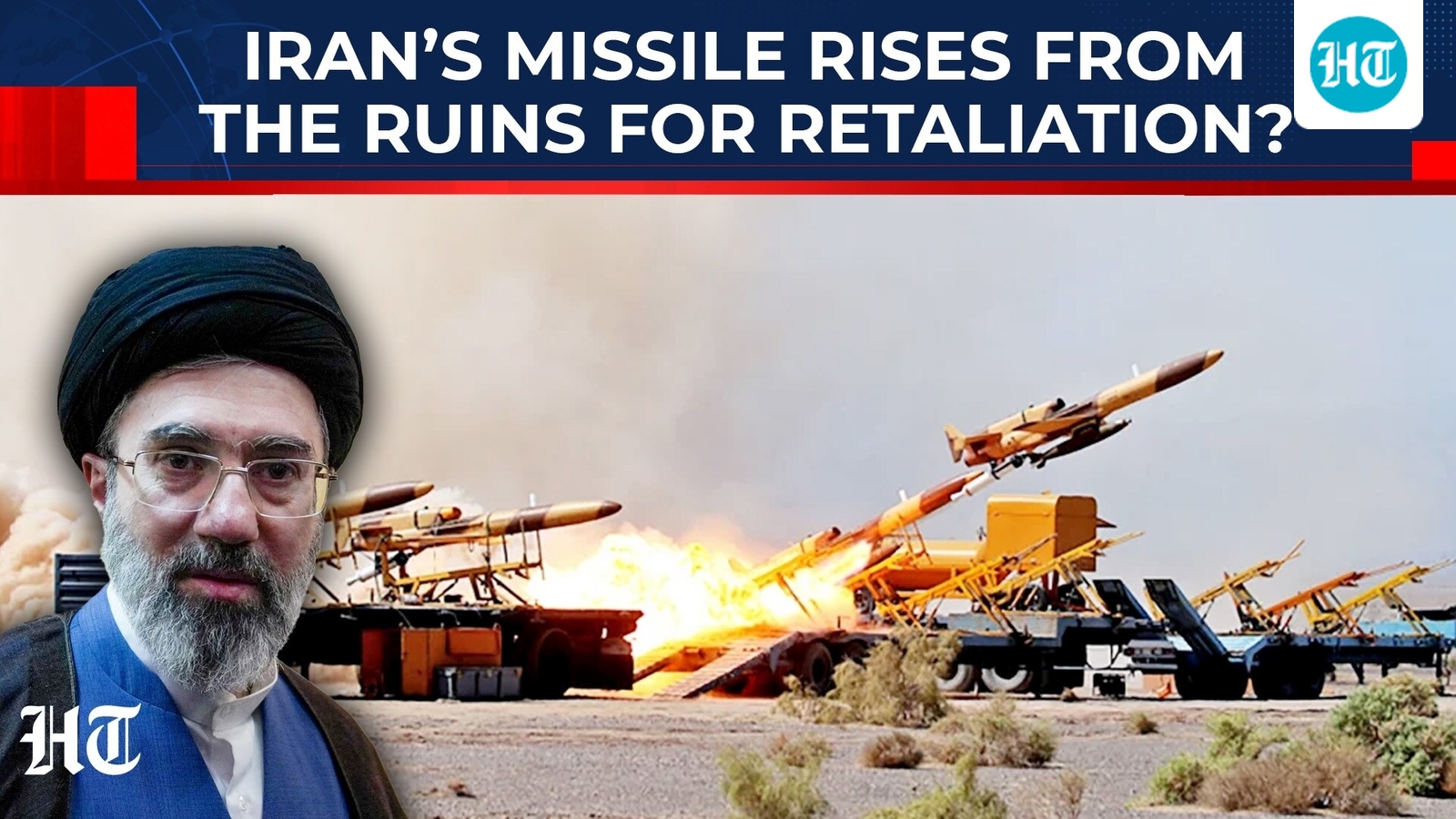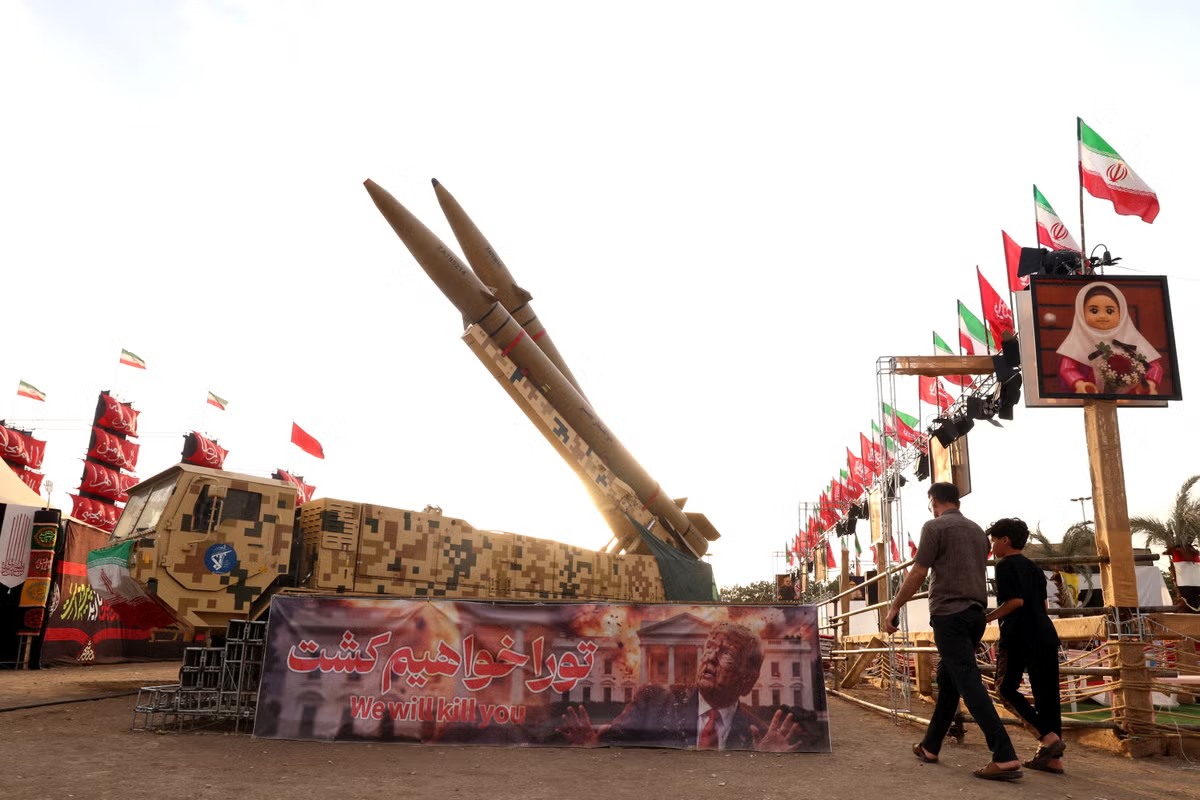
Israeli military and intelligence officials were stunned by the rate of Iran’s military recovery after the first weeks of the 2026 war, according to a report.According to the Jerusalem Post, the Israel Defense Forces (IDF) was taken aback by how fast the Islamic Republic was able to reconstitute its forces after the main phase of fighting, including the redevelopment of its ballistic missile threat.Iran launched missiles at Israel at the beginning of June and rose to an escalation in early July with renewed strikes on Arab states in the region. They were also accused of striking ships in the Strait of Hormuz, maintaining a hold over the vital waterway.Top Israeli defence officials have now been forced to admit that Iran appears to have figured out creative ways to rebuild its offensive threats, according to the Israeli outlet.Members of the Israeli security forces check the apparent remains of an Iranian ballistic missile in the Golan Heights in 2025 (AFP/Getty)They cited estimates that Iran had around 1,300 missiles in June 2025, when the US and Israel last attacked, swelling to 2,500 by the start of the war in February 2026.The outlet claimed to have confirmed statements by senior Iranian officials saying they were now producing new weapons at a faster rate than expected.Four US officials told CNN in May that US intelligence had likewise assessed that the Iranians were exceeding “all timelines” they had forecast for reconstitution. Contemporary US intelligence at the time held that Iran could be able to fully reconstitute its drone attack capabilities within six months - by November - according to one US official.Iranian-made Zolfaghar missiles are displayed at Azadi Square in Tehran on August 2, 2026 (AFP/Getty)Two sources familiar with the assessments told CNN that China had continued to provide Iran with components used to build missiles, although the US blockade of Iranian ports may have helped quell that.Meanwhile, concerns have been raised about the depleting US stockpiles of highly accurate long-rang missiles over the course of the war.Sources told Reuters earlier this month that the US has used “virtually all” of its ATACMS and Precision Strike Missiles.The dramatic rundown in precision missiles means the US may have to rely more on riskier, piloted bombing missions if Donald Trump relaunches large-scale attacks on Iran.Israeli air defence systems are activated to intercept Iranian missiles over Tel Aviv in June 2025 (AFP/Getty)In response to the latest reports of Israeli concerns, the IDF told the Jerusalem Post that over the course of the war, “the IDF substantially harmed a diverse range of” Iranian military capabilities.They said that had affected “the ability to rehabilitate them at the same scope and pace which existed prior to the war”.They said the IDF has “closely and continuously followed the Iranian efforts to ... rebuild their capabilities”. Situation assessments are therefore “constantly updated and brought in line with actual developments”.They added: “From the nature of the issues at hand, it is not in our ability to specify concrete evaluations regarding the pace of the rehabilitation, because giving such specifics could expose IDF sources and methods.“The IDF will continue to analyze developments and to be prepared accordingly."
Israeli officials shocked by the speed of Iran’s military recovery, report says
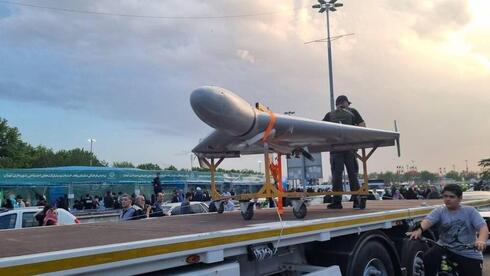
US officials said in May that Iran appeared to be rapidly rebuilding its drone capacity, before the conflict reignited
521 words~2 min read