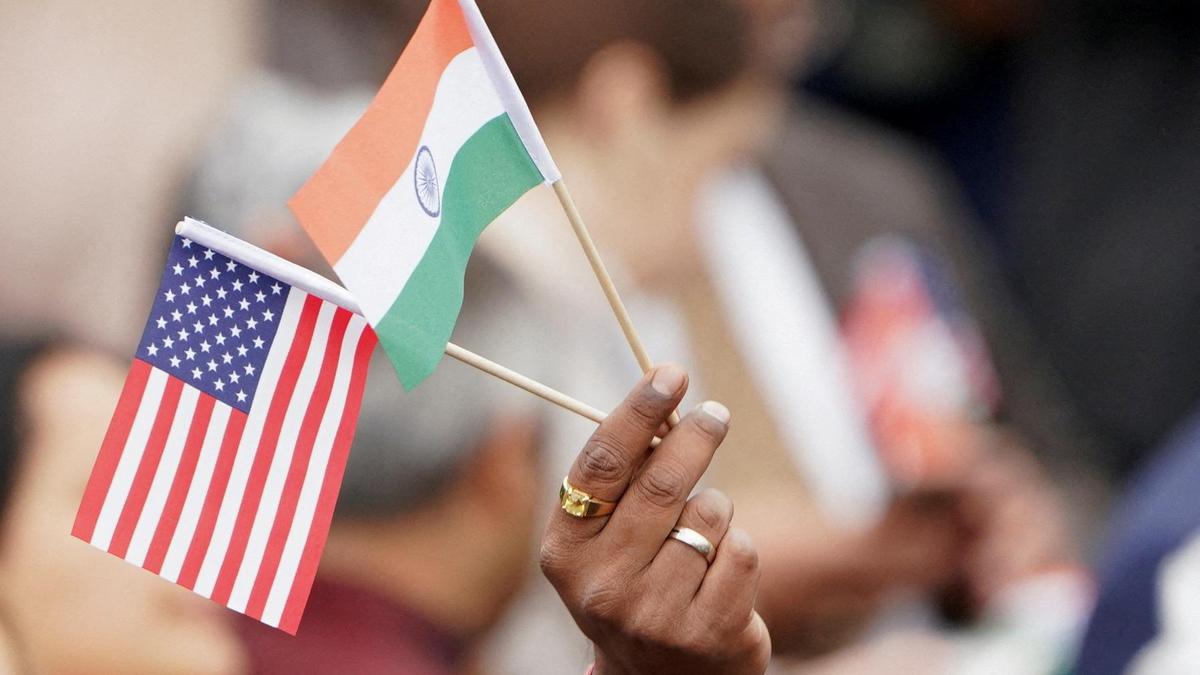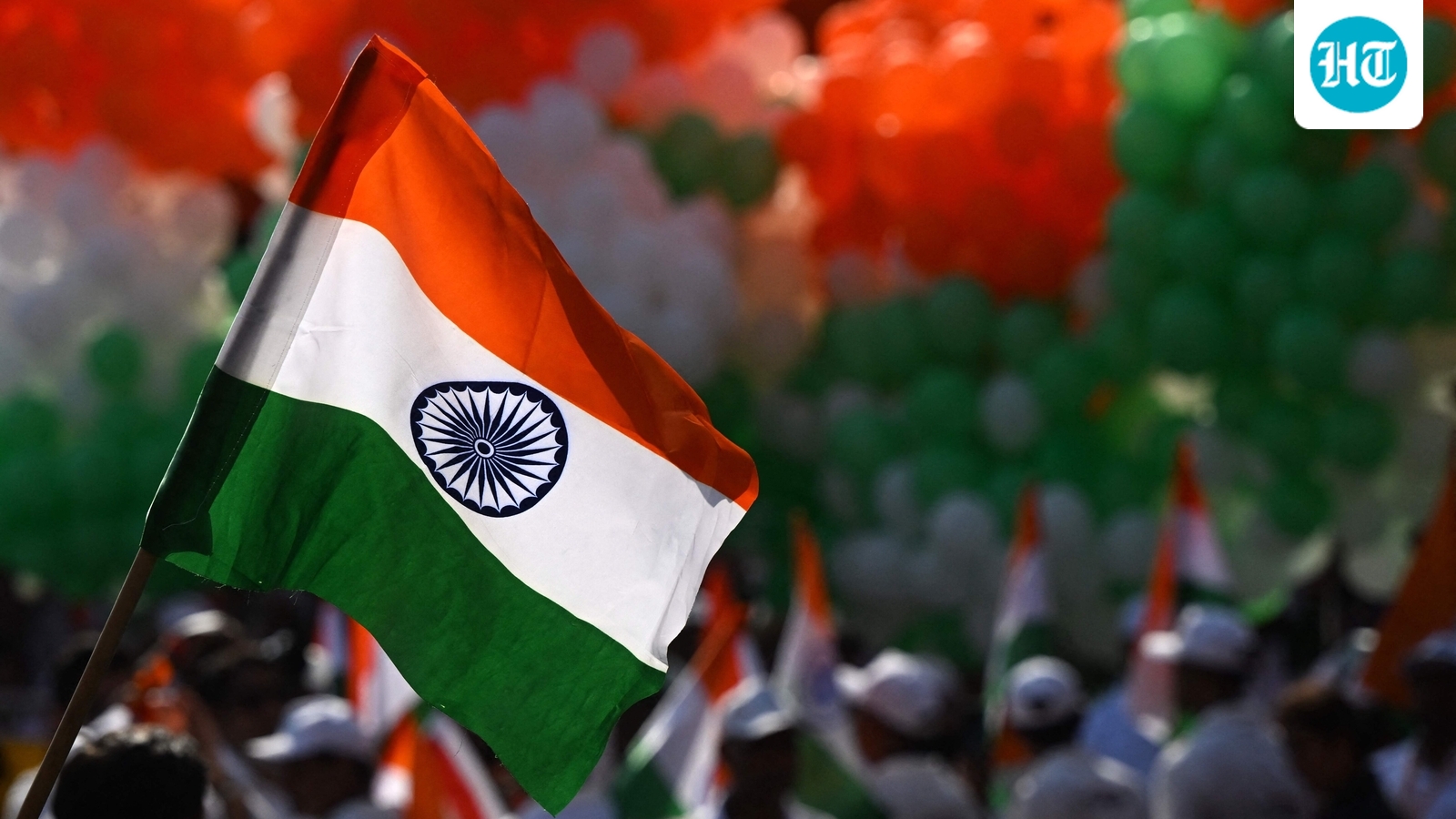
One of the freedoms of being Indian today is the freedom to leave India, make a home elsewhere. Leaving a country, however, does not necessarily mean leaving behind the part of you that belongs to it.So, on a sultry New York afternoon, the question “Where are you from?” came as a surprise. We had been talking for 10 minutes. He was wearing a Brazilian soccer shirt, half-wet from the sweat pouring down his bald head.I hesitated to answer. Shouldn’t he have figured out by now, from my accent, that I was Indian? But was I really from India? Would it not be Sweden, the place I had called home for the last 20 years?I gave my roundabout answer: I was born in India, but Sweden is home now. For the last year, though, I have been here in the U.S. America doesn’t feel like home, merely a transit point before I head back to Sweden.I left the last part out. It reeked of homesickness. A disorder I have suffered from ever since I moved from Malmö to Texas a year ago. Texas has treated me well, though, even as I learnt new ways and let go of the old. Could I make it my new home? I shuddered at the thought. I had come here for work, not because Texas was a place I had imagined making my own, and I longed to see a different, less uniform America. Surely, this could not be the only America that existed. I needed a getaway.New York was the respite I sought.Nowhere and everywhereI headed straight to Times Square, where soccer fans had gathered ahead of 2026 FIFA World Cup Brazil versus Morocco group match in June. Knicks fans, the locals, were everywhere and, at once, difficult to spot.Among them was Ale. Ten minutes into standing together, shoulder to shoulder, shouting into each other’s ears, he leaned in and asked, “Where are you from?”Where is one from? Why do we have this natural urge to know this fact?
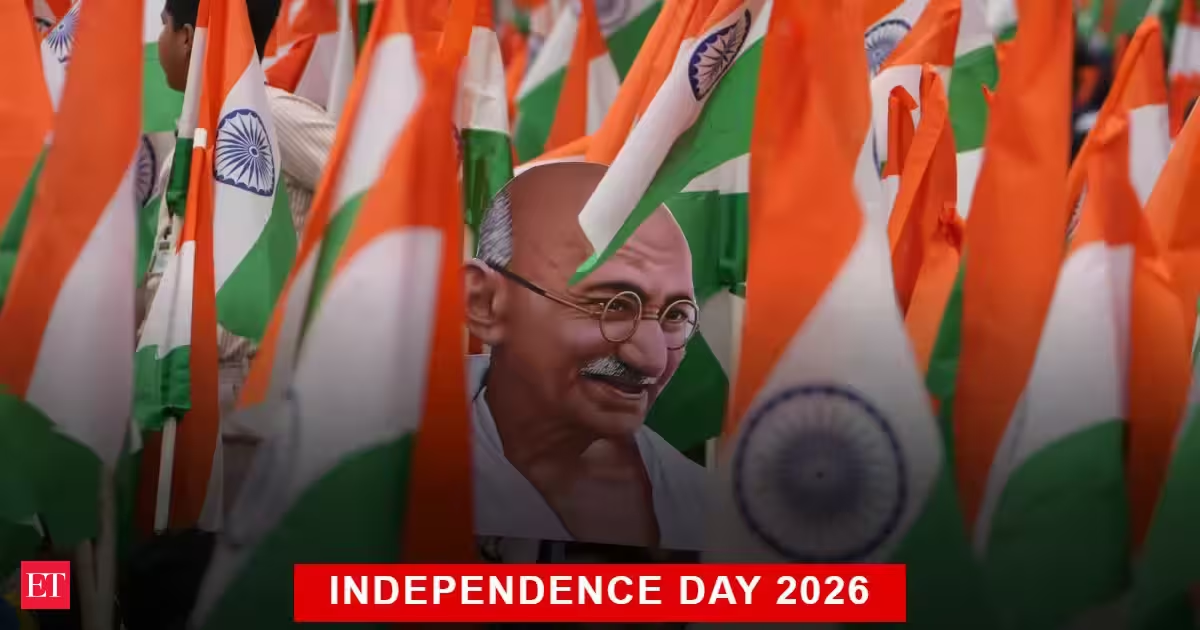
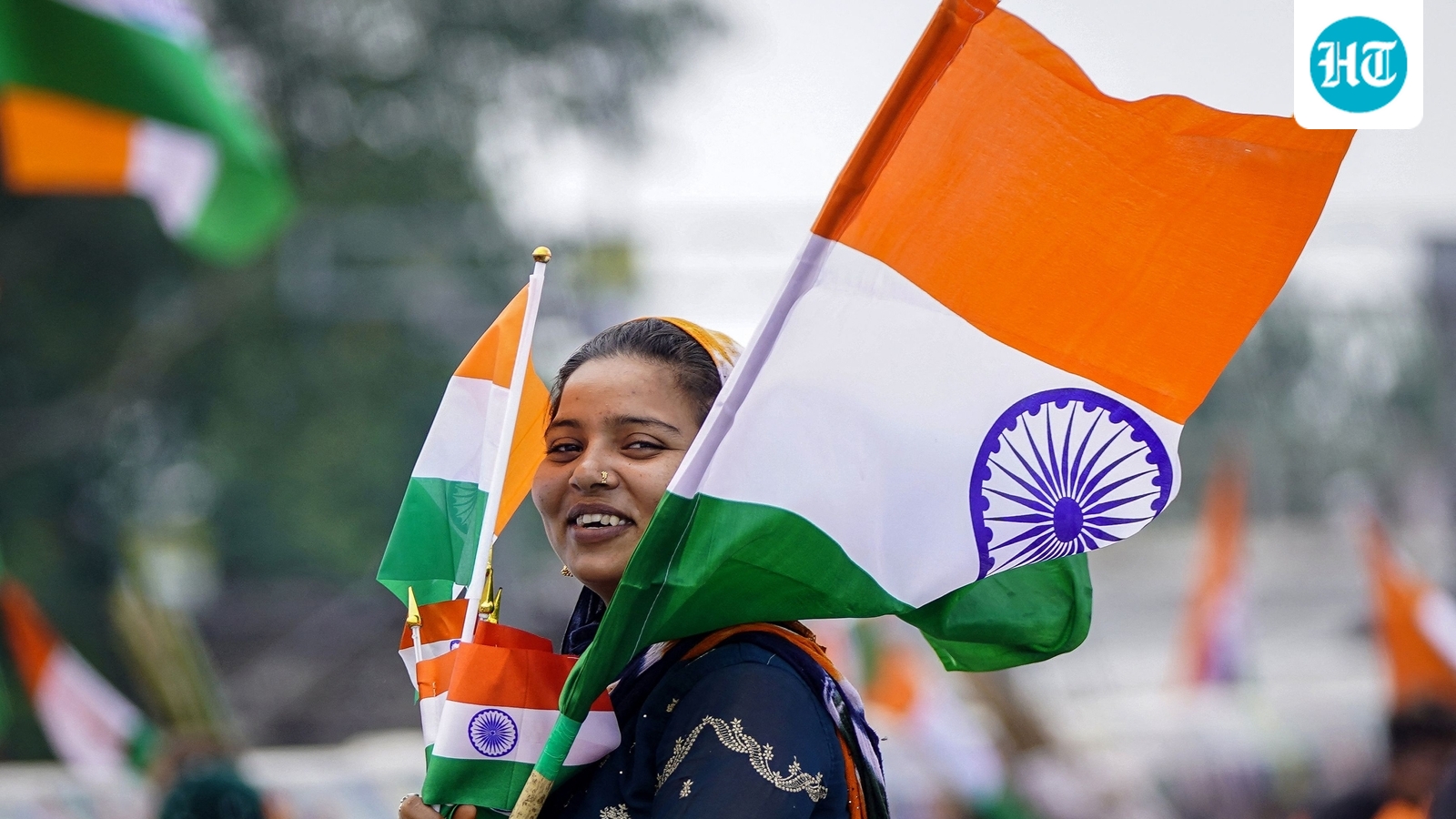
Independence Day 2026: Where am I from? The complicated meaning of home for Indians abroad
A seemingly simple question becomes complicated when identity and belonging span three continents
935 words~4 min read