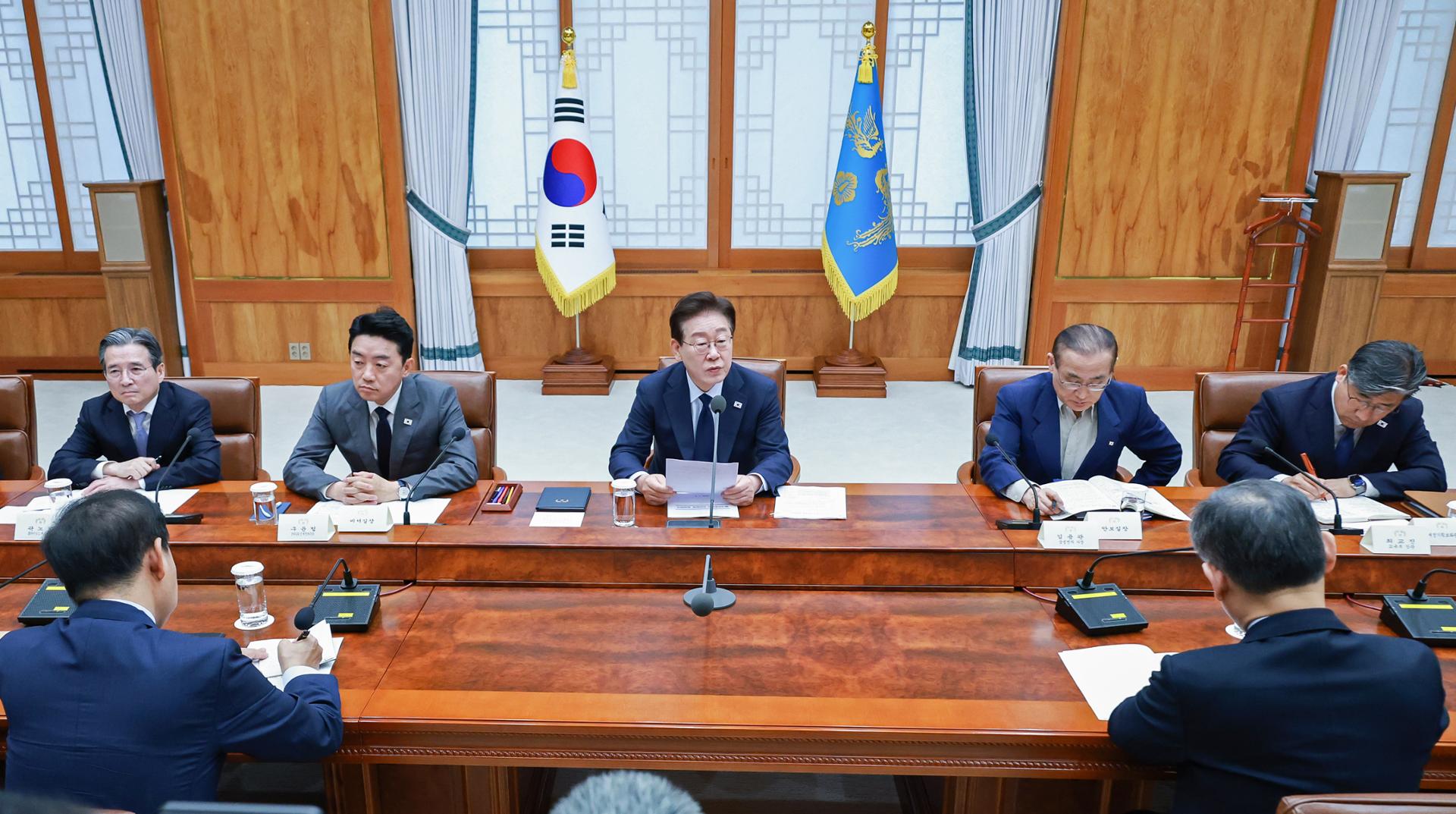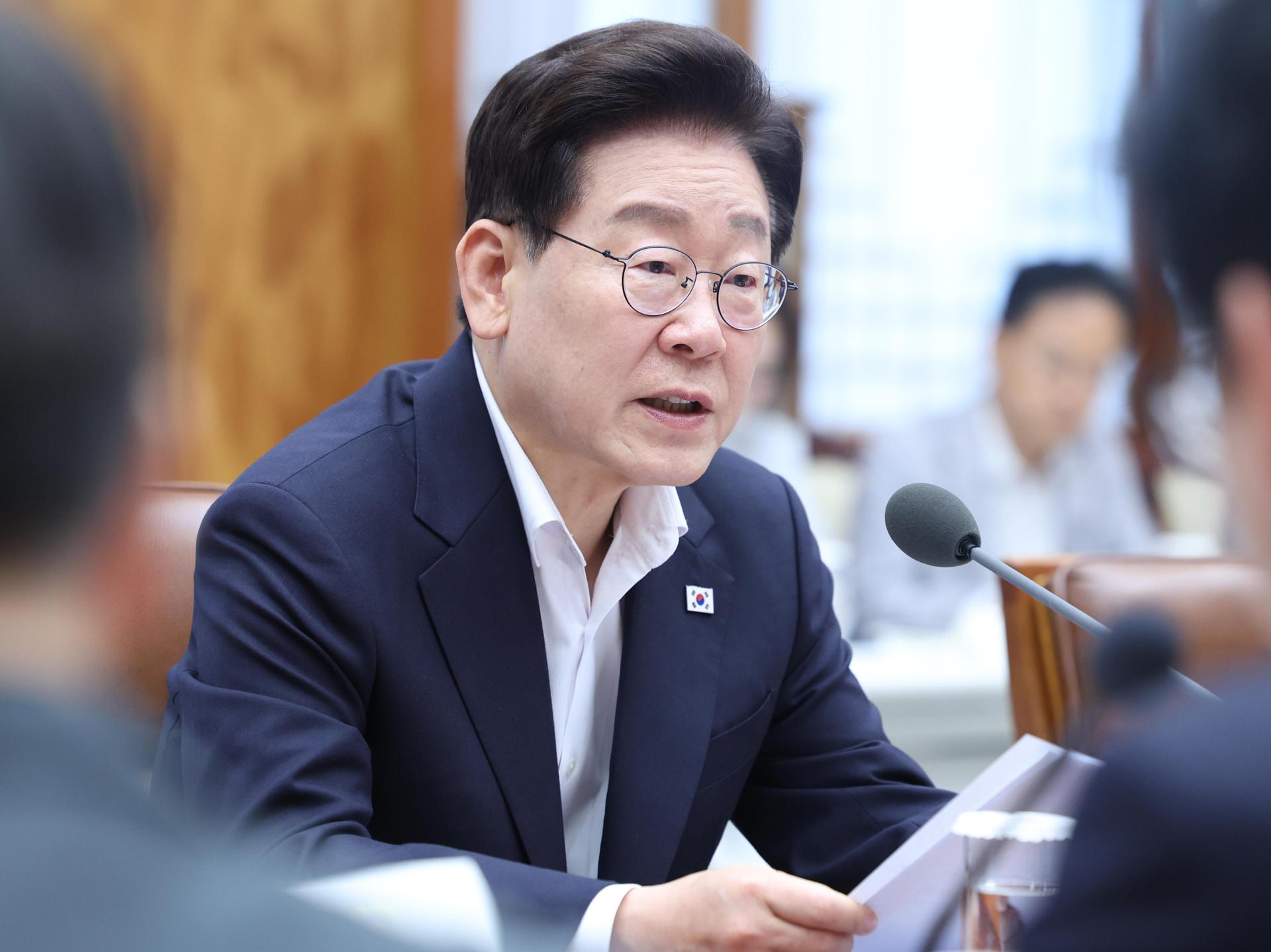
President Lee Jae Myung speaks during a meeting on the chip cluster megaproject at Cheong Wa Dae in Seoul, Monday. Yonhap
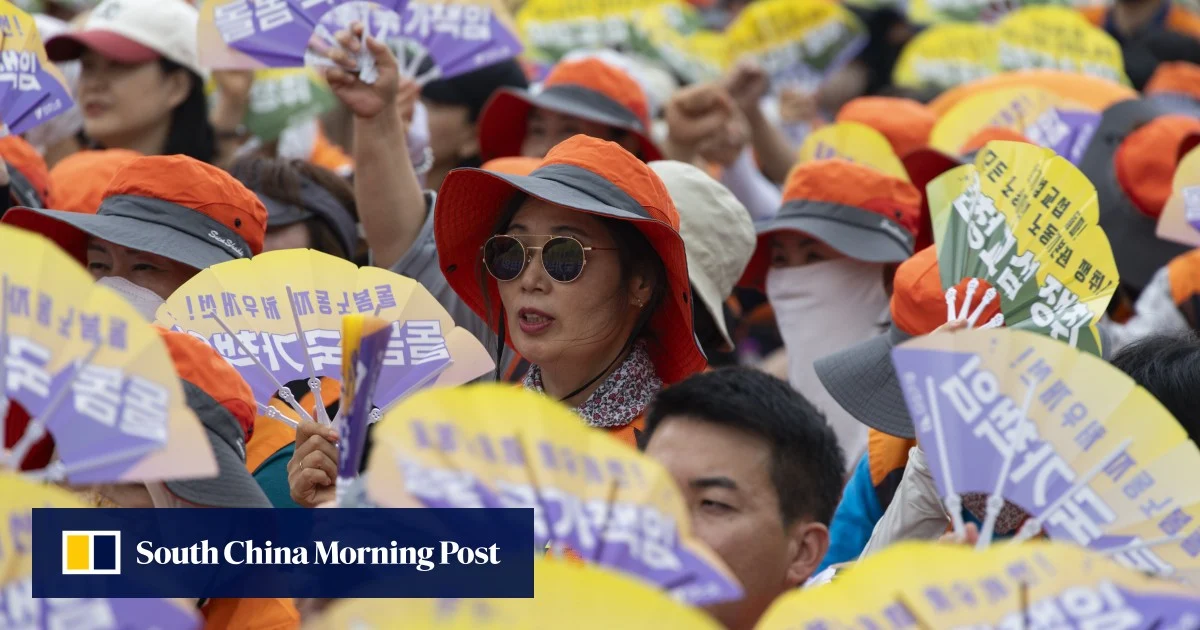
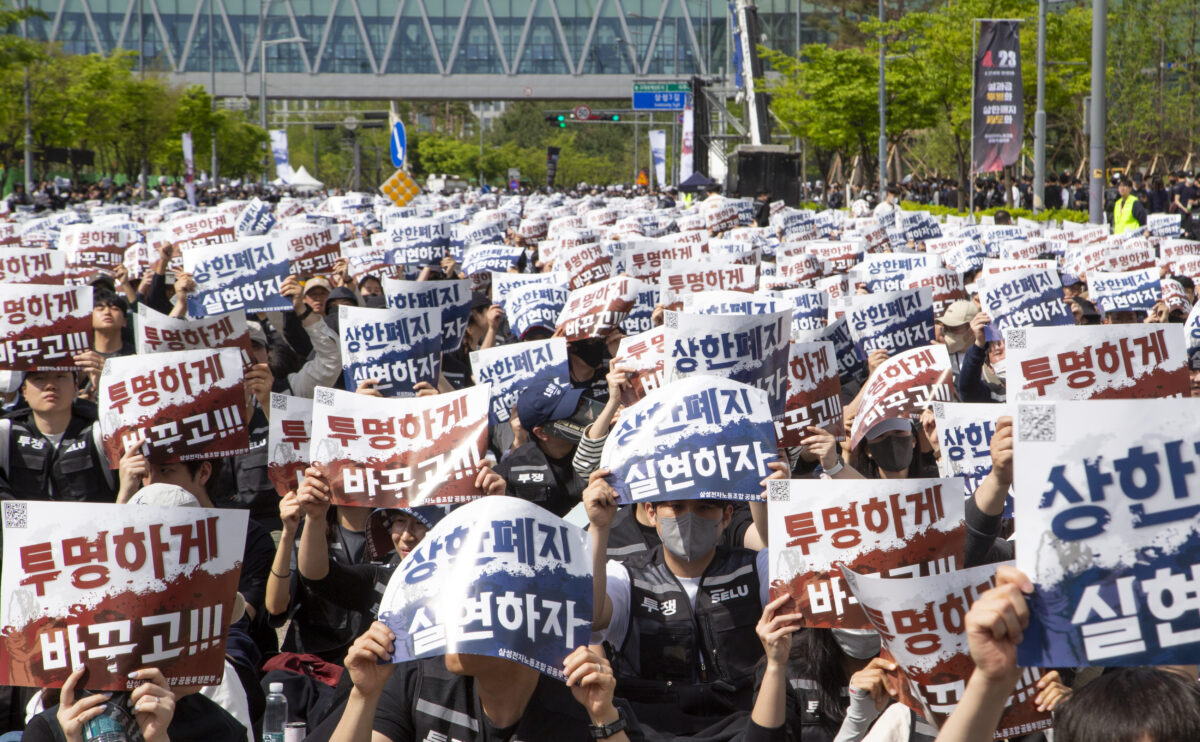
Backed by pro-labor activists, the ruling Democratic Party of Korea passed what is known as the “yellow envelope law” last year, substantially expanding the definition of labor disputes.
Just five months after the law took effect, however, party leaders and the Lee Jae Myung administration face the possibility that the policy they championed could complicate — and potentially derail — their own flagship industrial project: the semiconductor megaproject in the Jeolla region.
Speaking to lawmakers at the National Assembly on Wednesday, Labor Minister Kim Young-hoon said he was reviewing whether to establish enforcement rules to resolve ambiguities in the law, which amended the Trade Union and Labor Relations Adjustment Act. His remarks came a day after the president told him to spell out the boundaries of legally permissible labor disputes through detailed regulations rather than relying solely on administrative interpretations of the law.
The controversy stems from the law’s broadened definition of a labor dispute, as Lee pushes ahead with the chip cluster project. Previously, labor disputes were largely confined to traditional workplace issues such as wages, working hours and dismissals. The revision added disagreements over “business management decisions affecting working conditions.”