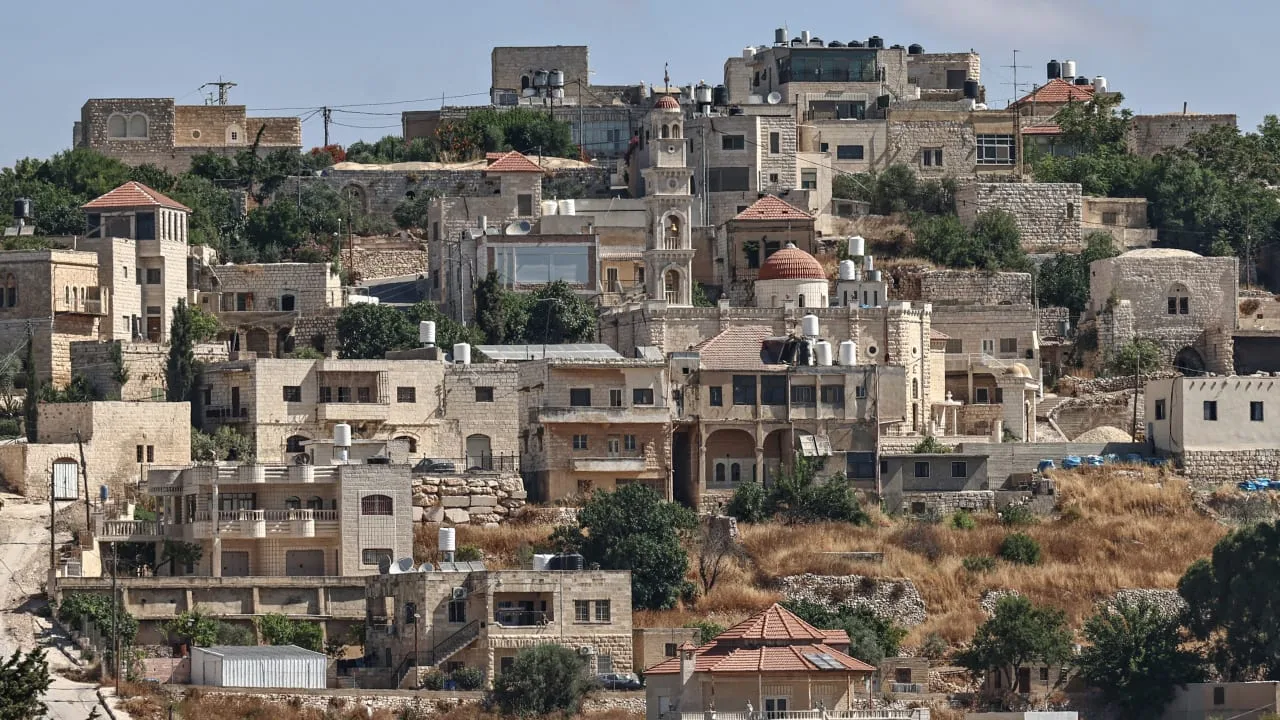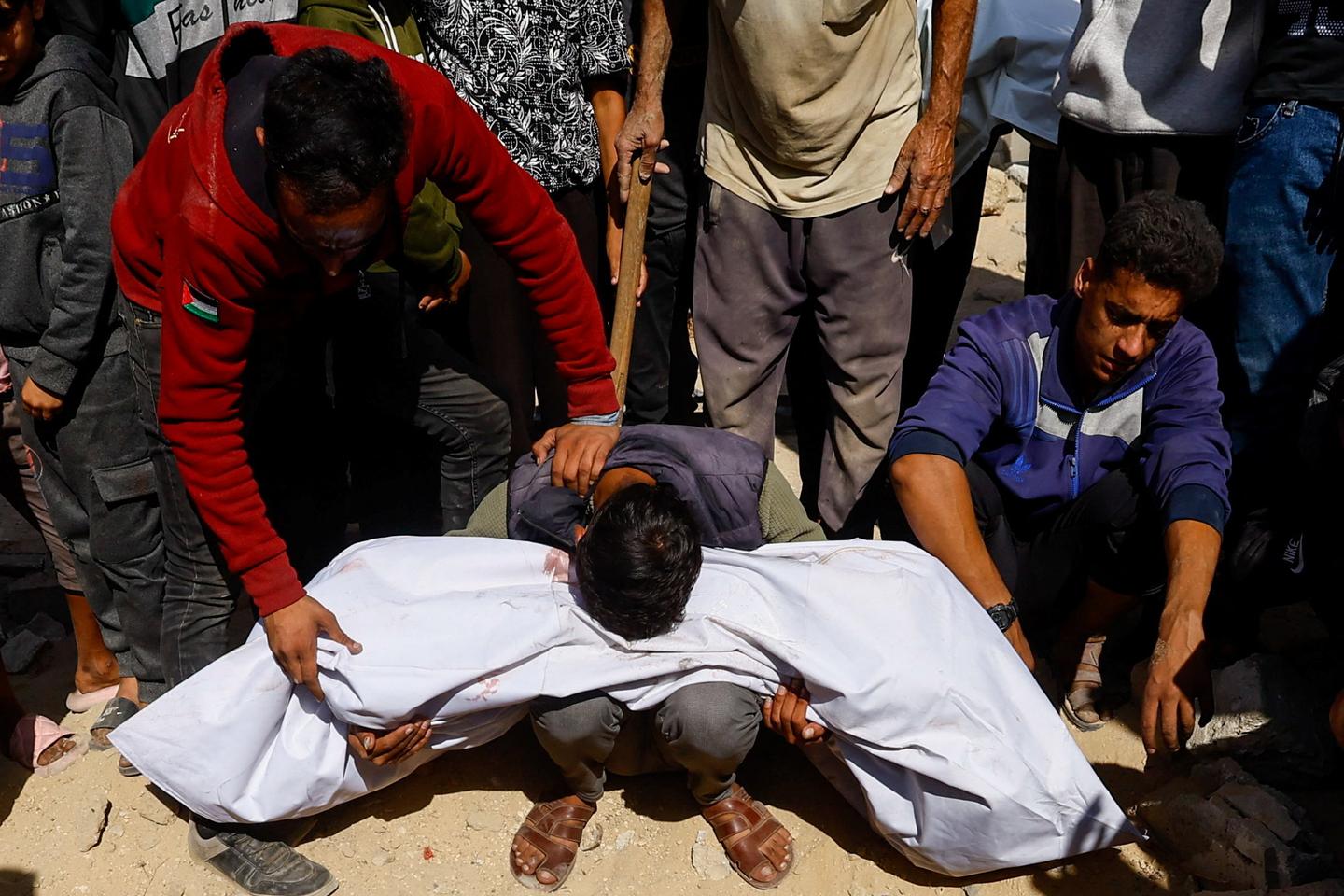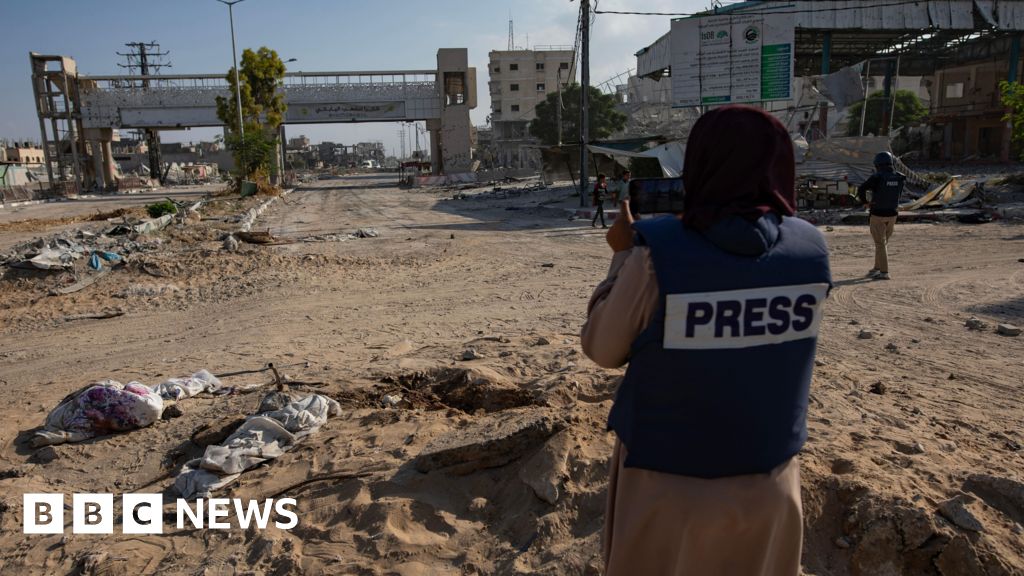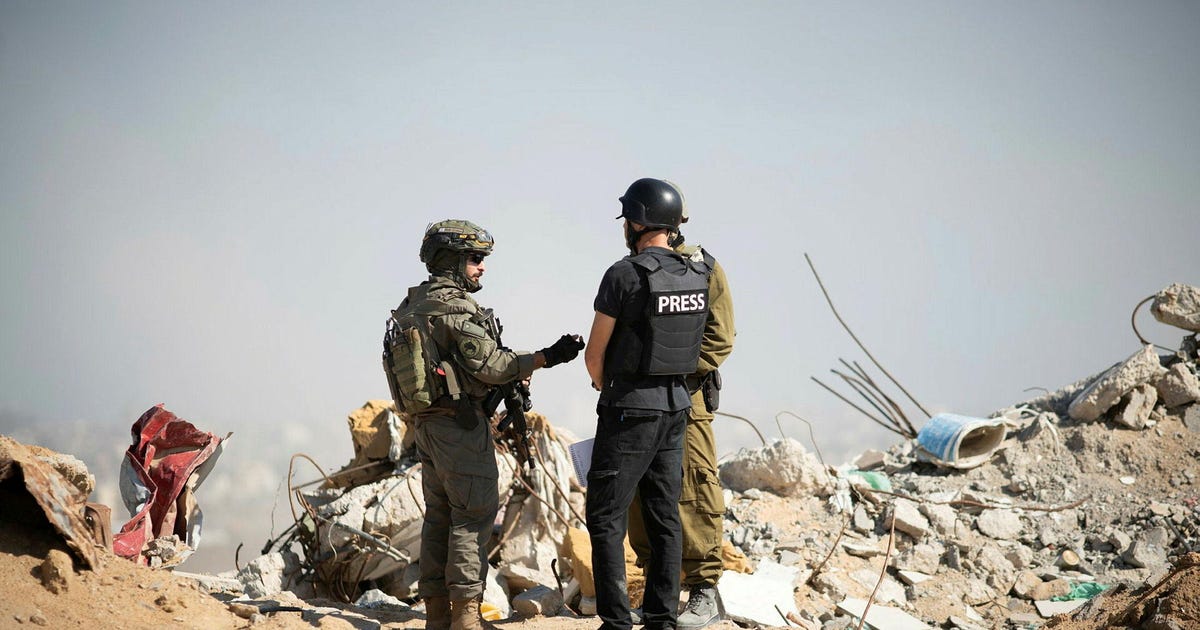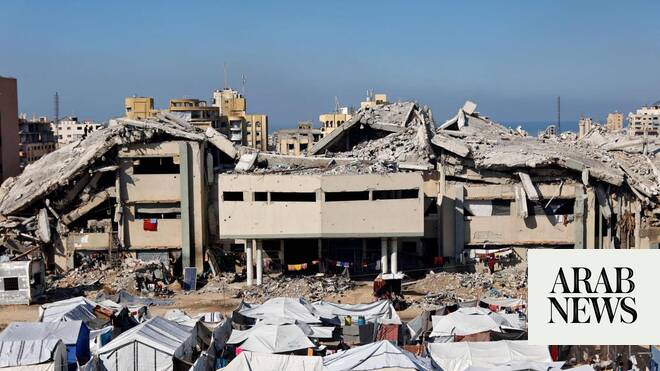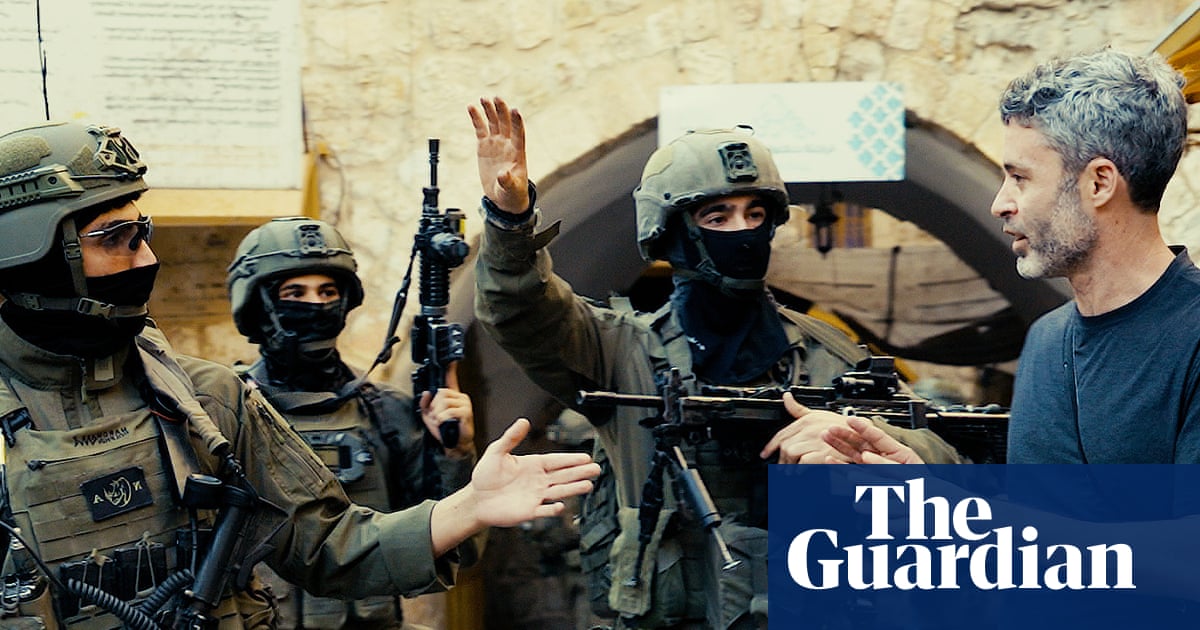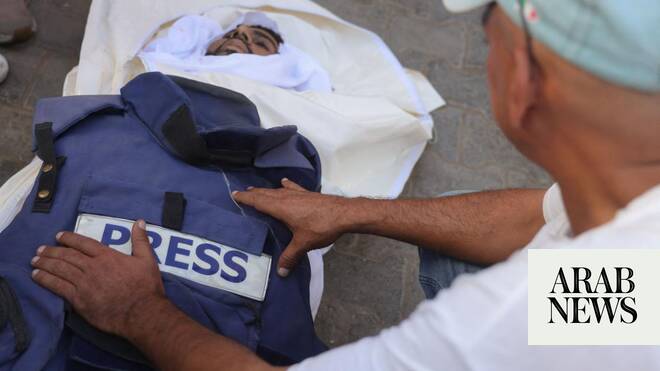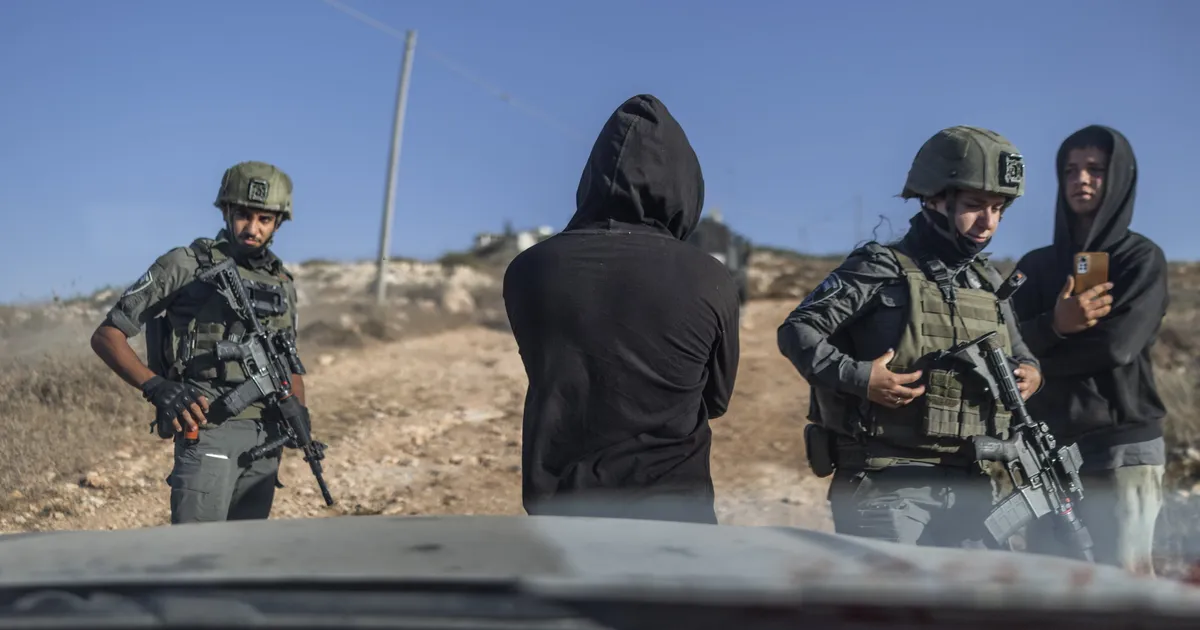
total-- : --time0:0011:42 AM • August 14 2026 IDTNearly three years since Israel's war in Gaza began, and despite a lengthy case brought before the High Court of Israel, journalists remain unable to enter the Strip to report independently on the widespread destruction, the ongoing humanitarian crisis and the IDF's occupation of more than half of the Strip.Histadrut national union official Peter Lerner, who served as the IDF's Spokesperson to International Media until 2024, says the IDF's reluctance to allow journalists in is a symptom of the war being drawn out and Israel's increasing isolation from the global community."The time passed two years ago," to let journalists enter Gaza, Lerner said. "I recommended it to my superiors, that holding out this long is not beneficial to Israel; it just superimposes the fact that people will say that you're hiding something. …The fact is that there will be negative stories about the negative consequences of war."Lerner and host Amir Tibon also discussed the reasons why Israeli soldiers passively watch – or even partake – in settler-led attacks against Palestinians in the West Bank, and the ways in which the government fuels the total lack of accountability. "When I watch the attacks of these families in their homes, and they're so helpless – as someone who experienced October 7 very, very close, it's traumatic to watch," shared Tibon, a longtime resident of Kibbutz Nir Oz.State-backed settler violence has also accelerated against journalists in the West Bank, where Haaretz correspondent Matan Golan and photographer Itai Ron were attacked this week by settlers that have besieged Palestinian homes in Qusra, near Nablus, as IDF soldiers looked on.Abby Seitz, a features editor at Haaretz, joins the podcast to recount the threats, illegal orders from soldiers and right-out lies that she and reporter Nagham Zbeedat encountered in a single day in the southern West Bank last month. Zbeedat and Seitz reported from Umm al-Khair as the community marked one year since Awdah Hathaleen recorded his own death at the hands of internationally sanctioned settler leader Yinon Levi.When asked for comment on why Border Police, with the army, dispersed the village's memorial ceremony, a police spokesperson told Haaretz that it was an "unlawful gathering, which was intended to serve as a demonstration of support for a terrorist who was neutralized" – a statement that contradicts the state's own stance, as prosecutors filed reckless manslaughter charges against Levi last week."This is not uncommon, and it's increasingly happening against international and Israeli journalists, but it's also been happening against Palestinian journalists for a long time. There are Palestinian journalists right now in administrative detention, held for months without charges, simply for filming what's been going on" in the West Bank, Seitz said.In the NewsThe Lessons of Lebanon and Ukraine: Why the IDF Wants 100,000 Drones a YearUnmoved by Netanyahu's Tricks and Shticks, Eisenkot Eyes a Minority GovernmentKatz Orders Plan to Transfer West Bank Civilian Enforcement From IDF to PoliceHuckabee Condemned 'Settler Terror' but He Was Defending Trump, Not Palestinians'I Don't Know a Wounded Israeli Soldier Whose Soul Wasn't Affected'Remembering and rebuilding two years laterICYMI50 Years Ago, a Young Israeli Was Crowned the Most Beautiful Woman in the WorldIsrael's Leading Philosopher on Manipulation, Morality and the Future of ZionismWho Is Rebeca Grynspan, the Jewish Frontrunner to Become the Next UN Chief?Phones of Missing Israeli Mother, Daughter Last Traced Near Vienna Train StationIsrael Elections: How to Actually Read the PollsU.S. University to Pay Israeli Scholar Who Lost Job for Calling Gaza a Genocide
What the hell is going on in the West Bank?
Nearly three years since Israel's war in Gaza began, and despite a lengthy case brought before the High Court of Israel, journalists remain unable to enter the
582 words~3 min read