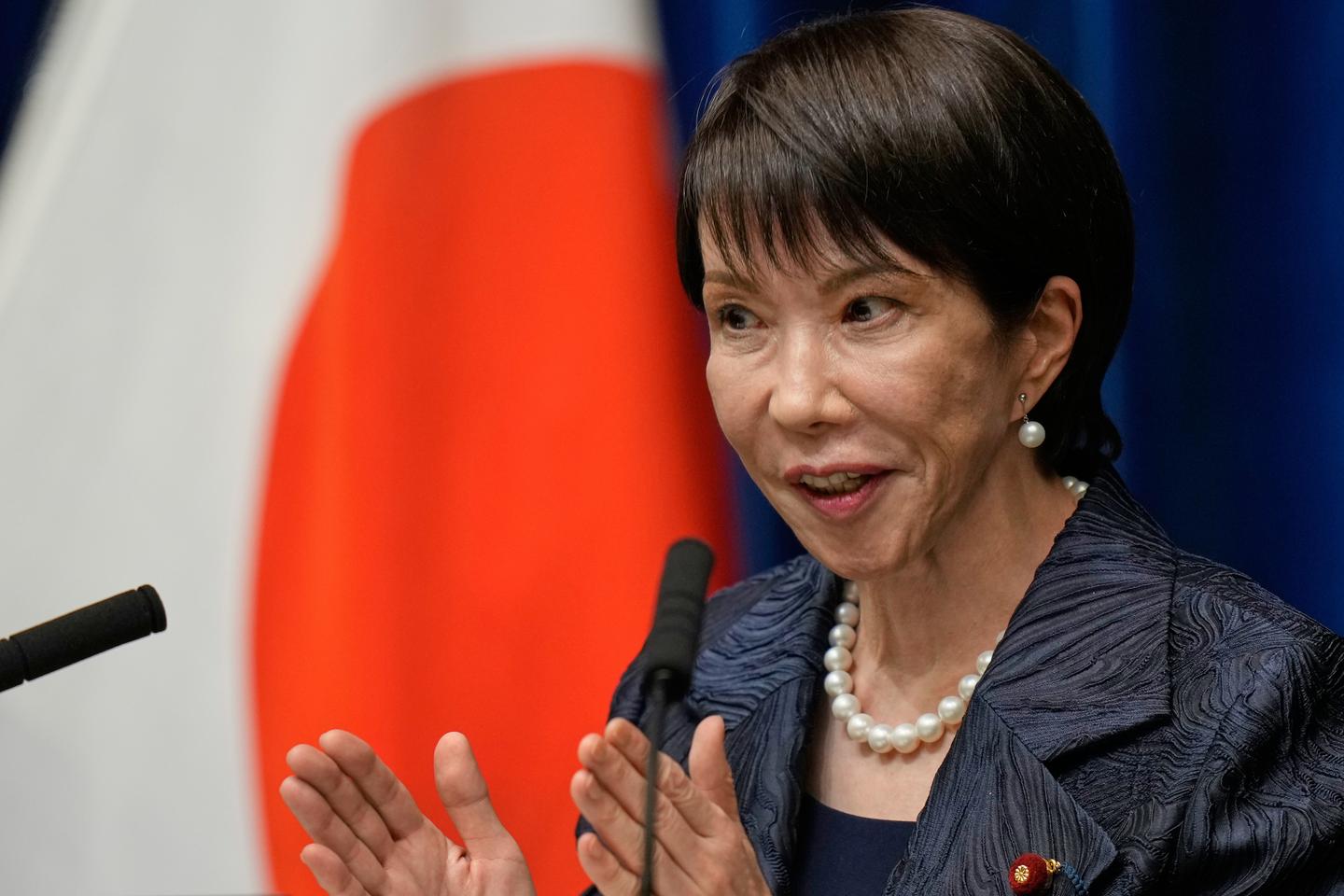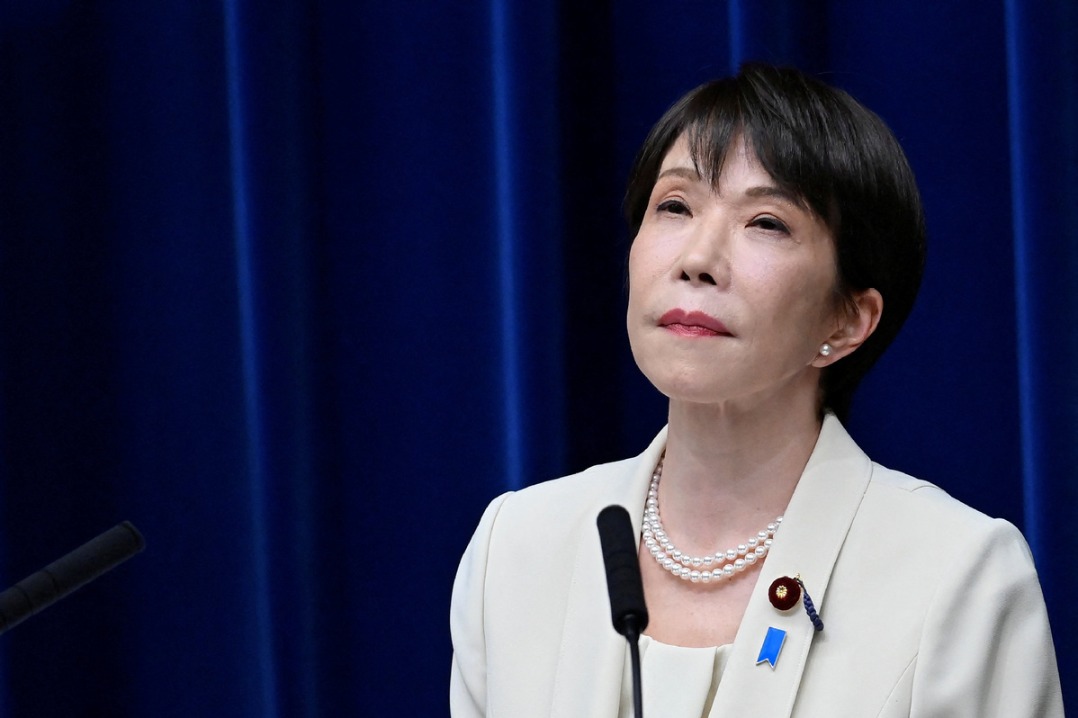
Japanese Prime Minister Sanae Takaichi holds a press conference at the Prime Minister’s Office, as cabinet support falls, following the close of the 221st extraordinary session of the Diet, in Tokyo, Japan, July 27, 2026. [Photo/Agencies]
East Asia is increasingly concerned that Japan is reverting to militarism. Japan's prime minister and Cabinet officials, however, have dismissed such concerns, while some scholars and activists argue that these are exaggerated. What explains this perception gap?
Japan is hyping up nonexistent "threats" to justify its military expansion, leading many to conclude that the postwar "pacifist nation" is now abandoning its pacifist moorings.
But a closer look at historical records, including those of the Tokyo Trials and trials of other Japanese war criminals, raises a fundamental question: Was postwar Japan ever truly a "pacifist nation"?
The notion that Japan completely abandoned its militarism and transformed into a peace-loving state seems like wishful thinking. It's more likely that the country subconsciously retained the underlying features of its prewar system, while continuing to pursue overseas interests and maintain a sense of national superiority.