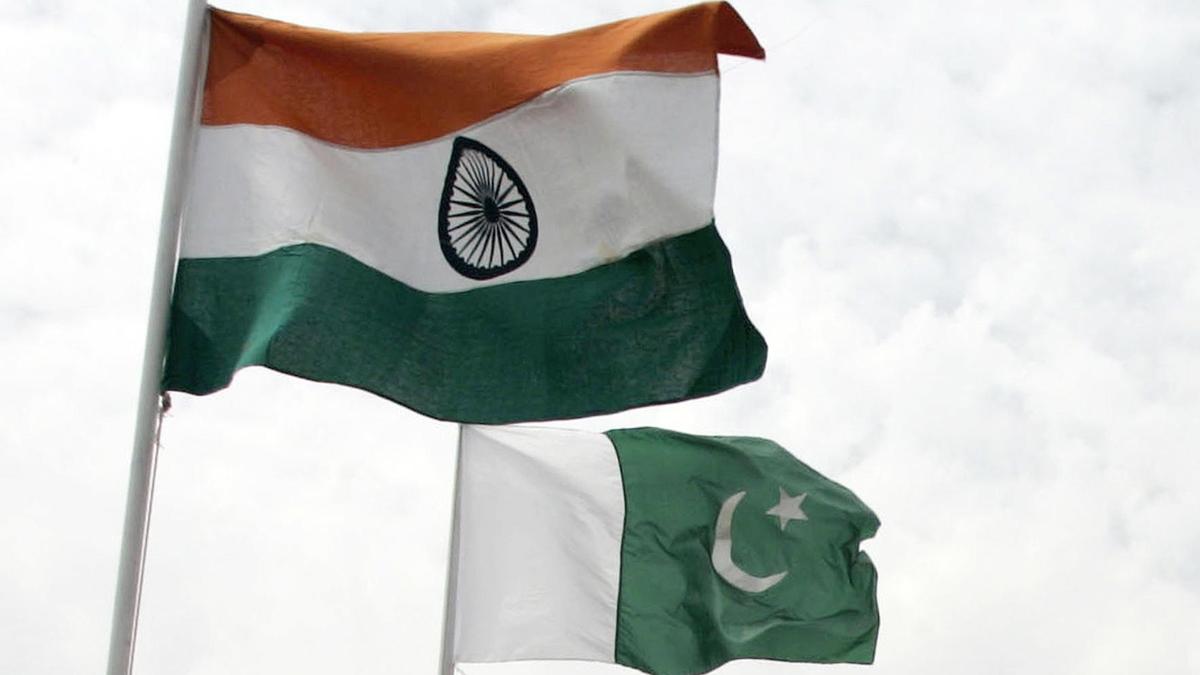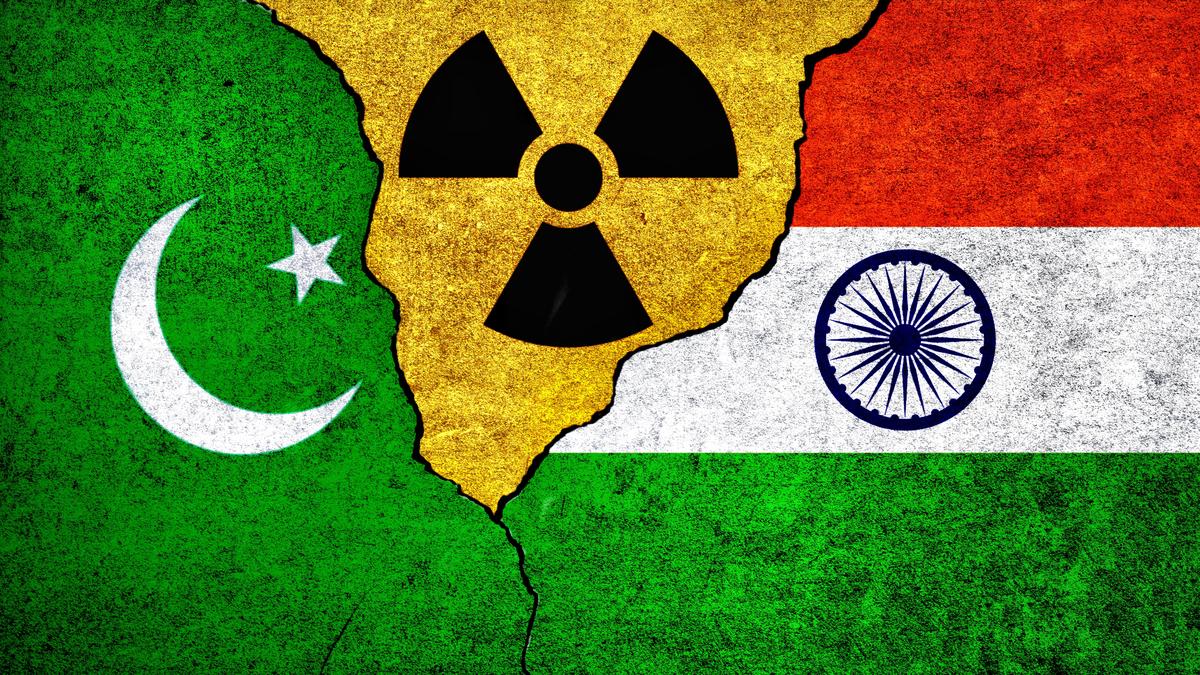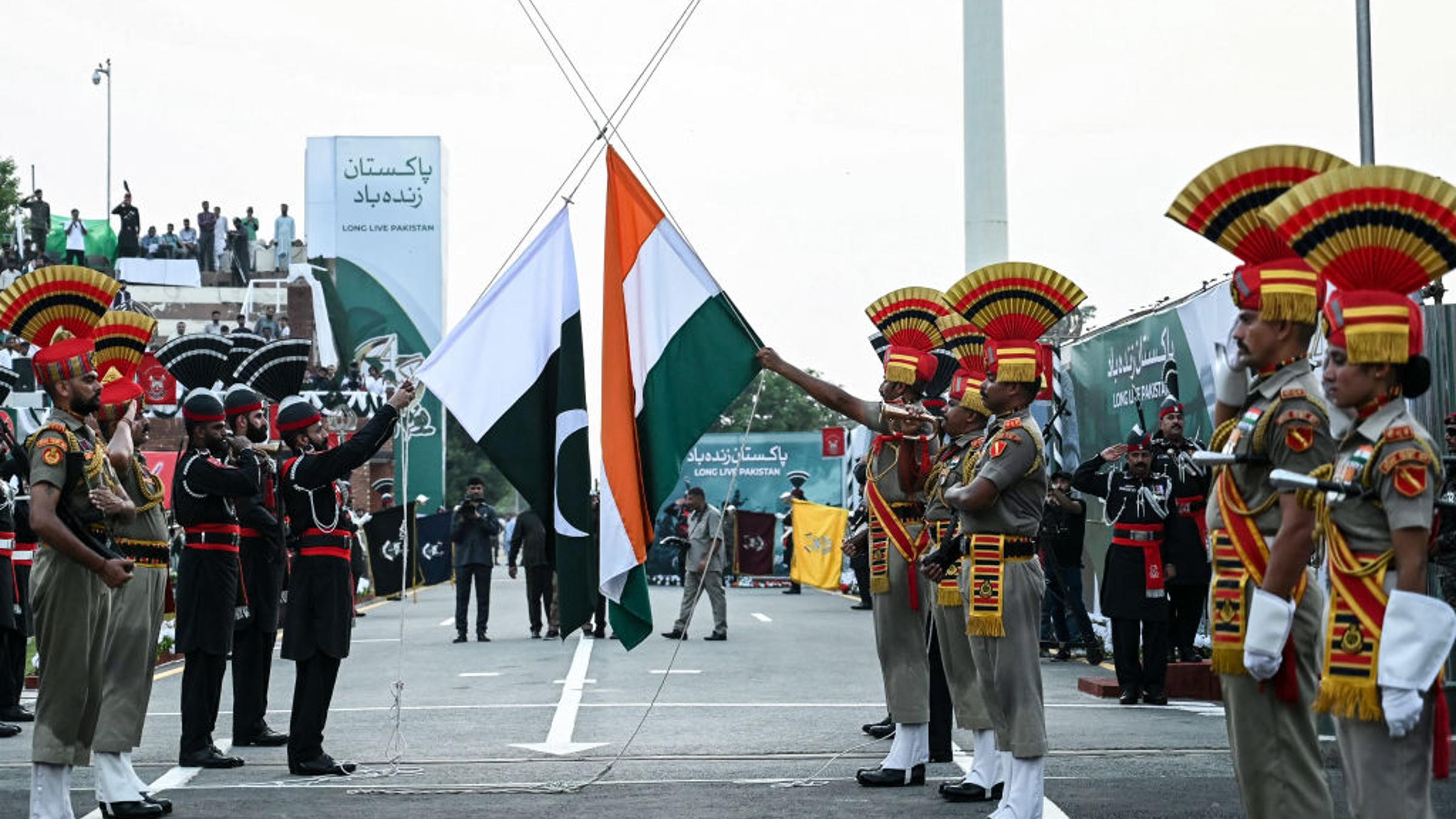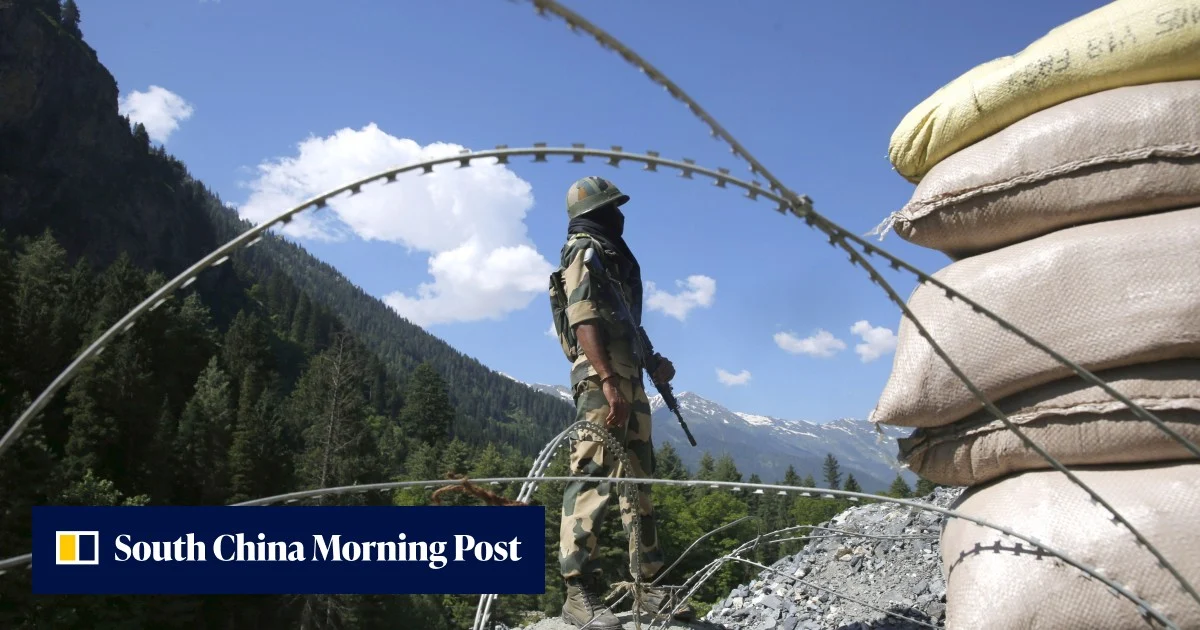
Most people in India and Pakistan view each other as their greatest geopolitical threat, a testimony to the "continued animosity" between the nuclear-armed neighbours 80 years after their independence from British rule, according to a new survey by US-based think tank Pew Research Center.A majority of the Indians and Pakistanis hold unfavourable opinion of the other nation. (Image generated using AI)Over half of Indians (54%) surveyed named Pakistan as their country’s greatest threat, while 43% of Pakistanis identified India.Also Read | Indians three times more likely than Pakistanis to favour US: PewMajority Indians view Pakistan as threat The report revealed that 78% of the Indians surveyed held an unfavourable view of Pakistan, including 65% with a very unfavourable opinion. "Muslims in the Hindu-majority country are somewhat more favourable toward Pakistan (21%) than Hindus are (6%)," the report said.Sharing data on Pakistani's take on the issue, the report said, "Roughly nine-in-ten Pakistanis have an unfavourable view of India, with about three-quarters (73%) saying their view is very unfavourable. This sentiment is shared broadly across demographic groups in Pakistan."India-Pakistan ties strainedBilateral relations hit a new low after terrorists killed 26 Indians, mostly tourists, in Jammu and Kashmir's Pahalgam on April 22 last year. India responded with Operation Sindoor, targeting terrorists deep inside Pakistan, and successfully thwarted Islamabad's drone attacks before hitting several Pakistani airbases.'The government also put the Indus Waters Treaty of 1960 in abeyance, saying Pakistan should "credibly and irrevocably" abjure its support for cross-border terrorism first. The move has far-reaching consequences for Pakistan, a country heavily dependent on the Indus river system for 80% of its 16 million hectares of agricultural land and 93% of its total water use.Also Read | 80 years free, India’s biggest independence challenge is its bureaucracy with colonial mindset'Skeptical of govts' commitment to maintain ties'According to the Pew survey, respondents in both India and Pakistan—which have fought four major wars—"are skeptical of how committed the other country’s government and people are to good bilateral relations".The report involved 3,566 people in India and 1,039 people in Pakistan, alongside respondents in other countries included in the surveys, which were conducted in India from February 8 to April 27, 2026, and in Pakistan from April 8 to May 7, 2026.The survey found that a majority of Indian adults think the Indian people and government are committed to good bilateral relations. But a majority of Pakistani adults said the Indian people and government are not committed.Similarly, a majority of Pakistani adults said "their country’s people and government are committed to good bilateral relations", even though Indians thought that the Pakistani people and government were not committed.Also Read | Partition Horrors Remembrance Day: 7 Films Based On The Horrific Division of India and PakistanThe report said there are differences in how Hindu and Muslim respondents view Pakistan, with Indian Muslims generally expressing more favourable opinions than Indian Hindus. Pew Research Center estimates from 2020 put the Muslim population in India at about 15%.According to the survey, around one-third of Indian Muslims (34%) named Pakistan as their top threat, compared with 57% of Hindus.China, Israel next big threatsAmong the global players, Indians see China as a top threat (named by 21%). Pakistanis see Israel (24%) and the US (24%) as their next-greatest threats, according to the findings.
Indians, Pakistanis see each other as greatest geopolitical threat: Pew survey
Despite some positive sentiments from Indian Muslims, mutual distrust persists between the nuclear-armed neighbours eight decades post-independence. | India News
546 words~2 min read