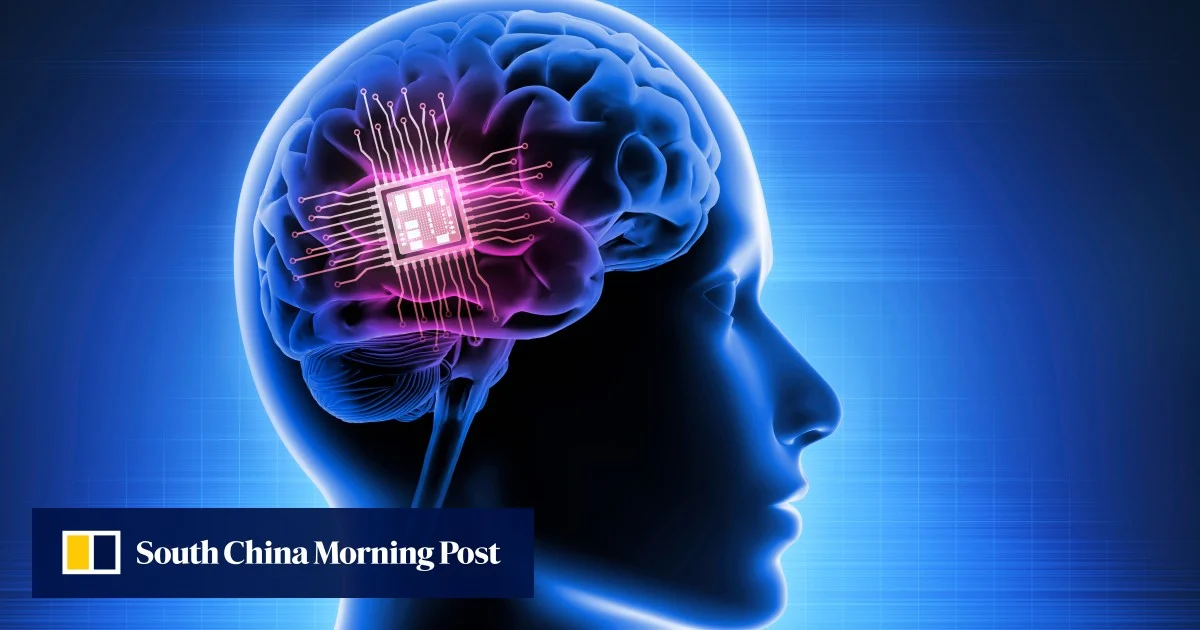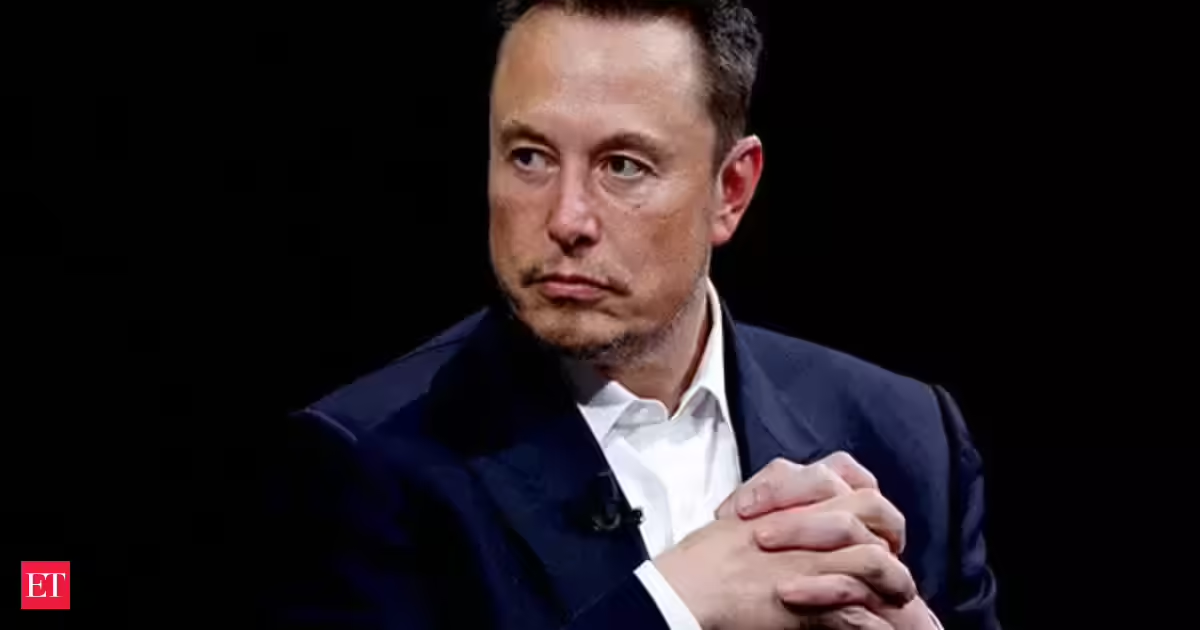
Repesentative imageElon Musk has spent years pursuing what he has called "Jesus-level" technology through Neuralink, aiming to treat chronic health conditions by implanting computer chips directly into the human brain. But that vision may end up taking shape fastest not in the US, but in China, where state authorities have launched a coordinated push to accelerate the country's own brain-computer interface (BCI) industry, according to a South China Morning Post report. China has introduced its first commercial policy covering invasive brain-computer interface (BCI) surgery. State-owned PICC Property and Casualty announced the scheme in partnership with a hospital affiliated with Zhejiang University School of Medicine in Hangzhou, a tech hub home to leading AI and robotics start-ups.A first-of-its-kind insurance policyOver the past few days, a string of BCI-related initiatives have been announced across China, involving state insurers, investment banks and local governments alike. The most significant came on Wednesday, when PICC Property and Casualty, a major state-owned insurer, announced it had signed the country's first commercial insurance policy covering the invasive surgery typically required to implant a BCI device in a patient's brain.The announcement moved markets almost immediately, with BCI-linked stocks in Hong Kong climbing as investors bet that insurance coverage would help speed up the technology's path to commercial use. Shares of BCI-related firms rose 1.59% on Wednesday, with neuro-interventional device maker Shanghai Heartcare Medical Technology up 1.28% and software developer BrainAurora Medical Technology gaining 1.65%.How the technology worksBCI technology, which conventionally involves open-skull surgery to implant electrodes in a targeted region of the brain, allows patients to control digital devices using thought alone. The field has been most prominently championed globally by Musk's Neuralink, and versions of the technology have already been tested on human patients in both the US and China, in some cases showing promise in helping patients paralysed from the neck down regain the ability to move.The public hospital involved in PICC's new insurance scheme is regarded by local officials and doctors as a leading centre for BCI clinical trials in the region, and has reportedly conducted at least 12 human trials involving BCI implants, according to Chinese media reports. In one recent case, a 61-year-old paraplegic patient with a spinal cord injury regained the ability to bend and lift his leg within three days of surgery, and was walking unassisted by the fifteenth day.The 'Jesus-level technology'Brain-computer interfaces allow signals generated by the brain to be converted into digital commands that can control computers, devices or prosthetics. Musk has repeatedly promoted the technology's potential to transform lives. Speaking via video link at an event in Israel this week, Musk argued that his company, Neuralink, does not receive enough recognition for its achievements."Restoring control of people who are tetraplegics and restoring sight, I think, are pretty big deals," Musk said. "They're sort of what I might call Jesus-level technologies," he added. Neuralink has said its implants could eventually allow users to type, move a computer cursor and operate devices using only their thoughts. Supporters of the technology envision an even more ambitious future, where people could communicate digitally through thoughts or interact with machines without physical input.Clinical trials in China and safety concernsBCI technology, championed by Elon Musk’s Neuralink, requires open-skull surgery to implant electrodes that allow patients to control digital devices with their thoughts. In Hangzhou, doctors have conducted at least 12 human trials. In one case, a 61-year-old paraplegic regained the ability to walk unassisted within 15 days of surgery.Clinicians cautioned that safety must remain the top priority. “We don’t yet have long-term safety data from BCI clinical trials. There’s no data spanning several years,” said Duan Wanru, chief physician at Xuanwu Hospital in Beijing, during the Global Health Summit in Hong Kong.Government pushAlongside the insurance policy, the Zhejiang provincial government announced plans to boost financing for BCI firms and encourage them to go public. The coordinated effort underscores China’s ambition to lead in brain-computer interface technology, potentially outpacing Musk’s vision of “Jesus-level” implants to treat chronic conditions.
China takes aim at Elon Musk’s ‘Jesus-level’ brain-chip dream with first BCI surgery policy
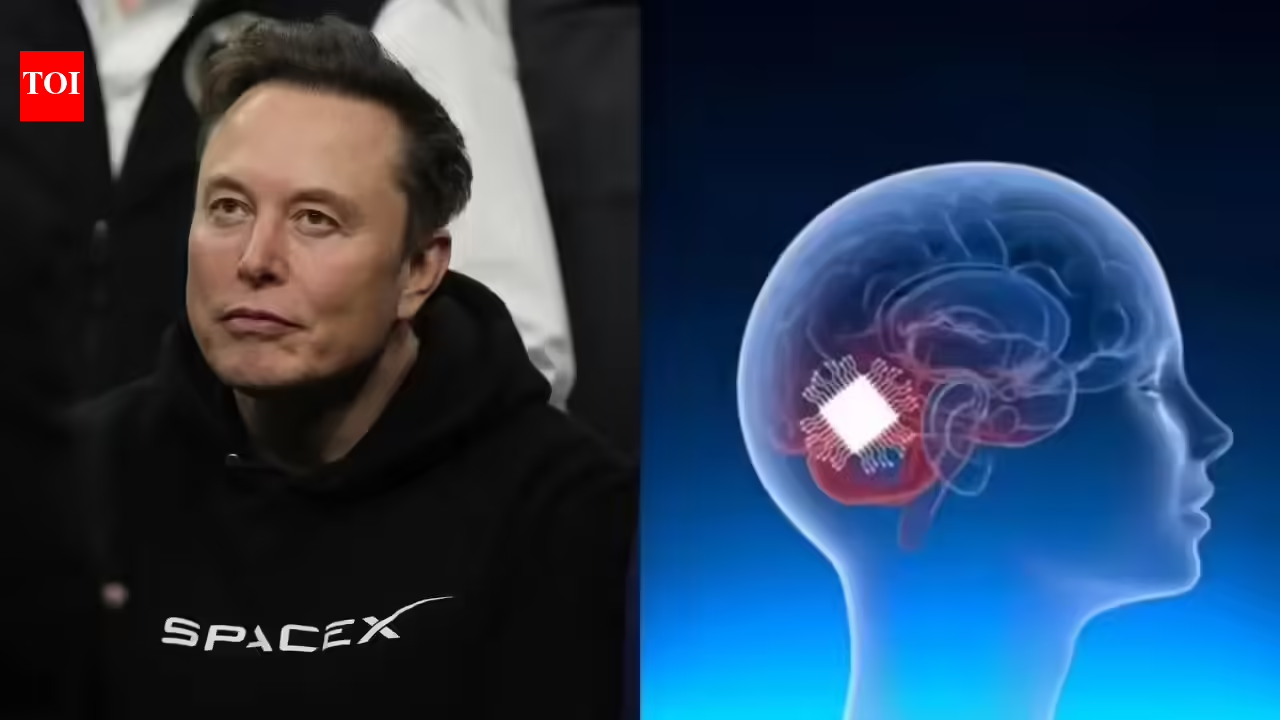
Elon Musk has spent years pursuing what he has called "Jesus-level" technology through Neuralink, aiming to treat chronic health conditions by implanting computer chips directly into the human brain. But that vision may end up taking shape fastest not in the US, but in China, where state authorities have launched a coordinated push to accelerate the country's own brain-computer interface (BCI) industry, according to a South China Morning Post report.
TL;DRAI
China's PICC insurer unveiled the first commercial BCI surgery policy, driving 1.59% stock gains; Zhejiang pledged financing. Insurance coverage accelerates neurotech commercialization and challenges Neuralink's timeline, signaling China's intent to lead the brain-interface market.
663 words~3 min read